

Dominican Republic Travel Industry Growth And Massive Tourism Tax Revenue Surge Reach Historic Heights In Punta Cana And Santo Domingo

Updated
Published
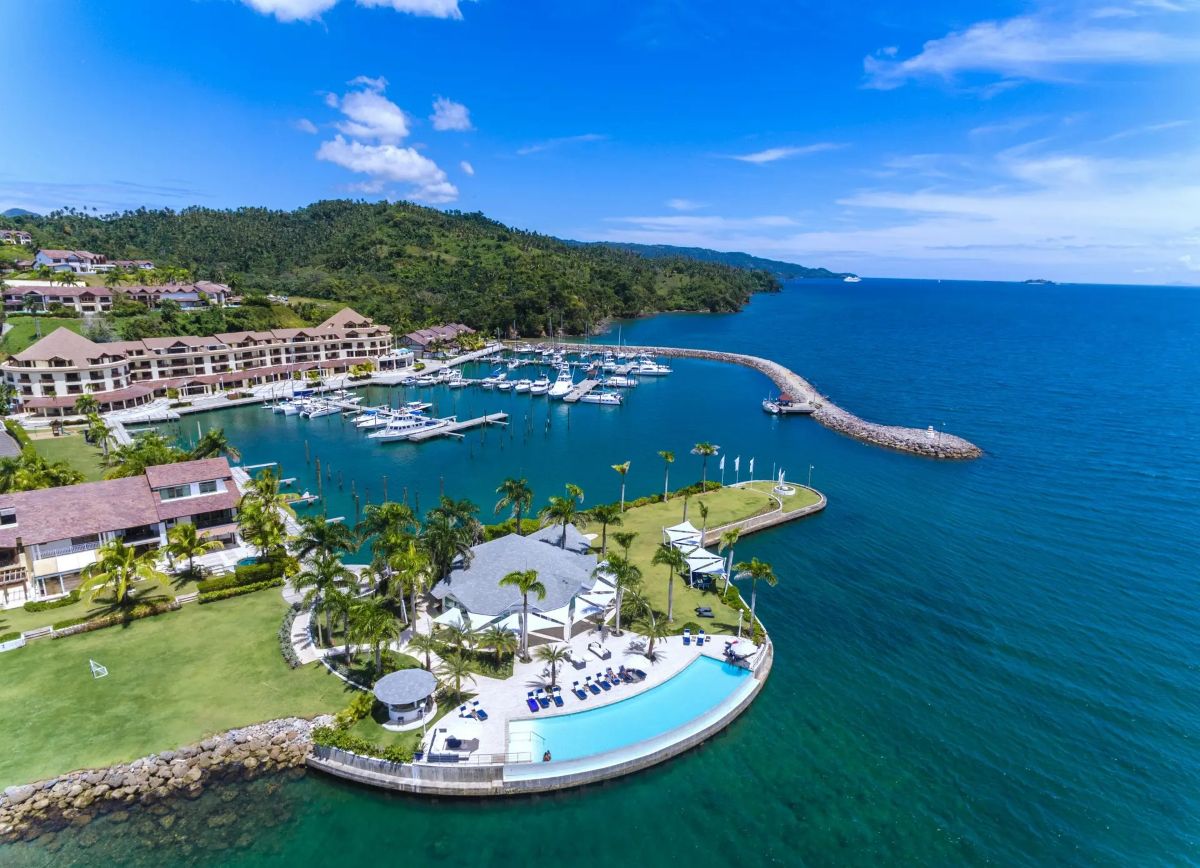
There is something special about seeing a country completely change right in front of you. Strolling through the streets of Santo Domingo or feeling the warm Caribbean wind blow over Punta Cana you can almost sense the pulse of a nation that is growing. Behind the picture- beaches and high-end hotels is a powerful story of economic success. Powered by an increase in money, from tourism and smart tax plans the Dominican Republic is going through a big change that is improving lives paying for important buildings and showing that good leadership and natural beauty can make real magic.
Why Have Tourism Tax Revenues Tripled Dramatically Across Punta Cana, Santo Domingo, and Puerto Plata In The Dominican Republic?
Advertisement
Advertisement
Tax generation tied directly to operations in Punta Cana, Santo Domingo, and Puerto Plata has tripled over the past decade, jumping from approximately fifteen billion Dominican Pesos to historical highs. This financial explosion stems from a deliberate, proactive public policy implemented by government institutions, creating a sustainable framework for continuous capital reinvestment across the entire Caribbean landscape. Official figures tracking the country’s economic evolution underline a historic transformation in tourism-related fiscal performance, showing that structural tax receipts allow the government to reinvest heavily into regional infrastructure. Furthermore, this dynamic tax framework ensures that surging visitor numbers translate directly into robust public infrastructure funding and long-term economic stability.
How Did Record Tourism Receipts Scale Up National Economic Contributions Across Punta Cana And Santo Domingo?
Advertisement
Advertisement
International tourism receipts have continued to scale unprecedented heights, reaching upwards of $11.3 billion in recent annual tallies, demonstrating consistent year-over-year expansions across the Caribbean. The hotels, bars, and restaurants sector acts as a primary anchor for the national economy, contributing roughly 11.6% directly to the nation’s GDP, while broader spillover impacts push total economic contributions past 15%.
Foreign direct investment has surged due to investor confidence bolstered by legal frameworks like the Tourism Incentive Act, driving billions into coastal hospitality infrastructure. Moreover, strategic public-private collaborations enacted by the Ministry of Tourism and the Central Bank have successfully positioned the country as a global tourism leader.
Advertisement
Advertisement
What Role Do Government Strategies Play in Fueling This Expansion In Samaná And Pedernales?
Beyond traditional all-inclusive beach resorts, government-backed infrastructure upgrades have expanded sustainable tourism into emerging regions like Samaná and Pedernales, successfully broadening the tax base. Legal incentives such as CONFOTUR approvals have systematically lowered bureaucratic barriers, encouraging continuous capital reinvestment that ultimately transforms into robust recurring corporate yields.
Advertisement
Advertisement
These targeted measures, including swift liquidity provisions and aggressive global promotional campaigns, allowed the nation to become one of the fastest worldwide destinations to reopen and stabilize. Consequently, this careful institutional steering guarantees that rapid commercial expansion remains balanced with sustainable regional development.
How Does the Tourism Boom Deliver Broad Financial News for Development Across The Dominican Republic?
The massive influx of capital derived from the tourism tax boom has provided the central government with critical fiscal space to fortify the Dominican Peso against global macroeconomic volatility. Furthermore, this continuous economic expansion has driven formal employment recovery, successfully absorbing hundreds of thousands of local workers into hospitality, transport, and commercial supply chains.
Higher structural tax receipts empower authorities to invest heavily in public goods, healthcare frameworks, and localized municipal infrastructure, creating a virtuous cycle of localized prosperity. Ultimately, these structural upgrades secure a resilient economic foundation for communities throughout the entire Caribbean territory.
Advertisement
Advertisement
How Do Aviation Dynamics and Air Passenger Arrivals Drive Foreign Exchange and Fiscal Yields in Santo Domingo and Punta Cana?
Air arrivals constitute the core engine of inbound travel, delivering over 6.6 million air passengers during cumulative mid-year tracking periods alongside consistent monthly expansions of roughly 8.8% year-over-year. This heavy stream of flight-based entries through major hubs like Las Américas International Airport in Santo Domingo and Punta Cana International Airport ensures a non-stop cycle of high-ticket consumer spending across luxury resorts, hospitality suites, and guided excursions. Because air travelers typically spend significantly more per stay on lodging, premium transport, and entertainment than maritime day-trippers, their arrival directly accelerates corporate earnings, value-added taxes, and state treasury yields.
Strategic aviation connectivity underpins this ongoing financial acceleration, enabling the country to maintain high-occupancy rates throughout traditional shoulder seasons and peak holiday months alike. Furthermore, this heavy influx of airborne visitors creates a reliable, predictable stream of foreign exchange that directly enhances government collection efficiency and fiscal resource management.
What Is the Direct Fiscal Impact of Cruise Tourism Expansion on Coastal Ports Like Puerto Plata and La Romana?
Maritime vessel entries and cruise passenger counts have expanded aggressively, funneling close to 1.9 million cruise travelers through vital regional coastal ports over recent multi-month observation cycles. Coastal ports located in Puerto Plata—specifically prominent terminals like Amber Cove and Taino Bay—alongside operations in La Romana, have successfully transformed into thriving commercial gateways for local artisans, tour operators, and food vendors. This maritime diversification dramatically broadens the municipal tax base, allowing local governments to collect port fees, commercial licenses, and regional transaction taxes that directly benefit coastal communities.
The rapid scaling of cruise infrastructure ensures that wealth generated from maritime excursions is distributed far beyond mega-resorts down to independent merchants and local service providers. Consequently, these regional ports function as decentralized economic nodes that strengthen local municipal budgets and foster widespread economic participation.
Advertisement
Advertisement
How Have Legal Frameworks Like CONFOTUR and Law 158-01 Catalysed Billions in Foreign Direct Investment (FDI)?
Foreign direct investment tied directly to hospitality development consistently surpasses $1.6 billion annually, supported by robust state-sponsored fiscal incentives and investor-friendly legislation. Under the targeted legal protections and tax exemptions established by CONFOTUR (Council for Tourism Promotion) and Law 158-01, international hotel conglomerates and real estate developers benefit from reduced corporate tax liabilities and streamlined construction approvals. This strategic government policy successfully attracts multi-billion-dollar commitments toward luxury coastal properties, modern infrastructure, and large-scale tourism complexes.
These capital inflows do not merely boost initial construction output; they establish long-term, recurring property taxes, corporate earnings streams, and operational revenue for the central government. As a result, these investment frameworks act as a self-sustaining catalyst for continuous modernization and infrastructural longevity across the country.
How Does the 11.6% Direct GDP Contribution of Hotels, Bars, and Restaurants Reshape National Macroeconomic Stability?
The dynamic hotels, bars, and restaurants sector directly contributes 11.6% to the national Gross Domestic Product (GDP), while wider supply chain spillover effects push the total economic footprint past 15%. This substantial economic weight means that national fiscal health is intrinsically linked to the continuous strength and performance of the hospitality ecosystem. As international visitor volumes expand, a powerful economic multiplier effect stimulates domestic agriculture, commercial construction, logistics, and financial services, successfully insulating the broader economy against external global shocks.
This deep macroeconomic integration guarantees that government budgets receive steady, predictable tax allocations derived straight from commercial dining, lodging, and entertainment services. Therefore, hospitality functions not just as a leisure industry, but as the foundational anchor of the entire Dominican economy.
Advertisement
Advertisement
In What Ways Are Emerging Sustainable Tourism Projects in Pedernales (Cabo Rojo) and Samaná Diversifying Regional Tax Bases?
Emerging destinations capture an increasingly large share of the nation’s multi-million visitor volume, with pristine regions like Samaná and Pedernales recording double-digit infrastructure investment expansions. Historically, heavy reliance on traditional hotbeds like Punta Cana posed risks of regional economic saturation and unequal resource distribution. By opening up southern frontiers like Cabo Rojo in Pedernales via eco-friendly public-private master plans, state planners are successfully decentralizing tourism revenue and fostering brand-new micro-economies that generate localized tax compliance and regional career security.
These eco-conscious regional expansions ensure that environmental protection goes hand-in-hand with municipal revenue generation, spreading financial benefits across previously overlooked provinces. Ultimately, diversifying geographical hotspots shields the national economy from localized disruptions while encouraging balanced territorial development.
How Does Formal Employment Growth in Hospitality Supply Chains Absorb Hundreds of Thousands of Local Workers?
The booming tourism sector currently supports hundreds of thousands of formal job opportunities spanning direct hotel operations, agricultural supply logistics, transportation networks, and retail centers. Transitioning informal workers into stable, tax-paying formal employment contracts represents one of the most powerful social dividends yielded by the ongoing tourism surge. Higher formal wages translate directly into increased personal income tax collections and mandatory social security contributions, fortifying the national safety net and driving down poverty metrics across urban centers and coastal towns.
This widespread job formalization creates a secure, highly trained workforce capable of meeting world-class hospitality standards across every corner of the country. Consequently, the human capital dividend reinforces long-term social stability while expanding the state’s income tax base sustainably.
Advertisement
Advertisement
How Do Central Bank Foreign Reserve Buffers Insulate the Dominican Peso Against Global Inflation and Oil Volatility?
International tourism receipts exceeding $11.3 billion annually serve as the primary foreign exchange generator for the central monetary authority. Navigating a global economic climate marked by stubborn inflation and fluctuating international petroleum prices requires deep foreign currency reserves to maintain internal price stability. The massive volume of hard currency injected by international travelers effectively shields the Dominican Peso against sharp, disruptive devaluations, keeping essential import costs manageable and controlling domestic consumer price indexes.
This robust foreign exchange cushion allows national monetary institutions to manage external economic shocks with confidence and precision. Thus, tourism receipts act as a vital macroeconomic shield protecting domestic purchasing power and financial equilibrium.
How Are Reinvested Structural Tax Receipts Transforming Public Infrastructure in Historical Enclaves Like Santo Domingo’s Colonial City?
State-led revitalization initiatives such as comprehensive urban modernization projects within the historic Colonial City channel over RD$188 million in targeted municipal investments. The tangible benefits of tripled tourism tax yields manifest directly in visible civic transformations, including restored heritage architecture, modernized public utilities, and upgraded healthcare frameworks. By reinvesting tourism-derived capital straight back into the cultural fabric of Santo Domingo, authorities ensure that historic assets are meticulously preserved for future generations while enhancing overall global competitiveness.
This direct loop of taxation and public reinvestment creates a virtuous cycle where visitor spending directly upgrades the quality of life for local residents. Ultimately, vibrant cultural preservation guarantees that the nation remains an elite, multi-faceted destination for international travelers worldwide.
Advertisement
Advertisement
The Final Verdict
At the end of the day all those memories that were made in the sunshine along the beaches of Punta Cana and Santo Domingo leave behind something that lasts much longer than just footprints in the sand. These memories turn into important changes for local families, better schools and strong communities all across the island. Watching a place grow like this is really amazing. It shows that when natural beauty comes together with kind ideas the future becomes brighter than the sun, in the Caribbean.
Frequently Asked Questions
- What caused the massive tourism revenue surge in the Dominican Republic?
The surge was driven by strategic post-pandemic reopenings, aggressive global promotions by the Ministry of Tourism, and targeted tax incentives that attracted record international visitors.
- How much does tourism contribute to the national GDP?
The hotels, bars, and restaurants sector contributes approximately 11.6% directly to the nation’s GDP, with total broader economic footprints exceeding 15%.
- Which regions are benefiting most from this expansion?
While traditional hubs like Punta Cana remain dominant, emerging destinations such as Puerto Plata, Samaná, and Pedernales are experiencing massive infrastructure upgrades and economic diversification.
Advertisement
