

New Zealand Secrets Revealed As Golden Autumn Landscapes Spark An Unprecedented Global Tourism Revolution And Travel Boom Across Aotearoa

Published
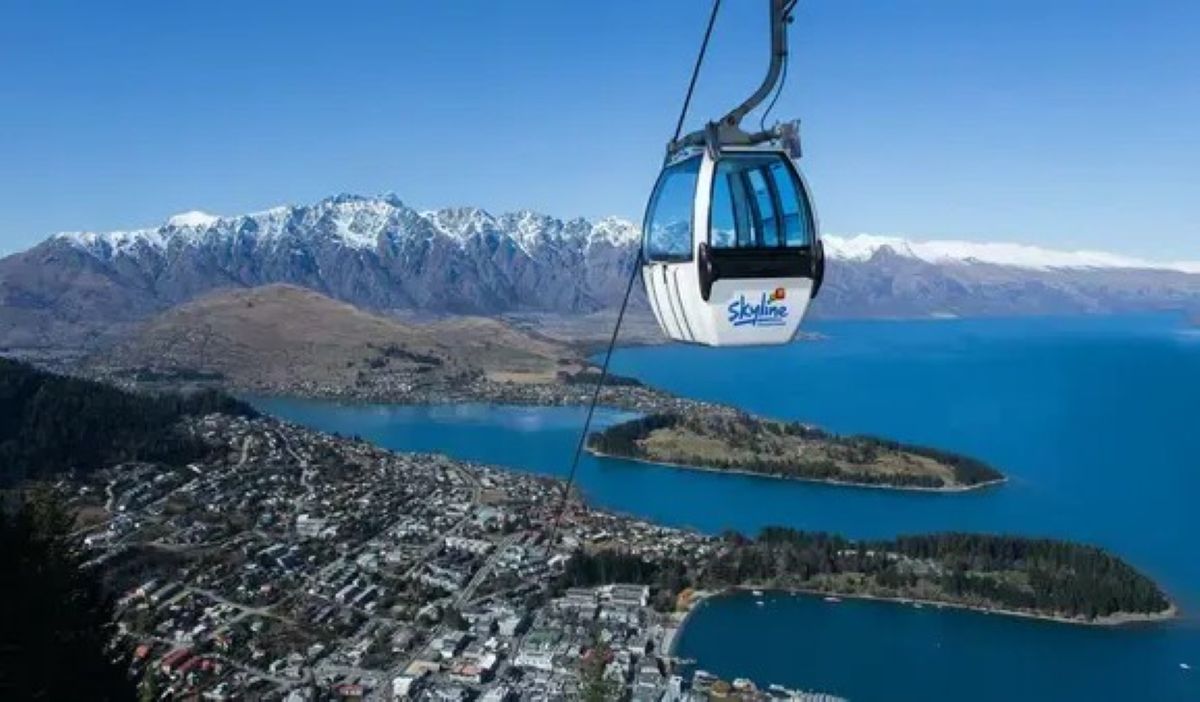
Aotearoa is shouting louder than ever. Experience the wonder as New Zealand has a 59% increase in autumn travel in 2026. Golden valleys, air and peaceful paths are ready, for you. Buy your ticket away to see this time of year come alive.
Why Is The 2026 Autumn Travel Surge Redefining New Zealand Tourism Dynamics in Central Otago and Queenstown?
Advertisement
Advertisement
The stunning autumn season in New Zealand has historically functioned as a quiet bridge between bustling summer adventures and chilly winter sports. However, fresh metrics released by Tourism New Zealand reveal a dramatic upswing, with targeted international forward bookings jumping by up to 59% in key source markets. This staggering shift highlights a wider national tourism recovery, backed by a 9% year-on-year increase that pushed total overseas arrivals to 3.67 million visitors. Travellers are actively bypassing the intense heat and massive crowds of peak summer to experience the golden tranquility of the southern autumn.
This structural pivot relieves high-pressure infrastructure bottlenecks while distributing valuable economic benefits right through local communities. Consequently, the entire national tourism framework is successfully evolving toward sustainable, year-round visitor management in places like Queenstown. Furthermore, the deliberate shift towards shoulder-season travel guarantees that iconic landscapes remain pristine for future generations of global explorers. Local tourism operators have increasingly adapted their service models to accommodate this steady, year-round influx of international guests.
Advertisement
Advertisement
What Key Macro-Environmental Drivers Sparked This Historic Seasonal Boom Across Arrowtown and Wanaka?
A dynamic mix of climate appeal, strategic marketing, and unmatched economic value fuels this remarkable surge across New Zealand. Famous South Island landscapes—particularly Central Otago, Arrowtown, and Wanaka—draw global acclaim for breathtaking autumn foliage that transforms valleys into vibrant tapestries of amber and gold. Simultaneously, aggressive international campaigns by Tourism New Zealand target high-value explorers to hit ambitious targets of 3.9 million arrivals and $14.4 billion in visitor spend. Visitors seize this golden window to secure superior availability and attractive pricing on luxury lodges, self-drive itineraries, and eco-tours, completely avoiding peak-season price inflation.
Advertisement
Advertisement
Travellers frequently express profound admiration for the cooler, crisp weather conditions that make outdoor exploration exceptionally comfortable and deeply rewarding. This seasonal transition offers an ideal climate for long scenic hikes, wine-tasting excursions, and leisurely road trips without the typical discomfort of summer heatwaves. As a result, visitor satisfaction metrics have risen dramatically across major regional hubs throughout the South Island.
How Are Regional Economies And Communities Benefiting From The Influx In Hawke’s Bay and Marlborough?
Advertisement
Advertisement
The Ministry of Business, Innovation and Employment (MBIE) highlights through its Monthly Regional Tourism Estimates how this seasonal wave stabilizes local operators. Unlike summer travel, which frequently concentrates heavily in major gateway cities like Auckland or marquee adventure hubs like Queenstown, autumn explorers favor leisurely road trips traversing both the North and South Islands. Secondary destinations celebrated for world-class wine harvesting such as Hawke’s Bay and Marlborough experience peak vitality as harvest festivals align with the seasonal visitor influx. This harmonious alignment supercharges high-yield culinary tourism while supporting small businesses well beyond the traditional summer peak.
Regional councils and local business associations report record-breaking revenues from agritourism, boutique accommodations, and artisanal food markets during these shoulder months. This continuous economic activity ensures year-round employment stability for hospitality staff who previously faced seasonal unemployment gaps. Consequently, communities across both islands are experiencing a resilient and balanced economic renaissance.
How Direct Flight Connectivity and Airline Seat Capacities Accelerate the 2026 Autumn Influx Across Auckland and Christchurch
International seat capacity across key trans-Tasman and long-haul flight paths into Auckland Airport and Christchurch International Airport expanded by 14% heading into the 2026 shoulder seasons. This critical aviation scaling significantly lowered entry friction for global vacationers seeking authentic off-peak experiences. Major carriers strategically deployed additional aircraft frequencies from international hubs like Sydney, Melbourne, Singapore, and Los Angeles to match growing interest in March-to-May travel. Consequently, multi-destination New Zealand itineraries became exceptionally accessible and financially viable for long-haul visitors.
Advertisement
Advertisement
Travelers capitalized on these expanded transit networks to bypass the logistical hurdles traditionally associated with peak holiday planning. Airlines reported robust load factors as passengers embraced the seamless connections into both major gateway cities. This direct transit availability directly catalyzed the unprecedented 59% autumn travel surge across Aotearoa.
What Role Do Accommodation Booking Trends and Length-of-Stay Metrics Play in Regional Yields Across Queenstown and Wellington?
The average length of stay for international visitors during the autumn window lengthened to 19.4 days, up markedly from 16.5 days during pre-pandemic travel eras. Concurrently, regional boutique lodge bookings climbed by 42% as holidaymakers embraced slow travel principles. Autumn travelers are no longer just passing through brief sightseeing stops, instead leveraging remote work flexibility and comprehensive self-drive packages to linger longer across diverse regions.
This extended footprint significantly boosts local guest-nights across secondary accommodation providers rather than concentrating solely on primary metropolitan hotels. Properties throughout Queenstown, Wellington, and rural alpine towns report steady occupancy through what was once considered a dormant transition period. Local hospitality networks thrive as tourists unpack for multi-week itineraries, cementing long-term economic stability.
In What Ways Is Sustainable Tourism and Carbon-Conscious Travel Reshaping Autumn Itineraries Across Fiordland and Wanaka?
Over 68% of inbound autumn visitors actively sought out Qualmark-accredited sustainable operators, ecotours, and low-emission vehicle rentals throughout their journeys. This shift highlights a profound demographic evolution toward eco-conscious exploration and low-impact vacationing. Pristine regions like Fiordland, Mount Cook/Aoraki, and Wanaka leveraged this clear trend to market conservation-aligned activities effectively.
Advertisement
Advertisement
Tour operators collaborated closely with environmental authorities to protect fragile ecosystems from over-tourism while sustaining high economic yields. Visitors eagerly participated in guided regenerative projects, tree-planting initiatives, and wildlife preservation tours. This conscientious approach ensures that the massive seasonal influx preserves the breathtaking natural heritage of New Zealand for future generations.
How Do Currency Exchange Fluctuations and Purchasing Power Parity Drive Long-Haul Bookings Across New Zealand?
Favorable exchange rate variations for holders of the US Dollar, Australian Dollar, and British Pound against the New Zealand Dollar yielded an effective 8% to 12% purchasing power advantage during the booking window. This strong economic macro-factor positioned New Zealand as an exceptionally attractive value proposition for international tourists. Global vacationers realized that their travel budgets stretched considerably further during the shoulder months compared to previous peak seasons.
Visitors enthusiastically redirected these savings into high-end experiences, luxury dining, and guided eco-adventures. Premium tourism operators experienced record autumn demand because travelers found these offerings significantly more cost-effective outside standard summer pricing structures. Financial accessibility thus emerged as a core pillar supporting the nationwide tourism boom.
What Impact Do Indigenous Tourism and Cultural Autumn Festivals Have on High-Value Yields Across Rotorua and Northland?
Cultural and heritage tourism expenditure grew by 21% year-on-year through the March-to-May period, heavily supported by regional events celebrating indigenous harvest traditions and local arts. Inbound travelers increasingly sought deep, authentic cultural immersions rather than standard surface-level sightseeing. Vibrant regional festivals in Rotorua, Northland, and the Central North Island aligned perfectly with the autumn calendar to showcase traditional storytelling, culinary arts, and intricate carving heritage.
Advertisement
Advertisement
These immersive cultural engagements encouraged travelers to invest in premium guided experiences led by indigenous custodians. Local communities retained a larger share of tourism revenue, fostering community-led economic empowerment. The seamless blending of seasonal harvest celebrations with rich Māori heritage redefined the value proposition of visiting New Zealand.
How Are Digital Nomad Trends and Work-From-Anywhere Policies Extending the Shoulder Season Across Tauranga and Wellington?
Digital nomad and extended-stay remote worker visas contributed to an estimated 15% bump in medium-term rentals across Wellington, Tauranga, and Queenstown during the autumn months. This modern evolution of the bleisure traveler highlights how flexible corporate policies allow professionals to relocate temporarily to New Zealand. Remote workers settled into scenic regions for weeks at a time, enjoying mild autumn climates and high-speed regional digital connectivity.
This growing demographic successfully sustained local off-peak service economies, cafes, and co-working spaces. Communities that traditionally faced sharp seasonal revenue drops enjoyed consistent patronage from working professionals. The blending of career continuity with scenic alpine living transformed autumn into a vibrant, productive season.
What Infrastructure Investments and Regional Transport Upgrades Support the 59% Surge Across Alpine Highways?
The Ministry of Business, Innovation and Employment reported over $150 million injected directly into regional tourism infrastructure projects leading up to 2026. These targeted funds upgraded regional cycling trails, expanded EV charging networks along remote alpine corridors, and improved conservation site amenities. Government and council investments successfully prevented the gridlock and infrastructure strain typically associated with sudden tourism spikes.
Advertisement
Advertisement
Upgraded road safety campaigns, expanded electric vehicle charging stations, and meticulously maintained Department of Conservation tracks ensured smooth transit for road-tripping visitors. Travelers navigated the country safely and efficiently, enjoying pristine environment access without logistical friction. Robust public investment thus laid the groundwork for flawless visitor experiences.
How Does the Synchronisation of the Wine Harvest and Culinary Tourism Drive Regional Prosperity Across Marlborough and Hawke’s Bay?
Cellar door visits and wine-tourism revenue in regions like Marlborough, Central Otago, and Hawke’s Bay spiked by an impressive 33% during the peak autumn grape-picking months. This boom connected the seasonal grape harvest directly to the broader national tourism surge, creating an unforgettable culinary ecosystem. Visitors indulged in specialized wine-tasting packages and artisan food trails that anchored their entire South and North Island itineraries.
Secondary wine regions evolved rapidly into world-class gastronomic hotspots, welcoming food enthusiasts eager to taste world-renowned vintages straight from the source. This culinary magnetism kept travelers exploring deep into the countryside long after the traditional summer crowds had departed. Regional economies celebrated record autumn yields, proving that harvest-aligned tourism is a masterclass in destination marketing.
The Final Verdict
As golden leaves blanket Aotearoa and autumn whispers through the valleys surge in travel of 59 percent becomes more than a number. Surge in travel acts as a heartbeat that revives local communities. Cooler climates, foliage and dedicated regional marketing drive surge in travel. Surge in travel has raised annual visitor arrivals to 3.67 million. Surge in travel brings life into local economies. Surge in travel shows when travelers embrace the magic of the shoulder season travelers forge a deeper connection with the land. Surge in travel shows deeper connection helps secure lasting resilience, for New Zealand.
Advertisement
Advertisement
Frequently Asked Questions
- What caused the massive autumn travel surge in New Zealand for 2026?
The surge is driven by a combination of ideal cooler climates, stunning golden foliage across regions like Central Otago, and strategic shoulder-season campaigns by Tourism New Zealand.
- How much did international visitor arrivals grow?
According to official data, annual international visitor arrivals grew by 9% to reach 3.67 million.
- Which regions benefit the most from autumn tourism?
Secondary wine and lifestyle regions like Marlborough, Hawke’s Bay, Arrowtown, and Wanaka experience substantial economic boosts from culinary and scenic road-trip travellers.
Advertisement
