
Singapore Links Changi Biometrics With Sentosa’s Push for Greener Tourism

Published
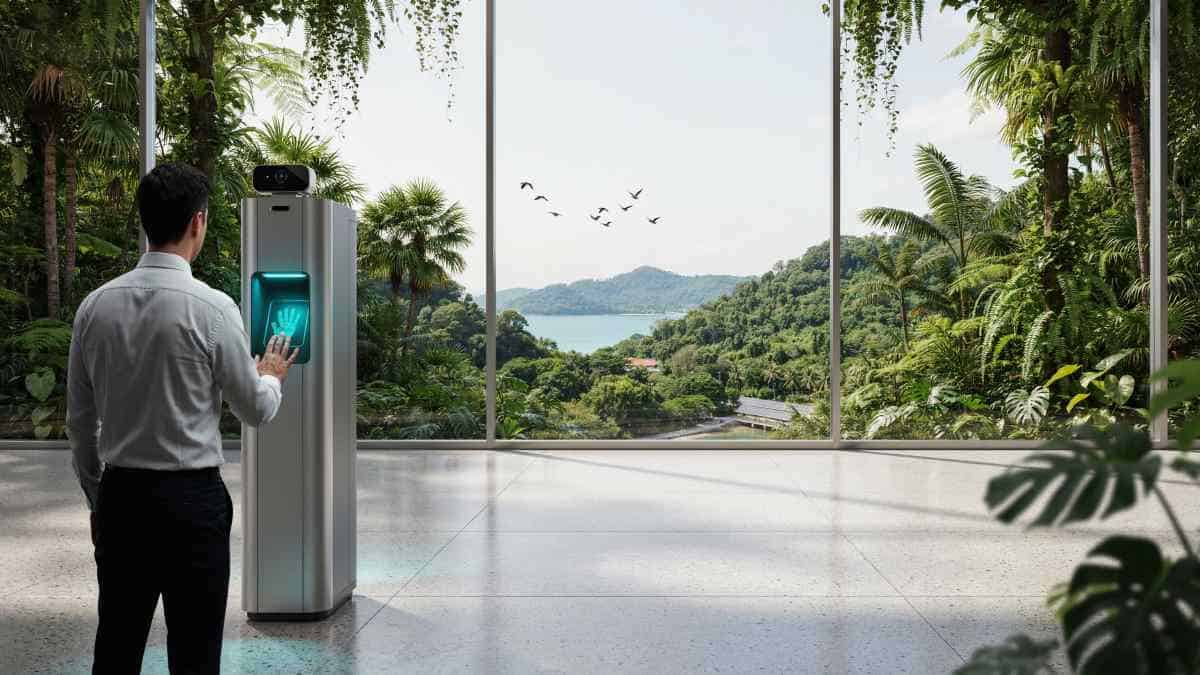
Singapore is combining the two principal elements of its tourism policy – seamless digital travel through Changi Airport and a sustainable tourism program at Sentosa. In other words, there is a developing model where the airport trip, technology usage, transportation, and destination management are more and more intertwined. However, there is no supporting statement concerning the creation of the “Green Passenger Pathway”, where passengers using the SAF-approved flights at Changi can access their biometric information and use autonomous electric shuttles to get to the carbon-neutral Sentosa resort area. What has been confirmed officially by Singaporean authorities is that there is an active expansion of biometric clearance at Changi, a sustainable aviation fuel initiative, and the Sentosa 2030 sustainable development plan.
Changi Makes Biometric Travel the New Normal
Advertisement
Advertisement
Singapore has already made major progress in removing physical friction from the airport journey.
Since May 2024, foreign visitors arriving in Singapore have been able to use automated immigration lanes without prior enrolment. Singapore’s Immigration and Checkpoints Authority says token-less clearance using facial and iris biometrics has also been fully implemented at Changi Airport.
Advertisement
Advertisement
The system means eligible travellers can move through immigration without repeatedly presenting a physical passport.
The scale is substantial. ICA reported that nearly 127 million travellers cleared immigration without producing their passports in 2025, representing a 270.2% increase from 2024.
Advertisement
Advertisement
For international tourism, that creates an important foundation for more connected digital travel experiences.
The Airport Is Also Becoming Part of Singapore’s Climate Strategy
The sustainability component begins before passengers reach Sentosa.
Singapore is developing a national Sustainable Aviation Fuel framework, with a 1% SAF uplift target beginning in 2027 and a planned increase to between 3% and 5% by 2030, depending on global developments and SAF availability.
In September 2026, the Civil Aviation Authority of Singapore confirmed that its SAF levy will apply to flights departing Singapore from January 2027, with tickets and services sold from October 2026 subject to the new levy. Funds will support SAF procurement and related environmental attributes.
This does not mean that passengers arriving on an SAF-powered flight automatically receive a special low-carbon ground transfer.
Advertisement
Advertisement
Instead, Singapore is developing separate pieces of a larger aviation and tourism decarbonisation system.
Sentosa Has Its Own Carbon-Neutrality Roadmap
On the destination side, Sentosa has established a clear sustainability target.
Sentosa Development Corporation says the island is working toward carbon neutrality by 2030 while also seeking recognition as a globally recognised sustainable tourism destination. The organisation received the Global Sustainable Tourism Council Destination certification in 2022.
Its Sustainable Sentosa Framework covers areas including decarbonisation, resource management, biodiversity, climate resilience and sustainable tourism.
The approach is particularly relevant because Sentosa is not a small resort complex. The island covers approximately 500 hectares and contains hotels, attractions, beaches, nature areas, restaurants, residences and entertainment facilities.
Advertisement
Advertisement
That makes transportation and visitor movement an important part of the island’s overall environmental footprint.
Smart Sentosa Adds the Digital Layer
Technology is another major part of the destination strategy.
Sentosa’s Smart Sentosa programme is designed to test and introduce technologies that can improve visitor experiences and operational efficiency. The organisation describes the island as a test bed for collaborations with public and private-sector partners.
The MySentosa ecosystem already incorporates digital itinerary planning, navigation and visitor information.
This creates the foundation for more integrated travel experiences in the future, where digital identity, transport information, attraction access and destination services can potentially interact through connected platforms.
Advertisement
Advertisement
For visitors, the objective is simple: fewer disconnected steps between arriving in Singapore and reaching the destination.
Electric Mobility Remains an Important Piece
The transition to lower-carbon ground transport is particularly relevant for an island destination such as Sentosa.
Electric vehicles can reduce tailpipe emissions within the destination, although their overall climate impact depends on electricity generation, vehicle production and operating patterns.
Sentosa Development Corporation says it is working with island partners on decarbonisation initiatives and testing new solutions as part of its broader climate strategy.
The organisation is also working toward reducing energy intensity and greenhouse gas emissions across the island.
Advertisement
Advertisement
That makes electric mobility a logical component of the wider strategy, even though the currently available official material does not establish a new airport-to-Sentosa autonomous shuttle corridor of the kind described in the brief.
Greater Sentosa Raises the Stakes
The sustainability challenge will become more significant as Sentosa expands.
In July 2026, Sentosa Development Corporation unveiled the next stage of its Greater Sentosa Master Plan, which will bring Brani into the wider destination and create new attractions, hotels, public spaces and leisure experiences over the coming decades.
The plan is intended to expand the island’s tourism offer while incorporating sustainability into the development process.
That creates an opportunity to design transport infrastructure around lower-emission mobility from the beginning rather than retrofitting systems later.
Advertisement
Advertisement
The island’s future transport network will therefore be increasingly important to how Singapore balances visitor growth with its environmental ambitions.
A More Connected Tourism Journey
The bigger story is not one single corridor.
It is the convergence of several systems that are already being developed independently.
Changi is making biometric immigration clearance increasingly routine. Singapore is establishing a national framework for SAF. Sentosa is pursuing carbon neutrality and sustainable destination certification. Smart Sentosa is testing digital technologies designed to improve visitor movement and services.
Together, these initiatives point toward a tourism experience where digital convenience and environmental management become increasingly interconnected.
Advertisement
Advertisement
For travellers, the change may eventually be visible in simple ways: biometric airport clearance, cleaner transport, smarter navigation, digitally connected destination services and more sustainability-focused hotels and attractions.
What Visitors Can Expect
Changi Airport still serves as Singapore’s main international airport, and Sentosa is easy to access from downtown Singapore through roads, public transport and the Sentosa Express. Tourists have the ability to use Singapore’s extensive public transport network to get to Sentosa Island, with the local transport network extending further to the various attractions and resorts on Sentosa Island. Given the fact that Sentosa’s sustainability program requires that all future developments be carried out based on environmental factors such as energy, waste, biodiversity and mobility, the development of the next phase on Sentosa Island may present a crucial case study for managing increasing tourist numbers in an environmentally conscious manner. The future of Singapore is therefore not about any futuristic transport system but about integrating aviation and airports, tourism and sustainability into one.
Advertisement
