Image generated with Ai
AstaGuru marks its Singapore debut with a new gallery, bringing Indian art closer to Asian collectors while opening a fresh chapter in its Southeast Asia expansion and cultural outreach.
AstaGuru has taken a significant step into Southeast Asia with the opening of its new Singapore office and gallery at Winsland House II. The debut follows a private launch gathering at METT Singapore on 27 August, where collectors, artists and cultural figures explored a selection of Indian art. The move matters because Singapore is a major regional centre for wealth, culture and collecting. AstaGuru now has a permanent setting to meet collectors, present artworks and develop relationships. Moreover, its inaugural Modern and Contemporary Indian art exhibition gives visitors a direct look at works spanning seven decades of Indian artistic expression and changing visual ideas.
Advertisement
AstaGuru has formally entered Singapore with the opening of a new office and gallery at Winsland House II, giving the Indian auction house a permanent base from which to deepen relationships with collectors, artists and cultural communities across Southeast Asia.
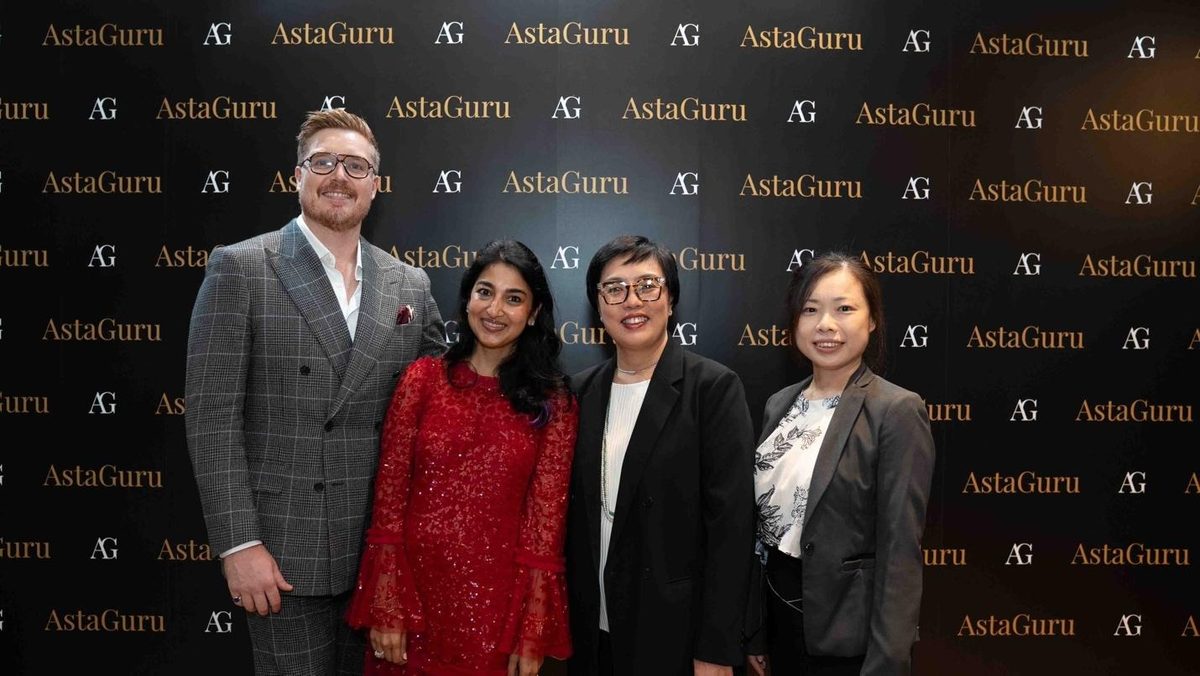
The Singapore debut follows an intimate launch gathering held on 27 August at METT Singapore. The event brought together collectors, artists and cultural figures for an evening centred on Indian art, conversation and discovery.
Advertisement
Advertisement
The new space represents more than a geographical expansion for AstaGuru. It provides the auction house with a physical setting where collectors can view works, discuss potential acquisitions, explore provenance and gain a closer understanding of the artists and cultural histories behind important pieces.
AstaGuru’s decision to establish itself in Singapore reflects the city’s wider role in Asia’s art, luxury and wealth ecosystem. For international collectors, the city provides access to a sophisticated cultural environment and a diverse regional audience.
For AstaGuru, the location offers an opportunity to engage more directly with collectors who may already have an interest in Indian art or are looking to broaden their collections.
Aparna Batra, Chief Business Officer, AstaGuru, described Singapore as a natural next step for the company. She said the city is an important hub for collectors across Asia, particularly those with an appreciation for art, luxury and cultural heritage.
Advertisement
Advertisement
Batra also highlighted the response at the opening, noting the curiosity surrounding Indian art and the willingness of Singapore’s collectors to consider it within a broader international collecting landscape.
That interest could prove important as Indian art continues to attract attention beyond the country’s traditional collecting centres. AstaGuru’s Singapore presence allows the company to build those conversations locally rather than relying solely on auction events or meetings in other markets.
The Winsland House II gallery is intended to complement AstaGuru’s established auction business. Rather than functioning only as a venue for displaying works, the space will support a more personalised approach to collecting.
Visitors will be able to access curated previews and consultations while attending intimate gatherings involving collectors, artists and connoisseurs. This format gives potential buyers more room to examine individual works and understand their context before making collecting decisions.
The emphasis on provenance is particularly relevant to the high-value art market. A painting’s significance is shaped not only by its visual appeal but also by its artist, date, condition, ownership history, cultural relevance and place within the wider development of an artist’s practice.
By creating a dedicated Singapore location, AstaGuru can bring these elements together in a more direct setting.
Jillian Kwan, Managing Director, AstaGuru Singapore, said the company experienced an immediate connection with Singapore’s collectors during the launch. She pointed to their curiosity, excitement and openness towards Indian art as encouraging signs for the new operation.
The comments underline an important objective for the Singapore gallery: developing long-term relationships rather than treating the market simply as another destination for occasional sales.
Following the launch gathering, AstaGuru Singapore is presenting its inaugural exhibition of Modern and Contemporary Indian art at the Winsland House II gallery.
The exhibition remains on view through 23 October 2026 and covers a period stretching from the 1950s to the 2020s. It brings together works representing different generations, artistic approaches and interpretations of modern Indian identity.
Among the highlights is S.H. Raza’s Hide & Seek, created in 1963. Raza is recognised as one of the leading figures associated with India’s modernist movement, and his work is closely connected with the development of abstraction in Indian art.
The exhibition also includes works by M.F. Husain, including Untitled (Woman) and Mother Teresa. Husain’s distinctive visual language and recurring engagement with Indian social, cultural and mythological themes have made his work an important part of the country’s modern art history.
His equine bronzes are also represented, extending the presentation beyond paintings and demonstrating the range of his artistic practice.
Krishen Khanna features through works including Evening News and Untitled (Triptych). Khanna’s work is widely associated with narrative painting and observations of social life, giving the exhibition another perspective on the relationship between art and everyday experience.
The presentation also reaches into more recent Indian art through Thota Vaikuntam’s Untitled from 2022.
Together, these works create a cross-generational view of Indian artistic practice. Abstraction, figuration, narrative and cultural identity appear alongside one another, allowing visitors to see how artistic ideas have evolved while continuing to engage with questions of heritage and contemporary life.
One of the strongest aspects of the exhibition is its breadth. Instead of presenting Indian modernism as a single historical movement, the selection places artists from different periods within the same collecting environment.
The result is a visual conversation between established masters and works from more recent decades.
For international audiences, that approach can be particularly useful. Indian art encompasses numerous regional traditions, artistic philosophies and modern interpretations, and a carefully curated exhibition can provide an accessible starting point for collectors unfamiliar with the market.
The Singapore presentation therefore serves both an exhibition purpose and an educational one. It allows visitors to encounter individual artists while also considering the broader trajectory of Indian art from the post-independence era to the present.
Singapore becomes another important point in AstaGuru’s international network, adding to its presence in Mumbai and London.
The new operation is expected to strengthen the auction house’s engagement with collectors and consignors throughout Southeast Asia. It also creates opportunities to identify and source significant works across several categories, including Indian art, jewellery, timepieces and collectibles.
For collectors, this wider network can make access to specialised inventory more convenient. For consignors, it provides another channel through which important objects can reach an international audience.
The move also gives AstaGuru an opportunity to understand regional collecting preferences more closely. Southeast Asia includes a diverse group of markets, and Singapore’s international character makes it a logical starting point for developing wider regional relationships.
At the heart of AstaGuru’s Singapore strategy is the ambition to build a broader community around collecting.
The company is positioning the gallery as a place where people can engage with art and objects beyond the transaction itself. Conversations about craftsmanship, provenance, cultural history and artistic influence can add depth to the collecting experience.
That approach is increasingly relevant to collectors who want to understand the story behind an object as much as its financial or aesthetic value.
The Singapore gallery can also provide a setting for future previews, private meetings and cultural programmes. Such activity could help AstaGuru strengthen its visibility among established collectors while introducing Indian art to people who may be encountering the market for the first time.
AstaGuru’s Singapore expansion comes at a time when international collecting is becoming increasingly connected. Collectors can discover artists in one market, purchase works through another and build collections that cross national and cultural boundaries.
In that environment, physical presence remains valuable. A dedicated gallery allows an auction house to offer a more personal experience and establish trust through direct interaction.
For AstaGuru, Singapore provides both a regional gateway and a platform for presenting Indian art within an international setting.
The inaugural exhibition reinforces that strategy. By bringing works from the 1950s through the 2020s to Singapore, the company is presenting Indian art not as a niche regional category, but as part of a wider global collecting conversation.
The long-term success of the new operation will depend on how effectively AstaGuru converts initial curiosity into sustained relationships with collectors, artists and consignors. However, the opening gives the company a clear foundation from which to do so.
“ AstaGuru’s Singapore debut is a strategically important development for India’s art and cultural economy. The new gallery gives Southeast Asian collectors a closer, more personal route into India’s remarkable modern and contemporary art heritage. Its location also creates space for meaningful conversations around provenance, craftsmanship, cultural identity and collecting. The inaugural exhibition is particularly compelling because it connects generations of Indian artists and demonstrates the depth and diversity of the country’s creative landscape. This expansion can strengthen cultural links between India and Southeast Asia while opening new opportunities for collectors. We see the move as a positive step towards making Indian art more globally accessible,” said Anup Kumar Keshan, Founder and Editor-in-Chief, Travel And Tour World.
With its Winsland House II gallery, AstaGuru is now positioned to bring Indian art closer to Southeast Asian audiences while strengthening the links between India’s artistic heritage and the region’s international collecting community.
AstaGuru’s Singapore debut marks a strategic expansion for the Indian auction house. Its new Winsland House II gallery creates a permanent meeting point for collectors, artists and cultural audiences. The inaugural Modern and Contemporary Indian art exhibition, running through 23 October 2026, provides an immediate showcase of India’s artistic depth, from S.H. Raza and M.F. Husain to Krishen Khanna and Thota Vaikuntam. Meanwhile, the Singapore base can help AstaGuru develop stronger relationships across Southeast Asia and source important works, jewellery, timepieces and collectibles. Ultimately, the expansion connects Indian artistic heritage with an increasingly international network of collectors and cultural enthusiasts.
The cause behind AstaGuru’s Singapore move is the city’s importance as an Asian centre for collectors, wealth and cultural exchange. The answer is a permanent gallery that can offer direct access to Indian art and more personalised engagement. The reason is straightforward: physical presence can turn market curiosity into lasting relationships with collectors and consignors. Winsland House II provides the setting for consultations, previews and private gatherings, while the inaugural exhibition gives the new operation immediate cultural substance. By combining commercial access with education and conversation, AstaGuru can introduce more Southeast Asian audiences to India’s modern and contemporary artistic heritage.
Advertisement
Advertisement
Advertisement












Wednesday, September 2, 2026

Wednesday, September 2, 2026

Wednesday, September 2, 2026

Wednesday, September 2, 2026

Wednesday, September 2, 2026

Tuesday, September 1, 2026

Wednesday, September 2, 2026

Wednesday, September 2, 2026