
United States Air Travel Faces Major Shift as Frontier JFK Exit Highlights Changing Airline Networks

Updated
Published
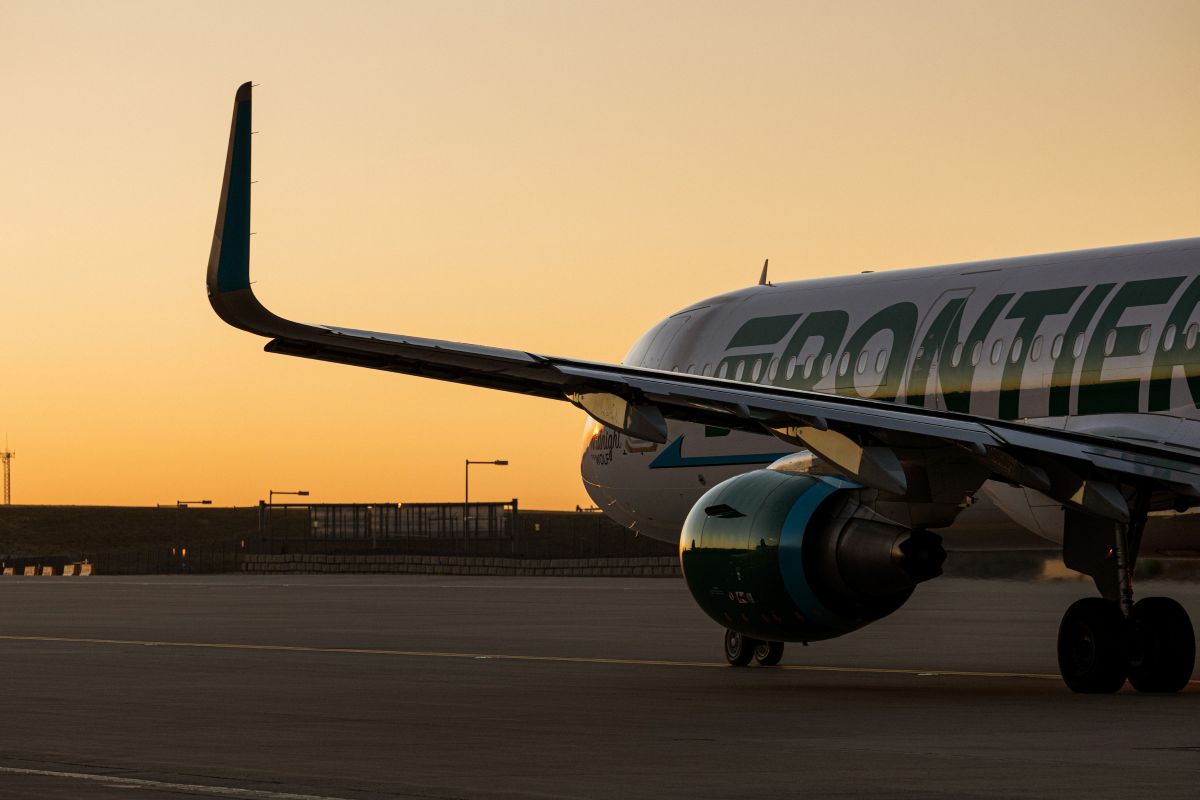
United States Air Travel Faces Major Shift as Frontier JFK Exit Highlights Changing Airline Networks across the aviation sector. The change comes as carriers adjust routes, airport operations and service strategies to match evolving passenger demand. Frontier JFK Exit highlights how Changing Airline Networks can influence traveller choices, airport competition and tourism connectivity. United States Air Travel continues adapting as airlines focus on efficient operations and stronger routes. The shift creates new considerations for leisure travellers, business passengers and tourism destinations. As airlines reshape networks, travellers must explore flexible options to find convenient and reliable journeys.
US Airline Industry Enters a New Phase as Carriers Reshape Networks
The United States airline industry is experiencing a period of network transformation as carriers adjust routes, airport operations and service strategies to match changing passenger demand. These changes are influencing how travellers plan domestic and international journeys, especially for leisure trips, business travel and tourism connections.
Advertisement
Advertisement
Airline network adjustments are becoming an important factor for destinations, airports and travellers as carriers review their operations and focus on routes with stronger demand. The changes highlight the evolving relationship between aviation connectivity and tourism growth across the United States.
Frontier Airlines Ends Service at New York JFK Airport
Frontier Airlines is ending its operations at New York’s John F. Kennedy International Airport (JFK), marking a shift in the airline’s airport strategy. The carrier began JFK service as part of its expansion into New York’s aviation market but has decided to discontinue operations at the airport.
Advertisement
Advertisement
The decision represents a change in traveller options at one of the world’s busiest international aviation gateways. While Frontier will no longer operate from JFK, the airline continues serving other airports in the New York region, including Newark Liberty International Airport and LaGuardia Airport.
Advertisement
Advertisement
For travellers, this means passengers using Frontier for New York travel will need to consider alternative airports and routes when planning future journeys.
Airport Competition Continues to Shape Traveller Connectivity
New York’s aviation market is supported by multiple airports, including JFK, LaGuardia and Newark. These airports provide access to domestic destinations, international markets and major tourism regions.
Changes in airline operations at individual airports reflect broader industry trends where carriers continuously evaluate route performance, operational costs and passenger demand.
Advertisement
Advertisement
For tourism, airport connectivity plays a major role in destination accessibility. Changes in airline schedules can influence how easily visitors reach cities, attractions and regional destinations.
Travellers planning trips through New York will continue to have multiple airline options, but route adjustments may require more flexibility when selecting flights.
Advertisement
Advertisement
Low-Cost Airline Changes Influence Budget Travel Options
Low-cost carriers have played an important role in expanding affordable air travel opportunities across the United States. Airlines in this segment often connect travellers with leisure destinations through competitive fares and flexible route networks.
As airlines adjust their operations, budget travellers may see changes in available routes, airport choices and flight schedules.
For domestic tourism, affordable air connectivity remains important because it supports travel between major cities, vacation destinations and regional attractions.
Travellers may increasingly compare different airports, airlines and schedules to find the most convenient and cost-effective options.
US Tourism Connectivity Depends on Strong Air Networks
Air connectivity remains a key foundation for tourism growth in the United States. Airports and airlines support visitor movement by linking major tourism markets with destinations across the country.
Advertisement
Advertisement
Cities such as New York rely heavily on aviation networks to welcome domestic and international travellers. Changes in airline operations demonstrate how the aviation sector continues adapting to new travel patterns.
For tourism stakeholders, maintaining strong connectivity remains essential for supporting visitor arrivals, business travel and leisure tourism.
Future Air Travel Will Focus on Flexible and Efficient Networks
US airline industry is expected to continue evolving as carriers balance passenger demand, airport capacity and operational priorities. Route changes, airport shifts and network adjustments will remain part of how airlines respond to market conditions.
For travellers, these developments highlight the importance of checking updated flight schedules and considering different airport options when planning trips.
As airlines continue reshaping their networks, the future of US tourism connectivity will depend on flexible aviation strategies that support convenient, reliable and accessible travel experiences.
Advertisement
Advertisement
United States Air Travel Faces Major Shift as Frontier JFK Exit Highlights Changing Airline Networks because airlines are transforming routes and airport strategies to meet new travel demands. The Frontier JFK Exit shows how Changing Airline Networks can reshape passenger choices and connectivity. United States Air Travel will continue evolving as carriers review airport operations, capacity and destination links. These changes affect travellers, tourism businesses and airports by influencing accessibility and flight options. As the aviation industry enters a new phase, flexible networks and efficient services will become essential for supporting future tourism growth and reliable travel experiences.
Image: Frontier Airlines
Advertisement
