
Seattle Goes Head-to-Head with Bellingham, Bend and Boise as Accommodation Costs Test America’s Smaller-City Boom

Published
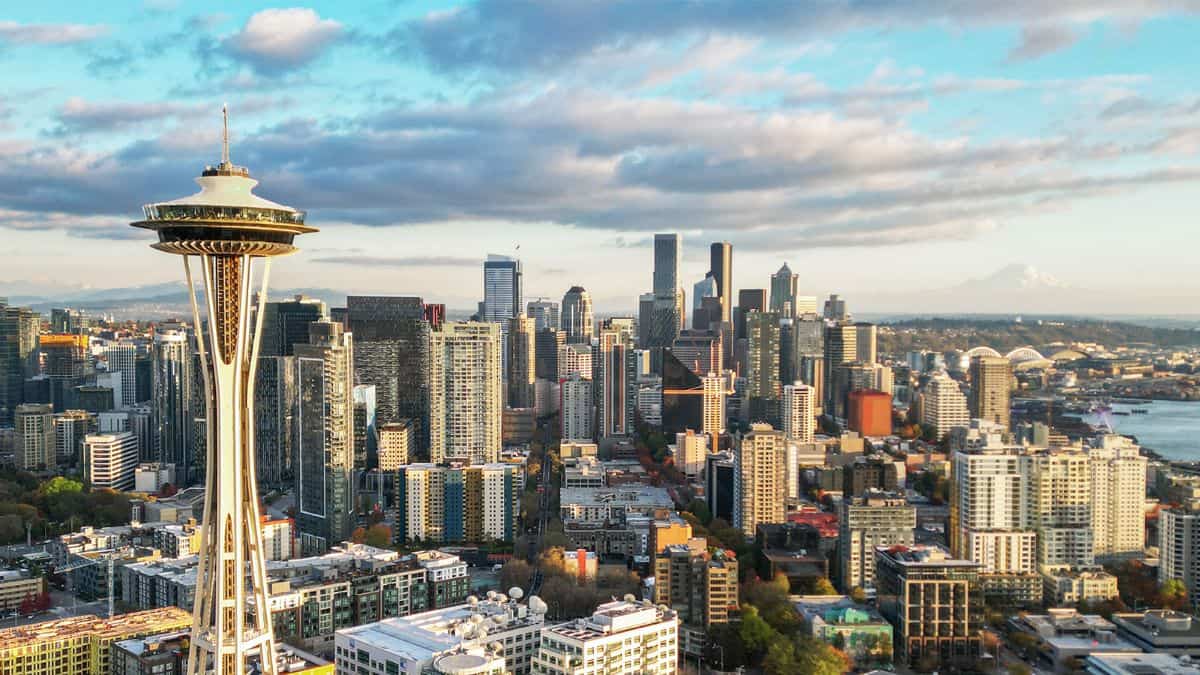
America’s travel map may be changing as visitors seek distinctive experiences beyond established metropolitan destinations. Yet the latest tourism figures offer a more nuanced picture than a straightforward shift towards smaller cities. Seattle and King County welcomed 39.7 million visitors in 2025, down 0.6% year on year, while Whatcom County recorded $772.8 million in visitor spending, down 0.4%. Bend’s visitor spending remained virtually unchanged at $366.5 million in 2024. Meanwhile, Airbnb’s 2026 summer research points to growing interest in nearby escapes and activity-led holidays. The question is whether overnight demand, accommodation prices and outdoor experiences explain where travellers choose to spend their next holiday.
Why Travellers Are Looking Beyond Familiar Destinations
The appeal of a holiday no longer rests solely on a famous skyline, landmark attraction or established tourism district. Increasingly, the experience itself can shape destination choice, from cycling beside a river to exploring mountain trails or kayaking along a rugged coastline.
Airbnb’s May 2026 summer travel research identified short-haul activity-led trips, rural retreats and familiar destinations experiencing renewed interest. Its US findings suggest that proximity and recreational pursuits feature prominently in current travel planning. The company reported that one-third of summer travellers were choosing to stay closer to home, based on its domestic search and booking data.
A separate survey commissioned by Airbnb and conducted by Focaldata in January 2026 questioned 2,000 US adults. It found that 86% expressed interest in rural getaways, rising to 94% among Generation Z respondents. However, expressed interest does not guarantee a booking, and rural escapes are not synonymous with smaller cities.
Advertisement
Advertisement
That distinction matters when comparing Seattle, Bellingham, Bend and Boise. Each offers an urban base with access to outdoor recreation, but their tourism economies operate at different scales. The meaningful test is whether these destinations attract overnight visitors, sustain spending and deliver experiences that justify the journey.
What the Latest Visitor Figures Reveal
Seattle provides the metropolitan benchmark, while Bellingham, Bend and Boise offer different perspectives on regional tourism demand. However, their published statistics use different geographic boundaries and measurement periods. These figures therefore provide context rather than a definitive ranking.
Advertisement
Advertisement
| Destination | Latest verified tourism indicator | Annual comparison |
|---|---|---|
| Seattle and King County | 39.7 million visitors in 2025 | Visitor numbers fell 0.6% |
| Whatcom County, including Bellingham | $772.8 million visitor spending in 2025 | Spending fell 0.4% |
| Bend, Oregon | $366.5 million visitor spending in 2024 | Spending was virtually unchanged |
| Boise region | 1.49 million overnight hotel stays reported by Visit Boise | Comparable annual growth not established |
Seattle’s figures underline the scale of an established tourism economy. Visitors spent $8.8 billion across Seattle and King County in 2025, supporting 68,623 jobs. Nevertheless, visitor spending declined 0.3% from the previous year, demonstrating that a large tourism market can experience modest contraction even while supporting substantial employment.
Whatcom County presents a different pattern. The region recorded approximately 3.49 million visits in 2025, broadly matching its 2024 total. Of these, around 1.46 million involved overnight stays. Although overall visitor spending slipped, the reported daily impact of an overnight travelling party increased from $300 in 2024 to $350 in 2025.
Advertisement
Advertisement
This distinction offers an important industry insight. Visitor volume and visitor value can move in different directions. A destination may welcome similar numbers of people while overnight guests spend more per day. Conversely, stable overall visits can conceal a weakening overnight market if day-trippers account for a greater share.
Bend’s published 2024 economic-impact report recorded $366.5 million in visitor spending, effectively unchanged from 2023. Accommodation spending across hotels, motels and short-term rentals reached approximately $268.4 million, down 0.7%. Meanwhile, food-service spending increased 5% to $88.4 million, suggesting that spending patterns can shift even when total visitor expenditure remains stable.
Boise’s tourism economy also extends beyond leisure holidays. Visit Boise reported 1.49 million overnight hotel stays in its regional hotel data, generating more than $224 million in lodging revenue. The organisation also cited $2.43 billion in direct travel spending across southwestern Idaho in 2023, demonstrating the wider economic significance of travel beyond the city itself.
Hotel Prices Challenge the Affordable Escape Assumption
Smaller destinations do not automatically deliver cheaper holidays. Popular outdoor locations can command substantial room rates during peak periods, particularly when seasonal demand concentrates around weekends, festivals and recreational activities.
Advertisement
Advertisement
Seattle’s 2025 hotel performance illustrates the scale of its accommodation market. The city recorded an average daily room rate of $231, occupancy of 71.8% and revenue per available room of $166. Annual hotel revenue exceeded $992 million, although both occupancy and revenue per available room declined from 2024.
Bend presents a different seasonal profile. Its published 2023–24 lodging report recorded an average annual hotel room rate of approximately $144.36 and average occupancy of 61%. Summer months produced stronger occupancy, while winter brought lower room rates. The annual average therefore conceals meaningful differences between travel seasons.
These figures suggest that Bend may offer lower hotel rates than Seattle under certain conditions. However, the comparison uses different reporting periods and cannot establish the current price difference for a particular trip.
| Accommodation measure | Seattle | Bend |
|---|---|---|
| Average daily room rate | $231 in 2025 | Approximately $144 in 2023–24 |
| Average occupancy | 71.8% in 2025 | Approximately 61% in 2023–24 |
| Revenue per available room | $166 in 2025 | Requires a matched-period comparison |
Bellingham and Boise also require comparable accommodation data before any affordability ranking becomes credible. A robust comparison should examine identical dates, room standards, guest numbers and booking conditions. It should also include taxes, cleaning charges and other mandatory fees wherever applicable.
For travellers, the practical lesson is straightforward. Compare the total cost of a two-night stay rather than the advertised nightly rate. A cheaper room may involve higher transport costs, while a more expensive central hotel could reduce car hire and local travel expenses.
The Real Price of a Two-Night Escape: Which City Delivers Better Value?
Visitor growth alone cannot explain why travellers choose one destination over another. The decisive factor may be what a holiday actually costs once accommodation, transport, meals and activities enter the equation. A true cost of a two-night escape comparison would add a practical dimension to the Seattle versus Bellingham versus Bend versus Boise debate, revealing whether smaller destinations offer genuine savings or simply exchange metropolitan attractions for outdoor experiences.
Advertisement
Advertisement
To ensure a fair comparison, the research should use the same travel dates, departure point and traveller profile across all four destinations. A solo traveller staying in a mid-range hotel for two nights, for example, would provide a consistent benchmark. The calculation should include return transport, accommodation taxes, meals, local transfers and a realistic mix of free and paid activities.
| Cost Component | What the Comparison Should Include |
|---|---|
| Accommodation | Two nights in a comparable mid-range hotel, including taxes and mandatory fees |
| Transport | Return travel from the same origin, plus local transport or car hire where necessary |
| Food and drink | Two days of meals, including breakfast, lunch and dinner |
| Outdoor activities | Trail access, cycling, kayaking or other relevant activities, including equipment hire |
| Paid attractions | One comparable cultural attraction or organised experience |
| Total trip cost | Combined estimated expenditure for the complete two-night stay |
The comparison could expose important differences between the destinations. Seattle may offer extensive public transport and numerous free waterfront experiences, potentially reducing the need for a hire car. Bellingham could appeal to travellers seeking coastal scenery and regional excursions, although ferry journeys or additional driving may increase costs. Bend’s hiking and river activities can provide excellent value, but seasonal accommodation rates and equipment hire may raise the overall bill. Boise offers urban attractions alongside riverfront recreation, giving visitors several ways to balance paid experiences with free outdoor activities.
The analysis should also compare peak-season and shoulder-season prices. This would show whether travelling outside the busiest periods changes the ranking substantially. Actual accommodation quotations and transport fares must support the figures; assumptions should be clearly labelled rather than presented as confirmed prices.
The central finding should identify which city offers the lowest total cost, which delivers the greatest range of experiences for the money, and where paying more may be worthwhile. This would transform the article from a conventional tourism comparison into a practical decision-making guide, helping readers choose a destination according to their budget, interests and preferred style of travel.
Outdoor Experiences Give Each Destination a Different Appeal
The strongest case for these destinations lies in their varied recreational landscapes. Their appeal does not depend on being smaller than Seattle alone. Instead, each combines a recognisable urban identity with access to experiences that can anchor an entire trip.
Seattle Combines City Attractions With Nature
Seattle remains a compelling option for travellers who want cultural attractions without abandoning outdoor activities. Its waterfront, Discovery Park and urban cycling routes offer recreation within the metropolitan area. The wider region also provides access to mountain landscapes, islands and coastal excursions.
Advertisement
Advertisement
Its established air connections, accommodation inventory and cultural attractions give it advantages that smaller destinations cannot automatically replicate. Travellers can combine museums, restaurants and neighbourhood exploration with outdoor excursions during the same visit.
Seattle therefore acts as an important counterexample to the idea that nature-focused travel necessarily favours smaller places. The relevant question is whether travellers value proximity to outdoor activities more than the wider selection of metropolitan experiences.
Bellingham Offers a Coastal Base
Bellingham combines a waterfront setting with access to kayaking, mountain biking and regional landscapes. Its location also makes it a useful base for exploring parts of north-western Washington, including routes towards the San Juan Islands and North Cascades.
The distinction between Bellingham itself and Whatcom County matters when interpreting its tourism figures. Some visitors may stay in the city, while others travel elsewhere within the county. Regional visitor totals cannot establish how many people specifically chose Bellingham as their overnight destination.
Nevertheless, the destination offers a useful model for activity-led travel. Visitors can combine a smaller urban centre with outdoor excursions without committing to a remote rural stay.
Bend Turns Recreation Into a Travel Motive
Bend has a particularly clear outdoor identity, supported by hiking, mountain biking, river recreation and access to the Cascade Mountains. Seasonal activities give travellers reasons to visit at different times of year, although demand can also concentrate during popular summer and winter periods.
Advertisement
Advertisement
Its accommodation figures highlight a crucial commercial consideration. Strong seasonal demand can raise room rates, meaning that a destination’s outdoor appeal does not necessarily translate into a budget holiday.
Bend also demonstrates why tourism management matters. Visit Bend’s 2025 resident-sentiment reporting found that 31% of respondents believed tourism’s benefits outweighed its costs, while the same proportion believed the costs outweighed the benefits. The findings underline the need to balance visitor spending with concerns about traffic, housing affordability, overcrowding and environmental pressure.
Boise Blends Urban Discovery With Outdoor Access
Boise combines cultural attractions, restaurants and historic places with access to the Boise River Greenbelt and foothill trails. This mixture can appeal to travellers who want outdoor activities without sacrificing conventional city amenities.
Its airport also supports wider accessibility. Boise Airport handled more than 5.2 million passengers in 2025, an increase of nearly 5% from 2024. Passenger traffic has grown by almost 76% over the past decade, strengthening the city’s position as a regional travel hub.
However, airport passengers are not equivalent to overnight leisure visitors. The total includes different traveller categories, and the available figures do not isolate those who chose Boise specifically for outdoor recreation.
Search Interest Can Reveal the Next Travel Choice
Search behaviour offers another way to investigate whether travellers are discovering alternatives to established destinations. Google Trends allows researchers to compare the relative popularity of destination names and activity-related queries across selected periods.
Advertisement
Advertisement
A useful analysis would compare five-year search patterns for Seattle, Bellingham, Bend and Boise. A second comparison could examine searches such as “Bend mountain biking”, “Bellingham weekend getaway” and “Boise outdoor activities”. A final set could focus on trip-planning terms, including accommodation and itinerary searches.
Google Trends normalises its results on a scale from zero to 100. A score of 100 represents the highest relative interest within the selected geography and period. It does not represent an absolute number of searches, and different destinations may generate very different total search volumes.
Search interest also needs careful interpretation. A sudden spike could reflect a major event, a viral story, a sporting fixture or an unusual weather pattern. It does not prove that more people booked accommodation or stayed overnight.
No verified, matched Google Trends series is available in the research presented here. Consequently, it would be premature to claim that Bellingham, Bend or Boise is gaining search interest faster than Seattle. The search analysis should support the visitor data, not substitute for it.
What the Tourism Economy Gains From These Trips
Regional tourism creates value beyond hotel receipts. Visitors support restaurants, independent retailers, attractions, transport operators and outdoor recreation businesses. Their spending can also generate tax revenue that helps fund local services and tourism-related infrastructure.
Bend illustrates this broader economic effect. Its 2024 visitor spending included approximately $88.4 million in food-service expenditure, while accommodation-related spending reached about $153.2 million. The figures demonstrate how visitor activity supports multiple business sectors, although they represent different spending categories.
Advertisement
Advertisement
In Boise, Visit Boise reported that tourism supported 17,980 jobs across southwestern Idaho in its 2023 economic-impact data. The organisation also recorded 111,200 room nights associated with meetings, conventions, sports and special events secured through its sales activity in 2025.
These figures show why smaller destinations should not be viewed solely as alternatives to metropolitan tourism. They can serve as independent economic centres, attracting leisure travellers alongside business visitors and event attendees.
Nevertheless, growth brings trade-offs. Increased visitor demand can strain transport networks, intensify pressure on accommodation and place sensitive natural areas under greater use. Destination managers must therefore consider resident sentiment, infrastructure capacity and environmental protection alongside promotional performance.
A Smarter Way to Compare Your Next Escape
For travellers, the most useful destination is the one that matches their priorities rather than the one with the strongest growth headline. Seattle suits those seeking a broad urban experience with outdoor excursions. Bellingham offers a coastal base and regional exploration, while Bend is particularly suited to recreation-led itineraries. Boise provides a balanced mix of city attractions and outdoor access.
Seasonality should shape the decision. Summer can bring strong demand to outdoor destinations, while shoulder-season travel may offer better accommodation availability and a quieter experience. Travellers should check weather conditions, trail access, ferry schedules and local transport before committing to an itinerary.
The following comparison summarises the practical distinctions without implying that any destination has been proven to outperform the others across every measure.
Advertisement
Advertisement
| Destination | Strongest travel proposition | What to check before booking |
|---|---|---|
| Seattle | Urban culture with nearby nature | Hotel prices, event calendars and transport |
| Bellingham | Waterfront activities and regional excursions | Ferry connections, weather and overnight location |
| Bend | Hiking, cycling and seasonal outdoor recreation | Peak-season rates, trail conditions and parking |
| Boise | City attractions with river and foothill access | Flight options, event dates and local transport |
The Evidence Points to More Selective Travel
The available figures do not establish a wholesale movement away from major American destinations. Instead, they show that established markets can soften while regional destinations sustain significant visitor spending and develop distinct travel propositions. Airbnb’s 2026 findings add a timely indication that proximity and activity-led holidays deserve closer examination, but they cannot independently prove a shift in overnight demand.
For the industry, the next step is to compare consistent visitor series, matched accommodation prices and verified search trends. For travellers, the lesson is to weigh experiences, seasonality and total trip costs rather than assuming that smaller automatically means cheaper or less crowded. The more useful question is not whether one city has defeated another. It is which destination offers the right balance of access, experience, value and comfort for the journey being planned.
Advertisement
