
Carnival Corporation Implements Fleetwide Technology Overhaul Aimed at Standardizing Maintenance Data and Enhancing Supply Chain Accuracy Through Artificial Intelligence

Published
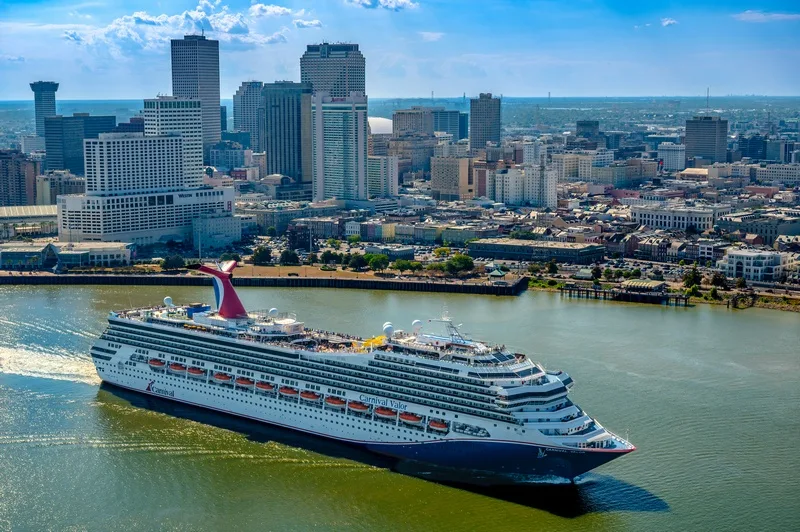
Image generated with Ai
Carnival Corporation is reshaping the way its global cruise operations are managed through a sweeping digital transformation focused on data unification, predictive analytics, and artificial intelligence. The effort is designed to replace fragmented, brand-specific systems with a single, coordinated operational framework that improves efficiency across maintenance, procurement, and supply chain planning.
Operating a large fleet across multiple cruise brands has historically meant dealing with deeply embedded operational differences. Each brand developed its own tools and processes for managing maintenance schedules, tracking inventory, and handling procurement. While effective at a local level, this structure created widespread inconsistencies in data collection and reporting, limiting the ability to analyze performance across the organization as a whole.
Advertisement
Advertisement
To resolve this, a central focus has been placed on standardizing Planned Maintenance Systems (PMS) across the fleet. These systems are responsible for coordinating everything from routine inspections and equipment servicing to spare-parts tracking and compliance-related tasks. In their previous form, differences in terminology, structure, and reporting methods made it difficult to aggregate data or compare performance across ships.
A unified maintenance system is intended to eliminate these barriers by creating consistent data standards and centralized visibility. This includes aligning asset definitions, standardizing maintenance records, and ensuring that all operational inputs follow the same structure. Once fully implemented, this unified system will serve as the backbone for more advanced analytics and automation tools.
Advertisement
Advertisement
Artificial intelligence is being introduced as a key enabler of this next phase. AI-driven models are being used to improve forecasting and planning across multiple operational areas. These include predicting when equipment will require servicing, estimating spare-part demand, and optimizing provisioning for food, beverages, and other onboard supplies based on itinerary patterns and historical consumption data.
Advertisement
Advertisement
By analyzing large volumes of operational data, these systems aim to identify trends that are not easily visible through manual processes. For example, variations in passenger behavior across different regions or seasonal shifts in demand can be used to refine inventory planning and reduce waste. Similarly, predictive maintenance models can help schedule repairs before failures occur, reducing downtime and improving vessel reliability.
However, the effectiveness of these systems is closely tied to the quality of the underlying data. Inconsistent or incomplete information can significantly reduce the accuracy of predictions. As a result, a major part of the transformation effort is focused on improving data governance, ensuring consistency across systems, and strengthening the overall digital infrastructure that supports analytics and AI tools.
Alongside these technological upgrades, the organization is also undergoing a significant operational and cultural transition. Cruise operations have traditionally relied on experienced personnel making decisions based on practical knowledge and onboard experience. The introduction of centralized digital systems represents a shift toward more data-informed decision-making supported by automated insights.
This shift requires careful change management to ensure successful adoption. Training programs, hands-on support, and gradual implementation strategies are being used to help both shipboard and shore-based teams adapt to new ways of working. A key objective is to build confidence in the system by demonstrating that digital tools enhance operational efficiency rather than replace human judgment.
One of the challenges in this transformation is the uneven level of technological readiness across the fleet. Some vessels already operate with advanced digital capabilities, including automated inventory tracking and sensor-based monitoring systems. These ships are better positioned to adopt AI-driven tools quickly. Others, however, still rely on more traditional processes and lack the infrastructure needed to fully support automation.
Advertisement
Advertisement
Because of this disparity, the rollout of new systems is expected to occur in stages. Rather than a single global implementation, the transition will progress gradually, allowing each segment of the organization to move forward based on its readiness. This phased approach helps ensure stability while avoiding disruption to ongoing operations.
Beyond maintenance and inventory, the broader supply chain is also being restructured. Procurement processes are being increasingly linked to real-time operational data, enabling more accurate forecasting and better coordination with suppliers. This shift allows for more efficient purchasing decisions, reduced excess inventory, and improved alignment between supply and actual demand across the fleet.
Over time, these changes are expected to move the organization away from reactive operations toward a more predictive model. Instead of responding to equipment failures or supply shortages after they occur, the system is designed to anticipate these needs in advance and address them proactively. This approach mirrors strategies already used in industries such as aviation and advanced manufacturing, where predictive maintenance and data-driven logistics are standard practice.
Ultimately, the transformation represents a fundamental shift in how large-scale cruise operations are managed. By integrating standardized data systems, AI-powered forecasting, and centralized planning tools, the organization is building a more connected and efficient operational ecosystem. While the transition is complex and requires sustained investment in technology and training, it is expected to deliver long-term gains in reliability, cost control, and operational performance across the global fleet.
Advertisement
