
Kerten Hospitality CFO Aman Malhotra Discusses Lifestyle Assets and Branded Residences at FHS Dubai
Published
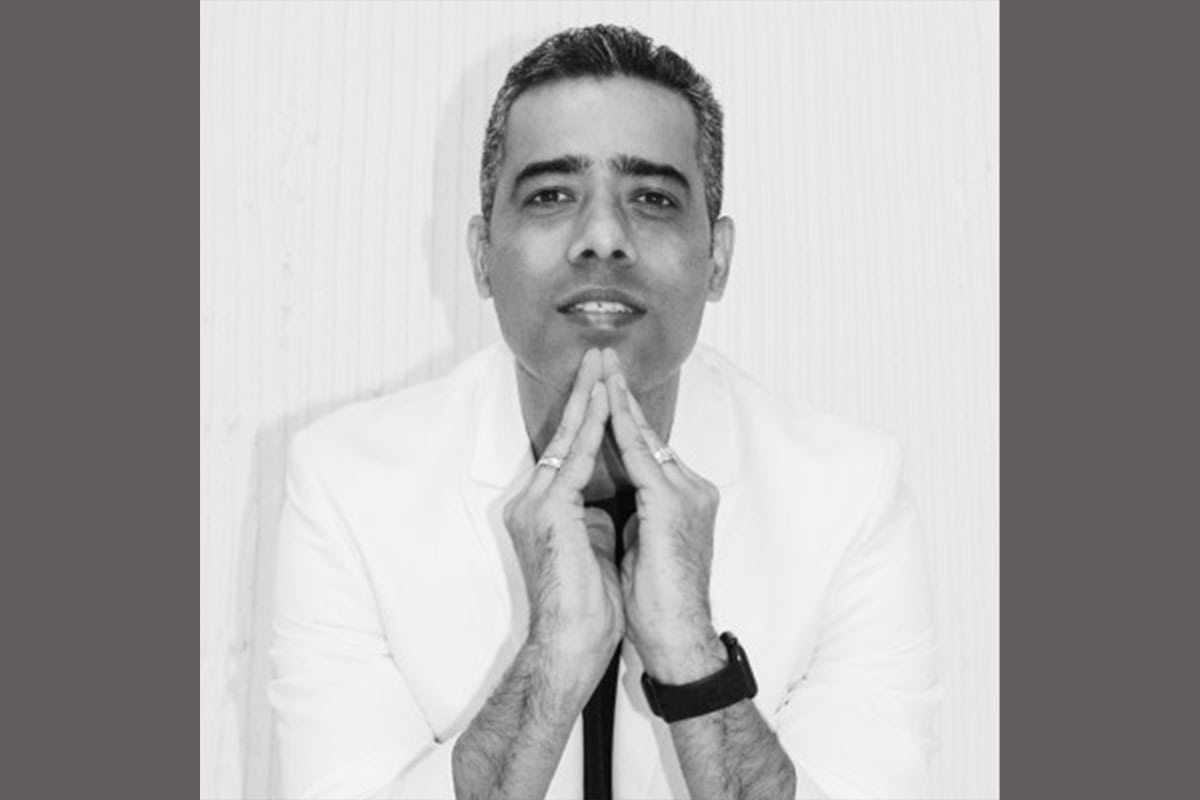
Aman Malhotra is an astute finance leader with over 15 years of experience working alongside various global hotel brands, currently serving as the Chief Financial Officer (CFO) of Kerten Hospitality. In his role, he oversees the group’s entire finance vertical, managing both operational and upcoming properties to play a key role in delivering enhanced returns to owners on their assets. Prior to joining Kerten Hospitality, Malhotra held key positions in multiple hotel groups across the Middle East and Asia Pacific, building his core strength in the implementation of financial controls and effective strategies. Furthermore, his expertise and insights as a hospitality finance leader have also led to him being interviewed by Travel and Tour World.
How are you doing, Aman, and how is the deal-making energy and investor sentiment regarding lifestyle assets here at the event?
I am doing well, and it has been amazing. The deal-making energy has been really strong, though investors have become much more discerning this year compared to a couple of years ago. They have the appetite for capital investment, but they are being very selective about the kinds of assets they want to invest in. That is exactly where we come in. There has been a strong appetite for lifestyle offerings, and investors are keen on these assets—especially considering they yield a higher premium compared to other conventional plays in the industry. We are seeing a good amount of traction and buoyancy, not just at FHS, but in the markets in general.
You were speaking on the panel “Egypt: The Next Big Bet.” From a CFO’s perspective, how do you mitigate the currency and capital risks when underwriting the Egyptian developments that have been ongoing for the last few decades?
Advertisement
Advertisement
Currency exposure has always been a major concern for the market. However, what is really interesting is that hospitality acts as a natural hedge against it. On the inflow side—mainly the revenue side—pricing strategies, especially for key leisure circuits and major cities, are built around hard currency, primarily the US dollar. That gives you a hedging advantage in a hospitality setup, which is exactly what we focus on. At the same time, our company is highly focused on localizing the cost side of the P&L. We prefer going local for sourcing and hiring talent, which reduces our exposure and commitment to external hard currencies. Focusing on local generation provides that essential hedge, and that is the exact strategy we utilize.
Kerten Hospitality has signed thousands of new keys at the start of 2026. How do you maintain strict commercial discipline and ensure owner ROI during such rapid, aggressive expansion?
Advertisement
Advertisement
That is sacrosanct for us; it is probably the most essential aspect of what we do. As an operator, we are very intense and highly involved. Our primary investment is in our people. We always think ahead—not just for the portfolio we are managing right now, but for what we will manage over the next three to five years. We start beefing up our team according to what is coming our way. Given our strong pipeline, we have been very buoyant about the future and have recently brought on key senior resources to get us ready for this next phase of expansion. That is where the discipline comes in.
Whenever we pick up a project, the first thing we do is conduct an internal feasibility study to assess whether we should take it on. For us, feasibility does not just mean the project is currently profitable; it means assessing its potential for transformation. We have numerous turnaround stories. For instance, our second asset in Kuwait is seeing double-digit growth month over month—not just year over year. This is largely because we are offering something the market has not seen before. There is a strong interest in products that differ from conventional properties, and that is where the lifestyle segment really comes in handy. Seeing such great results keeps us focused and reduces the exposure on the GOP [Gross Operating Profit] as we expand our pipeline.
As you push the company towards its goal of doubling regional revenue this year, which specific asset classes—like branded residences or collaborative workspaces—are driving the highest yields?
Fortunately for us, most of the asset classes we are currently dealing with are generating great results. We are beating our budgets and are way ahead of what we achieved last year, so the assets overall have been performing incredibly well.
If we talk about what has truly been a key attraction for investors recently, a lot of focus has shifted towards branded residences—especially those that include a commercial element alongside the residential play. We are seeing a lot of interest there, and some fascinating concepts are emerging. In one of our current projects, we have introduced the concept of fractional ownership. This significantly reduces the capital exposure for the investor while also providing a larger captive audience to cater to once the property goes live. That is something we see as a very interesting and lucrative play right now in the market.
Advertisement
