

Thailand Restores 30-Day Visa-Free Stays as Longer Visits Shift to Formal Visas

Published
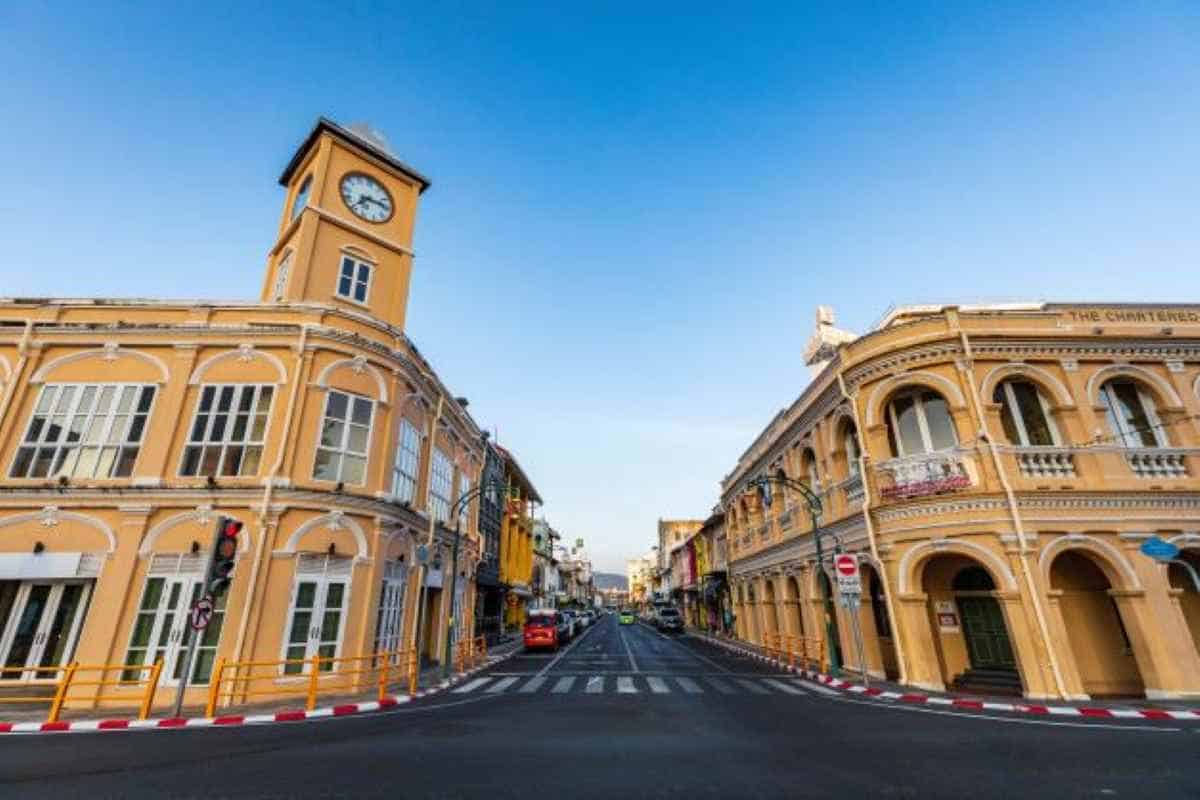
There have been changes in the tourist entry policy in Thailand. In this regard, the current situation is such that the tourist visa exemption has now been changed so that all tourists visiting Bangkok, Phuket, Chiang Mai, and any other destination in Thailand can enter the country on a visa-exempt basis of up to 30 days on a single entry, as compared to the 60 days on a single entry under the old system. It has become effective as of 15th September 2026, as opposed to 2nd October in the brief statement. The Tourism Authority of Thailand has confirmed the withdrawal of the previous 60-day visa-exemption scheme and the introduction of new visa exemptions: 30-day and 15-day.
Thailand’s New 30-Day Tourist Framework
Under the revised rules, eligible passport holders can enter Thailand without a visa for tourism for up to 30 days.
The current list covers 60 countries and territories, including India, the United Kingdom, the United States, Canada, Australia, France, Germany, Japan, Singapore and South Korea. Separate bilateral arrangements continue to apply to certain nationalities, including countries with 90-day visa-free arrangements.
For Indian ordinary passport holders, the new 30-day visa exemption officially took effect on 15 September 2026.
Advertisement
Advertisement
Thailand’s Embassy in New Delhi confirmed that Indian travellers entering for tourism can use the 30-day exemption, while those intending to stay longer can apply for an appropriate e-Visa.
This is particularly relevant as Thailand remains a major destination for Indian leisure travellers seeking beaches, food, shopping, wellness experiences and cultural holidays.
Advertisement
Advertisement
Longer Holidays Now Need More Planning
The 30-day exemption does not mean that longer holidays are no longer possible.
Eligible visitors can apply for an appropriate visa when their intended stay requires it.
Advertisement
Advertisement
Thailand’s standard Tourist Visa remains available for travellers who need a longer permitted stay. Current Thai embassy information lists a Tourist Visa as allowing a stay of up to 60 days per entry, subject to the applicable conditions.
The distinction is therefore between visa-free entry and visa-based travel, rather than between short and long tourism being permitted or prohibited.
A traveller planning a two-week holiday in Bangkok and Phuket can use the 30-day exemption if eligible. Someone planning a substantially longer stay needs to examine the relevant visa route before travelling.
Digital Nomads Have a Separate Route
Thailand’s Destination Thailand Visa, or DTV, remains a separate option for eligible travellers whose activities fall within its permitted categories.
Advertisement
Advertisement
The DTV was introduced for groups including digital nomads, remote workers and participants in certain activities such as Muay Thai training, cooking courses, sports activities, medical treatment and other approved experiences.
The visa provides a different framework from the standard tourist exemption and is designed for longer-term stays.
This distinction is important for remote professionals. A person working remotely while travelling should not assume that the 30-day tourist exemption automatically provides the appropriate immigration status for their circumstances.
Travellers should select a visa based on the purpose of their stay, not simply the length of their holiday.
Thailand Remains Open to Tourism
The revised visa framework does not represent a closure of Thailand’s tourism market.
Thailand continues to promote international travel across Bangkok, Phuket, Chiang Mai, Pattaya, Krabi, Koh Samui and other destinations.
Advertisement
Advertisement
The Tourism Authority’s October events calendar lists cultural, food, entertainment and community activities across multiple destinations, including Bangkok, Chiang Mai and Nakhon Ratchasima.
Thailand is therefore continuing its tourism programme while simultaneously tightening the distinction between short tourist visits and longer or specialised stays.
For ordinary holidaymakers, the principal change is administrative: the length of visa-free travel has been reduced.
Repeat Visits Face Additional Conditions
The revised framework also introduces restrictions on repeated use of the 30-day exemption through land-border immigration checkpoints.
For many nationalities, entry through land borders using the 30-day exemption is generally limited to two entries per calendar year.
The rule does not apply in the same way to certain neighbouring nationalities, including Malaysia, Brunei, Indonesia and Singapore, and other exceptions may be designated by the Thai authorities.
Advertisement
Advertisement
Travellers making frequent trips to Thailand should therefore distinguish between arriving by air and using land-border crossings and should check the conditions applicable to their nationality before planning repeated entries.
Medical and Wellness Travel Remains Important
Thailand’s health and wellness sector continues to form an important part of its international tourism offer.
Bangkok and Phuket have major private hospitals and wellness facilities, while destinations including Chiang Mai and Koh Samui offer resort-based wellness experiences.
However, the new visa-exemption framework does not mean medical travellers have automatically been transferred into a newly created “wellness visa” system.
Travellers seeking medical treatment must use the immigration route appropriate to their circumstances, which can differ from ordinary tourism.
The same principle applies to specialised wellness programmes and other activities that fall outside conventional sightseeing.
What Travellers Should Check Before Flying
Before embarking on a trip to Thailand, visitors have four issues that they should address. First, they need to know if their passport falls within those whose owners do not require visas to enter Thailand. Second, visitors must ascertain if their activities qualify as tourist activities within the visa-exempt category. Visitors who intend to stay in Thailand beyond 30 days need to explore the possibility of acquiring the appropriate visa rather than taking the easy route of visa exemption. Lastly, frequent visitors must look at the regulations covering successive entries, especially into Thailand via land checkpoints. The visa policy in Thailand is therefore gradually falling into two separate categories: short tourism, and other longer stays and specialised visits. The major difference for eligible tourists is quite simple; the old 60-day visa exemption no longer applies.
Advertisement
