
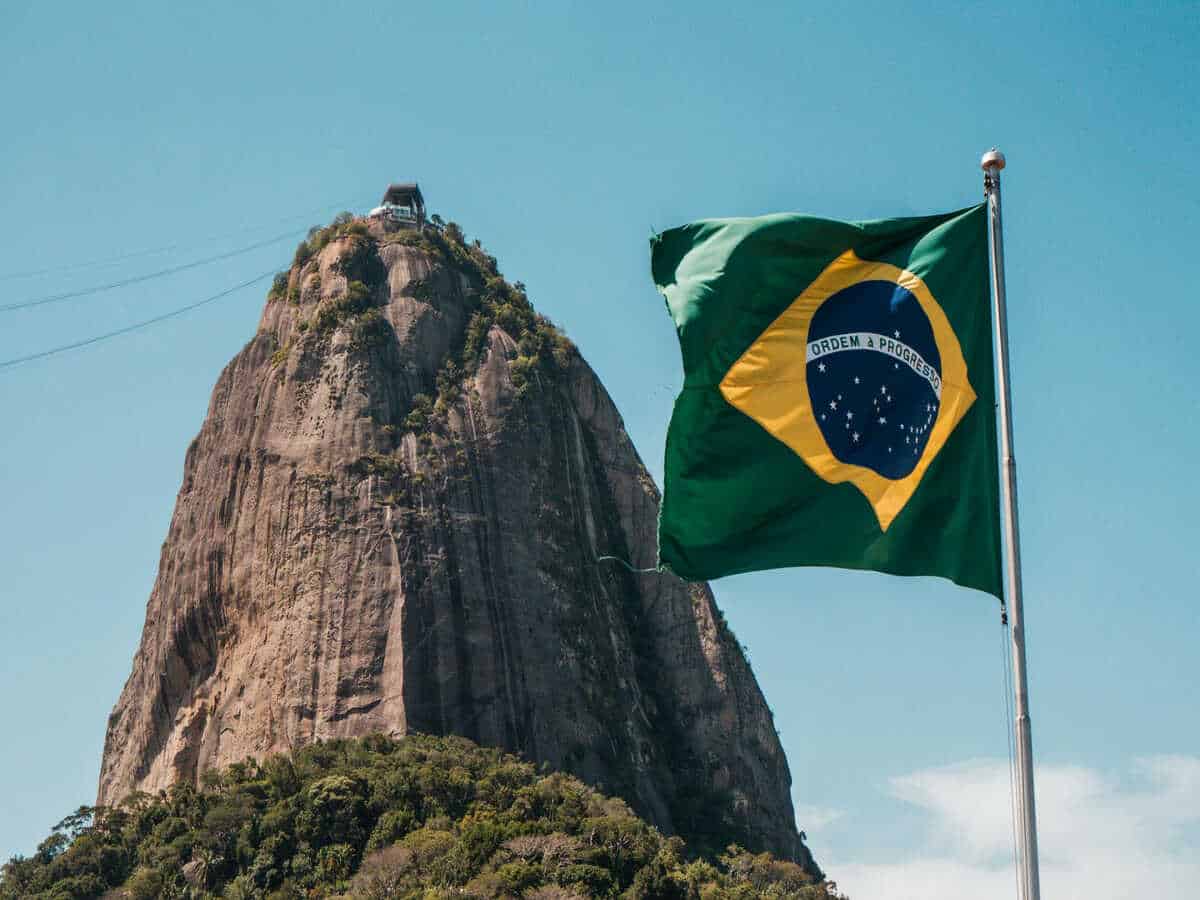
Image generated with Ai
America issues travel advisory to Brazil due to security threats of crime and kidnapping to tourists in important tourist destinations. Brazil, which is one of the top tourist destinations globally owing to its beaches, Carnival, the Amazon forest, and cultural activities, has been back in the limelight again after the US released a new travel advisory to travelers.
The US State Department has classified Brazil under Level 2 – Exercise Increased Caution, citing concerns related to crime and kidnapping risks. While the advisory does not recommend avoiding Brazil completely, it highlights several locations and situations where international travellers should remain alert and carefully plan their journeys.
The warning comes as Brazil continues strengthening its position as a leading tourism destination in South America, attracting millions of visitors every year through iconic attractions such as Rio de Janeiro’s beaches, Iguacu Falls, the Amazon region, Pantanal wetlands and historic cities.
The latest advisory identifies crime and kidnapping as the primary risks affecting travellers in Brazil. The US State Department warned that violent crime can occur in urban areas during both daytime and nighttime hours, with incidents including:
Advertisement
Advertisement
The advisory highlights that criminal groups in some areas are often connected to illegal drug networks, creating security challenges in certain urban and border regions.
For tourists, the risks are not limited to traditional theft. Authorities also warn about criminals targeting foreigners through social situations, including nightlife venues and online dating platforms.
Rio de Janeiro remains Brazil’s most internationally recognised tourism hub, attracting visitors with destinations such as:
However, the city is also among the destinations where travellers are advised to take additional precautions.
Advertisement
Advertisement
The advisory warns that assaults involving sedatives or drugs placed in drinks are a concern, particularly in Rio de Janeiro. Criminals may also target visitors in bars, nightlife areas or through online interactions before attempting robbery.
Tourists visiting Rio are advised to avoid isolated locations, remain cautious during nightlife activities and avoid displaying expensive belongings that could attract attention.
Although Brazil remains open for tourism, the US advisory places some areas under a much stronger warning.
International land borders are classified as Level 4 – Do Not Travel due to crime and kidnapping concerns. The warning applies to areas near Brazil’s borders with:Border Area Main Concern Bolivia Organised crime and illegal activities Colombia Criminal networks and security risks Guyana Border-related crime concerns French Guiana Cross-border security issues Paraguay Smuggling and organised crime risks Peru Remote-area safety challenges Suriname Border crime risks Venezuela Higher security concerns
However, exceptions are noted for major tourism destinations such as Iguacu National Park and Pantanal National Park, which remain accessible with appropriate precautions.
These regions represent some of Brazil’s strongest nature tourism assets, attracting visitors for wildlife experiences, adventure travel and ecological tourism.
Brazil’s informal settlements, commonly known as favelas, have long attracted interest from travellers seeking cultural experiences. However, the US advisory places these communities under a Do Not Travel recommendation due to crime risks.
The warning applies to:
The advisory states that even guided tours cannot guarantee visitor safety because security conditions can change quickly due to gang activity or police operations.
Authorities also warn that some communities may not have clearly visible boundaries, meaning visitors could unintentionally enter higher-risk areas.
For Brazil’s tourism industry, this creates a challenge between promoting authentic cultural experiences and ensuring visitor safety.
Brazil’s capital city, Brasilia, remains an important destination for government, architecture and cultural tourism. However, the advisory highlights increased risks in some satellite areas surrounding the capital.
Travellers are advised to exercise additional caution in:
US government employees require special approval to travel to these administrative regions between 6:00 p.m. and 6:00 a.m.
One of the most significant concerns highlighted in the advisory is the risk of express kidnapping.
This crime involves criminals forcing victims to withdraw money from ATMs or transfer funds through banking applications.
The advisory notes that criminals sometimes target individuals who have recently:
Brazil’s widely used instant payment system, Pix, has become part of modern financial crime risks, with criminals sometimes forcing victims to transfer funds electronically.
Travellers are advised to:
The advisory also warns travellers about risks linked to public transportation, especially municipal buses.
US officials advise government employees not to use municipal buses because passengers may face increased risks of robbery and assault, particularly at night.
Visitors are encouraged to:
The US State Department has issued several recommendations for travellers planning a Brazil trip.
Visitors are advised to:Recommendation Reason Avoid displaying expensive jewellery and watches Reduces theft risk Stay alert around ATMs and banks Prevents targeted robbery Avoid walking on beaches after dark Reduces assault risks Do not accept drinks from strangers Prevents drink-related crimes Share travel plans with family Helps during emergencies Avoid isolated hiking locations Reduces safety risks Purchase travel insurance Provides medical and emergency support Do not physically resist robbery attempts Reduces risk of injury
Travellers are also encouraged to enrol in the Smart Traveler Enrollment Program (STEP), review security information before departure and maintain communication plans while travelling.
Despite the renewed advisory, Brazil remains one of the world’s most attractive tourism markets.
The country continues to draw international visitors through:
The travel advisory does not mean Brazil is closed to visitors. Instead, it highlights the importance of destination awareness, careful planning and responsible travel behaviour.
For Brazil’s tourism industry, maintaining international confidence will depend on improving visitor safety communication, strengthening security measures in tourist zones and ensuring travellers can experience the country’s attractions with greater confidence.
The United States issues travel warning for Brazil due to high crime rates, kidnap warnings and border dangers that have raised new safety concerns for travelers.
In today’s world of tourism where safety is becoming increasingly important, the capability of Brazil to combine its unique tourism destination with safety will continue to be important.
Advertisement
Advertisement
Advertisement













Friday, September 4, 2026

Friday, September 4, 2026

Friday, September 4, 2026

Friday, September 4, 2026

Thursday, September 3, 2026

Wednesday, September 2, 2026

Friday, September 4, 2026

Friday, September 4, 2026


