
What Makes Romania Travel The Absolute Best Secret Sanctuary For Travelers Seeking Authentic Culture And Slow Living?

Published
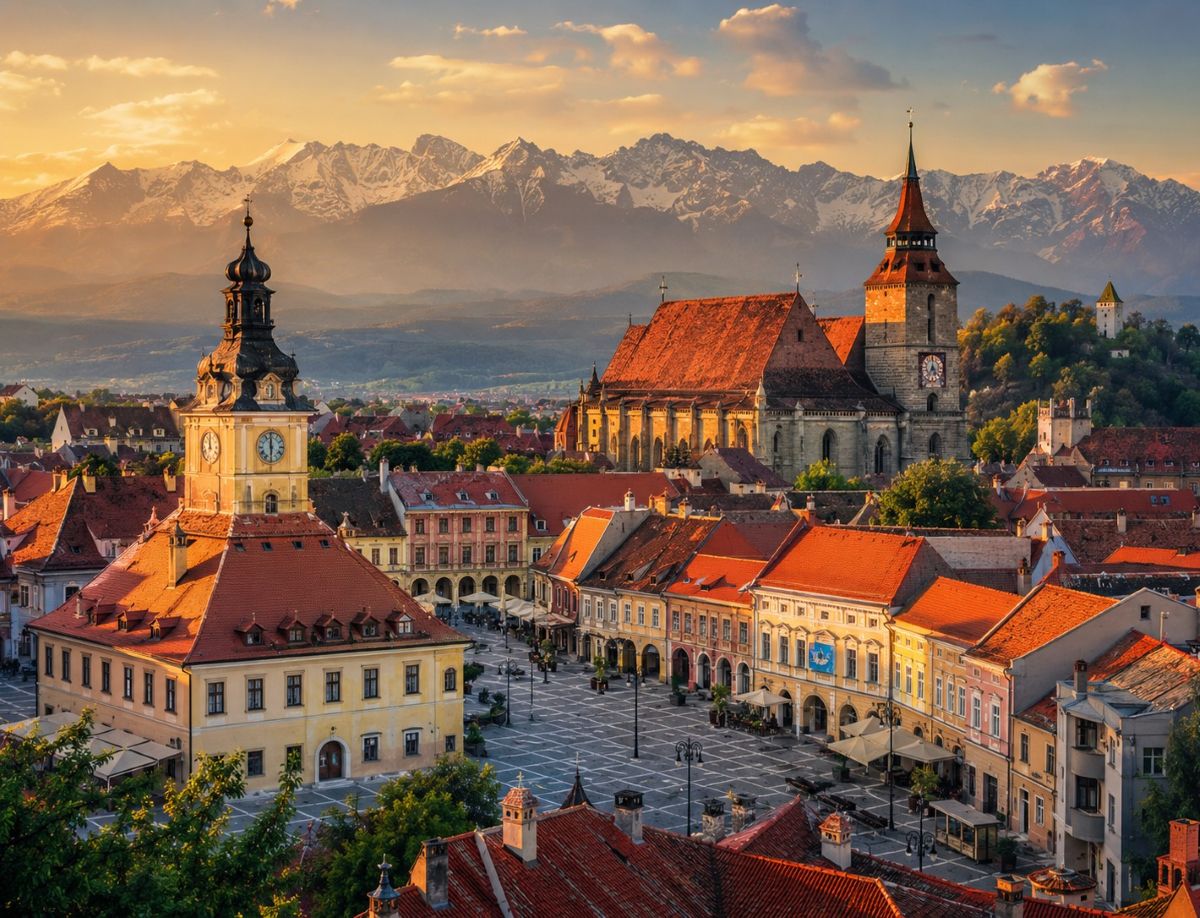
Image generated with Ai
Have you been to a crowded place and had the magic sucked out of you? That’s why everyone loves Romania. Being in Romania is like being in a different, magical world of natural peace and slow breathing air. It offers so much beauty and history, like misty Carpathian mountains, meadows of wildflowers for days, and towns full of history and real stories instead of fake shows. Travel to Romania offers you a getaway of a different kind, a chance to go back in time to what travel once was. This land also has that slow magical peace that you can feel and take in to slow down your life and reconnect with nature and the peace missing in our lives. Traveling through this country’s quiet wilderness brings people the inner peace and magic that fills the heart and truly inspires.
Unlocking Uncrowded Landscapes and Quiet Freedom Across the Carpathian Mountains and Beyond
Modern international travelers are increasingly experiencing urban fatigue from overbooked western capitals, driving an unprecedented surge in demand for peaceful, wide-open spaces across Europe. The pristine valleys surrounding the Carpathian Mountains and the vast, scenic expanses of Transylvania present an ideal sanctuary for those seeking to disconnect from fast-paced daily routines. In these serene environments, visitors enjoy a rare sense of quiet freedom as they traverse rolling wildflower plateaus, dense primeval forests, and charming medieval villages without encountering overwhelming tourist crowds. Industry observers stress that the availability of such unspoiled space directly shapes modern hospitality trends, making quietude and personal space primary criteria for luxury destination selection.
Furthermore, the global movement toward slow, intentional travel finds a natural home in the peaceful rural hinterlands of Romania. Travelers are granted the unique opportunity to slow their internal rhythms, spending unhurried days exploring walkable historic towns or relaxing in secluded boutique retreats nestled deep within nature. This clear transition away from high-density, transactional tourism toward immersive, restorative stays significantly raises overall guest satisfaction and personal well-being. As international tourism planners re-evaluate long-term sustainability, the successful preservation of these vast, quiet landscapes offers an exemplary global blueprint for preventing destination degradation while continuing to welcome discerning visitors.
Advertisement
Advertisement
The broader impact of this trend on the travel industry is profound, as tour operators worldwide are forced to rethink high-volume itineraries. Travel agencies are shifting their portfolios to include more off-the-beaten-path regions that can guarantee tranquility and physical space for their clients. Consequently, regions that have maintained their natural topography and slow pace of life are suddenly finding themselves at a competitive advantage over traditionally popular tourist hotspots. This geographical redistribution of tourist dollars helps alleviate pressure on crowded western destinations while injecting vital economic support into lesser-known European rural communities.
Advertisement
Advertisement
Redefining High-End Hospitality Through Human-Centric and Experiential Luxury Encounters
The global definition of high-end travel has fundamentally shifted from superficial extravagance and standardized luxury toward authentic, human-centric experiences rooted in regional identity. Within Romania, bespoke travel emphasizes genuine human interactions, rich local storytelling, and special access to private estate grounds, medieval castles, and artisan workshops. Guests are hosted in thoughtfully restored manor houses, characterful boutique properties, and storybook eco-lodges that celebrate traditional architectural heritage while providing sophisticated modern amenities. This guest-focused approach transforms passive tourists into active participants, creating a lasting emotional bond between the visitor and the destination.
In addition, this major shift in consumer expectations heavily influences how luxury operators build custom itineraries globally. By prioritizing private, highly curated moments—such as after-hours tours of historic monuments or private dinners hosted in historic venues—travel designers meet the rising global demand for rare, authentic encounters. This emphasis on depth and cultural integrity over simple polish establishes a fresh benchmark for boutique travel worldwide. As a result, destinations that protect their local heritage, offer highly personalized service, and maintain architectural authenticity are rapidly ascending to the top tier of the global travel market.
This transformation in traveler preferences is also forcing international hotel brands to reconsider their design and service strategies. Rather than building massive, uniform resorts, hospitality companies are increasingly investing in smaller, heritage-focused properties that mirror the unique culture of their surroundings. Travelers now judge the quality of a stay by the depth of local integration, the storytelling ability of the staff, and the environmental ethics of the operation. Thus, the success of human-centric tourism in eastern Europe is accelerating a global industry trend toward hyper-localized, culturally sensitive hospitality.
Preserving Living Cultural Traditions and Intergenerational Heritage in Bucovina and Rural Communities
Advertisement
Advertisement
In an increasingly standardized world, the presence of active, living cultural traditions represents a powerful draw for international holidaymakers seeking genuine enrichment. Regions such as Bucovina in northeastern Romania showcase a rich tapestry of living history, where centuries-old arts, folk crafts, and rural customs continue to flourish naturally within everyday village life. Families traveling together are invited to join tactile, hands-on activities, such as traditional wax-resist egg-painting workshops or master pottery demonstrations guided by local artisans. These meaningful cultural exchanges create lasting memories across generations, proving that heritage travel can be deeply engaging for children, parents, and grandparents alike.
Moreover, integrating living cultural heritage into high-end travel itineraries plays a crucial role in sustaining local economies and preserving ancient craft techniques. By directing financial support to local master craftsmen, historic preservationists, and rural communities, the travel sector actively promotes regenerative tourism practices. Industry leaders acknowledge that empowering local populations to maintain their traditional ways of life enhances overall destination value while safeguarding fragile cultural traditions. This mutually beneficial relationship between conscious travelers and host communities reinforces the long-term viability and global appeal of heritage-driven travel.
From a global perspective, this focus on cultural preservation offers a vital lesson in combating the cultural homogenization often caused by mass tourism. When local traditions are celebrated and financially supported through travel, communities are encouraged to keep their heritage alive rather than abandoning it for modern, standardized livelihoods. Travel companies worldwide are beginning to realize that intangible cultural heritage—such as folklore, artisan techniques, and regional festivals—is a irreplaceable asset that must be protected with the same urgency as natural natural resources.
Pioneering Regenerative Wildlife Safaris in the Pristine Wilderness of the Danube Delta and Dense Forests
Environmental conservation and rewilding projects have positioned Romania as one of the premier eco-adventure destinations in Europe. The country boasts some of the largest remaining contiguous forest wilderness areas on the continent, sheltering thriving populations of brown bears, lynx, wolves, and rewilded European bison. In the vast, aquatic labyrinth of the Danube Delta, birdwatching enthusiasts and eco-conscious travelers discover an extraordinary biosphere reserve teeming with rare avian life and pristine water channels. Travelers can participate in low-impact, safari-style excursions led by experienced wildlife rangers, gaining valuable insight into complex habitat restoration and ecological conservation efforts.
Advertisement
Advertisement
These regenerative wildlife experiences reflect a clear global shift toward meaningful, eco-conscious travel. By choosing itineraries that directly fund biodiversity protection and rewilding initiatives, international visitors become active participants in global conservation efforts. The successful alignment of wilderness protection and luxury eco-tourism demonstrates to the wider travel industry that environmental stewardship and high-end hospitality can thrive together, creating immersive educational moments that inspire long-term ecological advocacy around the world.
Furthermore, this model of regenerative tourism is reshaping the expectations of global adventurers who demand transparency and ecological responsibility from their travel providers. High-net-worth travelers are increasingly auditing the carbon footprint and conservation contributions of their trips, favoring operators that demonstrate measurable benefits for local wildlife and habitats. As the successful rewilding programs in the Carpathian Mountains and sustainable water management in the Danube Delta gain international recognition, they serve as inspiring case studies for eco-tourism initiatives in other regions worldwide.
Celebrating an Evolving Gastronomic Movement from Bucharest Street Food to Fine Dining in Gothic Castles
The culinary landscape of Romania is undergoing a vibrant modern renaissance that is capturing the attention of international food enthusiasts and culinary writers alike. In bustling urban centers like Bucharest, a new wave of creative chefs is reinterpreting traditional Balkan, Ottoman, and Latin-influenced dishes using modern techniques and fresh, locally sourced organic ingredients. Travelers can explore energetic city street markets, savor innovative farm-to-table menus, or participate in private wine tastings across picturesque regional vineyards. This confident culinary evolution successfully bridges deep-rooted culinary traditions with modern international dining standards.
Additionally, combining historical settings with fine dining creates truly unforgettable culinary experiences for travelers across the country. Enjoying multi-course private meals inside majestic Gothic castles, centuries-old wine cellars, or rustic mountain estates builds a sensory bridge between regional history and contemporary gastronomy. Because food tourism continues to be a major driver of global destination choice, Romania’s rich agricultural roots, expanding native wine production, and creative culinary scene firmly establish its position as an essential stop for sophisticated food travelers.
Advertisement
Advertisement
The global impact of this culinary movement extends beyond simple food appreciation, as it highlights the importance of preserving heirloom agricultural practices and regional biodiversity. By elevating traditional dishes and native wine grapes on the international stage, local chefs and winemakers are proving that regional culinary identity can thrive alongside global food trends. This successful fusion of history, agriculture, and modern gastronomy offers a compelling model for other destination regions seeking to build competitive food tourism profiles without losing their authentic roots.
Uniting Generations Through Purposeful Family Discovery in Valea Zanelor and Scenic Countryside Stays
Multi-generational family travel has grown into a major trend within the global tourism industry, as extended families actively seek meaningful, safe, and flexible destinations where every age group can enjoy spending time together. The picturesque countryside of Romania, including whimsical locations such as Valea Zanelor in the Transylvanian hills, provides a fairytale setting that delights young children while offering relaxation and sophisticated comfort for adults and seniors. Gentle horseback riding, horse-drawn carriage or sleigh rides, scenic mountain cycling, and open meadow walks allow families to bond over unhurried outdoor adventures in safe, natural environments.
Ultimately, travel destinations that accommodate multi-generational needs without relying on artificial, mass-market entertainment are fundamentally reshaping how families vacation together globally. By offering abundant physical space, safety, and flexible daily schedules, Romania allows family members of all ages to build deep connections through shared cultural discovery and soft outdoor adventure. This growing demand for purposeful, inclusive family travel ensures that destinations offering real human connection, stunning scenery, and rich natural beauty will remain highly valued by international travelers for years to come.
This rise in multi-generational family travel is also prompting tour designers worldwide to create more flexible, customizable itineraries that balance relaxation with active exploration. Industry leaders note that modern families prioritize destinations where children can learn about nature and history firsthand, while older family members enjoy high levels of comfort and easy mobility. The success of peaceful countryside destinations in Eastern Europe demonstrates that nature-focused, culturally rich family trips are increasingly replacing traditional resort vacations as the preferred choice for family gatherings.
Advertisement
Advertisement
Quantifying Europe’s Greenest Frontier: Statistical Breakdown of the Carpathian Old-Growth Forest Basins
To understand why environmental conservationists and affluent international travelers are shifting their attention toward Eastern Europe, one must analyze the empirical conservation figures that define Romania’s natural sanctuary. The nation shelters more than 60% of Europe’s remaining virgin and ancient woodlands outside of Russia, encompassing over 250,000 hectares of primary forest ecosystems across the Carpathian Mountains. These untouched habitats function as vital ecological lungs for the continent, preserving ancient biodiversity that has vanished elsewhere across Western Europe.
Furthermore, these vast mountain passages serve as the primary refuge for the continent’s largest predator populations. Recent ecological censuses estimate that these forests harbor approximately 6,000 brown bears (representing nearly 50% of the European population), 3,000 wolves, and over 2,000 Eurasian lynx. By integrating these quantifiable conservation statistics into travel planning, industry experts emphasize the region’s crucial status as a top-tier wildlife haven. This ecological richness highlights the immense scientific and educational value of low-impact, sustainable wildlife safaris.
Measuring the Economic Impact of Sustainable Rural Tourism and Crafts Preservation across Bucovina and Maramureș
Examining the financial metrics of rural craftsmanship reveals how targeted travel investments directly support local village economies. In historic regions such as Bucovina and Maramureș, small-scale, high-value tourism initiatives have generated a 35% increase in household incomes for local artisan families practicing traditional wood carving, hand weaving, and intricate egg-decorating. These direct financial benefits ensure that ancient cultural traditions remain economically viable for younger generations within rural communities.
Advertisement
Advertisement
In addition, global consumer surveys indicate that 82% of high-end international travelers express a willingness to pay up to a 25% premium for travel itineraries that guarantee direct financial support for regional heritage preservation. By directing capital into these living cultural centers, sustainable travel models successfully safeguard over 100 UNESCO-recognized intangible cultural practices. Consequently, this regenerative economic framework offers a practical solution to rural depopulation by creating sustainable livelihoods locally.
Navigating the Biosphere Reserve: Conservation Metrics and Avian Diversity in the 5,800-Square-Kilometer Danube Delta
A detailed look at environmental data illustrates the massive scale of the Danube Delta, which stands as Europe’s second-largest and best-preserved river delta, spanning an impressive 5,800 square kilometers. Recognized globally as a UNESCO World Heritage site and a Ramsar wetland of international importance, this intricate water network provides shelter for more than 300 bird species including 90% of the European white pelican breeding population and 45 freshwater fish species.
To safeguard this delicate marine ecosystem, local eco-tourism operations have transitioned toward clean transportation technologies. The introduction of solar-electric watercraft and low-emission vessels has reduced localized noise pollution by 40% in key avian nesting zones. This metric proves that high-end eco-tourism can operate within strict environmental boundaries, successfully protecting vulnerable natural habitats while delivering exceptional educational experiences to visitors.
Analyzing the Commercial Expansion and Export Growth of Romania’s Ancient Indigenous Wine Terroirs
Advertisement
Advertisement
The ongoing commercial growth of regional viticulture offers clear quantitative evidence of the country’s rising status on the global culinary stage. Encompassing over 180,000 hectares of cultivated vineyards, the nation ranks as the 6th largest wine producer in Europe and the 12th largest globally. Indigenous grape varieties such as Fetească Neagră, Fetească Regală, and Băbească Neagră have recorded an 18% year-over-year increase in international export volume, signaling strong global demand for authentic winemaking traditions.
At the same time, estate wineries across premier wine-growing regions like Dealu Mare and Târnave report a 45% increase in private cellar tour bookings. This growth demonstrates how regional viticultural history is successfully transforming into a primary driver of high-value culinary tourism. By combining historic vineyard estates with modern tasting rooms, local winemakers effectively bridge ancient traditions with contemporary global hospitality expectations.
Evaluating the Architectural Heritage Renaissance: Restoring 18th-Century Saxon Transylvanian Fortified Estates
Architectural preservation statistics offer a compelling perspective on the restoration of historic heritage properties across Transylvania. Across these scenic valleys, more than 150 medieval fortified churches and 7 UNESCO World Heritage villages—including iconic locations like Viscri and Biertan—form the centerpiece of a regional restoration initiative. Over the past decade, private restoration projects have successfully rehabilitated over 30 historic Saxon estates and manor houses, converting them into boutique accommodations.
Commercial performance metrics demonstrate the strong appeal of these heritage properties, with restored architectural sites maintaining an average guest return rate of 28%. This performance surpasses that of standard urban hotel chains, as travelers increasingly seek out properties with rich historical narratives and restored period aesthetics. By preserving original architectural structures, these initiatives demonstrate how historical conservation and commercial success reinforce each other.
Advertisement
Advertisement
Assessing the Carbon Offset and Regenerative Travel Footprint of High-End Eco-Looming Accommodations
Quantifying the operational metrics of boutique eco-lodges illustrates how sustainable hospitality can achieve complete carbon neutrality. Leading eco-camp retreats located in the Făgăraș Mountains run entirely on 100% renewable energy generated through local solar photovoltaic arrays and micro-hydroelectric installations. These facilities maintain strict zero-single-use-plastic policies while diverting 95% of organic waste from landfills through localized composting programs and farm-to-table food systems.
Documenting these rigorous operational standards provides international travel designers with clear evidence that zero-carbon accommodations can be delivered without compromising comfort or service. These eco-lodges establish a benchmark for sustainable hospitality across Europe, proving that luxury travel can actively minimize its environmental footprint while supporting habitat restoration.
Mapping the Post-Pandemic Shift in European Destination Choice: Statistical Preference for Low-Density Travel Outlets
An evaluation of macroeconomic travel survey data reveals a clear shift in traveler preferences away from overcrowded Mediterranean destinations. Recent industry reports show that 68% of luxury travel advisors experience a steady rise in client requests for low-density destinations featuring population densities below 80 people per square kilometer, compared to over 400 people per square kilometer in major Western European tourist hubs.
Advertisement
Advertisement
Furthermore, long-stay bookings ranging from 10 to 14 days in quiet regional destinations have risen by 32%. This data confirms that extended, unhurried journeys centered around personal wellness, open landscapes, and privacy have become defining priorities for modern international travel. Regions that offer natural space and low-density environments remain exceptionally well-positioned to meet this growing global demand.
The Final Verdict
Looking back on your time in Romania brings to mind many memories of things you can’t quite verbalize. Once in a while, the fog clears over the Carpathian Mountains and it is a sight to behold. Sometimes you are idly standing in line and then find yourself sharing some fresh bread made by a friend of a friend and it just tastes that much sweeter for the new circumstance. With today’s advanced technology we feel more connected to one another yet still feel the lack of something. It is here that we are given the opportunity to experience what is valued most over the many breaks. It is the feeling of present that has been lost for so long. It shows us the reason for travelling the world.
Advertisement
