

Mexico Aligns With Brazil and Other Countries in Threatening Tourism in California, New York and Florida as US Visa Delays Reach 346 Days

Published
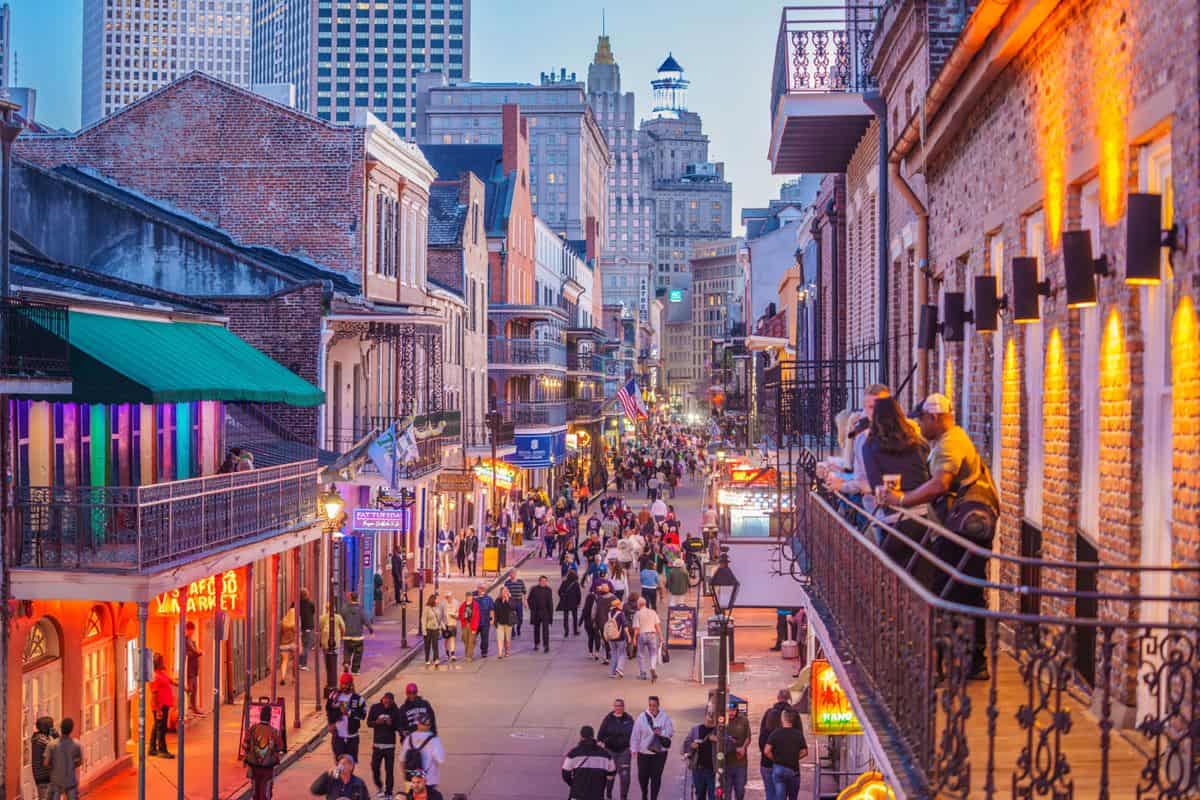
Mexico, Brazil, India and China are at the centre of growing concerns over United States visitor visa processing delays in 2026, raising questions about the potential impact on tourism in California, New York, Florida, Texas and Nevada. A report released by the US Government Accountability Office (GAO) on 28 September 2026 revealed that Indian applicants faced a weighted average visitor visa interview wait of 346 days during fiscal year 2025, while Mexico recorded 283 days. Brazil and China experienced considerably shorter waits of 32 and 34 days, respectively. These differences expose uneven visa processing capacity and create uncertainty for international travellers planning holidays, business meetings and major events in the United States.
The findings come as international tourism remains an important part of the American economy. According to figures cited by the GAO, international travel and tourism contributed approximately US$176 billion to the US economy in 2025, around US$5 billion below 2024 and US$28 billion below the pre-pandemic comparison. Lengthy visa interview waits were identified as one potential barrier to international travel. However, the report did not establish how much of the economic difference resulted directly from visa delays. For American tourism destinations, the concern is that prolonged appointment queues may encourage prospective visitors to postpone journeys, reconsider travel budgets or select alternative international destinations.
Advertisement
Advertisement
Mexico Faces a 283-Day Visa Wait as More Than 2.65 Million Applications Stretch US Consular Resources
Mexico recorded the highest non-immigrant visa application volume among the four major markets examined, with 2,658,627 applications during fiscal year 2025. US consular operations in the country had 124 officers working on non-immigrant visas, creating a workload equivalent to approximately 21,441 applications per officer. The average visitor visa interview wait reached 283 days, or more than nine months. These figures demonstrate the substantial pressure facing visa-processing operations in a country with extensive economic, family and travel connections to the United States.
Mexico’s visa processing difficulties could affect American destinations that attract Mexican visitors for shopping, holidays, business and family travel. California and Texas are particularly relevant because of their geographic proximity, while Florida, New York and Nevada also offer major tourism and entertainment experiences. However, the 283-day figure is a historical average and does not apply to every Mexican traveller. Many visitors already possess valid visas or other appropriate travel documents. The GAO findings therefore identify a significant planning challenge for applicants requiring interviews, rather than evidence that all Mexican travel to the United States is experiencing the same delays.
Advertisement
Advertisement
Brazil Records Just 32 Days of Visa Waiting Despite More Than 1.14 Million Applications
Brazil presents a contrasting picture of US visitor visa processing in 2026. During fiscal year 2025, US consular operations in Brazil received approximately 1,141,235 non-immigrant visa applications, supported by 87 officers. This represented roughly 13,118 applications per officer, considerably below the workload ratios recorded in India and Mexico. Brazil’s average visitor visa interview wait was 32 days, making it the shortest among the four markets examined. The difference suggests that Brazilian applicants generally experienced greater appointment flexibility during the reporting period.
Brazilian travellers contribute to US tourism through leisure holidays, shopping, business travel and visits to major entertainment destinations. Florida, particularly Orlando and Miami, is an important market for international family holidays, while New York, California and Nevada offer additional travel experiences. Shorter visa interview waits may make it easier for first-time Brazilian applicants to organise journeys around school holidays and major events. However, the GAO data does not establish whether Brazil’s shorter waiting period resulted in higher visitor spending or arrivals. The economic relationship requires separate tourism performance statistics.
Advertisement
Advertisement
India Faces the Longest Visa Interview Backlog at 346 Days
India recorded one of the most severe visitor visa processing delays in the GAO review. During fiscal year 2025, US consular operations in India received 1,455,255 non-immigrant visa applications, while 68 officers were assigned to work on these applications. This produced approximately 21,401 applications per officer, highlighting the imbalance between demand and available personnel. The weighted average visitor visa interview wait reached 346 days, equivalent to approximately 11.4 months. Such lengthy delays can complicate travel planning for Indian families, business delegates and first-time visitors seeking to attend events in the United States.
India’s importance to American tourism extends across leisure travel, family visits, corporate meetings and educational connections. California’s technology sector, New York’s cultural attractions and Florida’s theme parks are among the destinations that could face booking uncertainty when prospective travellers cannot secure timely appointments. Indian families attending weddings or graduations may also encounter difficulties when travel dates are fixed. However, the backlog primarily concerns applicants requiring visitor visa interviews. Travellers holding valid visas or qualifying for interview waivers may face different procedures. The GAO report does not quantify the number of Indian trips cancelled because of the delays.
Advertisement
Advertisement
China Shows a Shorter 34-Day Visa Wait Despite More Than 1.2 Million Applications
China recorded approximately 1,206,011 non-immigrant visa applications during fiscal year 2025, supported by 119 consular officers. This represented around 10,135 applications per officer, substantially below the workloads reported in India and Mexico. The average visitor visa interview wait was 34 days, demonstrating a significant difference in processing conditions between major international markets. Compared with India’s 346-day average, the reported Chinese waiting period was approximately 312 days shorter. This disparity highlights why staffing capacity and local appointment management are important considerations in evaluating visa-processing performance.
Chinese travellers represent an important potential market for American leisure destinations, business centres and cultural attractions. California, New York and Nevada offer tourism experiences that may appeal to visitors seeking city breaks, shopping and entertainment. Shorter interview waits can provide greater flexibility when arranging travel, although visa approval remains subject to eligibility and security requirements. The GAO figures do not establish whether Chinese visitors generated more tourism revenue because of shorter appointment queues. Nevertheless, the comparison illustrates how uneven processing capacity can create different planning conditions for international travellers.
California Faces Potential Tourism and Technology Travel Disruptions
California’s tourism economy is exposed to international travel uncertainty because it combines major leisure attractions with technology, entertainment and business events. Los Angeles, San Francisco, Anaheim and San Diego attract overseas visitors through theme parks, coastal experiences, cultural attractions and corporate activities. Lengthy visa interview waits can complicate journeys for first-time applicants from India and Mexico, particularly when travellers need to attend conferences or organise family holidays around fixed dates. However, the GAO report does not establish a specific decline in California’s tourism revenue caused by visa delays.
California’s potential economic exposure extends across hotels, restaurants, attractions, retail businesses and transport providers. International visitors travelling to Disneyland Resort, Universal Studios Hollywood or San Francisco may purchase several tourism services during a single journey. Business delegates attending technology events can also contribute to convention and hospitality spending. If visa interviews cannot be scheduled before intended departure dates, some journeys may be postponed or cancelled. Nevertheless, the actual financial impact depends on traveller decisions, existing visa ownership and booking patterns. Reliable estimates would require state-specific cancellations and international visitor expenditure data.
Advertisement
Advertisement
New York Faces International Tourism Uncertainty Across Broadway, Hotels and Family Travel
New York remains one of America’s most internationally recognised destinations, attracting visitors through Broadway, museums, shopping, restaurants and major cultural attractions. The state also benefits from international business travel and visits to relatives. Lengthy visa interview waits may create difficulties for applicants from India and Mexico planning holidays, weddings, graduations and corporate events. These journeys often involve advance hotel reservations, airline tickets and entertainment bookings. However, the GAO findings do not establish that New York has experienced widespread hotel cancellations or a measurable decline in tourism revenue directly attributable to visa delays.
New York’s international tourism economy depends on spending across several industries. A visitor may book accommodation, attend Broadway performances, visit museums, dine at restaurants and shop during the same trip. Delayed travel arrangements could therefore affect multiple businesses. However, not every lengthy appointment wait results in a cancelled journey. Some travellers may reschedule, while others already possess valid visas and remain unaffected by first-time interview backlogs. New York’s actual economic exposure depends on the number of affected travellers and whether their spending is lost, postponed or redirected elsewhere.
Florida’s Theme Parks and Coastal Resorts Face Risks From Delayed International Holidays
Florida’s tourism industry relies on a combination of domestic and international visitors travelling to Orlando, Miami, Tampa and coastal destinations. Theme parks, beach resorts, cruise connections and shopping attractions create demand for hotels, restaurants, car hire and transport services. Long visitor visa interview waits may complicate travel planning for international families, particularly those organising holidays around school breaks. Applicants from India and Mexico who cannot secure interviews before intended departure dates may postpone their journeys or consider alternative destinations. However, the GAO report does not quantify Florida’s visa-related tourism losses.
Florida’s international visitor economy benefits from multi-day family holidays involving accommodation, attractions, dining and shopping. Travellers visiting Orlando’s major theme parks may also explore other Florida destinations, increasing spending across several tourism sectors. Visa processing uncertainty could disrupt these arrangements, especially for first-time applicants requiring interviews. Nevertheless, Florida has a substantial domestic tourism market that provides an additional source of visitor demand. Its overall tourism performance cannot be attributed solely to international visa processing. Measuring the direct impact would require reliable information on cancelled trips, affected source markets and lost visitor expenditure.
Texas Faces Business Travel Pressure as Houston and Dallas Depend on International Connections
Texas has an extensive international business travel market linked to energy, engineering, technology and corporate services. Houston and Dallas attract overseas executives, consultants and industry delegates attending conferences, meetings and commercial events. Lengthy B1/B2 visa interview waits can create difficulties for applicants from India and Mexico who need to travel at short notice. Such delays may complicate business schedules and participation in time-sensitive activities. However, the GAO report does not establish that specific Texas projects have been postponed or quantify financial losses caused by visa processing difficulties.
Texas also attracts international leisure and family visitors who support hotels, restaurants, shopping centres and cultural attractions. Business travellers may extend their journeys for sightseeing or personal activities, generating additional tourism spending. Visa appointment delays could affect these opportunities when visitors cannot confirm travel arrangements. However, some international professionals already hold valid visas or qualify under different visa categories. The economic consequences therefore depend on the number of affected travellers and whether their journeys are cancelled or rescheduled. Texas faces a potential travel-planning challenge rather than verified evidence of widespread tourism losses.
Advertisement
Advertisement
Nevada’s Las Vegas Convention Economy Faces Uncertainty Over International Delegates
Nevada’s tourism economy is closely connected to Las Vegas, where conventions, exhibitions, entertainment and hospitality generate substantial visitor activity. International trade shows attract business delegates, exhibitors and buyers who support hotels, restaurants, convention centres and transport businesses. Lengthy visitor visa interview waits can complicate participation in events scheduled several months in advance. Applicants from India and Mexico who require new B1/B2 visas may struggle to confirm travel arrangements. However, claims that thousands of delegates have missed Las Vegas events specifically because of visa delays require separate evidence.
The potential economic consequences extend beyond convention registration fees. International delegates may book hotel rooms, attend entertainment events, dine at restaurants and spend money on local transport and retail. Their absence could reduce spending across several sectors. Nevertheless, Las Vegas conventions also attract domestic participants and international visitors who already possess valid visas. Event organisers may plan invitation schedules around expected processing times. Nevada’s exposure is therefore best understood as uncertainty affecting international business travel rather than confirmed evidence of declining convention revenue.
US Visitor Visa Processing Delays in 2026 – Country Comparison
| Country | FY2025 non-immigrant visa applications | Consular officers | Applications per officer | Average visitor visa interview wait |
|---|---|---|---|---|
| India | 1,455,255 | 68 | 21,401 | 346 days |
| Mexico | 2,658,627 | 124 | 21,441 | 283 days |
| China | 1,206,011 | 119 | 10,135 | 34 days |
| Brazil | 1,141,235 | 87 | 13,118 | 32 days |
Source: US Government Accountability Office, September 2026 report using fiscal year 2025 data. Application volumes cover multiple non-immigrant visa categories, while waiting periods refer to visitor visa interviews.
The figures reveal significant differences in visa-processing conditions. India and Mexico recorded approximately 21,400 applications per officer, yet India’s average visitor visa interview wait was 63 days longer. China and Brazil experienced lower workload ratios and considerably shorter waiting periods. These differences suggest that staffing relative to demand is an important factor, but local operational conditions and appointment management also influence processing times. The GAO recommended more consistent staffing assessments to help identify locations where visa demand exceeds available processing resources.
California, New York, Florida, Texas and Nevada – Potential Tourism Economic Exposure
| US state | Major destinations | Tourism sectors potentially affected | Possible consequences |
|---|---|---|---|
| California | Los Angeles, San Francisco, Anaheim, San Diego | Technology events, theme parks, entertainment, hospitality | Delayed business visits and postponed leisure holidays |
| New York | New York City and surrounding destinations | Hotels, Broadway, museums, retail, family travel | Booking uncertainty and possible postponed international visits |
| Florida | Orlando, Miami, Tampa | Theme parks, resorts, cruise tourism, shopping | Disrupted international family holiday planning |
| Texas | Houston, Dallas, Austin | Energy, technology, business events, hospitality | Difficulties arranging time-sensitive corporate travel |
| Nevada | Las Vegas | Conventions, exhibitions, hotels, entertainment | Potential reduction in international delegate participation |
The table identifies possible economic exposure rather than confirmed state-level losses. The GAO did not calculate tourism revenue reductions attributable specifically to visa delays in these states.
Global US Visa Staffing Falls 32.6% as Interview Waiting Times Increase
The US visa-processing challenge extends beyond India and Mexico. According to the GAO, the number of consular officers working on non-immigrant visas globally fell from 1,342 in fiscal year 2024 to 904 in fiscal year 2025, a reduction of 32.6%. The decline followed hiring restrictions and staff departures. Meanwhile, the global average visitor visa interview wait increased from 26 days in fiscal year 2019 to 201 days in fiscal year 2025. These figures reveal a substantial imbalance between processing capacity and demand across several major international markets.
Advertisement
Advertisement
The GAO also reported that visitor visa adjudications reached approximately 11.7 million in fiscal year 2025, compared with 9.2 million in fiscal year 2019. This indicates that the system handled more visa decisions than before the pandemic despite having fewer officers working on non-immigrant visas. However, processing more applications does not necessarily eliminate appointment backlogs when demand remains high. The GAO recommended regular global staffing assessments to identify locations where additional resources may be required. Improved staffing allocation and appointment management could help reduce delays, although no guaranteed timetable for eliminating backlogs was established.
US Tourism’s $176 Billion Economic Contribution Highlights the Importance of International Visitors
International travel and tourism contributed approximately US$176 billion to the American economy in 2025, according to figures cited by the GAO. This was around US$5 billion below 2024 and US$28 billion below the pre-pandemic comparison. The report identified lengthy visitor visa interview waits as one factor potentially affecting international travel. However, the US$28 billion difference represents a wider economic gap and should not be described as money lost specifically because of visa delays. Other factors, including travel costs, exchange rates and international demand, also influence tourism performance.
International visitors support a broad range of American businesses beyond accommodation providers. Travellers spend money on restaurants, transport, cultural attractions, retail, entertainment and business events. A delayed or cancelled journey can therefore affect several sectors simultaneously. However, measuring the actual economic impact requires information on cancellations, postponed visits and visitor spending. The GAO’s findings establish significant visa-processing difficulties but do not provide a complete calculation of tourism losses by country or US state. The economic concern is therefore substantial, but the precise financial consequences remain uncertain.
Indian Applicants Face Different Visa Appointment Waits Across Five Major Cities
Recent US Department of State appointment estimates show substantial differences between India’s major consular locations. Hyderabad and Mumbai reported some of the longest B1/B2 visitor visa appointment waits, while Kolkata offered comparatively shorter estimates. These differences can influence travel planning for families, business delegates and leisure travellers. However, the figures represent approximate appointment availability and can change as new slots are released. They should not be confused with the GAO’s historical 346-day weighted average for fiscal year 2025.
| Indian consular location | Approximate B1/B2 appointment wait |
|---|---|
| Hyderabad | 11.5–12 months |
| Mumbai | 11–11.5 months |
| New Delhi | 7.5–10 months |
| Chennai | 7–7.5 months |
| Kolkata | 6–6.5 months |
These are reported appointment estimates rather than guaranteed waiting periods. Actual availability depends on visa category, consular location and scheduling conditions.
US Tourism Faces a Growing Challenge as Visa Delays Complicate International Travel
The September 2026 GAO findings reveal significant pressure within the American visitor visa system. India recorded an average interview wait of 346 days during fiscal year 2025, while Mexico recorded 283 days. Brazil and China experienced considerably shorter waits, demonstrating uneven processing conditions across major international markets. Global consular staffing fell by 32.6%, even as visitor visa adjudications exceeded pre-pandemic volumes. These developments create uncertainty for international travellers and American tourism businesses that depend on advance bookings, corporate events and family holidays.
Advertisement
Advertisement
California, New York, Florida, Texas and Nevada face potential tourism and business travel risks when international visitors cannot secure timely visa appointments. However, the GAO report does not establish that these states have already experienced specific revenue losses directly attributable to visa delays. The strongest conclusion is that lengthy appointment queues create barriers to travel planning and may affect future international visitor demand. More consistent staffing assessments, improved appointment availability and clearer processing information could help reduce uncertainty while supporting the long-term competitiveness of the US tourism economy.
Advertisement
