
Virginia to New York Women Led Hotels Bring a Fresh New Soul to United States Travel

Published
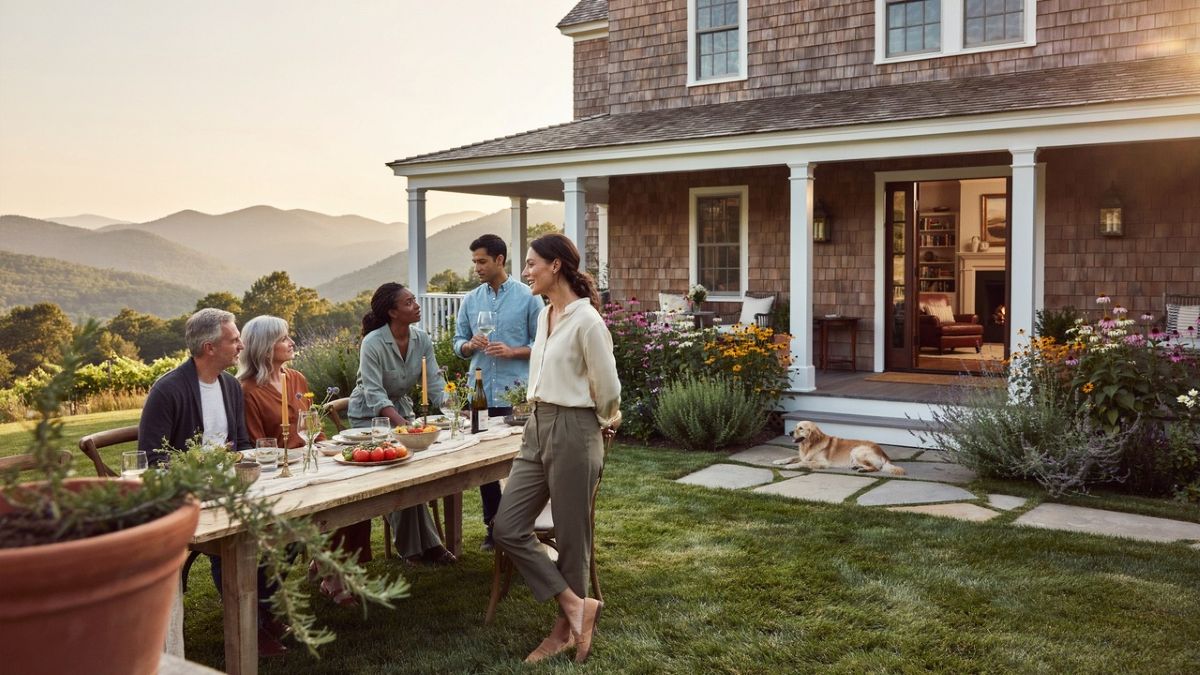
Image generated with Ai
Women-led hotels across the United States are changing what a stay can mean. The shift is not only about who owns a hotel. It is about who gets a job, whose food is served, how rooms feel and whether a solo guest feels seen.
From Virginia horse country to the Great Smoky Mountains, New York City and Cincinnati, women founders and leaders are putting fresh ideas into hotels, resorts and bed and breakfasts. They are making stays feel more local, more personal and more connected to the community.
A Bigger Change Is Taking Place in US Hospitality
Women work across the hotel industry. They welcome guests, cook meals, clean rooms, manage events and run marketing teams. Yet they still hold fewer senior leadership and ownership roles than men.
This makes women-led properties important. They show what can happen when women have more power over decisions. These decisions shape the guest experience. They also shape local jobs and local spending.
The story is not that every hotel owned by a woman is the same. It is not fair to say that every woman-led stay is safer or better. Each property must prove its own promises. But many have brought a more thoughtful view of service, design, food and community into the travel business.
Advertisement
Advertisement
Salamander Resort Makes Luxury More Inclusive in Virginia
Salamander Resort and Spa in Middleburg, Virginia, offers one of the strongest examples. The resort was founded by Sheila Johnson. She is one of the most recognised women in American hospitality.
Johnson built the resort in Virginia wine country. It brought luxury travellers, jobs and new attention to Middleburg. Yet its bigger story lies in the events and people it supports.
Salamander has hosted The Family Reunion, a food event that celebrates Black chefs, culinary talent and the deep influence of Black cooking on American food. This gives chefs and food voices a high-profile stage inside a luxury resort.
The model matters for travellers. A hotel meal can become more than a meal. It can tell the story of a place and its people. It can bring visitors closer to chefs, farmers, artists and traditions that may otherwise be missed.
Blackberry Farm Turns a Rural Stay into a Food Story
In East Tennessee, Blackberry Farm and Blackberry Mountain show how a woman proprietor can shape a whole destination. Mary Celeste Beall leads the family-owned properties in the Great Smoky Mountains.
These resorts are known for food, wine, wellness, outdoor life and design. Their appeal is not based only on large rooms or beautiful views. The properties put the land and the region at the heart of the stay.
For visitors, this means food has a clear sense of place. Local ingredients, farm work, cooking and seasonal menus become part of the journey. Guests do not only arrive to sleep. They arrive to understand why East Tennessee tastes and feels different.
This approach also gives local producers a stronger place in tourism. When a luxury hotel buys from nearby farms and makers, visitor money can stay closer to the destination.
Advertisement
Advertisement
Hotel Effie Shows Why Small Design Details Matter
Hotel Effie in Miramar Beach, Florida, gives this story a different angle. The hotel was created by developer Sara Becnel and was designed with women travellers in mind.
That may sound simple. But small design choices can make a large difference. Good lighting matters. Clear bathroom layouts matter. Useful amenities matter. A guest should not have to struggle to find plugs, mirrors, storage or a comfortable space to get ready.
These details are especially important for women travelling alone, working on the road or arriving late after a flight. They do not replace proper security systems. But they show that a hotel has thought about real guest needs.
This is where the US stay experience is changing. Guests now look beyond pools and room size. They want practical comfort. They want spaces that feel easy to use from the moment they check in.
New York and Cincinnati Bring Different Voices to Travel
The Lowell in New York City is a woman-owned luxury hotel led by Dina De Luca Chartouni. It shows how woman-led hospitality can work in a major city.
The hotel focuses on a quiet, home-like feeling in one of the busiest places in the world. This is valuable for travellers who want a more personal stay rather than a large and anonymous hotel.
In Cincinnati, Six Acres Bed and Breakfast adds a powerful heritage angle. Founder Kristen Kitchen restored a historic house connected to the Underground Railroad. The property gives visitors a chance to stay close to a vital African American history story.
This is more than a bed and breakfast. It is a place where preservation, culture and tourism meet. Guests can learn about the past while supporting a woman-owned local business. It also helps spread visitor spending beyond the biggest city attractions.
Advertisement
Advertisement
Women Founders Also Leave a Lasting Mark
Some important US brands are no longer independently owned by their women founders. Their stories still matter.
21c Museum Hotels was co-founded by Laura Lee Brown. It helped make art a central part of the hotel stay. Guests could sleep in converted buildings, see contemporary art and eat in restaurants that welcomed local people as well as hotel guests.
Under Canvas was co-founded by Sarah Dusek. The brand helped make glamping near national parks a major US travel idea. It showed that visitors wanted nature, comfort and a lighter style of outdoor stay.
These are not current women-owned independent businesses. That point must be clear. But their founders helped change the market. Their ideas continue to shape how hotels use art, nature and local culture.
| Property | US location | Stay type | Women-led status | Main change to guest experience | Hiring and community impact | Food and sourcing angle | Design and safety angle |
|---|---|---|---|---|---|---|---|
| Salamander Resort and Spa | Middleburg, Virginia | Luxury resort | Founded by Sheila Johnson | Turns a countryside resort into a cultural and culinary destination | Supports diverse hospitality talent, chefs and cultural events | The Family Reunion highlights Black culinary traditions and leading chefs | Large resort setting with personalised luxury service and destination programming |
| Blackberry Farm | Walland, Tennessee | Luxury countryside resort | Led by proprietor Mary Celeste Beall | Makes food, farming, wellness and mountain life part of the stay | Supports a year-round rural tourism economy in East Tennessee | Seasonal food, wine and farm-led experiences give local produce a central role | Natural materials, landscape-led design and wellness spaces shape the guest journey |
| Blackberry Mountain | Walland, Tennessee | Mountain wellness resort | Led by proprietor Mary Celeste Beall | Blends adventure, wellbeing and high-end rural travel | Extends tourism jobs and visitor spending into the Smoky Mountains region | Food and wellness experiences connect guests with the local landscape | Outdoor-focused design encourages a slower and more restorative stay |
| Hotel Effie | Miramar Beach, Florida | Beach hotel | Created by developer Sara Becnel | Gives greater attention to the needs of women travellers | Adds a woman-led voice to Florida coastal hospitality development | Dining forms part of a wider beach and leisure stay | Thoughtful lighting, bathroom amenities and practical room details support guest comfort |
| The Lowell | New York City, New York | Luxury city hotel | Woman-owned and led by Dina De Luca Chartouni | Offers a quieter, more residential style of New York stay | Shows the role of women owners in premium city hospitality | High-end dining and service support a refined local luxury experience | Personal service and home-like interiors appeal to business and solo guests |
| Six Acres Bed and Breakfast | Cincinnati, Ohio | Historic B&B | Founded and owned by Kristen Kitchen | Turns an overnight stay into a heritage experience | Supports local tourism and shares African American history | Smaller B&B model can direct visitors towards independent local businesses | Historic restoration gives guests a close connection to place and history |
| 21c Museum Hotel Louisville | Louisville, Kentucky | Art hotel | Co-founded by Laura Lee Brown; now part of Accor | Put contemporary art inside the hotel stay | Helped bring visitors and cultural activity to restored urban buildings | Proof on Main connected hotel dining with Louisville food culture | Art-filled public areas make guests feel part of the city rather than separate from it |
| 21c Museum Hotels network | Several US cities | Boutique art hotels | Women-founded legacy; no longer independently woman-owned | Helped popularise the art-hotel model in US cities | Adaptive reuse helped bring activity to historic downtown districts | Restaurants often worked as local meeting places, not only hotel outlets | Public art makes lobbies and corridors more engaging for guests and residents |
| Under Canvas | National park gateways across the United States | Glamping | Co-founded by Sarah Dusek; no longer woman-owned | Helped make comfortable outdoor stays more mainstream | Creates tourism demand near gateway towns and outdoor destinations | Outdoor dining and camp-style meals support the nature-travel experience | Canvas tents, private spaces and organised camp layouts make nature travel easier for first-time glampers |
| Canyon Ranch | Tucson, Arizona and Lenox, Massachusetts | Wellness resort | Co-founded by Enid Zuckerman | Helped establish wellness as a full holiday experience | Built careers around wellbeing, fitness, nutrition and spa services | Nutrition and healthy food form part of the stay rather than an extra service | Wellness-focused rooms, treatments and programmes aim to make guests feel restored |
| Bunkhouse Hotels | Texas and selected US destinations | Boutique hotel group | Founded by Liz Lambert; later acquired by Hyatt | Brought local character and independent style into boutique hotel stays | Helped create demand for neighbourhood-based hotels and local creative workers | Local food, music and design became part of the brand identity | Strong local design gives guests a clearer sense of the city or neighbourhood |
| Akwaaba Bed and Breakfast Inns | New York and selected US locations | Boutique B&B collection | Created by Monique Greenwood | Offers intimate stays built around personal hosting and cultural warmth | Creates a platform for small-scale, women-led hospitality | Breakfast and neighbourhood recommendations bring visitors closer to local businesses | Smaller properties can offer more direct host-to-guest contact and reassurance |
| The broader women-led hotel movement | Across the United States | Resorts, B&Bs, city hotels and glamping | Women remain under-represented in senior hotel leadership | Changes the conversation from ownership alone to how hotels operate | Opens more pathways for women in management, development and ownership | Can expand contracts for local farms, chefs, makers and suppliers | Encourages closer attention to practical needs such as lighting, privacy, room access and solo-travel comfort |
Safety Must Be More Than a Marketing Message
Guest safety is a key part of this report. Hotels should not make broad claims without proof. A safe stay needs real action.
Travellers should ask about well-lit paths and car parks, secure room entry, staff available at all hours, late-night transport, privacy rules for room numbers and clear help for guests facing harassment or danger.
Women-led hotels can lead this discussion. But every hotel has a duty to do it well. Good design helps. Strong policies matter even more.
Advertisement
Advertisement
The New US Stay Is About People
Women-owned and women-led hotels are helping the United States travel sector move beyond beds and bookings. They are creating jobs. They are supporting local food. They are protecting historic places. They are making hotel design feel more useful and personal.
For travellers, this creates a deeper choice. A stay can now offer more than comfort. It can connect a visitor with the people, food and stories that make a destination real.
Advertisement
