

Emirates Joins Qatar, Etihad, Lufthansa, Air France‑KLM and Leading Carriers in a High-Impact Strategy Shift to Overcome Middle East Airspace Restrictions, Soaring Fuel Prices, and Global Aviation Challenges

Published
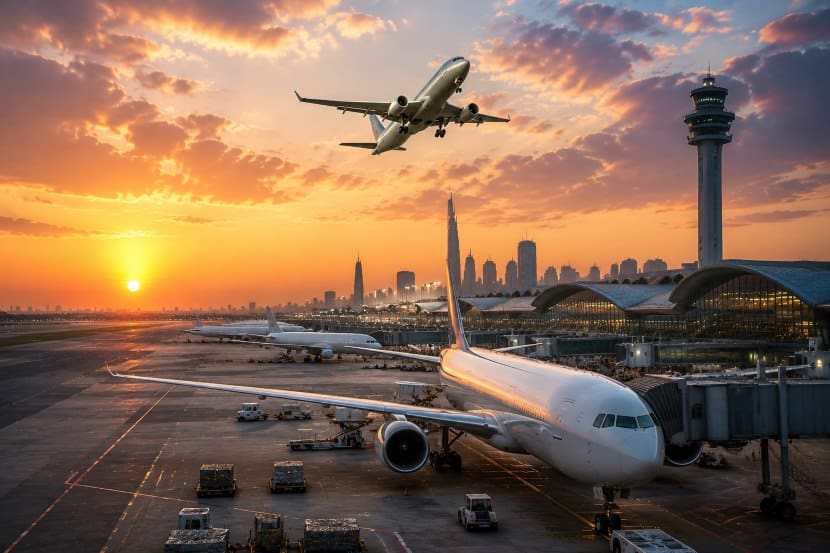
In the midst of unprecedented turbulence in global aviation, Emirates joins Qatar Airways, Etihad, Lufthansa, Air France‑KLM and top international airlines in a high-impact global strategy shift to overcome Middle East airspace restrictions, soaring fuel prices, and the unprecedented challenges threatening international air travel, ensuring that passenger safety, connectivity, and operational resilience remain central to airline priorities. The combination of geopolitical tensions, sudden airspace closures, and escalating jet fuel costs has disrupted traditional flight corridors, forcing airlines to rethink conventional approaches to scheduling, capacity, and customer assurance.
Leading carriers are moving away from short-term price competition, instead focusing on strategies that prioritize network reliability, passenger confidence, and strategic adaptability. Key measures include maintaining uninterrupted connectivity through rerouted flight paths, implementing anti-stranding guarantees, and enhancing operational flexibility to respond rapidly to changing airspace availability. Airlines are also investing in fleet expansion and service improvements, offering high-value non-monetary incentives such as premium lounges, in-flight connectivity, and flexible ticketing options to reinforce loyalty and brand reputation.
By combining operational foresight with robust passenger support, these carriers are mitigating the risks posed by restricted Middle East airspace and surging fuel costs. This coordinated response demonstrates how leading airlines are not only managing immediate disruptions but also positioning themselves for long-term resilience in one of the most volatile periods in international aviation history.
Emirates: Service Guarantees and Capacity Preservation
Emirates has emerged as a leading example of strategic adaptation during this crisis. Rather than lowering ticket prices, the airline has focused on non-monetary incentives that enhance traveler confidence and protect its reputation as a dependable long-haul carrier.
Advertisement
Advertisement
Key Strategic Moves
- Anti-Stranding Guarantees: Emirates guarantees that passengers who are affected by sudden airspace closures or flight cancellations will be accommodated, including booking on partner airlines when necessary to ensure safe and timely arrivals. This approach addresses the primary concern of travelers: the fear of being stranded.
- Capacity Retention: Despite reduced occupancy in premium cabins due to uncertainty among travelers, Emirates has opted not to cut flights. Maintaining a full flight schedule reinforces reliability and preserves its global connectivity advantage.
- Operational Transparency: Emirates has enhanced its communication with passengers regarding safety protocols, rerouting plans, and operational contingencies to reduce anxiety and maintain trust.
- Service Enhancements: The airline has introduced high-value offerings, including complimentary access to premium lounges, onboard connectivity improvements, and flexible rebooking policies that make the travel experience more attractive than discounted alternatives.
Safety and Diplomacy
To mitigate operational risk, Emirates has increased its focus on real-time intelligence sharing with regional governments and aviation authorities. The airline has also engaged in active airspace diplomacy, advocating for precise, dynamic management of restricted sectors rather than blanket flight warnings, ensuring that civilian aircraft can continue to operate safely.
These measures demonstrate that Emirates is prioritizing passenger safety and network reliability over short-term revenue adjustments, relying on its substantial financial reserves to weather operational cost increases caused by detours and longer flight times.
Advertisement
Advertisement
Qatar Airways: Flexibility in the Face of Airspace Disruptions
Qatar Airways, like Emirates, has refrained from lowering fares in response to traveler hesitancy, instead emphasizing flexibility and operational adaptability.

Strategic Responses
- Route Flexibility: The airline has implemented robust rerouting options for passengers affected by airspace restrictions, ensuring continuity of service even when direct routes are unavailable.
- Maintenance of Schedules: Qatar Airways has maintained its core global network wherever possible, avoiding broad capacity reductions while carefully adjusting flight paths to comply with national restrictions.
- Passenger Assurance Programs: Travelers receive clear, real-time updates on safety measures, operational changes, and potential delays to instill confidence in travel plans.
- Operational Resilience: By absorbing additional costs from detours and extended flight durations, the airline preserves premium service quality without compromising safety or reliability.
Qatar Airways’ strategy reflects a long-term commitment to network integrity, reinforcing the carrier’s reputation as a reliable hub operator while navigating challenging regional conditions.
Etihad Airways: Growth-Focused Resilience
Etihad Airways has pursued a strategy that combines capacity restoration with fleet expansion, aiming to recover pre-conflict operational levels while investing in long-term growth.
Key Measures
- Pre-War Capacity Restoration: Etihad is gradually returning to its pre-2026 flight schedule, signaling confidence in demand recovery and market stability.
- Fleet Expansion: Orders for additional widebody aircraft demonstrate Etihad’s commitment to maintaining a robust network even amid volatile conditions.
- Service Enhancements: The airline has implemented non-monetary incentives, including premium lounge access, in-flight Wi-Fi connectivity, and flexible ticketing options, mirroring strategies seen across Gulf carriers.
- Operational Flexibility: Etihad continues to adapt routing and schedules in response to airspace availability, ensuring passengers experience minimal disruption despite external pressures.
By focusing on growth and operational reliability, Etihad aims to leverage the crisis as an opportunity to strengthen its global connectivity while safeguarding its brand reputation in the premium market segment.
Lufthansa Group: Legacy Carrier Adaptation
The Lufthansa Group, which encompasses Lufthansa, Swiss, Austrian Airlines, and Brussels Airlines, has focused on network reliability and structural guarantees to maintain service during the Middle East crisis.
Strategic Adjustments
- Rerouted Flights: Key long-haul routes traversing restricted airspace have been temporarily rerouted or suspended, prioritizing compliance with safety advisories.
- Passenger Guarantees: The airline has enhanced customer support policies, including accommodations, meal provisions, and rebooking guarantees in the event of delays or cancellations caused by airspace closures.
- Hub Reinforcement: Frankfurt and Munich hubs have been strengthened, enabling continued European connectivity while international flights navigate airspace limitations.
- Operational Transparency: Clear communication on route changes, safety measures, and revised departure times ensures passengers remain informed and confident in Lufthansa’s service reliability.
The group’s approach highlights the importance of maintaining service integrity for both business and leisure travelers in an environment of constrained global airspace.
Advertisement
Advertisement
Air France‑KLM: Fuel Management and Strategic Capacity Control
Air France‑KLM has implemented a strategy that balances fuel management with careful capacity planning, reflecting both operational and financial priorities.
Key Measures
- Jet Fuel Assurance: The group has ensured adequate fuel supplies to sustain operations through peak travel periods despite record-high prices, mitigating risk to scheduled services.
- Capacity Moderation: Expansion plans for 2026 have been scaled back in response to increased operational costs, preserving financial stability while maintaining essential connectivity.
- Operational Transparency: Passengers are kept informed about potential flight adjustments, rerouting, and safety protocols to maintain confidence in the airline’s commitment to safe and reliable travel.
- Non-Monetary Incentives: Similar to Gulf carriers, Air France‑KLM has invested in passenger experience upgrades, including flexible rebooking and premium in-flight services, rather than relying on fare reductions.
This approach ensures that the airline maintains service reliability and brand positioning while managing the financial pressures imposed by increased fuel costs and complex routing requirements.
Comparative Analysis of Major Airlines
The table below summarizes key strategies and operational stances adopted by these leading carriers in response to the 2026 Middle East airspace crisis:
| Airline | Strategic Focus | Capacity Stance | Operational Response | Passenger Incentives |
|---|---|---|---|---|
| Emirates | Service guarantees, reliability | Full schedule maintained | Enhanced passenger support, rerouting options, operational transparency | Lounge access, connectivity, flexible rebooking |
| Qatar Airways | Route flexibility, operational resilience | Adjusted to airspace availability | Dynamic rerouting, schedule maintenance, flexible booking options | Clear communication, real-time operational updates |
| Etihad Airways | Growth-oriented, fleet expansion | Returning to pre-conflict levels | Expanded widebody fleet, network restoration, operational adaptation | Premium lounges, Wi-Fi onboarding, rebooking flexibility |
| Lufthansa Group | Network reliability, structural guarantees | Selective rerouting and suspension | Hub reinforcement, passenger guarantees, transparent schedule adjustments | Hotel and meal support, re-protection on alternative flights |
| Air France‑KLM | Fuel management, measured growth | Controlled expansion | Capacity moderation, fuel assurance, operational transparency | Flexible ticketing, premium service enhancements |
Industry-Wide Trends
Beyond the Gulf and European carriers, the global airline industry has faced widespread operational and financial pressure. Rising fuel costs, extended flight times due to detours, and reduced demand for premium travel have forced airlines to reconsider pricing, routing, and capacity.

- Many international carriers have shifted flights along alternative corridors such as Central Asia, North Africa, or the southern Arabian Sea to maintain connectivity while avoiding restricted sectors.
- The crisis has halved projected profits for many airlines in 2026, emphasizing the need for financial resilience, operational efficiency, and service guarantees as competitive differentiators.
- Low-cost carriers and regional airlines have also adopted selective suspensions, rerouting, and flexible scheduling measures to mitigate the impact of fuel costs and airspace constraints.
Overall, the focus has shifted toward network reliability, passenger assurance, and operational transparency rather than fare competition. Airlines that prioritize safety, connectivity, and strategic resilience are better positioned to navigate the 2026 crisis and maintain brand loyalty in a volatile market.
Emirates joins Qatar Airways, Etihad, Lufthansa, Air France‑KLM and top international airlines in a high-impact global strategy shift to tackle Middle East airspace restrictions, rising fuel costs, and travel challenges.
Advertisement
Advertisement
Conclusion: A Transformed Global Aviation Landscape
The 2026 Middle East airspace crisis has catalyzed a fundamental transformation in commercial aviation strategy. Leading carriers like Emirates, Qatar Airways, Etihad, Lufthansa, and Air France‑KLM have collectively demonstrated that operational reliability, passenger assurance, and strategic adaptability outweigh short-term price competition in times of geopolitical and economic stress.
Airlines have shifted their focus toward:
- Maintaining connectivity despite airspace closures
- Providing service guarantees and anti-stranding assurances
- Investing in fleet expansion and operational flexibility
- Prioritizing passenger experience through non-monetary incentives
This strategic recalibration ensures that carriers maintain both operational and financial stability while protecting their premium brand positioning. Looking ahead, the industry’s ability to adapt to dynamic geopolitical, regulatory, and economic conditions will define the post-2026 competitive landscape, cementing the importance of reliability and strategic foresight in global aviation.
Advertisement
