

Australia’s Tourism Strength Meets the Push for Sustainable Aviation Fuel

Published
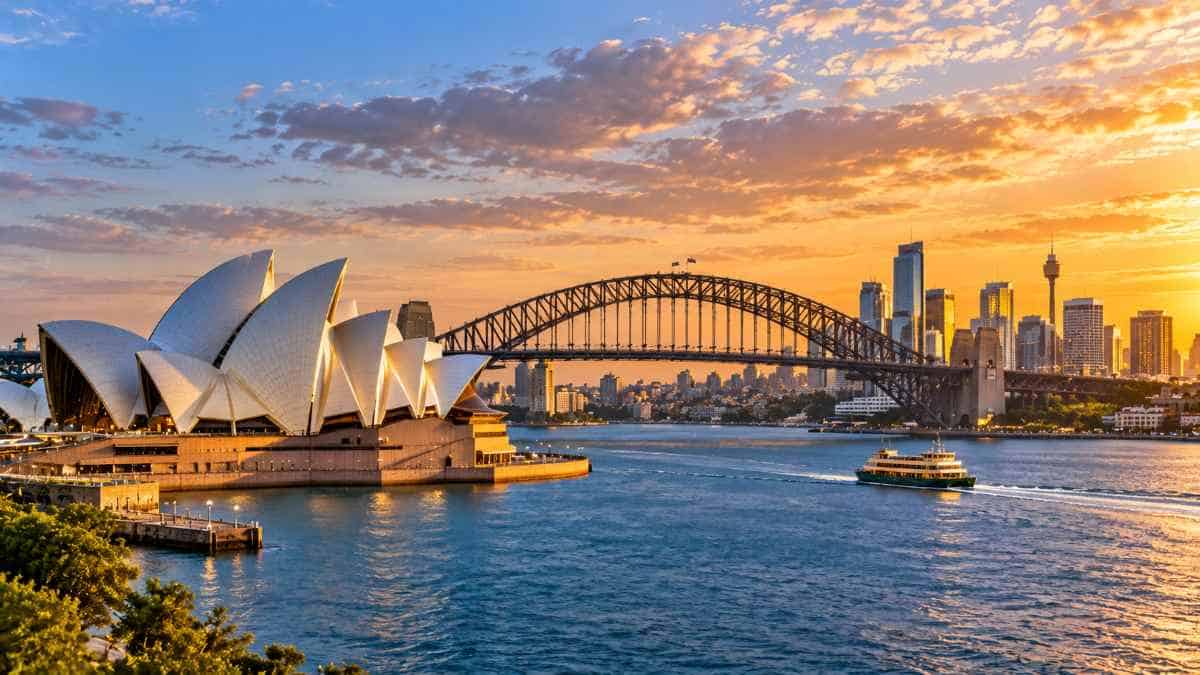
The relationship between the nation’s tourism and aviation industries and its international connectivity and natural resources is a factor in tourism. Australia is attractive in terms of coastal, wildlife, city tourism as well as the long-haul travel market, while the remoteness of the country from some source markets creates an opportunity to use only air transportation for international tourists. The current brief connects the tourism competitiveness of Australia with the investment program of sustainable aviation fuel. Still, there are several statements which need to be checked before they are stated as facts. These statements include Australia being the fourth country in the Travel and Tourism Development Index 2026 (TTDI) of the World Economic Forum, the roadmap for a legislated SAF mandate with an A$120 million investment, and increased passenger yields and spending, among other things. Australia has implemented policies aimed at low-emission aviation and domestic SAF production; however, it was impossible to confirm the exact package and the figures mentioned above from official sources. Below is the article which differentiates between the policy context and figures.
Australia’s Tourism Ranking Needs Careful Interpretation
The World Economic Forum’s Travel and Tourism Development Index assesses countries across a range of factors, including the enabling environment, infrastructure, natural and cultural resources, sustainability and the conditions that support tourism development. Australia’s landscapes, biodiversity and established visitor infrastructure are important elements of its international appeal.
However, the claim that Australia climbed two places to rank fourth globally in a 2026 TTDI edition could not be verified. The WEF’s published index editions and their rankings should be checked directly before the position is used in a headline or treated as a confirmed result.
Australia’s natural attractions remain central to its tourism offer. The Great Barrier Reef, national parks, coastal landscapes and Indigenous cultural experiences attract visitors from North America, Europe and Asia. Protecting these assets is important to the long-term appeal of the destination, particularly as travellers and tourism operators pay greater attention to environmental impacts.
Advertisement
Advertisement
Sustainable Aviation Fuel Becomes a Policy Priority
Sustainable aviation fuel is increasingly important to Australia’s aviation and energy policy discussions. SAF can be produced from eligible renewable or waste-based feedstocks and may reduce lifecycle greenhouse gas emissions compared with conventional jet fuel, depending on how it is made. It can also be used in existing aircraft when it meets the required technical standards.
Australia has been exploring ways to strengthen domestic production of low-carbon liquid fuels as part of a broader effort to improve fuel security. In August 2026, the federal government released consultation papers on strategic fuel reserves and low-carbon liquid fuels under its A$14.8 billion Fuel Security and Resilience Package.
Advertisement
Advertisement
That package is a broader fuel-security initiative, not confirmation of the specific SAF mandate described in the supplied brief. The claimed legislated roadmap and dedicated A$120 million co-investment facility could not be verified as enacted measures. It would therefore be inaccurate to report them as established policy without an official announcement or legislative record.
Domestic SAF production could nevertheless offer long-term benefits. Australia’s aviation sector relies heavily on liquid fuels, particularly for international services across long distances. Developing local production may diversify supply, create opportunities for regional industries and help airlines manage the transition towards lower-emissions operations. The scale of those benefits will depend on production costs, feedstock availability, investment and reliable demand from airlines.
Advertisement
Advertisement
International Visitor Spending Supports the Economy
Official tourism statistics show that international travel remains an important source of revenue for Australia. Tourism Research Australia reported 8.4 million international trips in the year ending June 2026, up 9 per cent on the previous year. Visitors spent A$40.5 billion in Australia during the period, a 16 per cent increase.
Holidaymakers accounted for 3.7 million trips and generated A$13.4 billion in spending within Australia. Business travel represented 767,000 trips, with A$2 billion spent domestically by business visitors. Education-related travel generated A$15.1 billion, reflecting the substantial economic contribution of international students and other education visitors.
These figures show why Australia’s tourism economy cannot be assessed through leisure travel alone. Holidaymakers, business visitors, people visiting friends and relatives, and education travellers all contribute to demand for accommodation, transport, hospitality and other services.
The supplied claim that North American and European visitors spend an average of A$5,400 per stay, alongside a 5.8 per cent rise in long-haul passenger yield, could not be verified from the official figures reviewed. Visitor spending and airline passenger yield are different measures and should not be combined without clearly defined data and reporting periods.
Connectivity and Sustainability Will Shape Future Growth
The far distance of Australia from many foreign markets necessitates the importance of connectivity through air travel for tourism. The airlines would have to weigh their economic viability, fuel efficiency, demand for passengers and the environmental impact, while destinations would ensure that the growth in visitors positively impacts local businesses and conservation of the natural resources. For the central government, building a low-carbon fuel industry for the domestic sector could serve as an extension of its tourism and aviation policies. However, funding commitments and mandates for such an undertaking have to be confirmed through official pronouncements by the government. In terms of the tourism industry, the visitor spending figures and the aviation statistics will continue to be vital benchmarks for the country. The latest verified tourism figures of Australia have shown an increase in international visits and spending. On the other hand, government consultations point towards the ongoing efforts towards fuel security and development of low-carbon liquid fuels.
Advertisement
