

France Has to Offer Charming Countryside Retreats, While Germany and Others Have Exceptional Nature as Travelers Look for Short Breaks to Spend Quiet Holidays

Published
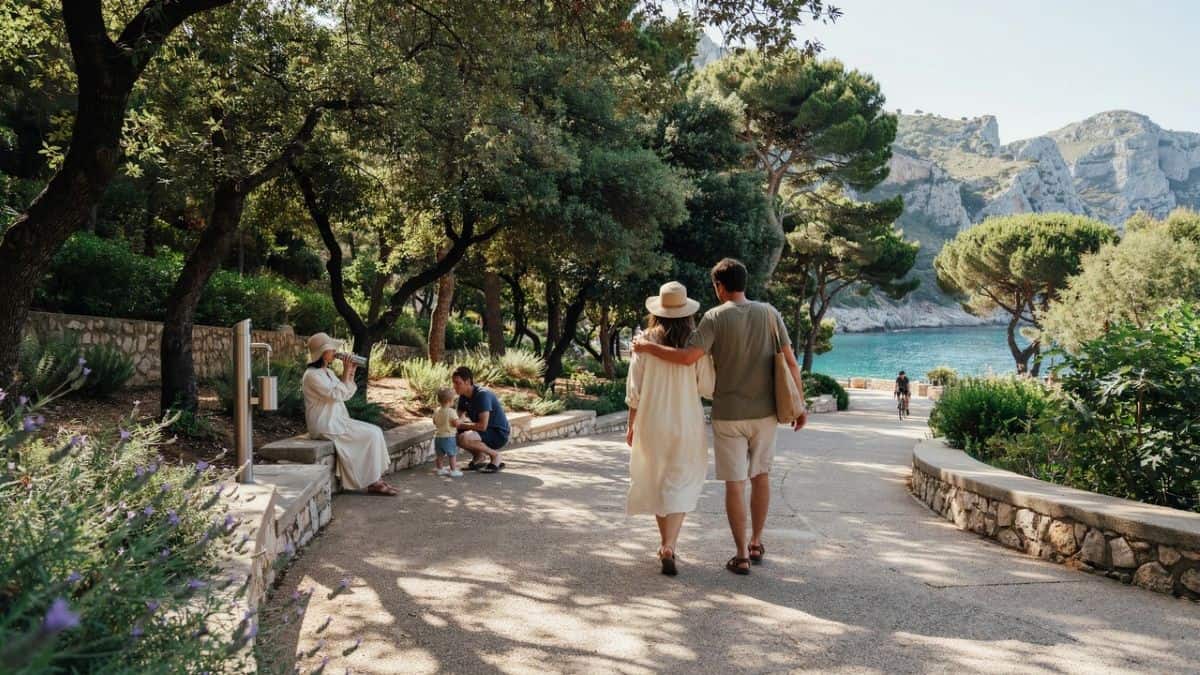
France, Germany, Italy, Sweden, Norway, Finland, Portugal, Switzerland, Austria and several other European countries are attracting growing interest in short breaks and nature-focused holidays in 2026. Travelers are increasingly exploring countryside retreats, mountain destinations, lakeside accommodations and cooler coastal regions. Rising travel costs, changing vacation preferences, climate concerns and demand for convenient getaways are influencing these choices. Recent findings from the European Travel Commission, Eurostat and travel booking platforms suggest that domestic tourism, shorter journeys and outdoor experiences are becoming increasingly important across Europe’s tourism industry.
Short Breaks and Nature-Focused Holidays Surge Across Europe in 2026
| European country | Popular destinations and regions | Main holiday interests | Research-based trend |
|---|---|---|---|
| France | Normandy, Brittany, Loire Valley, French Alps | Countryside breaks, coastal walking, rural accommodation | More than half of summer Airbnb bookings are rural; Normandy is trending |
| Germany | Black Forest, Bavaria, Harz Mountains, Lake Constance | Weekend hiking, forests, lakes, wellness | More than half of summer Airbnb bookings are rural |
| Italy | Trentino-South Tyrol, Dolomites, Veneto Mountains, Lake Garda | Alpine holidays, hiking, mountain villages | Strong booking interest in Trentino-South Tyrol and Veneto Mountains |
| Sweden | Småland, Kalmar, Jönköping, Swedish countryside | Forest retreats, lakes, cabins, cooler holidays | Median summer booking distance has fallen 26% since 2023 |
| Norway | Southern coast, fjords, Bergen region, Lofoten | Coastal escapes, fjord experiences, hiking | Southern coastal destinations are attracting short-haul interest |
| Portugal | Madeira, northern Portugal, Atlantic coast | Coastal walking, island hiking, rural stays | Domestic booking growth and rising interest in Madeira |
| Netherlands | Veluwe, Zeeland, Friesland, Wadden Islands | Cycling, nature parks, coastal weekends | Domestic and shorter-distance travel are gaining attention |
| United Kingdom | Wales, Lake District, Cornwall, Scottish Highlands | Staycations, walking, countryside weekends | Wales is among destinations seeing increased coolcation searches |
| Switzerland | Bernese Oberland, Lucerne, Interlaken, Engadin | Mountain breaks, lake tourism, alpine trails | Growing interest in cooler destinations |
| Slovenia | Lake Bled, Bohinj, Triglav National Park, Soča Valley | Outdoor adventures, lakes, nature tourism | Increased coolcation search interest |
| Finland | Finnish Lakeland, Lapland, national parks | Forest cabins, lakeside holidays, hiking | Strong appeal as a cooler, nature-rich summer destination |
| Iceland | South Coast, Golden Circle, Snæfellsnes | Waterfalls, geothermal scenery, wilderness | Leading destination in a 2026 heat-escape index |
| Austria | Tyrol, Salzburg region, Salzkammergut | Alpine villages, lakes, hiking, wellness | Established mountain-holiday appeal and interest in nature travel |
| Spain | Asturias, Galicia, Cantabria, Pyrenees | Green tourism, coastal walks, rural villages | Major European holiday market with opportunities beyond beach tourism |
| Estonia | Lahemaa, Saaremaa, Pärnu | Forests, islands, wetlands, quieter holidays | Ranked among leading cooler European destinations |
| Latvia | Gauja National Park, Jūrmala, Kurzeme | Woodland escapes, Baltic beaches, cycling | Included among Europe’s top heat-escape alternatives |
| Lithuania | Curonian Spit, Aukštaitija, Žemaitija | Lakes, national parks, coastal nature | Growing relevance to cooler nature-based travel |
| Ireland | Wicklow, Kerry, Connemara, Donegal | Scenic drives, coastal walks, countryside breaks | Strong nature-holiday potential and favourable coolcation ranking |
| Czechia | Bohemian Switzerland, Šumava, South Bohemia | Hiking, forests, weekend countryside trips | Strong outdoor-travel motivation in a 2026 European survey |
| Slovakia | High Tatras, Low Tatras, Slovak Paradise | Mountain hiking, national parks, active holidays | Strong outdoor-travel motivation in the same survey |
| Albania | Vlorë, Albanian Alps, southern coast | Affordable coastal breaks, mountains, nature | Vlorë has shown substantial growth in booking popularity |
Why Are Short Breaks and Nature-Focused Holidays Becoming More Popular Across Europe?
European travelers are reconsidering how they spend their vacations. Instead of relying exclusively on extended holidays in major tourist destinations, many are exploring shorter journeys that combine relaxation, outdoor recreation and cultural experiences.
The European Travel Commission reported that 81% of surveyed Europeans planned to travel between June and November 2026. Four-to-six-night vacations represented the most common planned trip duration, accounting for 38% of respondents.
These findings indicate strong interest in manageable vacations, although they do not mean that every traveler is abandoning longer holidays.
Advertisement
Advertisement
Affordability plays an important role. Shorter journeys can reduce transportation expenses and make spontaneous travel easier. Travelers can also explore destinations closer to home without committing to lengthy itineraries.
Nature-focused holidays offer additional attractions. Forest walks, mountain trails, lakeside stays and countryside accommodations provide opportunities to combine physical activity with relaxation.
Advertisement
Advertisement
Together, these preferences are encouraging tourism businesses to develop flexible accommodation packages and accessible outdoor experiences.
How Are France and Germany Strengthening Europe’s Countryside Tourism Market?
France and Germany stand out as major European markets for rural accommodation and nature-oriented vacations.
Advertisement
Advertisement
Airbnb’s 2026 European travel analysis indicates that rural destinations account for more than half of summer bookings in both countries. This highlights the importance of countryside accommodation within their broader tourism markets.
In France, Normandy is attracting interest from travelers seeking coastal scenery, traditional villages and peaceful rural surroundings. Brittany, the Loire Valley and the French Alps also provide opportunities for walking, cycling and countryside exploration.
Germany offers similarly diverse experiences. Bavaria attracts visitors with alpine landscapes and lakes, while the Black Forest provides extensive woodland trails and traditional communities.
The Harz Mountains and Lake Constance region offer additional options for outdoor recreation.
Advertisement
Advertisement
Eurostat recorded approximately 154 million overnight stays at French campsites and caravan parks in 2025, compared with around 45 million in Germany.
These figures demonstrate the substantial scale of outdoor accommodation demand in both countries.
Why Is Italy Emerging as an Important Destination for Mountain and Nature Holidays?
Italy remains internationally recognized for its historic cities, Mediterranean coastline and cultural attractions. However, its mountain regions are also drawing attention from travelers interested in outdoor experiences.
Airbnb’s 2026 booking research identifies growing interest in Trentino-South Tyrol and the Veneto Mountains.
These northern Italian destinations offer alpine landscapes, walking routes, mountain villages and opportunities to experience local traditions.
The Dolomites are particularly important to Italy’s outdoor tourism industry. Their dramatic peaks, hiking trails and mountain scenery attract visitors seeking active holidays.
Advertisement
Advertisement
Lake Garda provides another alternative, combining lakeside recreation with nearby mountain attractions.
Italy’s established transportation network also allows travelers to combine cultural sightseeing with outdoor activities during relatively short vacations.
According to Eurostat, Italian campsites and caravan parks recorded approximately 49.1 million overnight stays in 2025.
This substantial accommodation market demonstrates the importance of outdoor tourism alongside Italy’s conventional hotel sector.
Nevertheless, booking interest in individual mountain destinations should not be interpreted as evidence that nature tourism is replacing Italy’s traditional attractions.
How Are Sweden, Norway and Finland Benefiting From Interest in Cooler Holidays?
Northern Europe is attracting attention as travelers consider destinations with comparatively mild summer temperatures and extensive natural landscapes.
Advertisement
Advertisement
Sweden, Norway and Finland are particularly well positioned to appeal to visitors interested in forests, lakes, coastal scenery and outdoor recreation.
Airbnb reported that the median distance traveled for summer bookings in Sweden had declined by 26% since 2023. This suggests growing importance for shorter-distance travel within the Swedish market.
Regions such as Småland offer lakeside cottages, woodland surroundings and traditional rural accommodation.
Norway attracts visitors with fjords, coastal communities and mountain landscapes. Its southern coastline has also emerged as an area of interest for short-haul travelers.
Finland offers extensive forests, national parks and lake districts. Its countryside cabins provide accommodation for visitors seeking quiet natural surroundings.
The growing popularity of cooler destinations also reflects concerns about extreme summer temperatures elsewhere in Europe.
Advertisement
Advertisement
However, northern destinations face their own challenges, including seasonal demand, transportation costs and pressure on sensitive natural environments.
What Makes Portugal, Spain and the Netherlands Attractive for Short Nature Escapes?
Portugal, Spain and the Netherlands offer different combinations of coastal landscapes, countryside attractions and accessible outdoor activities.
Portugal is benefiting from interest in destinations such as Madeira, where visitors can explore mountain scenery, coastal viewpoints and walking trails.
Northern Portugal also provides opportunities for rural tourism through traditional villages, river valleys and natural landscapes.
Spain’s northern regions offer alternatives to its better-known Mediterranean beach resorts. Asturias, Galicia and Cantabria feature green countryside, dramatic coastlines and walking routes.
The Pyrenees provide additional opportunities for mountain recreation and active holidays.
Advertisement
Advertisement
The Netherlands offers a different experience, with cycling routes, coastal landscapes, national parks and countryside accommodations.
Destinations such as the Veluwe, Zeeland and Friesland appeal to travelers interested in outdoor recreation without lengthy journeys.
Eurostat recorded approximately 49.8 million overnight stays at Spanish campsites and caravan parks in 2025, compared with 26.8 million in the Netherlands.
These figures underline the importance of outdoor accommodation in both tourism markets.
Why Are Switzerland, Austria and Slovenia Important to Europe’s Outdoor Travel Industry?
Switzerland, Austria and Slovenia offer some of Europe’s most recognizable mountain and lake destinations.
Switzerland attracts visitors with alpine scenery, mountain railways, walking routes and lakeside communities.
Advertisement
Advertisement
Regions around Interlaken, Lucerne and the Bernese Oberland provide opportunities to combine scenic transportation with outdoor recreation.
Austria offers similar attractions through Tyrol, Salzburg and the Salzkammergut lake district.
Visitors can explore mountain villages, hiking trails and traditional hospitality experiences while enjoying access to established tourism infrastructure.
Slovenia has developed a strong identity around outdoor tourism, particularly through Lake Bled, Lake Bohinj, Triglav National Park and the Soča Valley.
Its relatively compact geography allows travelers to experience different natural environments within a limited vacation period.
These destinations also benefit from interest in cooler mountain environments during summer.
Advertisement
Advertisement
However, increased tourism can create pressure on hiking trails, mountain transportation systems and protected landscapes.
Effective visitor management will remain important as outdoor tourism develops.
How Are Iceland, Ireland and the United Kingdom Responding to Nature-Based Travel Demand?
Iceland, Ireland and the United Kingdom offer distinctive natural attractions that support countryside tourism and outdoor holidays.
Iceland is recognized for volcanic landscapes, waterfalls, geothermal areas and dramatic coastal scenery.
The country ranked first in the 2026 Polarsteps Summer Heat Escape Index, reflecting its favorable positioning for travelers seeking cooler destinations.
Ireland offers coastal walking routes, national parks and countryside accommodations.
Advertisement
Advertisement
Regions such as Kerry, Connemara and Donegal attract visitors interested in scenic landscapes and outdoor exploration.
The United Kingdom provides extensive opportunities for short countryside vacations through the Lake District, Scottish Highlands, Cornwall and Wales.
Wales has also attracted increased attention in coolcation-related travel searches.
These destinations can appeal to domestic travelers who prefer shorter journeys as well as international visitors seeking nature-focused experiences.
Nevertheless, their tourism development depends on more than favorable scenery.
Accommodation affordability, transportation accessibility and weather conditions can significantly influence travelers’ decisions.
Advertisement
Advertisement
What Do European Tourism Statistics Reveal About Short Vacation Preferences?
Eurostat data demonstrates that shorter vacations already represent a substantial part of European travel.
In 2024, approximately 56.3% of tourism trips made by European Union residents lasted between one and three nights.
Estonia, Latvia, Lithuania, Finland and Spain were among the countries where short trips accounted for more than two-thirds of total journeys.
This indicates an established preference for brief vacations in several European markets.
However, short-trip patterns vary considerably between countries.
Italy and Greece recorded lower proportions of one-to-three-night trips, reflecting the continued importance of longer vacations.
Advertisement
Advertisement
Accommodation statistics provide another perspective.
Eurostat reported approximately 413 million overnight stays at campsites, recreational vehicle parks and caravan parks across the European Union in 2025.
That represented an increase of 28.5% compared with 2015.
Although camping statistics do not exclusively measure nature-focused holidays, they demonstrate sustained demand for outdoor accommodation.
Together, these findings reveal the importance of both short-duration travel and established outdoor hospitality markets.
How Are Rising Temperatures and Travel Costs Changing European Vacation Decisions?
Weather conditions and vacation expenses are becoming increasingly important considerations for European travelers.
Advertisement
Advertisement
Extreme summer temperatures can influence destination choices, particularly among visitors interested in walking, sightseeing and outdoor recreation.
Trip.com research reported a 74% year-over-year increase in coolcation-related searches in 2026.
Destinations including Iceland, Norway, Slovenia, Switzerland and Wales attracted increased attention within this category.
Coolcation tourism refers to travel motivated partly by the desire to experience comparatively cooler weather.
Meanwhile, transportation and accommodation costs are encouraging some travelers to consider destinations closer to home.
Shorter journeys can offer greater flexibility, particularly for families and people with limited vacation time.
Advertisement
Advertisement
However, a shorter holiday is not automatically less expensive. Prices depend on transportation, accommodation, season and destination.
Tourism businesses are responding by promoting countryside stays, outdoor activities and flexible travel options.
These developments suggest that convenience, affordability and climate considerations are becoming more influential in European vacation planning.
What Does the Growing Interest in Nature Holidays Mean for European Tourism Beyond 2026?
The growing visibility of short breaks and nature-focused vacations creates opportunities for European destinations beyond traditional tourism centers.
Countryside communities, mountain villages and smaller coastal destinations may benefit from travelers seeking alternative holiday experiences.
Additional visitor spending can support accommodation providers, restaurants, transportation operators and local attractions.
Advertisement
Advertisement
Nature-focused tourism can also encourage investment in walking trails, cycling infrastructure and sustainable visitor facilities.
However, growth requires careful planning.
Popular national parks and mountain destinations may experience congestion, environmental damage and pressure on local infrastructure.
Tourism authorities must balance economic opportunities with environmental protection and community needs.
Looking toward 2027, France, Germany, Italy, Sweden, Norway and other European markets appear well positioned to develop their outdoor tourism offerings.
Europe’s growing interest in shorter vacations reflects changing traveler priorities and a stronger appreciation for natural surroundings. France and Germany offer established countryside tourism experiences, while Sweden, Norway, Italy and Switzerland provide distinctive outdoor attractions. Rising holiday expenses, crowded destinations and concerns about summer temperatures are encouraging travelers to explore alternative locations. Rural communities could benefit through increased accommodation bookings, restaurant spending and local tourism activities. However, sustainable development remains essential to protecting sensitive landscapes. As travelers prioritize affordability, convenience and relaxation, European destinations offering accessible outdoor experiences are well positioned to attract continued interest in the coming years.
Advertisement
