

Spain Unites With Brazil And More Countries In Powering South Africa Tourism Investment With Increased Trade, New Air Routes And Economic Growth

Published
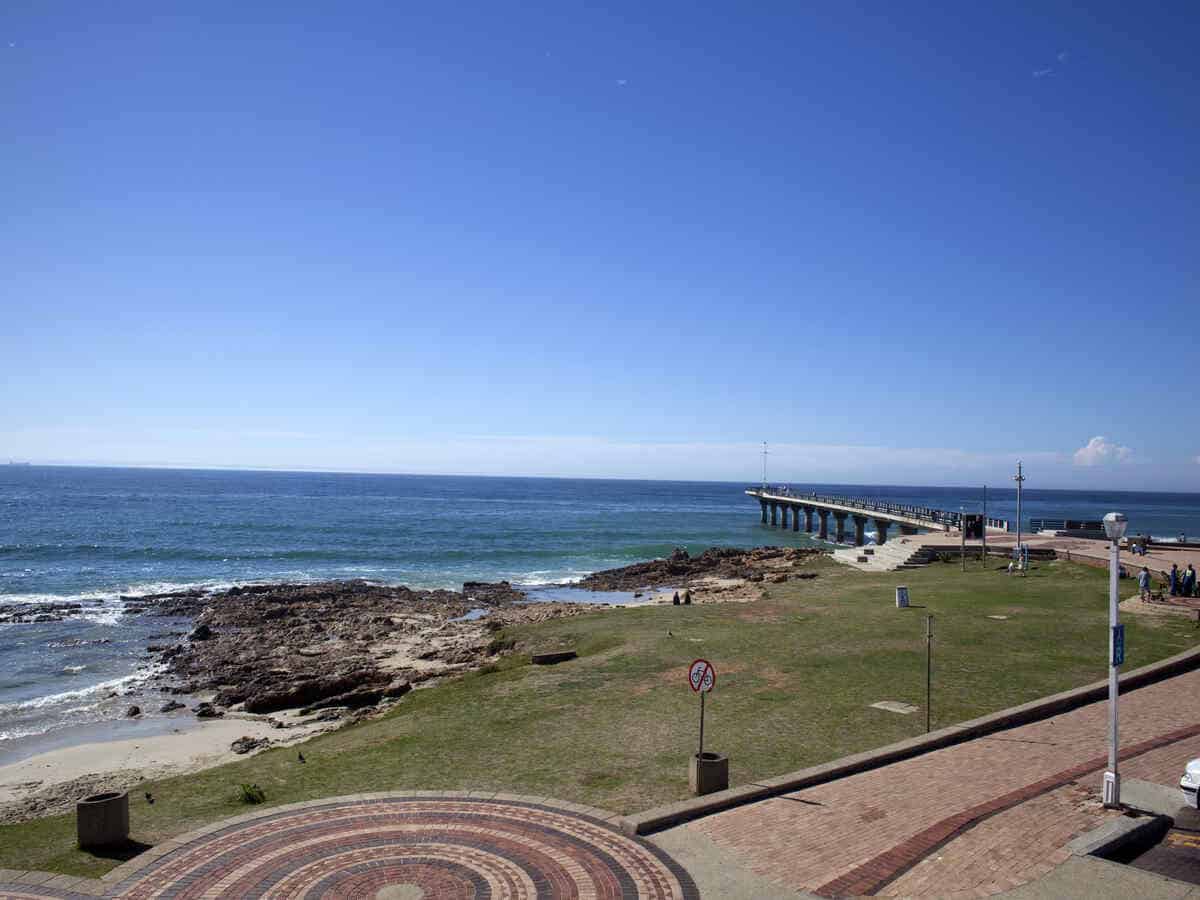
Tourism from Spain, Brazil, and many other countries enhances South African tourism by developing new air routes and alliances. South Africa is enhancing its global tourism sector because of new air routes, business collaborations and hotel partnerships in addition to other activities by Spain, Brazil, France, China, the UAE, Saudi Arabia and various other countries in 2026. New international air routes, increased tourists, and huge tourism infrastructure projects are generating chances for growth and development of the economy. The country is encouraging investments in its tourism development projects to the tune of R3.5 billion, while at the same time looking for better trade relations and business collaborations.
South Africa Accelerates Tourism Investment With Major Infrastructure Projects
South Africa is placing tourism at the centre of its economic growth strategy. During the Tourism Infrastructure Investment Summit in Johannesburg on 1 October 2026, the government presented 15 investment opportunities valued at approximately R3.5 billion.
Advertisement
Advertisement
Three projects had already secured funding commitments. The programme focuses on accommodation, visitor attractions and infrastructure that can support growing tourism demand.
International cooperation is also increasing. Airlines, hospitality operators and tourism organisations are expanding their engagement with South Africa.
Advertisement
Advertisement
Major developments driving tourism investment include:
- R3.5 billion investment pipeline: Tourism infrastructure opportunities across multiple destinations.
- International airline expansion: New connections linking South Africa with important overseas markets.
- Hospitality development: Resort projects and commercial accommodation opportunities.
- Employment generation: Tourism investment supporting local businesses and job creation.
- Government partnerships: Measures designed to improve project preparation and attract financing.
These developments are intended to increase tourism capacity and strengthen the country’s competitiveness.
Advertisement
Advertisement
Spain Expands Tourism Opportunities Through New Johannesburg Air Connections
Spain is strengthening tourism connectivity with South Africa through new international aviation services.
In June 2026, Spanish airline Air Europa launched direct Madrid–Johannesburg flights, operating three weekly services. The connection provides travellers with another option for reaching South Africa through one of Europe’s major aviation gateways.
Advertisement
Advertisement
The route can support tourism growth by improving accessibility for European holidaymakers, business travellers and international visitors using connecting flights.
Johannesburg also provides access to other South African destinations, including safari regions and coastal cities.
Spain’s contribution includes:
- Additional direct international flight capacity.
- Improved access for European tourism markets.
- More opportunities for business travel.
- Potential demand for hotels and visitor attractions.
The development supports tourism-related commercial activity, although it does not establish a specific Spanish-financed tourism infrastructure project.
Advertisement
Advertisement
Brazil Connects South America With Cape Town Through New International Flights
Brazil is playing an expanding role in South Africa’s international tourism network.
In July 2026, LATAM Airlines introduced direct São Paulo–Cape Town services, operating three times weekly. The airline brought forward the route’s launch following passenger demand.
The service strengthens direct access between South America and Cape Town, a destination recognised for its coastline, cultural heritage, wildlife excursions and nearby wine regions.
Improved connectivity can benefit hotels, travel operators, attractions and local transport businesses.
Brazil’s role in tourism expansion includes:
- Strengthening direct South America–South Africa connectivity.
- Increasing travel options for Brazilian holidaymakers.
- Supporting Cape Town’s international destination visibility.
- Creating additional opportunities for tourism-related commercial exchange.
The route is an aviation development rather than a confirmed Brazilian investment in South African hotels or resorts.
Advertisement
Advertisement
France Strengthens Luxury Hospitality Through Club Med’s South African Resort
France has an important connection to South Africa’s premium tourism industry through the French-origin Club Med hospitality brand.
The Club Med South Africa Beach & Safari resort opened in KwaZulu-Natal on 17 September 2026. The development involved investment exceeding R2 billion and combines coastal holidays with safari experiences.
The resort strengthens South Africa’s luxury and family holiday offerings while creating employment opportunities.
Government figures associated with the project include approximately 600 permanent direct jobs and additional indirect employment.
The development also supports tourism businesses supplying transport, goods and visitor services.
However, the resort was funded by a South African investment consortium. France’s contribution is therefore principally through the international hospitality brand and its commercial network, rather than an identified direct French financing commitment.
Advertisement
Advertisement
China Expands Tourism Connections Through Hospitality Ownership and Aviation
China is contributing to South Africa’s international tourism connections through hospitality ownership and planned aviation expansion.
Chinese conglomerate Fosun owns Club Med, linking the new KwaZulu-Natal resort with an internationally established hospitality group.
Meanwhile, Air China planned to increase its Beijing–Shenzhen–Johannesburg services from three to five weekly flights in 2026.
Additional air capacity could improve travel options for Chinese visitors and support South Africa’s efforts to attract more international tourists.
China’s tourism connections include:
- International hospitality ownership through Fosun.
- Planned increases in passenger flight frequencies.
- Improved links with Asian tourism markets.
- Potential commercial opportunities for South African tourism businesses.
Although China has a connection to Club Med’s ownership, the resort’s South African financing structure must be distinguished from Chinese foreign direct investment.
Advertisement
Advertisement
United Arab Emirates Strengthens Tourism Access Through Emirates Expansion
The United Arab Emirates is supporting South Africa’s global travel connectivity through expanded airline services.
In July 2026, Emirates introduced a third daily flight to Cape Town, increasing passenger capacity between the city and Dubai.
Dubai’s extensive international aviation network connects South Africa with travellers from the Middle East, Asia, Europe and other regions.
Additional flights can support hotel demand, leisure travel, meetings and tourism-related business activity.
The UAE also maintains wider commercial relationships with South Africa, including logistics investment.
Key benefits include:
Advertisement
Advertisement
- Greater international passenger capacity.
- Improved connectivity through Dubai.
- Opportunities for hospitality and tourism businesses.
- Stronger conditions for international commercial engagement.
However, aviation expansion and broader UAE investment should not automatically be classified as direct tourism infrastructure financing.
Saudi Arabia Strengthens Tourism Cooperation and Growing Visitor Demand
Saudi Arabia is becoming an increasingly important tourism cooperation partner for South Africa.
On 9 September 2026, Tourism Minister Patricia de Lille hosted Saudi Arabia’s Minister of Hajj and Umrah, Dr Tawfiq bin Fawzan Al-Rabiah.
The meeting explored opportunities to strengthen two-way tourism, airline connectivity, seasonal holiday packages and travel services.
The countries also agreed to establish a joint working group.
Saudi visitor arrivals to South Africa increased from 5,461 in 2021 to 24,942 in 2025.
Advertisement
Advertisement
Saudi Arabia’s growing tourism relationship focuses on:
- Increasing bilateral visitor movements.
- Exploring additional airline frequencies.
- Developing seasonal tourism packages.
- Promoting Islamic heritage and halaal travel experiences.
Although cooperation is expanding, the discussions did not confirm a new Saudi-funded tourism development in 2026.
Singapore, Malaysia and Indonesia Expand Southeast Asian Tourism Partnerships
South Africa is strengthening its presence in Southeast Asia through tourism promotion and investment outreach.
During February 2026, South African tourism representatives engaged with partners in Singapore, Malaysia and Indonesia.
Singapore was an important destination for presenting tourism investment opportunities and discussing stronger commercial cooperation.
Malaysia and Indonesia were also identified as markets for expanding visitor demand.
Advertisement
Advertisement
In 2025, South Africa recorded 9,827 visitors from Singapore and 7,773 from Malaysia. Indonesia contributed approximately 3,000 arrivals.
These initiatives support market diversification and create opportunities for South African tourism businesses.
Nevertheless, destination promotion and investment discussions do not establish completed financial commitments from these countries.
Türkiye Increases Global Connectivity Through Turkish Airlines
Türkiye is helping expand South Africa’s aviation network through Turkish Airlines.
The carrier announced plans to increase South African flight frequencies from 14 to 20 weekly services during October 2026.
Istanbul’s international aviation network provides connections with markets across Europe, Asia and the Middle East.
Advertisement
Advertisement
Greater flight availability can make South Africa more accessible to international holidaymakers and business travellers.
It may also support demand for accommodation, transport services and tourism attractions.
The development reflects stronger international aviation connectivity, although no separate Turkish-financed tourism infrastructure investment has been confirmed through this announcement.
United Kingdom, Germany, United States and India Support Tourism Market Expansion
Several additional countries contribute to South Africa’s international tourism economy through established visitor markets and improving access.
The United Kingdom and Germany remain important European tourism markets. Travellers from these countries support wildlife tourism, coastal holidays and cultural attractions.
The United States contributes to long-haul leisure demand, including premium accommodation, safari experiences and business travel.
Advertisement
Advertisement
Meanwhile, India represents a developing international market. South Africa’s Electronic Travel Authorisation reforms are intended to simplify entry procedures for eligible travellers, potentially supporting additional tourism demand.
These relationships can improve the commercial prospects of South African tourism businesses.
However, visitor demand should not be confused with direct foreign investment unless specific financing commitments are documented.
How International Countries Are Supporting South Africa Tourism Growth in 2026
| Country | Main development | Tourism contribution |
|---|---|---|
| Spain | Madrid–Johannesburg flights | European accessibility |
| Brazil | São Paulo–Cape Town flights | South American connectivity |
| France | Club Med brand expansion | International hospitality |
| China | Fosun ownership and Air China plans | Hospitality and aviation |
| UAE | Emirates Cape Town expansion | International passenger capacity |
| Saudi Arabia | Bilateral tourism cooperation | Visitor growth and partnerships |
| Singapore | Investment promotion | Commercial outreach |
| Malaysia | Tourism marketing engagement | Visitor market development |
| Indonesia | Destination promotion | Southeast Asian tourism demand |
| Türkiye | Turkish Airlines expansion | Global aviation connectivity |
| United Kingdom | Established visitor market | Tourism expenditure |
| Germany | Long-haul travel demand | Hospitality activity |
| United States | Leisure and business tourism | International visitor spending |
| India | Travel-access improvements | Potential market growth |
These contributions include aviation, hospitality and tourism cooperation. They do not represent confirmed direct investment from every country.
Tourism Investment Supports South Africa’s GDP and Employment Ambitions
South Africa’s tourism strategy aims to convert international visitor demand into stronger economic activity.
Statistics South Africa reported that tourism’s direct contribution to national GDP increased from 4.4% in 2023 to 4.9% in 2024.
Advertisement
Advertisement
Direct tourism employment reached approximately 954,000 jobs in 2024.
During January–August 2026, South Africa welcomed more than 7.5 million international visitors, representing 11.7% year-on-year growth.
International visitor spending reached R102.2 billion in 2025, while domestic overnight tourism expenditure totalled R111.6 billion.
These figures demonstrate tourism’s economic importance.
The government’s longer-term objectives include reaching 15 million annual international arrivals, generating R115 billion in international tourism spending and supporting one million direct tourism jobs by 2029.
South Africa’s Global Partnerships Strengthen Its Long-Term Tourism Outlook
South Africa’s international tourism relationships are becoming more diverse in 2026.
Advertisement
Advertisement
Spain and Brazil are strengthening direct air connections, while the UAE, China and Türkiye are contributing through aviation networks. France is linked to international hospitality development, and Saudi Arabia is expanding bilateral tourism cooperation.
Singapore, Malaysia and Indonesia are supporting tourism-market outreach. Established markets such as the United Kingdom, Germany and the United States continue to contribute visitor demand.
These developments complement South Africa’s tourism investment pipeline and infrastructure strategy.
Brazil and Spain are among other countries that help boost South African tourism investments via new air connections, more business and economic growth.
The next step for the country is to turn all this connectivity, business interest and increased number of tourists into investment projects, employment and GDP growth.
Advertisement
