
Paris Luxury Travel Moves Beyond Grand Hotels to Discreet Stays and Private Aviation

Published
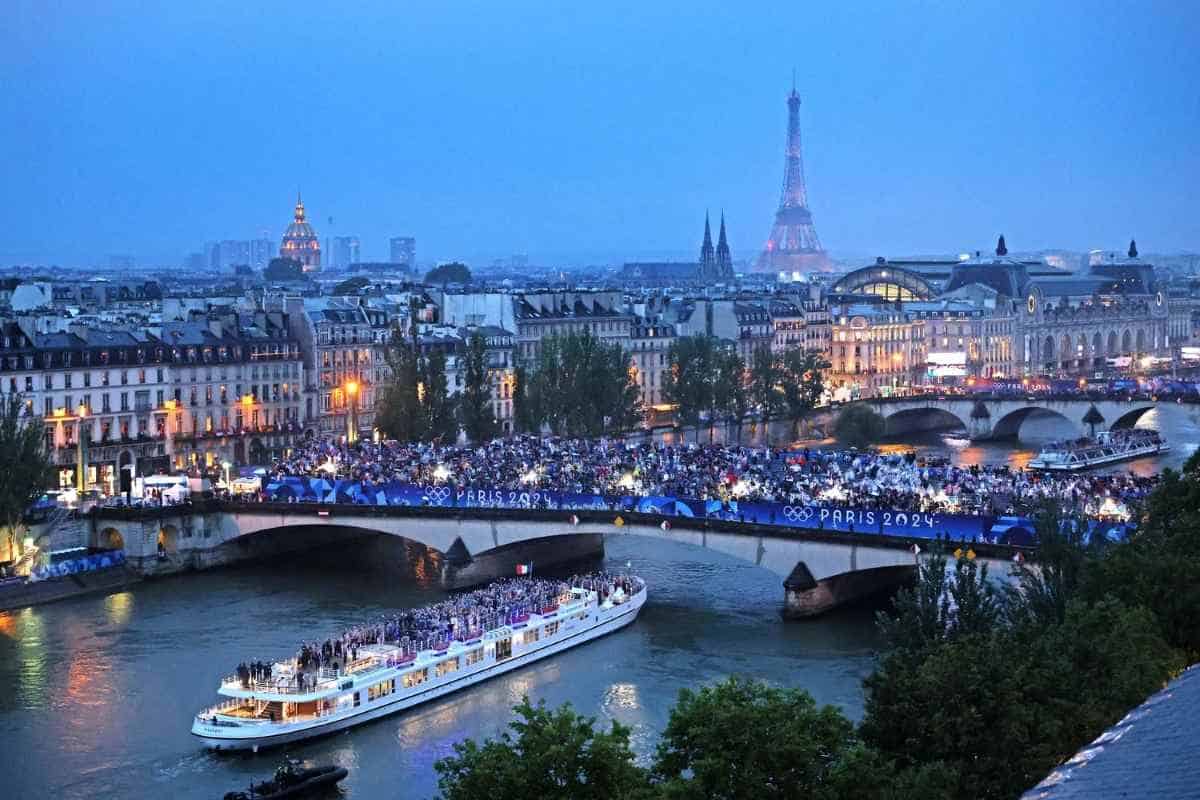
The city of Paris is set to receive yet another batch of fashion enthusiasts, collectors, and foreign tourists, though a more luxurious travel experience is no longer limited to high-end boulevard hotels. There seems to be another hospitality option in development that revolves around smaller venues, residences, and individual services that will enable travellers to explore the French capital without revealing themselves. This is especially relevant considering the upcoming Paris Fashion Week held from 28 September until 6 October 2026 for the Spring/Summer 2027 women’s season. In addition to catwalk shows, the autumn schedule features various events in the spheres of art and design that appeal to visitors whose demands in terms of accommodation and access may vary. The opening of Alfred Paris Lecourbe is among the future openings in Paris hotels; however, its planned opening date is 1 December 2026, not during Fashion Week. As for Paris-Le Bourget, it continues to cater to private flights, though there are unconfirmed reports about new biometric express corridors for fashion and art collectors.
Paris’s Luxury Stay Moves Away From the Grand Boulevard
The traditional image of Parisian luxury is closely associated with landmark hotels, grand interiors and addresses near the Champs-Élysées, Place Vendôme and the Seine.
Advertisement
Advertisement
Yet some travellers increasingly value discretion over visibility. Smaller hotels, serviced residences and private townhouses can provide a more residential atmosphere, particularly for visitors spending several days in the city for fashion appointments, exhibitions or private business.
The 15th arrondissement offers a different perspective on Paris. It is a largely residential district with local markets, neighbourhood restaurants and access to the wider city through public transport.
Advertisement
Advertisement
Alfred Paris Lecourbe is scheduled to open on 1 December 2026, with 43 rooms. Its planned arrival adds to the city’s boutique accommodation pipeline, although it should not be described as an already operating autumn hotel.
The property’s location reflects the wider appeal of neighbourhood-based stays, where visitors can experience Paris beyond its best-known luxury corridors.
Advertisement
Advertisement
Private Left Bank Residences Appeal to Discreet Travellers
The Left Bank has long attracted visitors interested in literature, architecture, galleries and the quieter streets around Saint-Germain-des-Prés and the Latin Quarter.
Private residences managed through specialist conciergeries offer another accommodation model for guests who require space, privacy and tailored arrangements. Depending on the provider, services can include housekeeping, private transport, restaurant bookings and support with cultural visits.
The term “blind residential curation” is not an established hospitality category, but it captures a recognisable preference: selecting a property around a guest’s requirements rather than choosing accommodation primarily for its public profile.
For fashion clients and collectors, this can mean proximity to appointments, room for personal staff or a more private setting for a longer stay.
However, individual residence availability and service arrangements vary. Private access to townhouses or restricted cultural spaces should not be assumed without confirmation from the relevant operator.
Fashion Week Strengthens Demand for Flexible Hospitality
Paris Fashion Week remains one of the city’s major international events. The Fédération de la Haute Couture et de la Mode coordinates the official calendar, which brings established fashion houses and emerging designers into the same city-wide programme.
Advertisement
Advertisement
The schedule creates demand beyond hotel rooms. Visitors may require early departures, late returns, secure transport, flexible dining arrangements and accommodation close to showrooms or appointments.
The luxury hospitality opportunity is therefore not limited to room size or traditional five-star amenities. Timing, privacy and reliable service can become equally important.
The autumn salon circuit adds another layer. Art fairs, design presentations and private gallery appointments attract visitors whose schedules may not follow the conventional tourist day.
Paris’s established cultural infrastructure gives these guests access to museums, galleries and historic neighbourhoods, while private arrangements can add a more personal dimension to the visit.
Le Bourget Remains a Key Gateway for Private Aviation
Paris-Le Bourget Airport, north of central Paris, is a major European centre for business aviation. It accommodates private and corporate aircraft, supported by fixed-base operators, ground handling, maintenance and passenger services.
Its executive aviation facilities already provide a more private alternative to the experience at major scheduled passenger terminals. Travellers can arrange tailored ground transport and coordinate aircraft handling through their operator or FBO.
Advertisement
Advertisement
However, no reliable confirmation was found of a newly launched biometric express corridor specifically designed for fashion and art collectors carrying high-value couture or gallery freight.
Biometric identity checks, where used, are subject to airport, border and security procedures. They should not be presented as a universal service or as a way to bypass required aviation controls.
The same distinction applies to high-value goods. Artwork and couture may require specialist handling, insurance, customs documentation and security arrangements, depending on the shipment and destination.
Art, Fashion and Private Logistics Converge
Paris’s luxury travel ecosystem depends on more than hotels and aircraft. The movement of valuable objects, personal collections and fashion samples can involve specialist logistics providers and advance coordination.
Le Bourget has a wider aviation and technical services environment, including facilities connected with aircraft operations and art conservation. That makes the airport relevant to the broader movement of high-value goods, although specific collector services must be confirmed with individual providers.
For travellers, the attraction is a journey organised around their schedule, rather than one dictated by standard airline timetables.
Advertisement
Advertisement
The distinction matters during major fashion events, when time-sensitive appointments and international connections can make ground transfers and departure arrangements particularly important.
Paris’s Quiet Luxury Proposition Takes Shape
Paris remains popular with its fashion, architecture, museums and restaurants. Instead of turning away from traditional large hotels, the future in hospitality lies in increasing the possibilities for the wealthy tourist. It can be achieved by providing such opportunities as staying at a small hotel in the 15th arrondissement, having an apartment on the Left Bank or flying to an executive airport. All these aspects can be integrated through appropriate services and access. With the start of the cultural autumn in Paris, luxury will probably gain popularity due to its natural fit in the itinerary of a person’s journey.
Advertisement
