
Rhodes and Thessaloniki Hit by Israel Flight Decline as Greece’s Regional Airports Still Record Passenger Growth in April 2026

Published
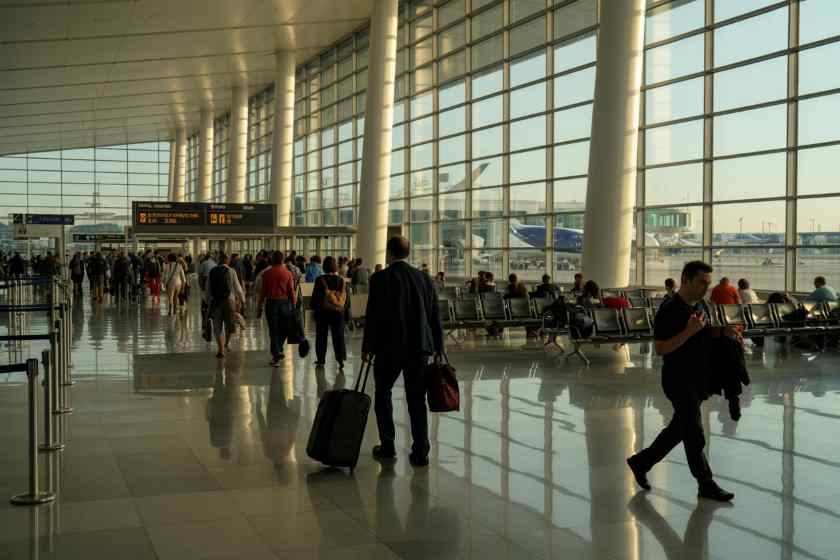
Image generated with Ai
Fraport Greece recorded continued passenger growth across its regional airport network in April 2026 despite severe disruption to Israeli air traffic linked to the ongoing Middle East conflict. The operator’s 14 regional airports handled approximately 1.8 million passengers during the month, representing a year-on-year increase of 3.2 per cent compared with April 2025.
The overall growth demonstrates the resilience of Greece’s tourism sector even as geopolitical instability continues affecting international aviation flows across parts of Europe and the Eastern Mediterranean.
However, the conflict-driven collapse in traffic from Israel significantly impacted several major Greek tourism destinations, particularly Rhodes and Thessaloniki, where airlines suspended or reduced services during part of the month.
Greece’s Regional Airports Continue Expanding Passenger Traffic
Despite ongoing regional instability, Greece’s tourism and aviation sectors continued showing positive momentum during April.
Advertisement
Advertisement
Fraport Greece’s network of regional airports collectively welcomed approximately:
- 1.8 million passengers
- Around 56,000 more travelers than April 2025
The increase reflects continued strength in:
Advertisement
Advertisement
- European leisure travel
- Mediterranean tourism demand
- Seasonal route expansion
- Spring holiday traffic
Greece remains one of Europe’s most important tourism destinations, and many regional airports are already preparing for another busy summer season across the Mediterranean market.
Israel Flight Disruptions Severely Impact Passenger Volumes
The strongest negative pressure during April came from the near-collapse of traffic linked to Israel.
Advertisement
Advertisement
According to airport traffic data:
- Passenger traffic from Israel declined by approximately 92.5 per cent
- Roughly 45,000 fewer passengers traveled compared with the previous year
The sharp reduction followed widespread flight disruptions and cancellations associated with the ongoing Middle East conflict and broader regional security concerns.
The decline significantly affected Greek destinations that traditionally receive strong visitor demand from Israeli travelers during spring and summer travel periods.
Rhodes and Thessaloniki Suffer Largest Traffic Losses
Among Greece’s regional airports, Rhodes and Thessaloniki absorbed the largest impacts from the collapse in Israeli air traffic.
Advertisement
Advertisement
At Rhodes International Airport:
- Passenger traffic linked to Israel fell by approximately 25,000 travelers
At Thessaloniki Airport:
- Israeli-linked traffic declined by approximately 18,000 passengers
Both destinations traditionally attract substantial tourism demand from Israel because of:
- Short flight times
- Mediterranean beach tourism
- Cultural travel links
- Seasonal holiday demand
The sudden reduction created noticeable pressure on airport traffic totals and local tourism businesses dependent on regional travel flows.
Israeli Airlines Gradually Resume Operations
Although disruptions remained severe during much of April, some recovery began appearing toward the middle of the month.
Israeli carriers including:
Advertisement
Advertisement
- EL AL
- Israir
gradually restarted flight activity on selected routes connecting Israel with Greek destinations.
The partial resumption helped stabilize some passenger movement toward the end of the month, though traffic volumes remained far below normal seasonal levels.
Airlines continue closely monitoring:
- Regional security conditions
- Passenger demand
- Insurance considerations
- Operational risks
before fully restoring schedules.
Greece Remains One of Europe’s Strongest Tourism Markets
Despite the Israeli market disruption, Greece continues to benefit from strong tourism demand from other European source markets.
The country remains highly competitive within the Mediterranean tourism sector thanks to:
Advertisement
Advertisement
- Island tourism
- Beach destinations
- Cultural attractions
- Cruise tourism
- Luxury hospitality
- Short-haul accessibility from Europe
Many European travelers continue prioritizing Greece for:
- Spring holidays
- Summer vacations
- Luxury travel
- Island-hopping itineraries
This broader diversification of source markets has helped offset some of the pressure created by the collapse in Israeli traffic.
Regional Airports Play Major Role in Greek Tourism
Fraport Greece’s regional airport network remains critical to the country’s tourism economy.
The operator manages airports serving some of Greece’s most important destinations, including:
- Rhodes
- Thessaloniki
- Santorini
- Corfu
- Kos
- Mykonos
- Crete
- Zakynthos
These airports collectively support millions of international leisure travelers each year and serve as essential gateways for the Mediterranean tourism market.
Strong airport traffic performance is therefore closely linked to:
Advertisement
Advertisement
- Hotel occupancy
- Airline capacity
- Local tourism revenues
- Seasonal employment
across many Greek regions.
Middle East Conflict Continues to Affect Mediterranean Aviation
The sharp decline in Israel-linked travel highlights how geopolitical instability in the Middle East continues affecting aviation and tourism markets throughout the Eastern Mediterranean.
Airlines operating routes between:
- Israel
- Greece
- Cyprus
- Turkey
- Europe
have faced ongoing operational challenges linked to:
- Security concerns
- Airspace adjustments
- Insurance costs
- Passenger confidence
Although some routes are gradually resuming, the market remains highly sensitive to regional developments.
Greece’s Tourism Industry Maintains Momentum Ahead of Summer
Even with the Israeli market disruption, the broader Greek tourism sector continues entering the summer season with relatively positive momentum.
Advertisement
Advertisement
Industry stakeholders are closely watching:
- Airline capacity trends
- European booking patterns
- Cruise demand
- Geopolitical developments
while preparing for peak summer travel months.
The continued growth across regional airports suggests Greece remains one of Europe’s most resilient tourism destinations despite external geopolitical pressures.
Conclusion: Greek Aviation Sector Demonstrates Resilience Amid Regional Instability
April’s airport performance reflects both the opportunities and vulnerabilities shaping Mediterranean tourism in 2026.
For Greece, strong European leisure demand continues supporting airport growth and tourism recovery.
For Rhodes and Thessaloniki, the collapse in Israeli traffic exposed the sensitivity of regional tourism markets to geopolitical events.
And for the wider aviation industry, the figures demonstrate how airlines, airports, and tourism destinations across Southern Europe continue adapting to rapidly changing travel conditions linked to wider Middle East instability.
Advertisement
