
Greece, Italy and More Lead Europe’s Tourism Growth as International Arrivals Rise 5% in 2026

Published
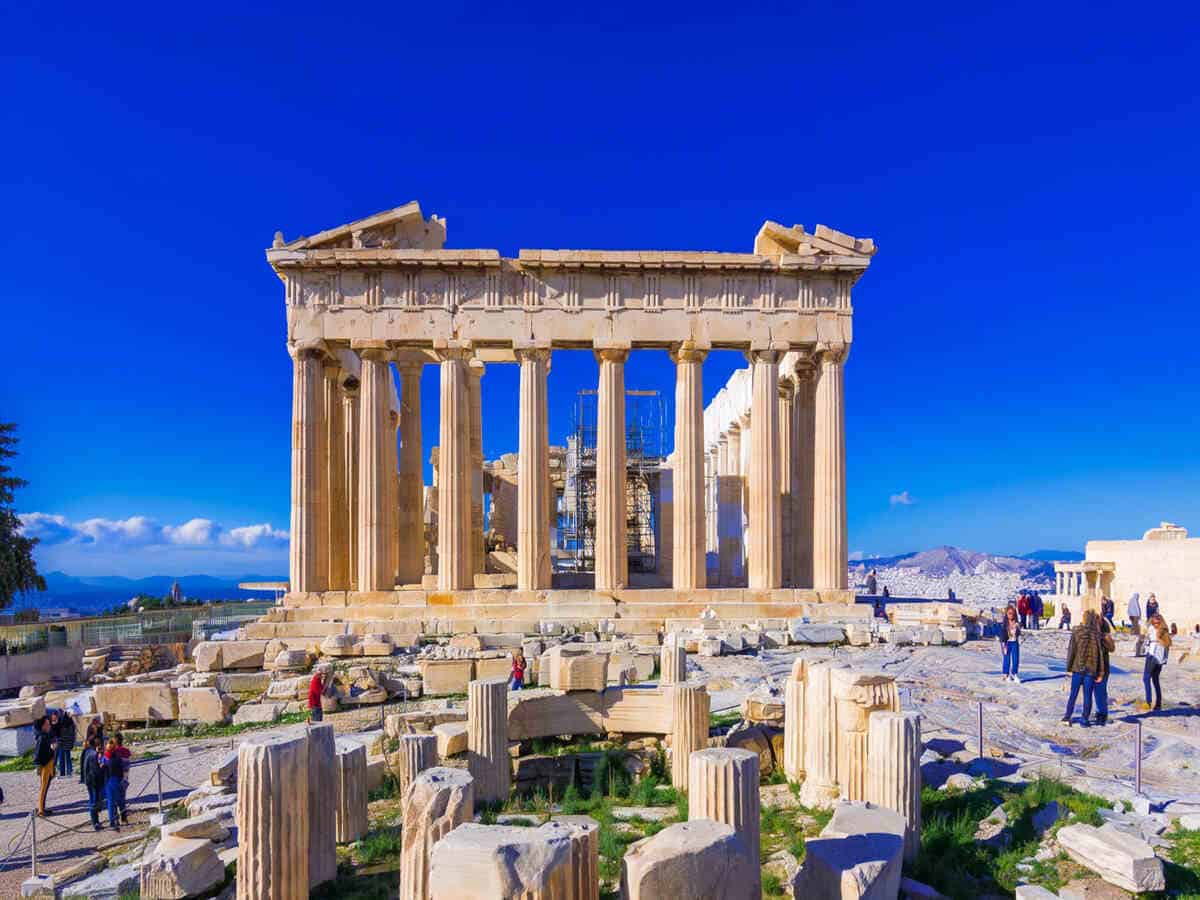
Greece, Italy and Malta are among the strongest performers as European tourism records a 5 per cent increase in international arrivals during the first part of 2026. The European Travel Commission reports continued growth despite economic uncertainty, aviation disruptions and changing traveller preferences, with affordability and safety influencing holiday decisions.
European Tourism Records 5 Per Cent Growth in International Arrivals
Europe’s tourism industry continued to expand during the second quarter of 2026, supported by international visitor demand, stronger overnight stays and growing interest in destinations offering good value.
Advertisement
Advertisement
According to the European Travel Commission’s latest European Tourism: Trends & Prospects report, international tourist arrivals increased by 5.0 per cent year to date compared with the corresponding period in 2025.
Tourist overnight stays also increased by 4.8 per cent, indicating that accommodation demand remained positive across the region.
Advertisement
Advertisement
The findings were published on 9 July 2026 and cover the reporting periods available to participating destinations during the first half of the year.
Nearly 80 per cent of destinations submitting data recorded growth in international arrivals.
Advertisement
Advertisement
Approximately one in five reporting destinations achieved double-digit increases, demonstrating that tourism expansion extended beyond a small group of established holiday markets.
However, the performance was uneven, with some destinations affected by geopolitical uncertainty, changing travel patterns and disruptions to international aviation.
The commission identified affordability, perceived safety, geographical proximity and flexibility as increasingly important considerations for travellers.
Europe Tourism Performance in 2026 – Key Statistics
The latest European Travel Commission figures provide an overview of tourism performance across destinations and regional markets.
| Tourism Indicator | Reported Performance |
|---|---|
| International Tourist Arrivals | +5.0% year to date |
| Tourist Overnight Stays | +4.8% year to date |
| Reporting Destinations Recording Growth | Nearly 80% |
| Destinations Recording Double-Digit Growth | Approximately 20% |
| Greece International Arrivals | +38% |
| Italy International Arrivals | +21% |
| Malta International Arrivals | +16% |
| Northern Europe Arrivals | +10.0% |
| Northern Europe Overnight Stays | +8.4% |
| Central and Eastern Europe Arrivals | +5.2% |
| Central and Eastern Europe Overnight Stays | +6.9% |
| Cyprus International Arrivals | -17.9% |
| Türkiye International Arrivals | -2.1% |
| European Aviation Passenger Traffic, Q1 | +7.0% in revenue passenger kilometres |
Source: European Travel Commission, European Tourism: Trends & Prospects, second-quarter 2026 report.
The figures represent changes over comparable reporting periods rather than full-year tourism results.
Advertisement
Advertisement
Individual country statistics may cover different portions of the year depending on the availability of national tourism data.
Greece Emerges as One of Europe’s Strongest Tourism Growth Markets
Greece recorded one of the largest increases in international tourist arrivals among European destinations reporting data.
According to the commission, arrivals increased by approximately 38 per cent during the available reporting period.
Tourism spending also rose substantially, increasing by 64.3 per cent compared with the corresponding period in 2025.
The stronger increase in spending relative to arrivals suggests that tourism revenue per visitor also improved.
Greece benefits from a combination of island holidays, cultural attractions, historic cities and coastal tourism.
Advertisement
Advertisement
Destinations such as Athens, Crete, Rhodes and the Cyclades continue to attract international travellers seeking Mediterranean experiences.
The country’s tourism industry has also worked to encourage travel outside traditional summer peaks.
However, the high growth rate should be interpreted alongside the specific reporting period, rather than treated as a forecast for the entire year.
Italy Reports Strong International Arrivals but Slower Spending Growth
Italy also recorded substantial growth in international tourism arrivals during the early months of 2026.
The European Travel Commission reported a 21.1 per cent increase in arrivals.
However, tourism spending increased by a smaller 4.3 per cent.
Advertisement
Advertisement
This difference suggests that average spending per visitor declined compared with the previous year’s equivalent period.
Italy remains a major destination for cultural tourism, city breaks, culinary experiences and coastal holidays.
Rome, Venice, Florence, Milan and Naples attract international visitors throughout much of the year.
The country’s tourism industry also benefits from regional destinations offering rural experiences, heritage attractions and outdoor activities.
For tourism businesses, the difference between visitor growth and spending growth highlights the importance of monitoring revenue alongside arrival numbers.
Higher visitor volumes do not necessarily produce equivalent increases in tourism income.
Advertisement
Advertisement
Malta Records 16 Per Cent Tourism Growth
Malta was another strong performer in the European Travel Commission’s report, recording a 16 per cent increase in international arrivals.
The Mediterranean island nation attracts visitors through its historic cities, coastal landscapes, cultural heritage and English-language accessibility.
Valletta, Mdina, Sliema, St Julian’s and Gozo contribute to the country’s tourism offering.
Malta’s relatively compact geography also makes it suitable for visitors interested in combining cultural sightseeing with coastal holidays.
The commission identified the destination’s connectivity and efforts to distribute tourism demand beyond traditional peak periods as supporting factors.
Continued growth could create opportunities for hotels, restaurants, tour operators and transport providers.
Advertisement
Advertisement
Nevertheless, managing visitor demand alongside infrastructure capacity and environmental protection remains important for the island’s long-term tourism development.
Northern Europe Outperforms Other European Regions
Northern Europe recorded the strongest percentage growth among European subregions during the reporting period.
International arrivals increased by 10.0 per cent, while overnight stays rose by 8.4 per cent.
The results indicate growing demand for northern European destinations, including those associated with nature tourism, cultural experiences and outdoor activities.
Travellers seeking cooler temperatures and alternatives to crowded summer destinations may find northern European itineraries increasingly attractive.
The region includes established city destinations alongside rural landscapes, coastal areas and natural attractions.
Advertisement
Advertisement
For tourism businesses, stronger demand could support accommodation providers, regional transport services and experience-based travel operators.
However, the report’s regional figures do not establish that every northern European country experienced the same level of growth.
Central and Eastern Europe Attract Travellers Seeking Better Value
Central and Eastern Europe also recorded positive tourism performance.
International arrivals increased by 5.2 per cent, while overnight stays rose by 6.9 per cent.
The stronger growth in overnight stays suggests that accommodation demand increased faster than arrival numbers.
The European Travel Commission linked the region’s performance to continued interest in destinations offering different experiences and competitive value.
Advertisement
Advertisement
Cities, historic towns, cultural attractions and nature-based destinations across Central and Eastern Europe provide alternatives to some of the continent’s more expensive tourism centres.
Travellers may also be attracted by shorter regional journeys and the availability of rail, road and air connections.
For tourism operators, the figures highlight opportunities to promote destinations beyond Europe’s traditional visitor hotspots.
Cyprus and Türkiye Experience Tourism Declines
Despite the broader increase in European arrivals, some destinations reported weaker results.
Cyprus recorded a 17.9 per cent decline in international arrivals during its available reporting period.
The European Travel Commission attributed part of the decline to the timing of Easter and weaker traveller sentiment associated with the country’s perceived proximity to the conflict in the Middle East.
Advertisement
Advertisement
Türkiye also experienced a 2.1 per cent reduction in international arrivals.
The commission linked this performance to softer demand from European and long-haul markets amid regional uncertainty.
These figures illustrate how geopolitical developments can influence travel decisions even when destinations remain operational.
Traveller perceptions of safety, transport reliability and regional stability can affect bookings.
The results also demonstrate why European tourism growth should not be interpreted as uniform across every country.
Aviation Disruptions Affect European Travel Growth
The European aviation sector experienced mixed conditions during the first part of 2026.
Advertisement
Advertisement
Revenue passenger kilometres, an industry measure of passenger traffic that accounts for distance travelled, increased by 7.0 per cent during the first quarter.
March recorded particularly strong growth of 8.0 per cent.
However, the rate of increase slowed to 1.0 per cent in April as disruption associated with the Middle East conflict affected some international flight routes.
These developments created additional challenges for airlines operating between Europe and certain long-haul markets.
Flight disruptions can influence travel costs, journey times and booking confidence.
For tourism destinations, maintaining reliable air connectivity remains important for attracting international visitors, particularly from markets requiring long-distance flights.
Advertisement
Advertisement
Affordability and Safety Influence European Holiday Decisions
The European Travel Commission identified changing consumer priorities as an important feature of the 2026 tourism market.
Travellers continue to prioritise holidays, but many are becoming more selective when choosing destinations.
In the commission’s Travel Industry Monitor survey, 48 per cent of European respondents identified affordability and value for money as an important opportunity during the second quarter.
This represented an increase from 32 per cent during the first quarter.
The findings suggest that travellers are paying closer attention to the overall cost of holidays.
Important considerations include:
Advertisement
Advertisement
- Accommodation prices: Travellers are comparing hotels, holiday rentals and alternative lodging options.
- Transport costs: Airfares, rail tickets and local transport expenses influence destination choices.
- Perceived safety: Regional stability and travel disruption risks remain important.
- Geographical proximity: Nearby destinations can offer shorter journeys and greater flexibility.
- Seasonal timing: Travelling outside peak summer months can provide alternatives to crowded destinations.
- Overall value: Visitors increasingly consider the quality of experiences relative to the total holiday budget.
For tourism businesses, these changes underline the importance of transparent pricing and flexible travel products.
Mediterranean Destinations Benefit from Strong Regional Demand
Southern and Mediterranean Europe remained important destinations for European holidaymakers.
The commission reported that interest in the region for travel between June and November reached 61 per cent.
Destinations including Spain, Portugal, Greece, Italy and Malta continue to benefit from their combination of coastal tourism, cultural attractions and established transport connections.
The region also recorded the largest absolute increase in tourist arrivals, reflecting its substantial share of Europe’s international tourism market.
However, strong demand can create challenges during peak travel periods.
Advertisement
Advertisement
Crowding, accommodation prices, extreme temperatures and pressure on local infrastructure may encourage some visitors to travel during quieter months.
Tourism authorities are increasingly interested in extending visitor demand into spring and autumn.
September and October Travel Gain Importance
One of the report’s important findings concerns the growing appeal of shoulder-season travel.
Shoulder seasons are periods immediately before or after the busiest tourism months.
For many European destinations, these include parts of spring and autumn.
The commission identified strong growth in September bookings as travellers responded to concerns about overcrowding, high temperatures and holiday costs.
Advertisement
Advertisement
This trend could benefit destinations seeking more balanced tourism activity throughout the year.
For hotels and travel operators, a longer operating season can help distribute demand and reduce reliance on a limited number of peak weeks.
For visitors, shoulder-season travel may provide opportunities to experience popular destinations under different weather and crowd conditions.
However, lower prices and quieter attractions are not guaranteed in every destination.
Tourism Spending Remains Important for Europe’s Economic Outlook
The European Travel Commission reported that visitor spending increased faster than arrivals in most destinations providing data.
This suggests that some tourism markets generated higher revenue per visitor than during the corresponding period in 2025.
Advertisement
Advertisement
Greece recorded particularly strong spending growth, while Italy experienced a more modest increase in tourism receipts despite substantial growth in arrivals.
The findings demonstrate why tourism performance cannot be measured through visitor numbers alone.
Revenue, length of stay, accommodation demand and local economic benefits are also important indicators.
The commission’s earlier economic outlook projected a 6.2 per cent increase in international arrivals to Europe during 2026, with long-haul markets expected to contribute to growth.
That figure is an arrivals forecast, not a forecast for tourism’s contribution to gross domestic product.
The commission’s second-quarter announcement does not substantiate a separate claim that Europe’s tourism economy will grow by exactly 3.1 per cent during 2026.
Advertisement
Advertisement
Sustainable Tourism Becomes More Visible in Travel Planning
Environmental considerations are also influencing European tourism discussions.
The commission reported growing online search interest in sustainable tourism during 2026 compared with the previous year.
However, only 41 per cent of surveyed consumers indicated that environmental concerns would lead them to change their travel behaviour.
This difference highlights the challenge of converting sustainability awareness into practical travel decisions.
For destinations, sustainable tourism development may involve improving public transport, protecting natural environments, managing visitor numbers and supporting local businesses.
Tourism authorities must also consider the effects of extreme weather and seasonal concentration on infrastructure and communities.
Advertisement
Advertisement
Outlook for European Tourism in 2026
Europe’s tourism industry entered the second half of 2026 with positive arrival growth, stronger overnight stays and continued demand across most reporting destinations.
Greece, Italy and Malta recorded substantial increases, while Northern Europe achieved the strongest regional percentage growth.
Nevertheless, aviation disruption, geopolitical uncertainty and affordability pressures remain important challenges.
The industry’s future performance will depend on reliable connectivity, competitive pricing, visitor confidence and the ability of destinations to respond to changing travel preferences.
Conclusion
European tourism recorded 5 per cent arrival growth during the first part of 2026, with Greece, Italy and Malta among the strongest performers. Despite aviation disruptions and economic uncertainty, travel demand remained positive. Affordability, safety, seasonal flexibility and sustainable destination management will shape future performance.
Advertisement
