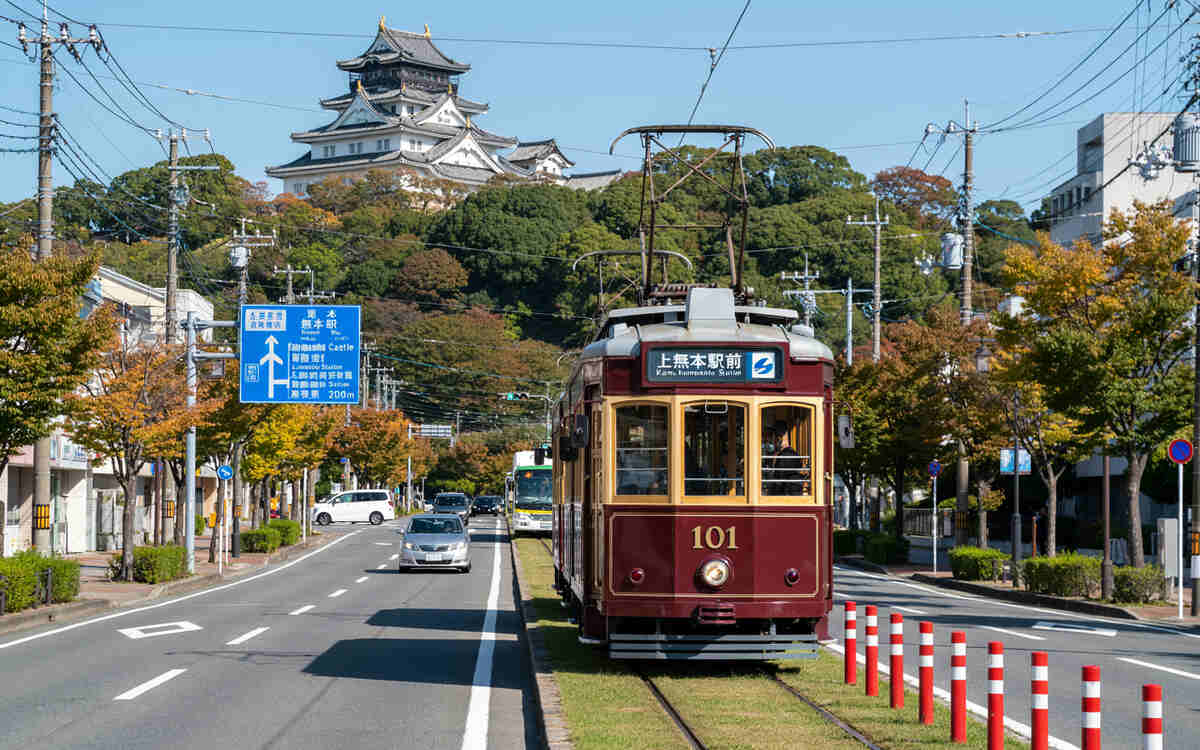
Image generated with Ai
Japan’s travel recovery from the Kumamoto earthquake is proving to be slow due to a decrease in demand. Due to a large earthquake, a large-scale disaster occurred in Kumamoto prefecture of Japan, which has significantly impacted the tourism activities in the whole of Kyushu. The disaster has led to a decrease in the number of visitors and cancellations of hotel bookings as well as international arrivals. While restoration efforts against the disaster impact are taking a significant lead, most of the tourism-related businesses in Kyushu are on hold as the area is experiencing a decrease in visitors due to safety concerns and disruption of transport flows. Additionally, the disaster has also affected areas that were not directly impacted by the disaster but are highly dependent on the regional tourism sector.
The tourism industry in Kyushu is facing a challenging recovery period after the July earthquake in Kumamoto Prefecture disrupted travel patterns across southwestern Japan. While many attractions and accommodation facilities have continued operations, visitor confidence has weakened significantly.
Advertisement
The Aso region, one of Kumamoto’s most famous tourism areas, has experienced some of the biggest effects. Known for its massive volcanic caldera, scenic landscapes and outdoor experiences, Aso usually attracts large numbers of domestic and international travellers during the summer holiday season.
However, the usual crowds at popular viewpoints, restaurants and tourism facilities have disappeared. Areas that normally experience heavy traffic during August have recorded noticeably quieter conditions, creating financial pressure for businesses that rely on seasonal visitor spending.
Advertisement
Advertisement
The decline has been particularly visible among international travellers. Foreign visitors often contribute significantly to local tourism economies through accommodation stays, shopping and guided tours. Their absence has created additional challenges for businesses already dealing with reduced domestic demand.
The earthquake itself affected infrastructure and created concerns about aftershocks, but the wider tourism impact has been driven by uncertainty. Travellers planning multi-destination journeys around Kyushu have become more cautious, causing cancellations even in locations that were not directly damaged.
Kyushu has become increasingly dependent on international tourism in recent years. Foreign travellers have played a vital role in supporting hotels, attractions, restaurants and shopping areas across the region.
The earthquake-related decline has highlighted the importance of inbound tourism for local economies. According to regional tourism data, foreign visitors accounted for a significant share of overnight stays in Kyushu in 2025, contributing billions of yen in tourism-related spending.
The reduction in overseas visitors has been especially damaging for destinations that depend on organised tours. Many international visitors travel through Kyushu using planned routes that connect multiple prefectures, including Kumamoto, Oita, Miyazaki and Kagoshima.
When one important destination faces disruption, the effect spreads across the entire travel network. Tour operators often adjust complete itineraries rather than only removing one location, leading to wider cancellations.
The decline has also affected businesses that depend on souvenir purchases and local experiences. Shops, restaurants and tourism facilities that normally welcome large tour groups have reported significantly lower customer numbers.
The situation demonstrates how natural disasters can create long-lasting effects on travel behaviour, even after immediate infrastructure problems begin to improve.
One of the biggest challenges for Kyushu tourism has been the disruption of regional transportation. The island’s tourism model depends heavily on visitors moving between different prefectures during a single journey.
Following the earthquake, some railway services were suspended, including sections affecting Kyushu Shinkansen operations. Road restrictions also created difficulties for travellers using highways to move between destinations.
These disruptions affected areas far away from the earthquake centre. Travellers who had planned trips to Kagoshima, Miyazaki, Oita and other parts of Kyushu reconsidered their journeys because reaching these destinations became more complicated.
Kagoshima experienced a noticeable decline despite being outside the main disaster area. Attractions such as the city aquarium recorded fewer visitors during the weeks following the earthquake, resulting in reduced admission revenue.
The situation shows how interconnected regional tourism systems are. A disruption in one location can influence visitor decisions across an entire destination network.
For international travellers unfamiliar with regional distances and transport connections, uncertainty about train schedules, road conditions and accessibility can become a major reason for cancelling trips.
Accommodation providers across Kyushu have experienced some of the most serious financial impacts from the tourism slowdown.
Hotels, traditional inns and hot spring resorts reported large numbers of cancelled reservations following the earthquake. Many properties were able to operate normally, but travellers still cancelled bookings because of concerns about safety and travel conditions.
In Kumamoto’s hot spring areas, some accommodation facilities experienced cancellation levels that severely affected their summer business. Hundreds of planned guest stays were cancelled, resulting in millions of yen in lost revenue.
A regional survey covering Kyushu found that more than 400,000 guest nights were cancelled after the earthquake. The number represents a major loss for the hospitality industry and reflects the scale of uncertainty among travellers.
The cancellations were not limited to August. Many visitors also postponed or cancelled trips planned for later months, showing that confidence recovery may take longer than expected.
Some accommodation providers have responded by introducing discounts and promotional offers to attract new bookings. Such price reductions during the normally busy summer season indicate the seriousness of the tourism slowdown.
Tourism businesses across Kyushu are looking towards support measures designed to encourage travel recovery. Assistance programmes focused on accommodation and tourism packages are expected to help stimulate demand in affected areas.
However, many industry observers believe that financial support alone may not immediately restore visitor confidence. The recovery process depends on rebuilding trust among travellers and ensuring that transportation networks operate smoothly.
For Kyushu, restoring international visitor numbers will be especially important. Foreign tourists have become a key source of tourism revenue as changing economic conditions have affected domestic travel spending.
The region’s attractions remain a major draw for visitors, including volcanic landscapes, hot springs, cultural sites, coastal scenery and local cuisine. However, travellers must feel confident that destinations are accessible and safe before demand can fully return.
The Kumamoto earthquake has created a complex challenge for Kyushu’s tourism industry. Although recovery efforts are moving forward, the effects on travel demand have extended beyond the directly affected areas.
The crisis has shown the vulnerability of regional tourism networks, where transport connections and visitor confidence play a crucial role in supporting local economies.
Destinations across Kyushu are now working towards recovery by maintaining operations, encouraging travellers to return and rebuilding demand among both domestic and international markets.
The region remains one of Japan’s most attractive travel areas, offering unique natural landscapes, cultural experiences and traditional hospitality. However, the speed of tourism recovery will depend on how quickly confidence returns among travellers.
Japan’s recovery of travel to Kyushu is slowing down due to the Kumamoto earthquake which caused a drop in foreign visitors and a significant loss of hotel bookings.
As Kyushu moves on from the earthquake, the restoration of international visitor levels will become one of the region’s most important priorities.
Advertisement
Tags: Foreign visitor decline, Hotel Booking Decline, Japan travel crisis, Kumamoto Earthquake, Kyushu tourism recovery
Advertisement
Advertisement












Wednesday, September 2, 2026

Tuesday, September 1, 2026

Wednesday, September 2, 2026

Wednesday, September 2, 2026

Tuesday, September 1, 2026

Tuesday, September 1, 2026

Wednesday, September 2, 2026

Wednesday, September 2, 2026



