
Middle Eastern Airports Face Travel Disruptions With 362 Cancellations and 835 Delays Impacting Abu Dhabi, Riyadh, and Others

Published
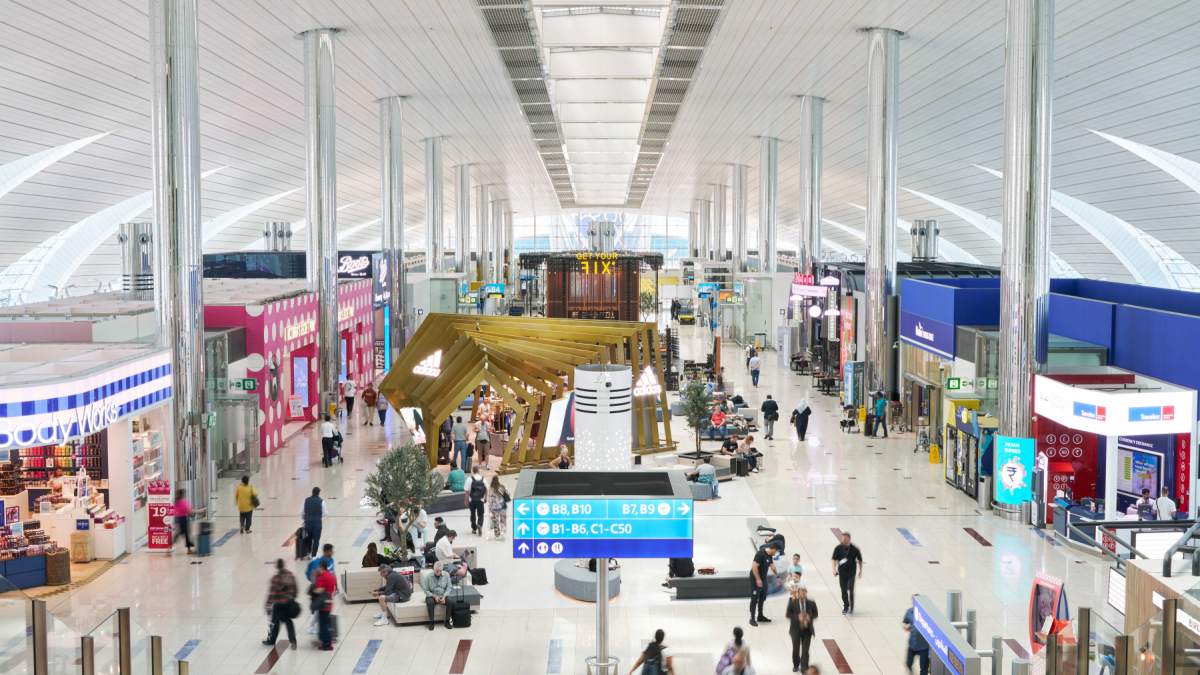
Flight operations across 11 Middle Eastern airports recorded 362 cancellations and 835 delays on October 25, 2026. Saudi Arabia, the UAE, Qatar, and Bahrain experienced flight schedule changes, affecting services operated by Saudia, flyadeal, Gulf Air, Riyadh Air, Qatar Airways, and Air Arabia.
Middle Eastern Airports Facing Heavy Disruptions
King Abdulaziz International Airport, Jeddah, Saudi Arabia
King Abdulaziz International Airport in Jeddah recorded 226 delays and 74 cancellations. Its delay count was the highest, while cancellations also affected a considerable number of scheduled services.
Advertisement
Advertisement
King Khaled International Airport, Riyadh, Saudi Arabia
King Khaled International Airport in Riyadh recorded 11 delays and 188 cancellations. The airport registered the highest cancellation count again.
Dubai International Airport, Dubai, United Arab Emirates
Dubai International Airport reported 170 delays and 22 cancellations. As a major international connection point, changes to departure schedules can affect both departing passengers and travellers connecting to other destinations.
Advertisement
Advertisement
Hamad International Airport, Doha, Qatar
Hamad International Airport recorded 155 delays and seven cancellations. Delayed services accounted for most of the reported disruptions at the Doha hub.
Zayed International Airport, Abu Dhabi, United Arab Emirates
Zayed International Airport in Abu Dhabi reported 125 delays and four cancellations. Delays accounted for most of the recorded flight changes, potentially affecting departure plans and connecting itineraries.
Advertisement
Advertisement
King Fahd International Airport, Dammam, Saudi Arabia
King Fahd International Airport in Dammam recorded 48 delays and 18 cancellations. Both delayed and cancelled services affected operations, making it advisable for passengers to verify their departure information before travelling.
Prince Mohammad Bin Abdulaziz International Airport, Medina, Saudi Arabia
Prince Mohammad Bin Abdulaziz International Airport in Medina reported 36 delays and 13 cancellations.
Advertisement
Advertisement
Bahrain International Airport, Manama, Bahrain
Bahrain International Airport recorded 20 delays and nine cancellations.
Abha Regional Airport, Abha, Saudi Arabia
Abha Regional Airport recorded 19 delays and 12 cancellations.
Prince Naif Bin Abdulaziz Airport, Buraidah, Saudi Arabia
Prince Naif Bin Abdulaziz Airport reported 16 delays and six cancellations.
King Abdulaziz International Airport in Jeddah recorded a departure delay rate of 29% and an arrival delay rate of 27%. Hamad International Airport in Doha reported departure delays of 21% and arrival delays of 22%. Dubai International Airport recorded departure delays of 15% and arrival delays of 16%, while Zayed International Airport in Abu Dhabi reported departure delays of 30% and arrival delays of 16%.
Advertisement
Advertisement
Airlines Reporting Flight Schedule Changes
Saudia
Saudia recorded 163 cancellations and 159 delays. Both figures were the highest among Middle Eastern airlines. Passengers travelling with the airline should check flight notifications and confirm their departure arrangements before leaving for the airport.
Qatar Airways
Qatar Airways reported 136 delays and five cancellations. The airline’s delay count was substantial, with delayed services accounting for most of its reported flight changes.
flyadeal
flyadeal recorded 20 cancellations and 22 delays. Passengers booked on the Saudi low-cost carrier should check for revised departure times and cancellation notifications before travelling.
Air Arabia
Air Arabia reported 59 delays and four cancellations. Travellers using the UAE-based carrier should review their flight status and check connecting arrangements if their itinerary includes another service.
Gulf Air
Gulf Air recorded 10 delays and seven cancellations. Passengers travelling through Bahrain should monitor communications from the airline for any changes to their itineraries.
What Passengers Can Do When Flights Are Disrupted
- Check flight status through the airline’s official website or mobile application before leaving for the airport.
- Monitor email, SMS and app notifications for schedule changes and cancellation announcements.
- Contact the airline to ask about rebooking, refunds or alternative travel arrangements if a flight is cancelled.
- Review the applicable ticket conditions and passenger-rights policies.
- Confirm onward connections and contact relevant carriers if a schedule change affects the rest of the journey.
- Keep booking confirmations, boarding passes and receipts for additional expenses.
- Follow official airport and airline instructions and allow sufficient time for check-in and security procedures.
Regional Security Concerns and Operational Factors Behind Flight Changes
Flight cancellations across Saudi Arabia have been attributed to escalating regional security threats, including missile and drone attacks by Yemen’s Houthi rebels targeting civilian infrastructure and major airports.
Advertisement
Advertisement
In the United Arab Emirates, several airlines have cancelled flights to Saudi Arabia, with services from Dubai and Abu Dhabi affected. These changes can influence departure schedules, connecting itineraries and travel plans across the Middle Eastern aviation network.
Passengers travelling across the Middle East should monitor official airline announcements and airport updates before setting out. Checking for changes early can help travellers understand their available options and adjust their journeys when necessary.
Flight cancellations were also recorded across the Middle East yesterday. Read our previous report here.
The figures presented in this report were compiled and reviewed using real-time records dated October 25, 2026, at 3:48 pm ET (October 26, 1:18 am IST).
Primary source: FlightAware.
Verification Process: The editorial team reviewed and cross-checked the figures for accuracy. Timestamped records, flight-tracking logs, and data-feed snapshots have been preserved for reference and editorial transparency.
Advertisement
Advertisement
Note: Flight-tracking figures can change as airspace conditions and airline operations evolve. Small variations may occur when these figures are compared with subsequent updates from airports or airlines.
Passengers are encouraged to verify their flight status, watch for schedule changes, and consult the latest operational updates issued by their airlines before travelling.
Advertisement
Verified by Paramita Sarkar
