
France Joins Norway, Scotland and More in Unveiling Europe’s Enchanting Cemetery Heritage for Halloween 2026

Published
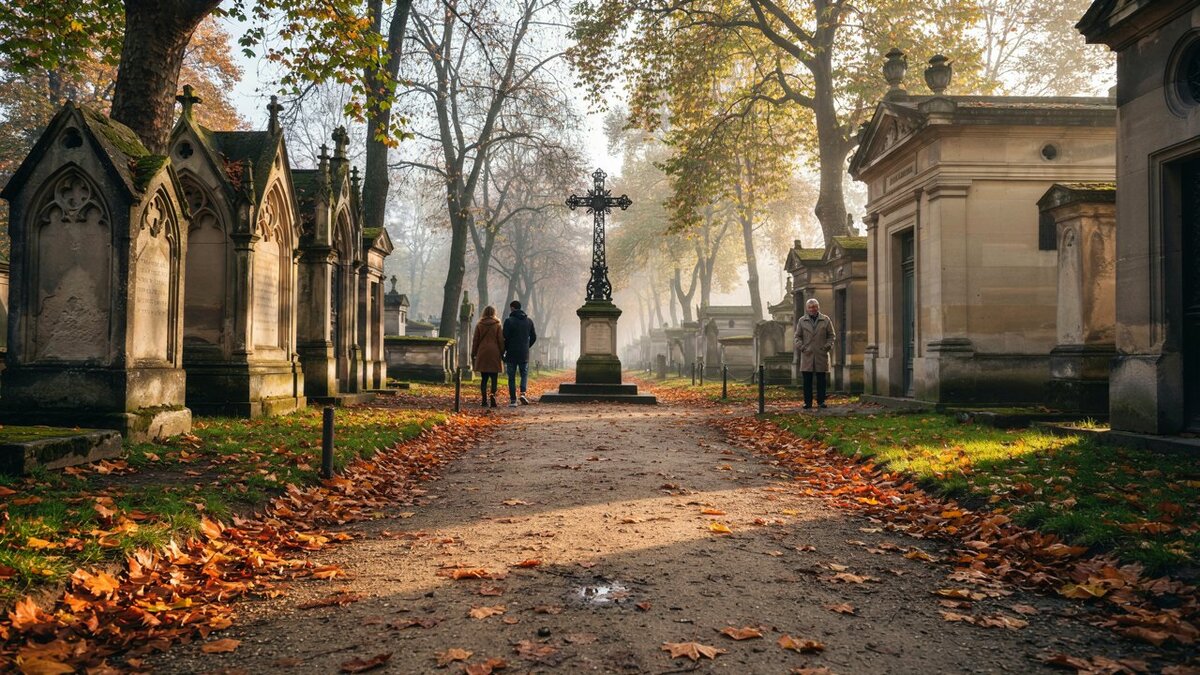
Europe’s Halloween tourism landscape is revealing an extraordinary cultural attraction beyond haunted houses, costume celebrations and traditional ghost tours. Historic cemeteries across France, Norway, Scotland, the Czech Republic and England are inviting travellers to discover magnificent Gothic architecture, centuries-old monuments and the final resting places of influential cultural figures. From Paris’s celebrated Père Lachaise Cemetery to London’s mysterious Highgate Cemetery, these remarkable heritage sites offer atmospheric experiences combining history, art and quiet reflection. As Halloween approaches on 31 October 2026, cemetery tourism is attracting fresh attention as an alternative way to explore Europe’s historic cities.
Europe’s Historic Cemeteries Bring a Fascinating New Dimension to Halloween Travel
Halloween tourism is often associated with haunted attractions, elaborate costumes and supernatural storytelling. However, Europe’s historic burial grounds offer an entirely different experience, revealing the architectural and cultural history of their cities.
Known as cemetery tourism, this form of heritage travel encourages visitors to explore historic monuments, elaborate sculptures and the lives of influential personalities buried within cemetery grounds.
Many European cemeteries contain remarkable examples of Victorian, Gothic, Baroque and Neoclassical architecture.
Advertisement
Advertisement
Their tree-lined pathways, carved memorials and centuries-old tombs create distinctive surroundings for cultural exploration.
A recently published commercial tourism index examining cemeteries across 30 European cities has brought additional attention to this travel experience. However, the index is not an official government tourism ranking.
Advertisement
Advertisement
The enduring appeal of these destinations rests on their historical and architectural significance rather than Halloween entertainment alone.
France’s Père Lachaise Cemetery Reveals Paris’s Extraordinary Artistic Heritage
Paris offers one of Europe’s most celebrated examples of cemetery heritage tourism through Père Lachaise Cemetery.
Established in 1804, the cemetery has developed into an internationally recognised cultural landmark.
Its winding pathways, elaborate monuments and landscaped grounds provide an unusual perspective on Parisian history.
The cemetery is the final resting place of distinguished figures including Oscar Wilde, Jim Morrison, Frédéric Chopin, Édith Piaf and Marcel Proust.
Their memorials attract visitors interested in literature, music, philosophy and artistic heritage.
Advertisement
Advertisement
According to the City of Paris, Père Lachaise receives approximately three million visitors annually and covers 43 hectares.
Admission is free, making it accessible to travellers exploring the French capital.
However, visitors must remember that it remains an active burial ground where funerals and private remembrance take place.
Norway’s Oslo Offers a Remarkable Journey Through Scandinavian Cultural History
Norway presents a quieter but equally compelling cemetery experience at Vår Frelsers Gravlund.
Also known as Our Saviour’s Cemetery, this historic burial ground dates to 1808.
Its landscaped surroundings and memorial monuments provide visitors with insight into Norway’s artistic and literary heritage.
Advertisement
Advertisement
The cemetery contains Æreslunden, an honorary burial area associated with influential Norwegian personalities.
Among those buried here are playwright Henrik Ibsen, painter Edvard Munch and writer Bjørnstjerne Bjørnson.
Their contributions to European theatre, literature and visual arts make the cemetery particularly interesting for cultural travellers.
Situated within Oslo, the burial ground offers an accessible heritage experience for visitors exploring the Norwegian capital.
Unlike conventional Halloween attractions, its appeal lies in quiet historical discovery and the opportunity to connect with Norway’s cultural legacy.
Scotland’s Dean Cemetery Reveals Edinburgh’s Magnificent Victorian Legacy
Edinburgh’s historic atmosphere provides an appealing setting for Halloween heritage tourism.
Advertisement
Advertisement
Among its lesser-known architectural attractions is Dean Cemetery.
Located near the Water of Leith, this cemetery is celebrated for its elaborate Victorian memorials, landscaped grounds and distinctive funerary architecture.
The burial ground reflects the development of Edinburgh during an important period of Scottish intellectual and cultural history.
Notable figures associated with the cemetery include architect William Playfair, philosopher Dugald Stewart and artist Henry Raeburn.
The City of Edinburgh recognises Dean Cemetery as an important example of nineteenth-century landscape design.
Its historic monuments and mature trees contribute to the surrounding conservation area’s character.
Advertisement
Advertisement
For visitors exploring Edinburgh beyond its castle, museums and historic streets, Dean Cemetery offers a peaceful encounter with the city’s architectural heritage.
Czech Republic’s Prague Combines Baroque Monuments With Extraordinary Literary Heritage
Prague offers another compelling destination for cemetery tourism through its historic Olšany Cemeteries.
Dating back to the seventeenth century, this extensive cemetery complex is associated with Prague’s historic development.
Its grounds contain elaborate tombstones, sculptural memorials, chapels and monuments representing different architectural periods.
The surrounding greenery creates a peaceful environment for visitors interested in the Czech capital’s cultural history.
The nearby New Jewish Cemetery, part of the wider Olšany cemetery area, contains the grave of renowned writer Franz Kafka.
Advertisement
Advertisement
Prague also offers Vyšehrad Cemetery, where celebrated Czech cultural figures including composers Antonín Dvořák and Bedřich Smetana are buried.
These sites allow visitors to explore the city’s literary, musical and architectural history beyond its traditional sightseeing landmarks.
England’s Highgate Cemetery Brings Victorian Gothic Grandeur to London’s Halloween Tourism
London’s Highgate Cemetery stands among Britain’s most remarkable historic burial grounds.
Established in 1839, the cemetery became an important example of Victorian landscape and funerary design.
Its dramatic architecture includes Gothic memorials, historic mausoleums and the celebrated Egyptian Avenue.
Dense vegetation and weathered monuments contribute to an atmospheric setting that attracts visitors interested in architecture, photography and cultural history.
Advertisement
Advertisement
Highgate is also associated with influential historical figures, including Karl Marx, George Eliot and Christina Rossetti.
Historic England recognises the cemetery as a Grade I registered park and garden because of its exceptional historical significance.
Unlike several other European cemeteries, general visitor admission is ticketed, and some experiences require advance arrangements.
For travellers exploring London during Halloween, Highgate offers an opportunity to discover an important chapter of the city’s Victorian heritage.
Germany’s Berlin Adds Intellectual History to Europe’s Cemetery Tourism Experience
Germany also offers remarkable opportunities for travellers interested in historic burial grounds.
Berlin’s Dorotheenstädtischer Cemetery provides an important connection to German philosophy, literature and artistic history.
Advertisement
Advertisement
Established in the eighteenth century, it contains memorials associated with influential intellectual and cultural figures.
Among those buried here are philosopher Georg Wilhelm Friedrich Hegel, playwright Bertolt Brecht and architect Karl Friedrich Schinkel.
The cemetery’s monuments reflect Berlin’s changing cultural identity across different historical periods.
A light installation by artist James Turrell in the cemetery chapel adds another dimension to its artistic appeal.
Berlin’s official tourism information highlights the site as an important destination for exploring the city’s intellectual heritage.
Although not principally associated with Halloween, it offers travellers another meaningful cemetery experience within Europe’s historic urban landscape.
Advertisement
Advertisement
European Cemetery Tourism Destinations Worth Exploring During Halloween 2026
| Country | City | Historic cemetery | Main attraction | Admission |
|---|---|---|---|---|
| France | Paris | Père Lachaise | Famous graves, sculptures and architecture | Free |
| Norway | Oslo | Vår Frelsers Gravlund | Norwegian artistic and literary heritage | Generally free |
| Scotland | Edinburgh | Dean Cemetery | Victorian monuments and landscape design | Generally free |
| Czech Republic | Prague | Olšany Cemeteries | Historic tombs and funerary architecture | Generally free |
| Czech Republic | Prague | Vyšehrad Cemetery | Czech composers and cultural figures | Generally free |
| England | London | Highgate Cemetery | Gothic architecture and historic monuments | Paid admission |
| Germany | Berlin | Dorotheenstädtischer Cemetery | Intellectual history and historic memorials | Cemetery access generally free |
Admission arrangements, opening hours and guided-tour charges may vary. Visitors should confirm current arrangements before travelling.
Why Historic Burial Grounds Are Becoming Appealing Cultural Attractions?
Cemetery tourism offers something different from conventional sightseeing.
Rather than focusing exclusively on famous buildings and entertainment attractions, travellers can discover the personalities and historical events that shaped European societies.
Architectural interest also plays an important role.
Elaborately carved tombstones, Gothic mausoleums, memorial sculptures and landscaped pathways demonstrate changing artistic traditions.
For history enthusiasts, cemeteries provide connections between major cultural movements and the people associated with them.
Advertisement
Advertisement
Photography enthusiasts may appreciate their distinctive architecture and seasonal surroundings, although cemetery photography rules must be respected.
These characteristics make historic burial grounds relevant throughout the year, not exclusively during Halloween.
Respectful Heritage Tourism Becomes Essential During Halloween Celebrations
Although historic cemeteries offer atmospheric settings, they remain places of remembrance.
Visitors should maintain respectful behaviour and avoid disturbing graves, funerals or families attending memorial services.
Climbing monuments, damaging memorials and removing objects are inappropriate.
Some cemeteries also restrict commercial photography, organised activities and access to particular sections.
Advertisement
Advertisement
Travellers should follow published opening hours and remain on designated pathways.
Halloween visitors should avoid treating active burial grounds as entertainment venues unless specific activities have been authorised.
Respectful exploration allows tourists to appreciate historical architecture while preserving the dignity and cultural importance of these spaces.
Frequently Asked Questions
1. What is cemetery tourism?
Cemetery tourism involves visiting historic burial grounds to explore architecture, memorials, cultural heritage and the lives of significant historical figures.
2. Which European cemetery is particularly famous for cultural tourism?
Advertisement
Advertisement
Paris’s Père Lachaise is internationally recognised for its historic graves, artistic monuments and substantial annual visitor numbers.
3. Can tourists visit European cemeteries during Halloween?
Many historic cemeteries welcome visitors throughout October, although opening hours and access restrictions differ.
4. Is Highgate Cemetery in London free to visit?
No. General tourist admission is ticketed, unlike some publicly accessible European cemeteries.
5. Where can visitors discover Franz Kafka’s grave in Prague?
Advertisement
Advertisement
Franz Kafka is buried in the New Jewish Cemetery within the wider Olšany cemetery area.
6. Are historic cemeteries suitable for photography?
Photography may be permitted, but visitors must respect local restrictions, private ceremonies and the dignity of burial sites.
Europe’s Cemetery Heritage Offers a Meaningful Alternative to Traditional Halloween Attractions
Europe’s historic cemeteries reveal a remarkable dimension of cultural tourism, combining architectural beauty with stories of influential historical personalities.
France, Norway, Scotland, the Czech Republic and England offer particularly distinctive examples, while Germany provides additional opportunities for intellectual and artistic exploration.
From Paris’s celebrated memorials to London’s Victorian Gothic architecture, these destinations offer experiences that extend well beyond conventional Halloween entertainment.
Advertisement
Advertisement
Their appeal lies in history, craftsmanship and cultural discovery.
For travellers seeking a different European autumn itinerary, cemetery tourism provides an opportunity to explore extraordinary heritage sites while recognising the importance of remembrance and respectful visitation.
Advertisement
