
Ireland Joins Iceland, Scotland, Norway, Finland, Sweden, Canada, Denmark, New Zealand and Others as Reykjavik, Bergen, Edinburgh, Dublin, Vancouver and More Lead the Global Coolcation Boom with Three-to-Four-Day Getaways Driving Travel Demand—Why Are Millions Choosing Cooler Destinations Over Traditional Summer Holidays in 2026?

Published
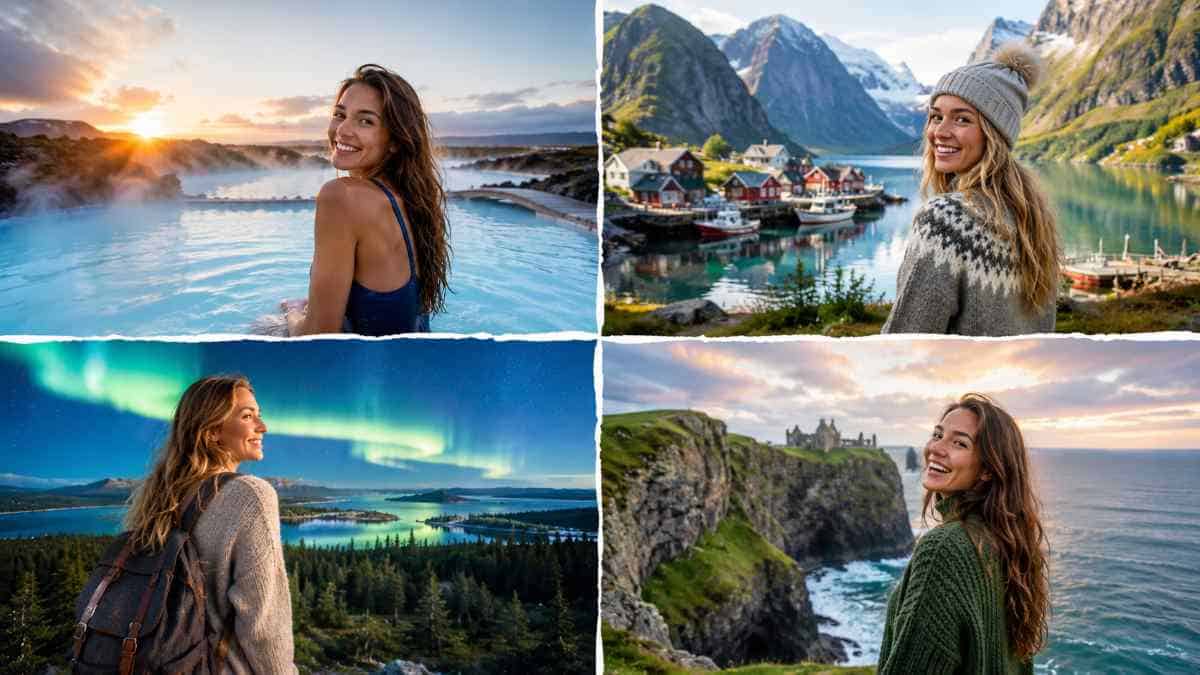
Ireland Joins Iceland, Scotland, Norway, Finland, Sweden, Canada, Denmark, New Zealand and Others as Reykjavik, Bergen, Edinburgh, Dublin, Vancouver and More Lead the Global Coolcation Boom with Three-to-Four-Day Getaways Driving Travel Demand. Iceland, Norway, Scotland, Canada, Finland, Sweden, Ireland, the Faroe Islands, Alaska and New Zealand are emerging as some of the world’s most sought-after summer destinations as travellers increasingly embrace the growing trend of “coolcations.” Rather than heading to traditional sun-soaked holiday hotspots, more visitors are choosing cooler climates, northern coastlines and mountainous landscapes for shorter holidays lasting three to four days, reflecting changing travel preferences during increasingly intense summer heatwaves.
The latest industry insights from major online travel platforms, including Trip.com, show that travellers are increasingly prioritising destinations with milder temperatures, outdoor experiences and nature-based attractions. The trend is reshaping international tourism patterns, encouraging airlines, hotels, cruise operators and tourism boards to expand services to cooler destinations that traditionally experienced their peak visitor season later in the year.
Coolcations Become One of Tourism’s Fastest-Growing Trends
The term “coolcation” has rapidly entered the global travel vocabulary.
It describes holidays where travellers deliberately seek cooler climates instead of traditional beach destinations experiencing extreme summer temperatures.
Advertisement
Advertisement
Rather than spending one or two weeks in hot Mediterranean resorts, many holidaymakers are now choosing shorter breaks lasting three to four days in destinations where temperatures remain comfortable for sightseeing, hiking and outdoor exploration.
Industry booking data indicates that this shift is influencing travel demand across Northern Europe, North America and parts of the Southern Hemisphere.
Advertisement
Advertisement
Why Travellers Are Choosing Cooler Destinations
Changing weather conditions have become an increasingly important consideration when planning holidays.
During recent summers, many traditional holiday destinations have experienced prolonged heatwaves, encouraging travellers to look for alternatives offering more comfortable daytime temperatures.
Advertisement
Advertisement
Cooler destinations provide opportunities for outdoor activities, including hiking, cycling, wildlife watching, fjord cruises, glacier tours and coastal exploration without the challenges associated with extreme heat.
The trend is also encouraging travellers to explore destinations they may not have previously considered during the summer season.
Iceland Continues Leading the Trend
Iceland remains one of the strongest performers within the coolcation movement.
The country’s volcanic landscapes, waterfalls, glaciers, geothermal lagoons and dramatic coastlines continue attracting visitors looking for distinctive natural experiences.
Advertisement
Advertisement
Summer offers extended daylight hours, allowing travellers to maximise sightseeing while enjoying relatively mild temperatures compared with much of southern Europe.
Reykjavik also serves as an accessible gateway for exploring the country’s national parks and famous scenic routes.
Norway’s Fjords Draw Growing Numbers
Norway has also become a major beneficiary of the trend.
Visitors continue choosing destinations such as Bergen, Tromsø and the country’s renowned fjord region for scenic cruises, hiking holidays and cultural experiences.
The country’s cooler summer climate allows travellers to enjoy mountain trails, waterfalls and coastal villages without the intense temperatures affecting many southern destinations.
Cruise tourism has also contributed to growing visitor numbers across western Norway.
Advertisement
Advertisement
Scotland Expands Beyond Traditional Tourism
Scotland is experiencing increased interest from international travellers seeking cooler holidays.
The Scottish Highlands, Isle of Skye, Edinburgh and the country’s rugged coastline continue attracting visitors interested in nature, history and outdoor adventure.
Walking trails, whisky tourism, wildlife experiences and island exploration have become increasingly popular among travellers seeking alternatives to traditional beach holidays.
The country’s relatively mild summer temperatures have become an additional attraction.
Canada Offers Diverse Summer Experiences
Canada’s vast natural landscapes position it strongly within the vacation market.
National parks, mountain resorts, lakes, forests and coastal regions provide visitors with numerous opportunities for outdoor recreation.
Advertisement
Advertisement
Destinations including Banff, Jasper, Vancouver Island and Atlantic Canada continue welcoming travellers looking for comfortable summer conditions combined with spectacular scenery.
Urban centres such as Vancouver, Montreal and Quebec City also benefit from growing international demand.
Nordic Countries Continue Gaining Momentum
Finland and Sweden are also seeing increased tourism interest.
The Midnight Sun, extensive forests, lakes, national parks and sustainable tourism experiences appeal to visitors seeking nature-focused holidays.
Outdoor wellness, cycling, kayaking and wildlife experiences have become important attractions across both countries.
Many travellers are also combining multiple Nordic destinations within one itinerary.
Advertisement
Advertisement
Ireland and the Faroe Islands Attract Adventure Travellers
Ireland’s Wild Atlantic Way and the Faroe Islands are increasingly appearing on travellers’ wish lists.
Both destinations offer dramatic coastal scenery, walking routes, birdwatching, photography opportunities and distinctive local cultures.
The cooler maritime climate makes them attractive during the height of summer, particularly for visitors preferring active holidays rather than beach-based vacations.
Improved international air connectivity has further supported visitor growth.
Alaska and New Zealand Appeal Beyond Europe
The coolcation trend extends beyond Europe.
Alaska continues attracting cruise passengers and independent travellers interested in glaciers, wildlife and national parks during the Northern Hemisphere summer.
Advertisement
Advertisement
Meanwhile, New Zealand remains popular among international travellers seeking mountain landscapes, adventure tourism and cooler weather during different seasonal periods.
Both destinations demonstrate that climate-based travel decisions are influencing tourism globally.
Shorter Holidays Become More Common
Industry booking data suggests another important shift.
Rather than taking one extended holiday, many travellers are choosing multiple shorter trips throughout the year.
Average coolcation breaks are now commonly three to four days, allowing visitors to experience destinations without requiring lengthy annual leave.
This trend benefits destinations with strong weekend connectivity through regional airports and expanding short-haul airline networks.
Advertisement
Advertisement
It also supports city breaks combined with nearby nature experiences.
Airlines Adapt to Changing Demand
Airlines are responding by increasing services to northern destinations.
New seasonal routes to Iceland, Norway, Finland and Scotland have expanded significantly in recent years.
Regional airports across Europe and North America are benefiting from direct connections that previously required transfers through major hubs.
The improved accessibility makes shorter holidays increasingly practical.
Cruise operators have also expanded itineraries focusing on Nordic fjords, Arctic regions and northern coastlines.
Advertisement
Advertisement
Hotels and Tourism Businesses Respond
Accommodation providers are adapting to evolving visitor preferences.
Hotels increasingly promote wellness experiences, outdoor activities and sustainable tourism rather than solely traditional sightseeing.
Tour operators are introducing packages centred on hiking, kayaking, wildlife watching and cultural immersion.
Many destinations are also promoting shoulder-season travel to distribute visitor numbers more evenly throughout the year.
Sustainable Tourism Gains Momentum
Coolcations also align with broader sustainability trends.
Travellers increasingly seek destinations where outdoor experiences, public transport, local food and responsible tourism play a central role.
Advertisement
Advertisement
Many northern destinations have invested in sustainable tourism strategies designed to balance visitor growth with environmental protection.
This approach appeals to visitors looking for authentic travel experiences while reducing pressure on overcrowded destinations.
Digital Booking Platforms Influence Travel Choices
Online booking platforms continue shaping travel behaviour.
Search trends, destination recommendations and personalised travel suggestions expose travellers to a wider variety of destinations than in previous years.
As cooler destinations receive greater visibility, interest continues growing among younger travellers and repeat international visitors.
Social media has also increased awareness of scenic landscapes, hiking routes and outdoor attractions across northern regions.
Advertisement
Advertisement
What Travellers Should Know
Travellers planning summer holidays should expect continued strong demand for cooler destinations across Northern Europe and North America.
Flights and accommodation may sell out earlier during peak travel periods as more visitors choose shorter breaks.
Those considering coolcations may benefit from booking transport, accommodation and outdoor activities well in advance, particularly in Iceland, Norway and Scotland.
Key Statistics
- Average coolcation duration: Three to four days.
- International tourism trend: Growing preference for cooler-weather destinations.
- Primary travel motivation: Escaping intense summer heat while enjoying outdoor experiences.
- Popular regions: Northern Europe, North America and selected Southern Hemisphere destinations.
- Major destinations: Iceland, Norway, Scotland, Canada, Finland, Sweden, Ireland, the Faroe Islands, Alaska and New Zealand.
Chronological Tracker
- 2024-2025: Growing international interest in cooler-weather holidays accelerates.
- 2026: Trip.com booking data highlights increasing demand for three- to four-day coolcation breaks.
- Summer 2026: Northern European and Arctic destinations experience stronger seasonal tourism demand.
- Beyond 2026: Airlines and tourism providers continue expanding services to cooler destinations.
FAQ
What is a coolcation?
A coolcation is a holiday where travellers intentionally choose cooler destinations instead of traditional hot-weather resorts, particularly during the summer.
How long do most coolcations last?
Industry booking trends indicate that most travellers are choosing three- to four-day breaks.
Which destinations are benefiting the most?
Iceland, Norway, Scotland, Canada, Finland, Sweden, Ireland, the Faroe Islands, Alaska and New Zealand are among the destinations experiencing increased interest.
Advertisement
Advertisement
Key Dates
- 2026: Booking platforms report significant growth in coolcation demand.
- Summer 2026: Shorter three- to four-day cooler-weather holidays become one of the year’s strongest tourism trends.
Conclusion
Ireland Joins Iceland, Scotland, Norway, Finland, Sweden, Canada, Denmark, New Zealand and Others as Reykjavik, Bergen, Edinburgh, Dublin, Vancouver and More Lead the Global Coolcation Boom with Three-to-Four-Day Getaways Driving Travel Demand. The rise of cool destinations is reshaping global tourism as travellers increasingly choose cooler climates over traditional summer hotspots. From Iceland’s volcanic landscapes and Norway’s fjords to Scotland’s Highlands, Canada’s national parks and the Faroe Islands’ dramatic coastlines, destinations offering comfortable temperatures and outdoor experiences are attracting growing numbers of international visitors. Supported by evolving airline networks, digital booking platforms and changing travel preferences, the trend towards shorter three- to four-day escapes demonstrates how climate, convenience and experiential tourism are redefining where—and how—people choose to travel during the summer months.
Advertisement
