
Europe’s Overcrowded Cities in 2026, Iconic Destinations Facing Tourist Overload and Growing Local Resistance: All You Need to Know

Published
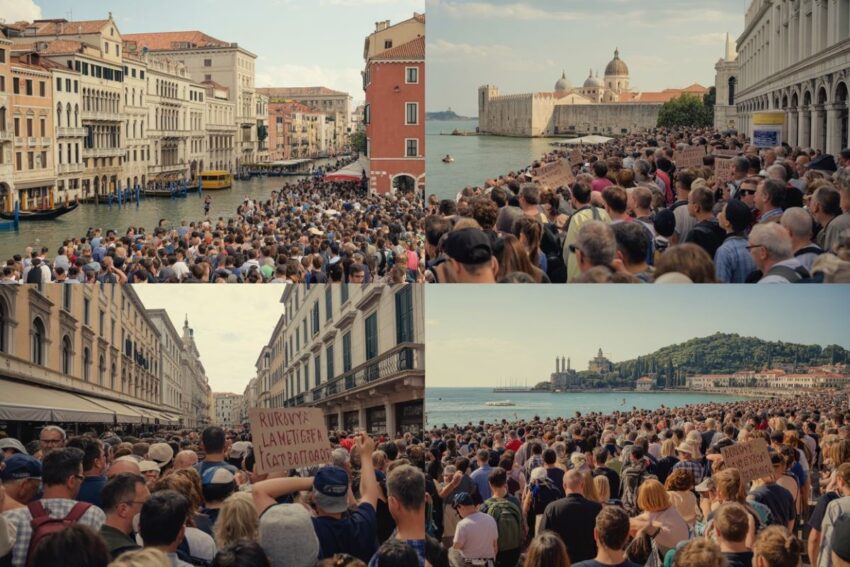 Image generated with Ai
Europe continues to be one of the world’s most visited regions, drawing millions of travellers yearly thanks to its rich heritage, iconic landmarks and world‑famous cities. But this success has brought a growing dilemma: overtourism — a situation in which the sheer number of visitors overwhelms local communities, infrastructure and the quality of residents’ everyday life. According to the World Tourism Organization, overtourism describes a scale of tourism intensity that negatively affects both local populations and visitor experiences. When tourism exceeds a destination’s social‑carrying capacity, it can lead to congestion, environmental strain, higher costs of living and even protests from residents.
In many European cities, the balance between welcoming tourists and maintaining livability has tipped too far. These destinations now grapple not just with crowded streets and tourist queues but with broader social tensions and calls for sustainable alternatives — prompting some cities to rethink how tourism is managed.
Advertisement
Advertisement
Dubrovnik, Croatia – Overwhelmed by Its Popularity
One of the most cited examples of overtourism in Europe is Dubrovnik, a UNESCO World Heritage site on Croatia’s Dalmatian coast. This historic city has seen tourist numbers far outstrip its resident population, with reports indicating that visitors have reached more than 36 tourists per local annually.
The city’s medieval walls and picturesque Old Town, celebrated for their well‑preserved architecture and scenic views, now face heavy footfall year‑round. Cruise ships, in particular, have contributed to spikes in day‑trippers who arrive in large numbers but do not necessarily contribute substantially to the local economy. The influx has strained local services, driven up living costs and prompted authorities to explore visitor caps and management strategies to preserve both heritage and quality of life.
Advertisement
Advertisement
Venice, Italy – The Floating City Under Pressure
Venice is another European destination where overtourism remains deeply felt. Famous for its canals, Renaissance art and historic buildings, the city has long attracted millions of travellers, but this popularity has come at a cost. Visitor concentrations in narrow streets and over water have intensified wear on infrastructure and created daily crowds that many residents find disruptive.
Venice’s authorities have already taken steps such as banning large cruise ships from entering the historic lagoon — a move aimed at protecting both the delicate ecosystem and the integrity of the city’s foundations. Even so, the challenges of balancing visitor influx with sustainability continue to be at the forefront of local and national tourism planning conversations.
Advertisement
Advertisement
Heraklion, Greece – A Gateway Facing Its Own Strain
On the island of Crete, Heraklion has experienced tourism intensity that far exceeds local capacity during peak seasons. Tourists arrive in droves attracted by the city’s rich Minoan heritage, ancient sites and Mediterranean beaches. Visitor‑to‑resident ratios in Heraklion often reflect disproportionately high tourist numbers relative to the local population. While its beaches and historic attractions remain major draws, the sheer volume of visitors in summer months drives congestion and can diminish the quality of both daily life and holiday experience.
Other European Cities Struggling With Visitor Crowds
Several other cities across the continent also face pronounced overtourism:
- Barcelona, Spain: With visitor numbers far exceeding local capacity, the city has seen protests and policymaker proposals to limit apartment rentals and even tourist numbers in an effort to protect long‑term living conditions and housing affordability.
- Amsterdam, Netherlands and Lisbon, Portugal: Both cities have high visitor densities that contribute to crowded streets, upward pressure on housing markets and tensions between residents and seasonal travellers.
- Paris, France: One of Europe’s biggest tourism magnets, Paris registers enormous overnight stays and has sparked wider debates about balancing visitor demand with day‑to‑day life for Parisians.
These destinations illustrate that overtourism is not confined to small towns or seasonal resorts; it also affects some of the continent’s most celebrated urban hubs.
The Wider Effects of Overtourism on Cities and Locals
Overtourism can reshape a city’s social and economic fabric. When tourism demand accelerates beyond infrastructure and housing capacity, several consequences may emerge:
- Strained public services: Local transit, sanitation and public spaces feel the strain when visitor numbers spike, especially in peak seasons.
- Rising living costs: Housing rents and property prices can surge as short‑term rental demand increases, making it difficult for residents to afford homes.
- Community backlash: Some European cities have witnessed demonstrations and activism against tourism’s dominance in core urban areas.
- Environmental wear: Historic sites and fragile ecosystems, particularly in coastal or heritage‑rich cities, face increased risk of degradation under constant heavy visitor traffic.
These impacts have prompted destination management discussions at local and EU levels on how to support sustainable tourism growth while preserving cultural authenticity and resident wellbeing.
Balancing Visitor Demand With Sustainability
Addressing overtourism requires thoughtful strategies that consider both tourists and residents. Some cities have begun experimenting with visitor caps, enhanced taxes on short‑term rentals, reservation systems for popular sites and diversified tourism promotion to spread demand across lesser‑known areas. These measures aim not to discourage travel but to distribute its benefits more sustainably and reduce pressure on overburdened hotspots.
Advertisement
Advertisement
Travellers also play a role by choosing off‑peak seasons, exploring lesser‑visited destinations and respecting local cultures and living environments. Responsible travel helps ensure that beloved European cities can continue welcoming visitors without compromising resident quality of life or environmental health.
Conclusion – Rethinking Travel Choices in 2026
In 2026, overtourism remains a significant concern in many European cities. Famous destinations like Dubrovnik, Venice, Barcelona and Heraklion illustrate how visitor overload can challenge infrastructure, local life and cultural preservation. While these cities offer remarkable experiences, their future health as destinations depends on sustainable tourism practices and more balanced travel behaviour. By understanding the pressures of overtourism and making informed travel decisions, visitors can help protect Europe’s most iconic places while still enjoying unforgettable journeys.
Advertisement
