
EVA Air to Launch Direct Taipei (TPE) – Kobe (UKB) Flights in June 2025

Published
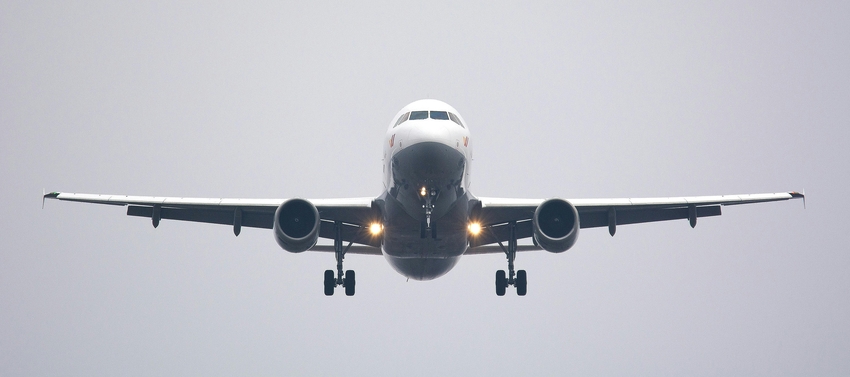 Image generated with Ai
It was reported that EVA Air, a member of the Star Alliance, had recently submitted its operational schedule for a new flight route connecting Taipei Taoyuan Airport (TPE) and Kobe Airport (UKB). This service was expected to commence on June 20, 2025, and would be operated twice weekly using Airbus A321 aircraft. Aviation industry analysts suggested that this move was likely to enhance travel accessibility between Taiwan and Japan, particularly benefiting business and leisure travelers who sought direct connectivity between these two cities.
Flight Schedule and Service Details
According to the filed schedule, the planned flights would operate as follows:
Advertisement
Advertisement
- Flight BR134 was set to depart from Taipei Taoyuan (TPE) at 06:20 AM, reaching Kobe (UKB) at 10:00 AM local time on Mondays and Fridays.
- Flight BR133 would return from Kobe at 11:00 AM, arriving in Taipei at 12:55 PM on the same days.
By offering morning departures and midday arrivals, EVA Air appeared to be catering to travelers who wished to maximize their time at their destination.
Impact on Regional Air Connectivity
Industry observers noted that this new route was poised to contribute to improved air connectivity between Taiwan and Japan. Previously, travelers heading to Kobe from Taipei had often needed to transit through Osaka Kansai Airport (KIX) or Tokyo’s major airports. With the introduction of a direct flight, time-sensitive travelers, including corporate passengers and tourists, were expected to benefit from reduced travel durations and a more seamless flying experience.
Advertisement
Advertisement
The timing of this service was also significant, as it aligned with a broader trend of airlines reinstating or expanding their international routes following years of fluctuating travel demand due to global disruptions.
Boosting Tourism and Business Travel
It was suggested that the introduction of this new EVA Air route could contribute to increased travel activity between Taiwan and Japan. Kobe, known for its rich cultural heritage, scenic waterfront, and renowned cuisine—including the world-famous Kobe beef—had long been a favored destination for international visitors.
Advertisement
Advertisement
Taiwanese tourists, in particular, were identified as a key demographic that might benefit from the route. Surveys had indicated that Japan remained one of the most visited international destinations for Taiwanese travelers. Conversely, the direct connection was also expected to encourage Japanese travelers to explore Taiwan more conveniently, thereby supporting tourism growth in both directions.
From a business standpoint, Kobe was recognized as a significant economic hub within the Kansai region. With numerous companies involved in maritime trade, advanced manufacturing, and the biomedical sector, easier access from Taiwan could encourage stronger commercial ties.
Potential Challenges and Competition
While the move was generally seen as beneficial, aviation experts had pointed out that EVA Air might face competition from existing carriers that serviced Taiwan-Japan routes. Although there was currently no direct Taipei-Kobe flight by a major airline, Osaka Kansai Airport remained a prominent gateway to the Kansai region, with multiple carriers offering flights from Taipei.
Some analysts had also considered whether the twice-weekly frequency would be sufficient to capture demand. While the service would provide direct access to Kobe, travelers who required greater flexibility in flight times might still prefer alternative routes through Osaka or Tokyo.
Global Implications for Travelers
Beyond the regional impact, this development was part of a larger pattern where airlines were resuming or introducing international services to facilitate cross-border movement. As global travel demand continued to rebound, particularly in the Asia-Pacific region, airlines had been strategically adjusting their networks to meet shifting passenger needs.
For international travelers, additional route options such as the Taipei-Kobe service were generally viewed as positive. More direct flights meant fewer layovers, reduced travel times, and greater convenience, especially for those engaging in multi-city itineraries across Japan.
Advertisement
Advertisement
Given that both Taiwan and Japan were key players in the global aviation and tourism industries, such initiatives were seen as steps toward strengthening post-pandemic air travel recovery. The potential economic ripple effects—from increased passenger traffic to strengthened business engagements—were expected to extend beyond just the two cities involved.
Future Outlook for EVA Air’s Expansion Plans
As one of Taiwan’s leading carriers, EVA Air had been actively refining its international route strategy. Aviation insiders speculated that if the Taipei-Kobe service demonstrated strong performance, the airline might consider increasing flight frequencies or adding additional Japanese destinations to its network.
Furthermore, Japan’s aviation authorities had been working on airport infrastructure improvements to accommodate rising international travel volumes. With Kobe Airport’s role in the Kansai aviation network gradually evolving, increased international flight activity could pave the way for further airline investments.
The planned launch of EVA Air’s Taipei-Kobe route in June 2025 was seen as a noteworthy development in regional air travel. By offering a direct link between these two destinations, the airline was expected to facilitate more convenient travel for passengers while fostering tourism and business exchanges.
While challenges such as competition from nearby airports and flight frequency considerations remained, the general sentiment among industry experts was that this move aligned well with the ongoing recovery and expansion trends in the global aviation sector.
Advertisement
