
Finland Aligns With Sweden And More To Lead Global Eco Tourism Drive In Sustainable Travel

Published
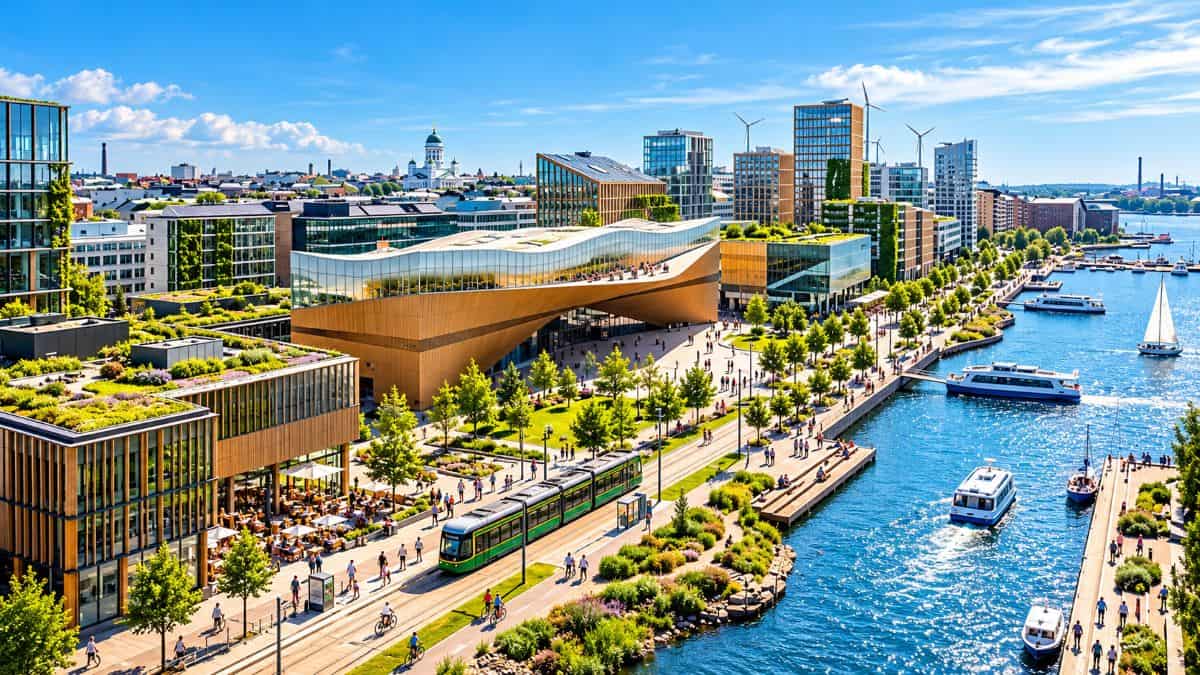
Image generated with Ai
Conscious journey planning has evolved from a niche preference into an essential blueprint for global holidaymakers seeking to reduce their environmental impact whilst discovering exceptional cultural heritage. The release of the 2026 Global Destination Sustainability Index reveals how international municipal authorities and regional destination management organisations are fundamentally restructuring urban tourism frameworks. Through rigorous benchmarking across environmental performance, social progress, supplier engagement, and holistic destination governance, municipal authorities are successfully balancing the priorities of resident communities with the aspirations of discerning global visitors.
Nordic regions continue to demonstrate peerless administrative leadership in regenerative tourism, yet the latest global evaluation confirms that sustainable urban practice is gaining significant momentum across North America, Oceania, and the British Isles. Travellers now possess transparent, verified data to evaluate holiday choices based on genuine carbon mitigation, renewable energy infrastructure, green public transit, and certified eco-friendly hospitality providers. The narrowing performance threshold between the top ten urban centres indicates that progressive environmental stewardship has become an internationally recognised imperative for forward-thinking holiday destinations.
Advertisement
Advertisement
The Evolution of Global Destination Sustainability Benchmarking
Modern sustainable travel metrics rely on exhaustive, independent assessments rather than superficial marketing slogans or unverified corporate commitments. The institutional framework governing the Global Destination Sustainability assessment evaluates seventy-four comprehensive indicators, examining real-world carbon emissions reduction, municipal biodiversity conservation, and verified environmental credentials across hotels and tour operators. Destinations are held to rigorous accountability standards regarding how visitor expenditure directly supports local community welfare, circular economic models, and equitable cultural preservation.
For the international traveller, these detailed governance evaluations remove ambiguity from holiday decision-making by confirming that chosen destinations maintain robust environmental oversight. Urban centres excelling in these metrics consistently offer clean pedestrianised historic quarters, world-class electrified public mobility, extensive waste reduction initiatives, and sustainably sourced gastronomy. Discerning visitors can explore vibrant cityscapes with the confidence that municipal policies prioritise long-term planetary stewardship alongside exceptional cultural hospitality.
Advertisement
Advertisement
| Destination | Country | Performance Score | Core Sustainability Distinction |
|---|---|---|---|
| Helsinki | Finland | 92.94% | Three-time champion with comprehensive hotel certifications and climate governance |
| Gothenburg | Sweden | 91.29% | Benchmark public-private synergy and circular commercial supply chains |
| Copenhagen | Denmark | 90.35% | Exemplary urban bicycle culture and comprehensive harbour revitalization |
| Aarhus | Denmark | 90.12% | Progressive municipal carbon policy and sustainable supplier stewardship |
| Aalborg | Denmark | 88.24% | Superior environmental metrics and targeted regional heritage protection |
| Glasgow | United Kingdom | 87.53% | Leading British hub for green event operations and low-carbon urban transit |
| Sydney | Australia | 87.06% | Premier oceanic metropolis with accelerated water and energy conservation |
| Belfast | United Kingdom | 87.06% | Transformative urban renewal and responsible cultural tourism management |
| Montreal | Canada | 86.59% | North American frontrunner in sustainable strategic planning and green zoning |
| Reykjavik | Iceland | 86.59% | Geothermal energy integration and delicate natural habitat stewardship |
Nordic Hegemony and Strategic Municipal Planning in Urban Capitals
Finland retains preeminent global distinction as Helsinki claims the premier ranking for the third consecutive cycle, recording an unprecedented cumulative score of 92.94 per cent. Helsinki establishes the definitive standard through an integrated climate action strategy that combines citywide renewable district energy with comprehensive environmental verification across its commercial accommodation sector. The capital city successfully harmonises the dynamic needs of local residents with the practical infrastructure required by environmentally conscious holidaymakers, providing seamless electrified light rail transit, exceptional air quality, and completely transparent municipal governance.
Sweden maintains immediate proximity at the pinnacle of international benchmarking through Gothenburg, which secured the second position with an admirable score of 91.29 per cent. Gothenburg excels through profound commercial synergy between regional tourism administrators and independent commercial enterprises, establishing closed-loop supply chains that reduce corporate waste across hospitality operations. Denmark solidifies its status as a premier green corridor with three distinct cities capturing leading positions: Copenhagen achieves third place through pristine waterfront management and ubiquitous cycling transit networks, while Aarhus claims fourth position and Aalborg captures fifth through decisive regional waste-reduction strategies.
Advertisement
Advertisement
International Contenders and Transcontinental Strides in Responsible Tourism
British urban hubs have established significant global relevance, highlighted by Glasgow outperforming domestic competitors to attain the sixth position globally with a score of 87.53 per cent. The Scottish cultural centre has earned international commendation for prioritising low-carbon events infrastructure, extensive parkland connectivity, and proactive supplier management across private hospitality partners. Northern Ireland achieves parallel international prestige as Belfast secures the eighth position with 87.06 per cent, reflecting substantial capital investment in green urban revitalisation, inclusive neighbourhood tourism frameworks, and comprehensive biodiversity conservation along historic waterways.
Oceania and North America provide compelling representation among the international elite, illustrating that sustainable tourism governance transcends regional boundaries. Sydney shares the seventh global position alongside Belfast, representing the sole southern hemisphere metropolis in the top tier and achieving remarkable score increases through aggressive commercial water conservation and large-scale metropolitan solar installations. Montreal claims the ninth position, establishing itself as the leading North American destination through visionary urban green spaces, active community-led zoning, and exemplary performance across destination management categories, while Reykjavik rounds out the global elite by pairing unique geothermal power infrastructure with dedicated Arctic ecosystem protections.
Frequently Asked Questions
What is the Global Destination Sustainability Index used for in travel planning? The index provides independent, verified assessments of cities worldwide, enabling travellers to identify urban destinations committed to genuine environmental protection, social equity, and sustainable visitor management.
Why does Helsinki consistently rank as the world’s most sustainable city? Helsinki maintains the top position due to transparent climate policies, comprehensive environmental certification across its accommodation sector, and an electrified public transport network that serves locals and visitors equally.
How does Denmark maintain three distinct cities in the global top five? Denmark benefits from unified national environmental policies, widespread regional cycling infrastructure, strict municipal green building codes, and strong collaboration between local councils and hospitality operators in Copenhagen, Aarhus, and Aalborg.
What specific factors contributed to Glasgow outperforming other British destinations? Glasgow earned superior scores through its advanced low-emission public transport networks, sustainable corporate events hosting infrastructure, and robust educational programmes for local tourism business suppliers.
Advertisement
Advertisement
How did Sydney secure a position within the global top ten? Sydney achieved rapid gains through comprehensive commercial water efficiency initiatives, widespread adoption of municipal renewable solar energy, and dedicated conservation programmes targeting urban parklands and coastal habitats.
What distinguishes Montreal’s approach to sustainable tourism in North America? Montreal leads North America by achieving top scores in strategic destination governance, preserving accessible green urban corridors, and actively incorporating neighbourhood cultural communities into long-term tourism policy.
How does Reykjavik utilise natural resources to maintain sustainable tourism? Reykjavik harnesses native geothermal and hydroelectric energy to power its visitor infrastructure completely, minimising the per-capita carbon footprint of travellers exploring the Icelandic capital.
Are private hospitality businesses evaluated alongside city governments in these rankings? Yes, assessments evaluate both municipal public sector governance and private sector performance, specifically verifying hotel certifications, restaurant sourcing practices, and the environmental management of local tour operators.
Can responsible urban travel directly support local resident communities? Transparent destination management ensures visitor revenue funds municipal infrastructure, protects local cultural heritage, prevents commercial overtourism, and fosters equitable economic opportunities for permanent residents.
How can independent holidaymakers verify eco-friendly claims made by individual cities? Travellers should review independent sustainability indexes and seek destinations requiring formal environmental certifications, as verified third-party evaluations eliminate misleading marketing claims.
Advertisement
