

EasyJet Sparks Major Winter Travel Shake-Up with 1.4 Million Seat Cuts as Fuel Prices Surge Across Europe

Updated
Published
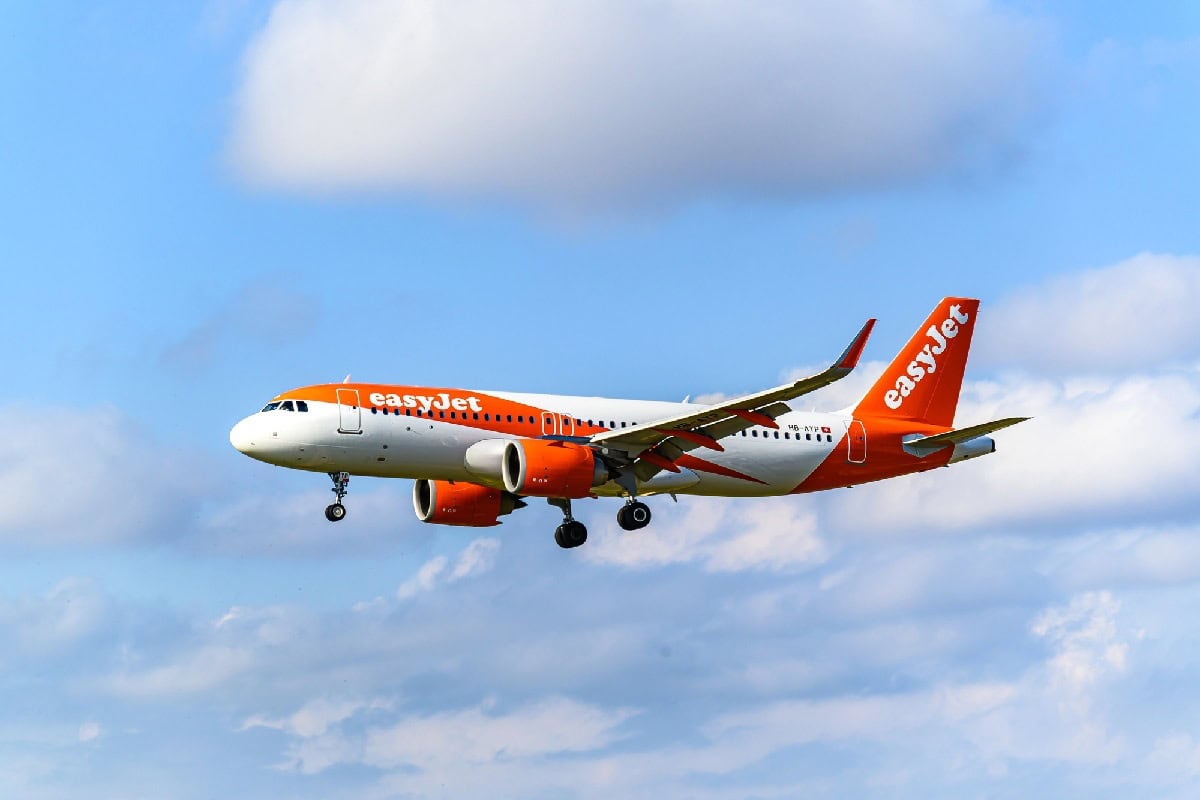
EasyJet is changing winter travel, across Europe by cutting 1.4 million seats from its flight schedule because fuel prices are rising and driving up operating costs. EasyJet is reducing capacity during travel times to control expenses protect profitability and respond to the growing financial pressure caused by higher aviation fuel costs.
EasyJet is preparing to remove another 700,000 seats from its winter flight programme as soaring fuel expenses reshape airline operations across Europe. The latest capacity reduction follows an earlier cut of the same size, taking the carrier’s planned winter seat reductions to approximately 1.4 million as it seeks to protect profitability during a period of rising operating costs.
EasyJet Makes Fresh Winter Capacity Cuts to Tackle Fuel Costs
Europe’s low-cost aviation market is facing renewed pressure as EasyJet moves to reduce its winter capacity for a second time.
The airline’s latest decision will remove another 700,000 seats from its October-to-March schedule, equivalent to roughly two days of normal operations.
Advertisement
Advertisement
EasyJet usually makes approximately 50 million seats available during the six-month winter season. The combined reductions therefore represent a relatively modest but significant adjustment to its overall capacity.
Rather than maintaining flights with limited demand, the carrier is seeking to use its aircraft more efficiently and avoid unnecessary expenditure.
Advertisement
Advertisement
The move reflects a wider effort to preserve financial stability while keeping its principal European connections operational.
Middle East Conflict Creates Fresh Challenges for Airline Operations
Rising aviation fuel prices have become a central concern for European airlines following the escalation of conflict involving Iran in February.
Advertisement
Advertisement
Fuel costs have reportedly increased to almost twice their previous levels, making it more expensive to operate commercial aircraft.
Despite a recent decline, fuel costs continue to exceed earlier industry forecasts, keeping financial pressure on airlines.
This creates particular difficulties for budget carriers, which depend on keeping operating expenses low while offering competitively priced tickets.
When fuel prices rise sharply, flights carrying fewer passengers become more difficult to operate profitably.
Advertisement
Advertisement
EasyJet’s response is to reduce capacity during periods when passenger demand is unlikely to justify the additional expenditure.
Quieter Winter Routes Face Greater Pressure as Airlines Adjust Schedules
Passenger demand across Europe changes considerably throughout the year.
European air travel sees a significant rise in passenger numbers during summer, as tourists flock to sunny coastal destinations, bustling cities and popular holiday resorts. In contrast, winter bookings tend to fluctuate, with travel activity increasing mainly around Christmas, New Year and school breaks. These seasonal shifts allow airlines to revise flight frequencies, scale back services on quieter routes and maintain stronger capacity where passenger demand remains high.
EasyJet’s latest reductions are designed to bring the number of available seats closer to expected demand.
Operating fewer services can reduce fuel consumption and some airport-related costs while allowing airlines to concentrate resources on busier departures.
However, the carrier has not specified which routes or travel dates will be affected by the latest changes.
Ryanair Also Scales Back Flights as European Aviation Faces Uncertainty
EasyJet’s decision comes as Ryanair takes similar measures to manage increasing operating expenses.
Advertisement
Advertisement
The competing low-cost carrier is reducing services during less popular travel periods to limit costs and improve efficiency.
Ryanair has also indicated that unusually high fuel prices could remain a concern for at least another 18 months.
This suggests that the financial effects of the current energy market disruption may extend beyond the approaching winter season.
The decisions by both carriers show how European airlines are becoming more selective about where and when they deploy capacity.
Global Airlines Confront Potential $100 Billion Rise in Fuel Spending
The financial consequences of expensive aviation fuel extend well beyond European carriers.
The International Air Transport Association (IATA) has warned that higher fuel prices could add approximately $100 billion to airline industry costs worldwide this year.
Advertisement
Advertisement
Such an increase would place additional strain on carriers already paying for aircraft maintenance, employees, airport facilities and other essential services.
To manage rising expenses, airlines could revise ticket prices, scale back services on routes with weaker demand and adjust flight schedules to improve operational efficiency.
For budget operators, maintaining a balance between low ticket prices and sustainable operating costs will remain particularly important.
European Travellers Could Face Fewer Winter Flight Choices
EasyJet’s planned reductions may leave passengers with fewer departure options on affected European routes this winter.
Lower capacity could also place upward pressure on ticket prices where demand remains strong, although fare changes are not guaranteed.
Travellers should check confirmed schedules and monitor airline notifications when arranging upcoming journeys.
The latest reductions underline how rising fuel costs are influencing the European aviation market. As EasyJet and Ryanair adapt their operations, winter travel is entering a period in which careful scheduling, cost management and passenger demand will play an increasingly important role in determining available services.
Advertisement
