
South America’s Boldest Travel Shift, How Smart Air Corridors And Data Frameworks Supercharge International Tourism Across Brazil

Updated
Published
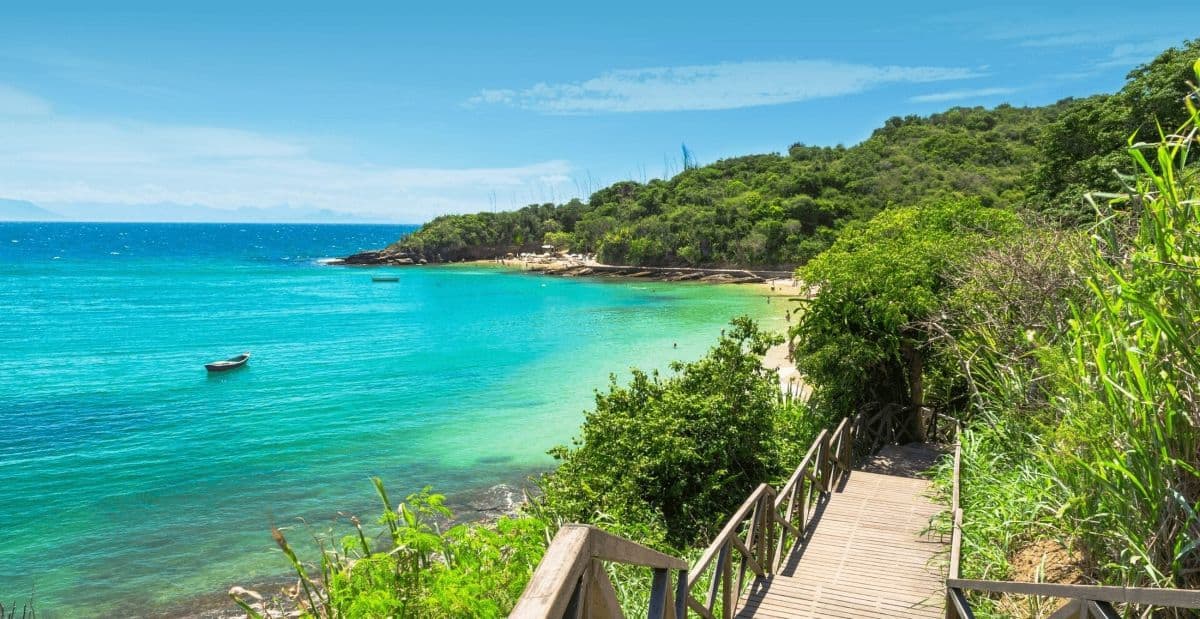
Image Credit: VisitBrasil
How could travel practices be designed to heal rather than further consume the areas they impact? Brazil is such a riddle. For so many years, the world’s view of Brazil was built on photographs of sunny beaches, Samba and Carnival, and a few architectural touches of Rio. The unrevealed Brazil lay behind this curtain of Brazil’s tourism icons. But there’s something happening in Brazil that is really exciting. Brazil is reinventing itself with travel. Brazil is starting to extend beyond the conventional marketing of a ‘tropical’ country and starting to issue an authentic, open-hearted invitation to give travelers the opportunity to explore Brazil beyond the icons to the heart and soul of Brazil.
Advertisement
Advertisement
This is genuine travel marketing presented through Brazil’s Afro-Brazil culture, Brazil’s ecosystems, and Brazil’s communities. Deep travel is transformational economically for a community; Brazil provides a great advertisement for innovative long stay visas and responsible eco-tourism. This is transformational travel at its best. Beyond the headlines of Brazil of yesterday, Brazil is making some tourism changes that are some of the best travel changes the world has to offer.
Why is Brazil’s Bold Destination Marketing Strategy Igniting a Extraordinary Global Travel Surge Right Now?
Advertisement
Advertisement
Brazil is orchestrating South America’s most extraordinary tourism renaissance of the modern era through a dynamic dual-engine promotional framework. The federal government’s strategic division of labor allocates internal infrastructure and policy to the Ministry of Tourism (MTur), while delegating international brand promotion to Embratur (Agência Brasileira de Promoção Internacional do Turismo). By ditching narrow coastal stereotypes, Brazil’s current promotional campaigns celebrate bio-cultural diversity, environmental stewardship, high-yield air routes, and cutting-edge data management. This unified national push has completely overhauled how international travelers view and experience South America’s largest country.
Recent official performance metrics confirm international visitor arrivals have surpassed 9.28 million, eclipsing the baseline set by the federal government’s official Plano Nacional de Turismo (PNT 2024–2027) target of 6.9 million by approximately 34.6%. This dramatic influx of international visitors generates vital foreign exchange reserves, fuels employment across ecologically sensitive biomes, and establishes a blueprint for sustainable economic expansion. By focusing on green travel, cultural authenticity, and high-yield entry routes, the country has converted its natural capital into long-term prosperity.
Advertisement
Advertisement
How is Strategic Rebranding Harnessing Soft Power, Bio-Diversity, and Cultural Heritage Across Brazil’s Regions?
Historical destination marketing relied heavily on sun-and-beach leisure in Rio de Janeiro and seasonal Carnival festivities. Today, national strategy shifts messaging toward soft power, climate leadership, and immersive cultural heritage to capture eco-conscious global travelers. Embratur’s global campaigns actively align with international environmental goals, leveraging the nation’s unparalleled natural biomes to build an authentic green destination brand. This comprehensive shift ensures that international tourism revenue directly funds environmental conservation effort and local host communities.
Advertisement
Advertisement
The primary driver of this brand update is an aggressive climate and ecotourism pivot highlighting protected areas within the Amazon basin in Amazonas and Pará, the flooded wetlands of the Pantanal in Mato Grosso, the vast Cerrado savannah, and the crystalline karst river systems of Bonito in Mato Grosso do Sul. Concurrently, the Afroturismo initiative promotes historical, culinary, and community-led tourism (Turismo de Base Comunitária) across heritage-rich states like Bahia, Rio de Janeiro, and Minas Gerais. This multi-faceted approach diversifies revenue far beyond coastal resort hubs, directing economic benefits directly to local host communities safeguarding fragile ecosystems.
Can the “Conexão Brasil” Air Connectivity Expansion Solve South America’s Long-Haul Transport Bottlenecks?
Limited long-haul flight capacity historically constrained international visitor arrivals across South America, forcing travelers into lengthy domestic layovers. To systematically eliminate this structural barrier, federal authorities launched Conexão Brasil, a program aligning aviation infrastructure with international destination marketing. By co-funding marketing campaigns directly with international airlines, the initiative expands direct routes into secondary international airports across the nation. This strategic expansion makes remote eco-regions and cultural cities easily accessible to global travelers.
Through joint commercial agreements, Embratur co-funds promotional campaigns directly with major global carriers including TAP Air Portugal, Iberia, LATAM, and American Airlines. Simultaneously, MTur invests in regional airport modernisations across strategic entry points such as Manaus, Belém, Florianópolis, and Salvador. By building direct international flight corridors into secondary hubs, the program reduces absolute reliance on São Paulo (GRU) and Rio de Janeiro (GIG), distributing international passenger traffic smoothly across all five geographic macro-regions.
Advertisement
Advertisement
How Are Data Intelligence and “Smart Destinations” Transforming Visitor Targeting in Key Foreign Markets?
Embratur categorizes international origin markets into precise strategic tiers to optimize return on marketing spend. Regional neighbors represent the foundation of inbound tourist flows, led by Argentina as the largest primary market with over 3.3 million annual arrivals, alongside high-volume travel from Chile, Paraguay, and Uruguay. High-spending long-haul markets across North America and Europe are targeted via specialized trade platforms like FITUR in Madrid, ITB Berlin, and World Travel Market in London.
To maximize campaign efficiency, MTur deployed the Destinos Turísticos Inteligentes (DTI Brasil) framework to build smart, data-driven regional hubs. Embratur utilizes real-time mobile movement patterns, global distribution system flight bookings, and international transaction data to target high-intent prospective travelers. Digital outreach leverages niche creator networks focusing on gastronomy, birdwatching, adventure travel, and LGBTQ+ tourism to convert audience interest into confirmed trips to places like São Paulo and Bahia.
What Role Does the “Conheça o Brasil” Domestic Stimulus Play in Building Sustainable Year-Round Demand?
Domestic travel accounts for the vast majority of overall economic activity within the national hospitality sector. To smooth out seasonal troughs between international holiday peaks, MTur launched Conheça o Brasil (“Get to Know Brazil”), an internal incentive program designed to make intra-national travel affordable for citizens. By stimulating off-season travel, the initiative keeps hospitality businesses operational year-round, securing stable employment for millions of workers.
Through strategic partnerships with public financial institutions, the initiative provides accessible credit lines for domestic holiday packages, transport, and lodging. Furthermore, close collaboration between MTur and the Ministry of Ports and Airports expands domestic routes to under-served secondary cities. This internal demand buffer protects regional businesses from international market shifts while encouraging residents to explore the incredible biodiversity and cultural history of their home country.
Advertisement
Advertisement
How Is the Digital Nomad Mobility Framework Transforming Long-Stay Remote Work Pathways Across Coastal and Urban Hubs?
Brazil’s Ministry of Justice and Public Security, working in close coordination with the Ministry of Tourism (Ministério do Turismo – MTur), fundamentally transformed the nation’s international visitor profile by introducing a dedicated residence framework for remote professionals. This policy intervention allows international remote workers to obtain a twelve-month renewable residence permit, provided they meet verified remote employment criteria and satisfy established monthly financial thresholds. Official immigration registries confirm that over two thousand one hundred digital nomad approvals have been granted under this regulatory system. Unlike short-stay vacationers who move rapidly through destinations, remote workers settle into local communities for extended stays. This sustained footprint channels capital directly into medium-term housing markets, neighborhood service industries, and specialized co-working facilities in key locations such as Florianópolis, Rio de Janeiro, and coastal Ceará.
In What Ways Does National Culinary Mapping Elevate Regional Bio-Ingredients and Protect Traditional Agricultural Heritage?
The federal destination strategy deliberately leverages indigenous food systems as a major differentiator in international brand positioning. Coordinated national programs map out regional culinary assets, driving visitor engagement by celebrating the rich environmental biodiversity found across diverse biomes. International marketing highlights regional culinary roots using native wild ingredients such as açaí, tucupi, jambu, and baru nuts from the Amazon and Cerrado regions. Concurrently, legal protections for regional culinary brands—such as Canastra Cheese in Minas Gerais and Serra Gaúcha wines in Rio Grande do Sul—preserve rural traditions while creating high-value agritourism routes. By positioning regional cooking as a primary motivation for international travel, state tourism boards direct visitor spending away from coastal capitals and straight into small family farms, rural cooperatives, and artisanal food production networks.
How Do Streamlined Border Corridors and Overland Infrastructure Drive Intra-Continental South American Travel Integration?
Cross-border highway travel accounts for nearly thirty percent of all international visitor arrivals in Brazil each year, making efficient land border management a crucial backbone for economic integration across South America. Out of total inbound tourist flows, air transport hubs account for nearly sixty-seven percent of arrivals, land border crossings represent nearly twenty-nine percent, and maritime or river ports cover the remaining balance. High-capacity border checkpoints in southern states like Rio Grande do Sul, Paraná, and Santa Catarina handle intense traffic surges during peak holiday periods. Modernized customs clearance and simplified entry protocols between Brazil, Argentina, Uruguay, and Paraguay keep overland travel moving smoothly for long-distance coaches, private vehicles, and regional tour operators alike.
Advertisement
Advertisement
Which Policy Controls and Ecotourism Certifications Protect Fragile Biomes Against Over-Tourism and Climate Risks?
With climate variability increasingly affecting global travel patterns, MTur prioritizes environmental resilience by embedding strict sustainability standards into local destination management frameworks. The karst river destination of Bonito operates a pioneer single-voucher system (Voucher Único) that strictly caps daily visitor numbers to prevent ecological damage across delicate freshwater biomes. Meanwhile, federal authorities partner with private park managers to run iconic reserves like Iguaçu National Park and Tijuca National Park, pairing private operational capital with stringent conservation guidelines. These operational controls safeguard fragile ecosystems while maintaining premium visitor experiences across vulnerable biomes.
How Are Historic Foreign Exchange Records Reshaping Domestic Economic Growth and Balance of Payments Deficits?
Inbound tourist spending generates essential foreign currency reserves, strengthening national balance of payments metrics. Statistics published by the Central Bank of Brazil (Banco Central do Brasil) track visitor spending across hotel, transport, and retail sectors, revealing that annual international receipts jumped from seven point three billion US dollars to ten point nine two billion US dollars, representing an annual growth rate of nearly fifty percent. Total annual foreign visitor spending reached historic records, providing a vital economic buffer. This influx of foreign capital directly supports hospitality workers, transport providers, local restaurants, and retail vendors, helping balance out international travel expenditures made by Brazilian citizens abroad.
How Do Strategic Port Upgrades and Maritime Gateways Expand International Cruise Operations Along the Atlantic Coastline?
Maritime cruise tourism plays a growing role in supporting coastal economies along Brazil’s seven thousand four hundred kilometer Atlantic coastline. Federal port authorities work closely with international cruise lines to maximize vessel berths and streamline passenger arrival procedures during the peak summer season. Key gateways fulfill distinct economic and tourism roles across the coastline; the Port of Santos in São Paulo serves as the primary turnaround port for large South Atlantic itineraries, while Pier Mauá in Rio de Janeiro provides an urban passenger terminal with direct access to iconic city sights. Additionally, the Port of Salvador in Bahia acts as a heritage gateway connecting passengers to historic urban centers, and the ports of Itajaí and Balneário Camboriú in Santa Catarina support southern coastal beach destinations. Targeted investments in deep-water berths allow modern, high-capacity ships to dock smoothly, channeling thousands of day-visitors directly into coastal dining, shopping, and excursion businesses.
Advertisement
Advertisement
How Does Mega-Event Legacy Planning Diversify High-Yield Adventure and Wind-Sport Travel Hubs?
Building on the infrastructure legacies of the 2014 FIFA World Cup and the Rio 2016 Olympic Games, Brazil uses specialized sports tourism to draw international travelers with high spending potential. Strong, consistent coastal winds in Ceará (Jericoacoara) and Rio Grande do Norte (São Miguel do Gostoso) have turned these regions into top global destinations for wind-sports enthusiasts. Furthermore, hosting major international sporting fixtures, marathon races, and high-profile motorsport dates like the Formula 1 Grand Prix in São Paulo helps maintain steady hotel bookings during off-peak months. These specialized sports and event offerings generate reliable tourism demand throughout the year, keeping occupancy rates stable outside traditional holiday seasons.
How Do Federal Accessibility Standards and Adaptive Guiding Systems Open Ecotourism Assets to All Travelers?
Expanding access for every traveler remains a fundamental priority within national tourism planning guidelines. The federal government’s Accessible Tourism initiative (Turismo Acessível) sets clear guidelines for upgrading public transit, historic landmarks, and hotel facilities for travelers with mobility challenges. In national parks, rangers and guides provide specialized all-terrain wheelchairs (Jöëlette) alongside sensory-adapted nature trails, ensuring that even remote wilderness destinations can be enjoyed by everyone. Embedding inclusion standards across national tourism assets improves destination rankings on international competitiveness metrics while providing equitable recreational access.
The Final Verdict
Brazil has focused on quantity over quality when creating tourism opportunities. It has used its limited resources to develop ways for travelers to spend less time in the country… It has slowly been changing that. Now Brazil is starting to appreciate the value of its people, culture, and ecosystems. Brazil is starting to lead the charge of innovative ecosystem-centered sustainable tourism globally. To meet their obligations, new travel options have been created with additional air routes and travel pathways, along with a continued effort to provide benefits to the local community by members of the tourism industry.
Advertisement
Advertisement
You’re not just a visitor when you go to the Iguaçu Falls, the city of Salvador at night, or the relaxing city of Bonito, you help Brazil reinvent, renew and restore itself. Other countries can follow Brazil’s example to create a model of tourism that they hope to achieve one day.
Frequently Asked Questions
What is the operational difference between MTur and Embratur?
The Ministry of Tourism (MTur) handles domestic policy, public infrastructure, investment credit, and municipal smart destination programs inside the country. Embratur functions as the dedicated national promotion agency, managing international marketing campaigns, airline partnerships, and B2B trade shows abroad.
How does Afroturismo contribute to national destination branding?
Afroturismo highlights Afro-Brazilian history, arts, gastronomy, and community tourism particularly in states like Bahia, Rio de Janeiro, and Minas Gerais. It diversifies visitor experiences beyond beach resorts while supporting local black-owned enterprises and heritage preservation.
Advertisement
Advertisement
Why is the “Conexão Brasil” program critical for international tourism growth?
Historically, long-haul travelers had to transit through major hubs in São Paulo or Rio de Janeiro. Conexão Brasil expands direct international flights into regional gateways like Manaus, Belém, Salvador, and Florianópolis, reducing travel times and distributing economic benefits directly across different regions.
Advertisement
