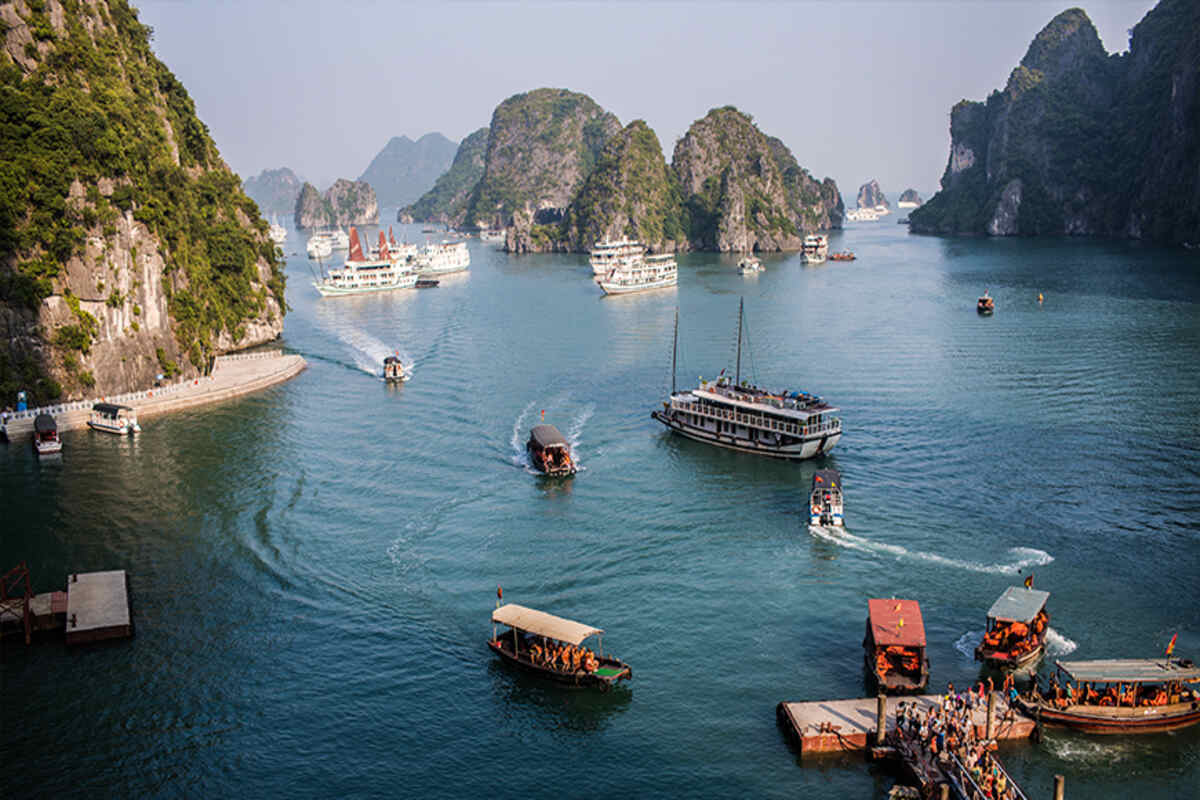
Image generated with Ai
Australians now travel to Vietnam for dental care, thanks to dental clinics in Vietnam advertising on social media.Vietnam has a strong potential medical tourism market as Australians choose to travel to Vietnam for cheaper dental care. Social media advertising along with low pricing and travel bundles help Vietnamese dental clinics draw international patients. The health authorities aim to increase medical tourism by the end of the decade.
Australian travellers are already among the leading foreign nationalities receiving medical treatment in Vietnam, according to the country’s Ministry of Health. Dentistry has emerged as one of the most visible sectors benefiting from the trend.
For Australians facing expensive dental procedures at home, the financial difference can be substantial. Treatments involving crowns, implants, extractions and major restorative work may cost tens of thousands of Australian dollars domestically. Vietnamese clinics often advertise similar procedures at significantly lower prices.
Some packages extend far beyond dental treatment. They can include international flights, accommodation, visas, airport transfers, meals, medication and local transport, effectively turning dental care into a complete medical travel experience.
Advertisement
Advertisement
Digital marketing has become one of the most powerful forces behind Vietnam’s expanding dental tourism sector.
Dental clinics operating in destinations including Hanoi and Da Nang are using Facebook, Instagram, TikTok and other online platforms to reach potential customers overseas. Australians and New Zealanders have become particularly visible target markets.
Advertisements frequently focus on the difference between treatment costs in Australia and Vietnam. Video testimonials, patient journeys and before-and-after content can also make overseas dental treatment appear accessible and straightforward.
User-generated social media content is strengthening the trend. Travellers increasingly publish videos documenting their dental procedures, accommodation, recovery periods and experiences exploring Vietnam.
This creates another form of destination marketing. Vietnam is no longer being promoted only for beaches, cities, heritage sites and cuisine. Healthcare is becoming another reason for international travellers to consider visiting the country.
However, Australian health professionals have warned that online advertising should not replace proper medical research. Images and testimonials published on social media may not always provide enough information about treatment quality, professional qualifications, long-term outcomes or possible complications.
Price remains one of the strongest reasons Australians consider obtaining medical and dental treatment overseas.
Government travel information indicates that dentistry is among the common medical procedures Australians seek internationally. Exact numbers remain difficult to determine because Australia does not maintain comprehensive statistics identifying how many residents travel overseas specifically for medical treatment.
Research cited by Australian authorities and the insurance industry in 2025 suggested that almost half of Australian travellers had either undergone an overseas medical procedure or would consider doing so. Lower treatment costs were a major motivation.
Vietnam has consequently found itself in an increasingly favourable position.
Its relatively close location to Australia, expanding international flight connectivity and established tourism infrastructure allow travellers to combine healthcare with an overseas trip.
Major cities already have private healthcare facilities serving international visitors, while dental clinics increasingly offer English-language services and assistance with travel arrangements.
Vietnam is now considering much bigger ambitions for the international healthcare market.
Around 300,000 foreign residents and international visitors currently use Vietnamese medical services each year, according to information from the Ministry of Health. Services include dental treatment, fertility care, cosmetic procedures and other forms of healthcare.
Under a proposed medical tourism development programme, Vietnamese authorities are seeking to increase the number of international medical visitors to approximately 750,000 annually by 2030.
That would represent a major expansion of the sector.
The strategy involves closer cooperation between healthcare and tourism authorities, potentially allowing Vietnam to market medical treatment alongside its established leisure tourism offering.
Medical tourism could also generate benefits beyond hospitals and clinics. International patients require flights, accommodation, ground transport and other tourism services, potentially increasing visitor spending across several industries.
For Vietnam, the opportunity is therefore larger than healthcare alone. Successful medical tourism development could contribute to tourism diversification while attracting visitors who may stay longer because of consultations, procedures and recovery periods.
The rapid growth of overseas dental treatment has also created concern within Australia’s dental profession.
One major issue involves the amount of time available for complicated treatment.
Major restorative dentistry can sometimes require months of planning, healing and follow-up appointments. Travellers attempting to complete extensive procedures during a short holiday may face different clinical circumstances.
Aftercare represents another important consideration.
Patients who experience problems after returning to Australia may need additional treatment locally. Obtaining corrections, refunds or compensation from an overseas clinic can also be more complicated because different countries operate under different regulatory and consumer protection systems.
Australian dental regulation does not extend to practitioners working overseas. This means Australian authorities generally cannot investigate or regulate foreign clinicians simply because an Australian resident received treatment from them.
Travellers therefore need to understand exactly what protection exists within the country where treatment will take place.
Australian health authorities recommend conducting extensive research before arranging dental treatment overseas.
Travellers should examine the qualifications and professional registration of the individual clinician who will perform the procedure rather than relying solely on the reputation of the clinic.
They should also obtain clear information about the proposed treatment, expected recovery period, possible complications and whether follow-up appointments will be required.
Another consideration is travel insurance. Standard travel insurance policies may exclude planned medical or dental procedures, particularly when treatment is the main reason for travelling.
Patients should determine whether complications resulting from elective treatment are covered and understand who would pay for emergency medical care if something goes wrong.
Aftercare arrangements should also be confirmed before travelling. Travellers need to know whether additional treatment is included, how complications will be managed and whether returning to Vietnam would be necessary.
Independent professional advice in Australia before departure can help patients understand whether the recommended overseas treatment is appropriate.
The continuing attraction of overseas dentistry is also placing attention on the affordability of dental treatment within Australia.
Patients requiring extensive restorative treatment can face considerable costs, particularly when several procedures are required.
Public dental waiting lists and eligibility restrictions may make access more difficult for some patients, while private treatment can represent a significant financial commitment.
These pressures create a powerful incentive to examine overseas alternatives.
The difference in treatment prices means some Australians believe they can obtain extensive dental work abroad while also paying for flights and accommodation for less than the cost of receiving treatment domestically.
However, comparing prices alone does not provide a complete picture. Qualifications, infection controls, treatment planning, materials, aftercare arrangements, legal protections and the cost of correcting complications can all affect the final outcome.
Vietnam’s plan to increase international medical visitors to around 750,000 annually by 2030 could significantly strengthen its position in Asia’s medical tourism market.
Dental care appears likely to form an important part of that growth, particularly among price-conscious Australians.
Aggressive digital marketing, traveller-generated social media content and bundled treatment packages are already making overseas dentistry easier to discover.
For travellers, however, cheaper treatment must be balanced against clinical risk, regulatory differences and potentially difficult aftercare.
Vietnam’s medical tourism ambitions highlight how healthcare and international travel are becoming increasingly interconnected. As the sector expands, Australian travellers are likely to face a growing range of overseas treatment options, making careful research, professional medical advice and a clear understanding of consumer protections more important than ever.
Advertisement
Tags: Australia medical tourism, dental travel, overseas dental treatment, Vietnam dental tourism, Vietnam Tourism
Advertisement
Advertisement













Sunday, September 6, 2026

Sunday, September 6, 2026
Sunday, September 6, 2026

Saturday, September 5, 2026

Saturday, September 5, 2026

Sunday, September 6, 2026

Sunday, September 6, 2026