
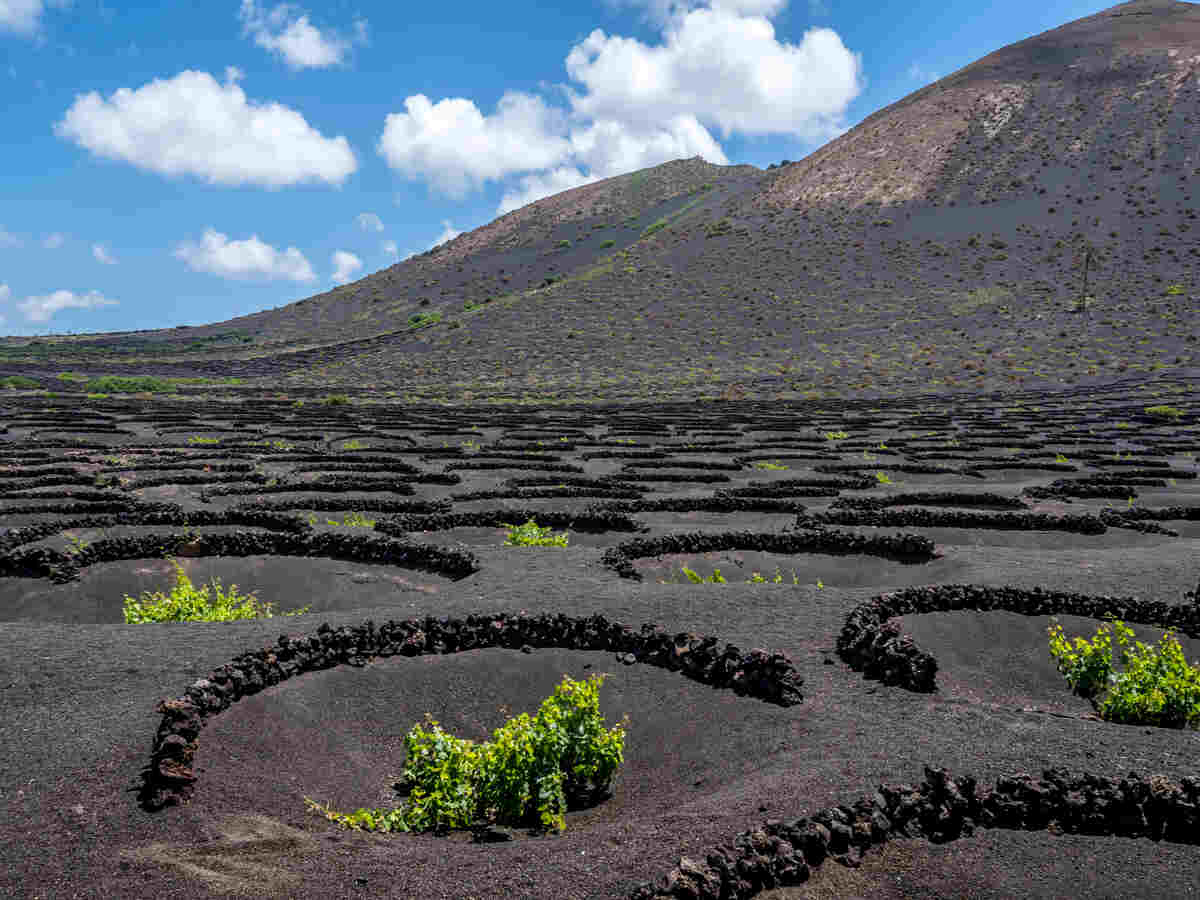
Image generated with Ai
Overtourism in Spain is being addressed by limiting the number of visitors and imposing green policies as the Canary Islands, Barcelona, and other places take action to deal with overtourism. The most famous places in Spain are about to embark on a new chapter of tourism management as the Canary Islands, Barcelona, and others implement stricter policies for addressing overtourism, protecting homes, and conserving the environment.
Tourism remains one of Spain’s strongest economic pillars, attracting millions of international travellers every year. However, record visitor numbers have intensified pressure on local communities, infrastructure, natural resources and housing markets. From island destinations facing environmental stress to historic cities struggling with overcrowding, Spain is now redesigning how tourism is managed.
Advertisement
The Canary Islands have become one of the strongest examples of this transformation, joining Barcelona, the Balearic Islands, Málaga and other destinations in searching for a balance between tourism income and residents’ quality of life.
The Canary Islands have become a major centre of Spain’s overtourism debate after experiencing unprecedented tourism demand. The archipelago attracts millions of visitors annually due to its beaches, volcanic landscapes, warm climate and year-round appeal.
Advertisement
However, residents have raised concerns about the impact of excessive tourism growth, particularly around:
The islands’ unique geography makes tourism management more complicated. Unlike mainland destinations, the Canary Islands have limited land, water resources and infrastructure capacity.
Residents have increasingly called for a more controlled tourism model under the message that the islands must have limits on visitor growth.
The focus is not on stopping tourism but on ensuring that tourism development does not damage the communities and ecosystems that attract travellers.
The main measures being discussed and implemented include:
Barcelona has become one of Europe’s most recognised examples of overtourism management.
The city attracts millions of visitors every year due to landmarks such as the Sagrada Família, historic neighbourhoods, beaches and cultural attractions. However, tourism growth has also contributed to concerns about housing shortages and overcrowded public spaces.
Barcelona’s strategy focuses on reducing pressure created by short-term tourism accommodation.
The city has moved towards:
Barcelona has announced plans to remove existing tourist apartment licences by 2028, with the objective of returning more housing units to the long-term residential market.
The city has also increased tourism taxation, making visitor fees one of the tools used to manage the impact of mass tourism.
| Measure | Details |
|---|---|
| Tourist apartment control | Reduction of short-term rental licences |
| Housing protection | More homes prioritised for residents |
| Tourist tax increases | Higher visitor contributions |
| Visitor management | Greater focus on sustainable tourism |
The Balearic Islands, including Mallorca, Ibiza, Menorca and Formentera, have also introduced stronger tourism controls.
These islands are among Spain’s most popular holiday destinations, but their popularity has created challenges involving:
The region operates a Sustainable Tourism Tax, commonly known as the eco-tax, which is collected from visitors staying in tourist accommodation.
The revenue is used to support:
The islands have also worked to limit uncontrolled accommodation expansion and improve tourism planning.
| Destination | Main Challenge | Response |
|---|---|---|
| Mallorca | High visitor concentration | Sustainable tourism tax and visitor management |
| Ibiza | Holiday rental pressure | Stronger accommodation controls |
| Menorca | Environmental protection | Conservation-focused tourism |
| Formentera | Limited resources | Sustainable visitor planning |
Ibiza has long been known worldwide for nightlife, beaches and luxury tourism. However, the island has increasingly faced concerns about whether tourism growth is sustainable.
The main challenges include:
Authorities have focused on controlling illegal holiday rentals and ensuring tourism growth does not remove housing opportunities for local residents.
The island’s approach reflects a wider Spanish strategy: reducing uncontrolled tourism expansion while maintaining the economic benefits of visitors.
Málaga has experienced rapid tourism growth in recent years, becoming one of Spain’s most popular city destinations.
The city has faced concerns around:
Authorities have introduced restrictions in areas where tourist accommodation has become too concentrated.
The objective is to prevent residential districts from becoming dominated by short-term visitor stays.
| Problem | Action |
|---|---|
| Tourist rental concentration | Restrictions on new tourist apartments |
| Housing pressure | Protection of residential areas |
| Visitor growth | Better tourism distribution |
Unlike some European countries, Spain does not have one nationwide tourist tax. Instead, individual regions and cities decide whether to introduce visitor charges.
The main destinations using tourist fees are:
These charges are designed to support tourism management and reduce pressure on local resources.
| Destination | Tourist Fee System | Purpose |
|---|---|---|
| Barcelona | Regional tax + city surcharge | Tourism management and housing support |
| Catalonia | Accommodation tax | Infrastructure and tourism development |
| Balearic Islands | Sustainable tourism tax | Environmental protection |
| Canary Islands | No general overnight tourist tax | Focus on sustainability measures |
Spain’s response to overtourism is not focused only on limiting visitors. The country is also working to transform tourism into a more sustainable industry.
The main sustainability measures include:
Spain is strengthening protection for:
Visitor management is increasingly being introduced in environmentally sensitive areas.
Spain is encouraging travellers to explore regions beyond traditional hotspots.
The strategy promotes destinations such as:
This helps reduce pressure on overcrowded destinations while spreading tourism income across more communities.
Spain is increasingly focusing on:
The objective is to attract visitors who contribute more economically while creating less pressure on local resources.
| Place | Main Issue | Tourism Control Measures |
|---|---|---|
| Canary Islands | Housing, water pressure, environmental concerns | Sustainability planning, rental discussions, visitor management |
| Barcelona | Housing shortage, overcrowding | Tourist apartment restrictions, higher taxes |
| Mallorca | Seasonal overcrowding | Sustainable tourism tax |
| Ibiza | Holiday rental pressure | Rental enforcement |
| Menorca | Environmental vulnerability | Conservation-focused tourism |
| Málaga | Tourist apartment concentration | Local restrictions |
| Madrid | Lower overtourism pressure | Focus on cultural tourism growth |
Spain’s battle against overtourism reflects a major change in global travel management. The country is no longer focused only on increasing visitor numbers but on ensuring tourism remains beneficial for residents, businesses and the environment.
The Canary Islands, Barcelona and other destinations are demonstrating that the future of tourism will depend on balance — allowing travellers to experience Spain’s unique culture and landscapes while protecting the communities that make these destinations special.
Spain combats overtourism through restrictions imposed on the Canary Islands, Barcelona, and other popular destinations.
A new approach to tourism is being developed in Spain by way of tourist taxes, visitor restrictions, accommodation laws, and sustainability practices.
Advertisement
Tags: Barcelona tourist tax, Canary Islands overtourism, Spain tourism restrictions, sustainable tourism Spain
Advertisement
Advertisement













Saturday, September 5, 2026

Saturday, September 5, 2026

Saturday, September 5, 2026
Saturday, September 5, 2026

Saturday, September 5, 2026

Saturday, September 5, 2026
Saturday, September 5, 2026

Saturday, September 5, 2026



