
Switzerland Joins Germany, France, Austria ,Italy, Spain And The Netherlands As Uber Brings Commercial Robotaxi Innovation To Zurich Transforming Smart Travel And Tourism Across Europe: New Report

Published
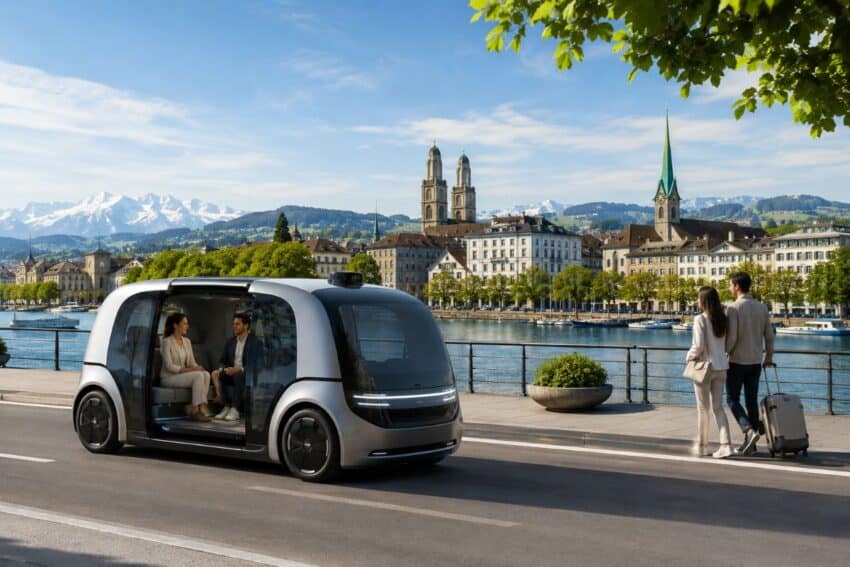
Switzerland is preparing to become one of Europe’s leading destinations for next-generation urban mobility as Uber plans to introduce a commercial robotaxi service in Zurich. The announcement signals another major development in the evolution of smart travel and reinforces Europe’s growing commitment to innovative transportation systems. By selecting Zurich for its latest autonomous mobility expansion, Uber is positioning one of Europe’s most visited business and tourism cities at the center of a technological transformation that could redefine how millions of visitors move around major destinations. The planned service has attracted attention across the travel industry because autonomous transportation has the potential to improve airport transfers, city sightseeing, hotel connections, and local commuting while supporting sustainable tourism goals. As European destinations continue investing in intelligent infrastructure, Zurich is emerging as an important example of how technology and tourism can work together to create a more seamless visitor experience.
Uber Selects Zurich To Expand Autonomous Travel Services Across Europe
Uber’s decision to launch a commercial robotaxi service in Zurich reflects the company’s broader strategy of expanding autonomous transportation into carefully selected European markets. Zurich offers a combination of world-class infrastructure, modern digital connectivity, efficient public transportation, and a reputation for innovation that makes it an attractive location for introducing self-driving ride services.
Advertisement
Advertisement
The Swiss city welcomes millions of international visitors every year for business meetings, financial conferences, leisure holidays, cultural attractions, and sporting events. Reliable transportation plays a vital role in maintaining Zurich’s appeal as a global destination, making autonomous ride-hailing technology an important addition to its urban mobility network. Smart transportation is increasingly becoming a competitive advantage for destinations seeking to improve the overall visitor experience.
Commercial Robotaxis Could Transform The Future Of Tourism
The arrival of commercial robotaxis could significantly change the way international travelers explore European cities. Visitors often encounter transportation challenges after arriving at airports or railway stations, particularly during busy travel seasons when conventional taxi services experience heavy demand.
Advertisement
Advertisement
Autonomous ride-hailing vehicles could offer efficient connections between airports, hotels, convention centers, shopping districts, historic landmarks, and entertainment venues without depending on traditional driver availability. Digital booking systems, optimized routing, and continuous service availability may help reduce waiting times while providing travelers with greater convenience throughout their journeys.
For tourists visiting Zurich for the first time, driverless mobility may simplify local transportation and encourage greater exploration of the city’s attractions.
Advertisement
Advertisement
Smart Mobility Supports Sustainable Tourism Development
Sustainability has become one of the most important priorities for destinations across Europe. Governments and local authorities continue investing in environmentally responsible transportation systems designed to reduce congestion, improve traffic efficiency, and lower emissions.
Autonomous transportation complements these broader sustainability objectives by encouraging more efficient vehicle utilization and supporting integrated mobility networks alongside buses, trains, trams, and cycling infrastructure. Rather than replacing public transportation, robotaxis are expected to provide another convenient travel option that enhances overall accessibility.
Advertisement
Advertisement
For tourism authorities, smarter transportation can contribute to a more attractive destination while helping cities manage growing visitor numbers without placing excessive pressure on existing infrastructure.
Partnership Model Accelerates Autonomous Innovation
Uber continues expanding its autonomous mobility ambitions through partnerships with companies specializing in self-driving technology. Instead of manufacturing autonomous vehicles itself, the company focuses on integrating advanced driving systems into its ride-hailing platform while collaborating with experienced technology developers.
This partnership approach allows Uber to accelerate commercial deployment while adapting services to different regulatory environments. The strategy also supports gradual expansion into additional European destinations as governments establish clear legal frameworks for autonomous transportation.
For travelers, this means future access to innovative mobility solutions through a familiar digital platform that already serves millions of passengers worldwide.
Advertisement
Advertisement
Zurich Strengthens Its Position As A Smart Travel Destination
Zurich has earned international recognition for combining advanced infrastructure with high-quality public services and sustainable urban planning. The introduction of commercial robotaxis aligns with the city’s long-term vision of embracing innovation while maintaining efficient transportation for residents and visitors.
As global tourism becomes increasingly technology-driven, destinations that invest in intelligent mobility solutions may enjoy stronger competitiveness in attracting international travelers. Business visitors, conference delegates, and leisure tourists all benefit from transportation systems that provide reliability, convenience, and seamless digital integration.
The planned robotaxi service further enhances Zurich’s reputation as a forward-looking destination prepared to embrace future travel technologies.
Safety And Regulation Remain Essential Before Commercial Operations
Although autonomous transportation continues making significant technological progress, commercial deployment depends on meeting strict regulatory and safety requirements. Authorities continue evaluating standards covering passenger protection, cybersecurity, insurance responsibilities, operational reliability, and road safety before large-scale services become widely available.
Successful implementation requires extensive testing under real traffic conditions while ensuring autonomous systems perform consistently in different weather, traffic, and environmental situations. Public confidence will also play a key role in determining how quickly travelers adopt driverless transportation during future visits.
These regulatory measures are essential for ensuring autonomous mobility develops responsibly while maintaining high safety standards expected across Europe.
Advertisement
Advertisement
Travel Industry Watches The Next Chapter In European Mobility
The planned commercial robotaxi service represents more than a transportation upgrade. It illustrates how rapidly evolving technologies are reshaping the travel experience across Europe. Modern visitors increasingly expect seamless digital services throughout every stage of their journeys, from booking flights and hotels to navigating destinations efficiently after arrival.
Autonomous ride-hailing has the potential to become another important element of connected travel ecosystems, allowing tourists to move between airports, accommodation, attractions, restaurants, and business districts with greater ease. As additional European destinations monitor Zurich’s experience, successful implementation could encourage wider adoption of similar mobility solutions across the continent.
The combination of artificial intelligence, autonomous driving, and smart city infrastructure demonstrates how innovation continues influencing the future of global tourism.
Europe Moves Toward A New Era Of Intelligent Travel
Uber’s planned robotaxi service in Zurich highlights the accelerating transformation of urban transportation throughout Europe. Switzerland now joins several leading European nations embracing advanced mobility technologies designed to improve travel efficiency, strengthen sustainable transportation, and enhance visitor experiences. While regulatory approvals and safety evaluations remain essential before commercial operations begin, the initiative reflects growing confidence in autonomous mobility as part of tomorrow’s travel landscape. For tourists, business travelers, and city residents alike, Zurich’s upcoming robotaxi service represents another important milestone in Europe’s journey toward smarter, safer, and more connected travel experiences.
Frequently Asked Questions
1. What is Uber planning to launch in Zurich?
Uber plans to introduce a commercial robotaxi service in Zurich, bringing autonomous ride-hailing technology to one of Europe’s leading travel and business destinations.
2. Why is Zurich important for this robotaxi expansion?
Zurich offers advanced transport infrastructure, strong digital connectivity, and a high volume of international business and leisure travelers, making it an ideal location for autonomous mobility services.
Advertisement
Advertisement
3. How could robotaxis benefit tourists?
Robotaxis could provide convenient airport transfers, hotel pickups, sightseeing transportation, and easier travel across Zurich with improved availability and efficient route planning.
4. Will robotaxis replace public transportation in Zurich?
No. Autonomous ride services are expected to complement existing public transport, including trains, trams, and buses, rather than replace them.
5. How does this development support tourism in Switzerland?
The new service could improve urban mobility, reduce travel delays, and provide visitors with a more seamless transportation experience, enhancing Switzerland’s appeal as a smart travel destination.
6. What is a robotaxi?
A robotaxi is a self-driving vehicle that uses advanced autonomous driving technology to transport passengers without requiring a human driver behind the wheel.
7. Is Uber developing the autonomous driving technology itself?
Uber works with specialized autonomous vehicle technology partners while providing its ride-hailing platform and customer services.
8. When could travelers use Uber robotaxis in Zurich?
The service is planned for commercial launch after all required regulatory approvals, safety testing, and operational requirements have been completed.
Advertisement
Advertisement
9. Could other European destinations introduce similar services?
Yes. If the Zurich deployment is successful, additional European cities may consider introducing commercial autonomous ride-hailing services in the future.
10. Why is this announcement significant for the European travel industry?
The expansion demonstrates how autonomous transportation could improve airport connectivity, urban mobility, sustainable tourism, and overall visitor experiences across major European destinations.
Advertisement
