
Lymington Emerges As Coastal Tourism Gem Between Portsmouth And Poole

Published
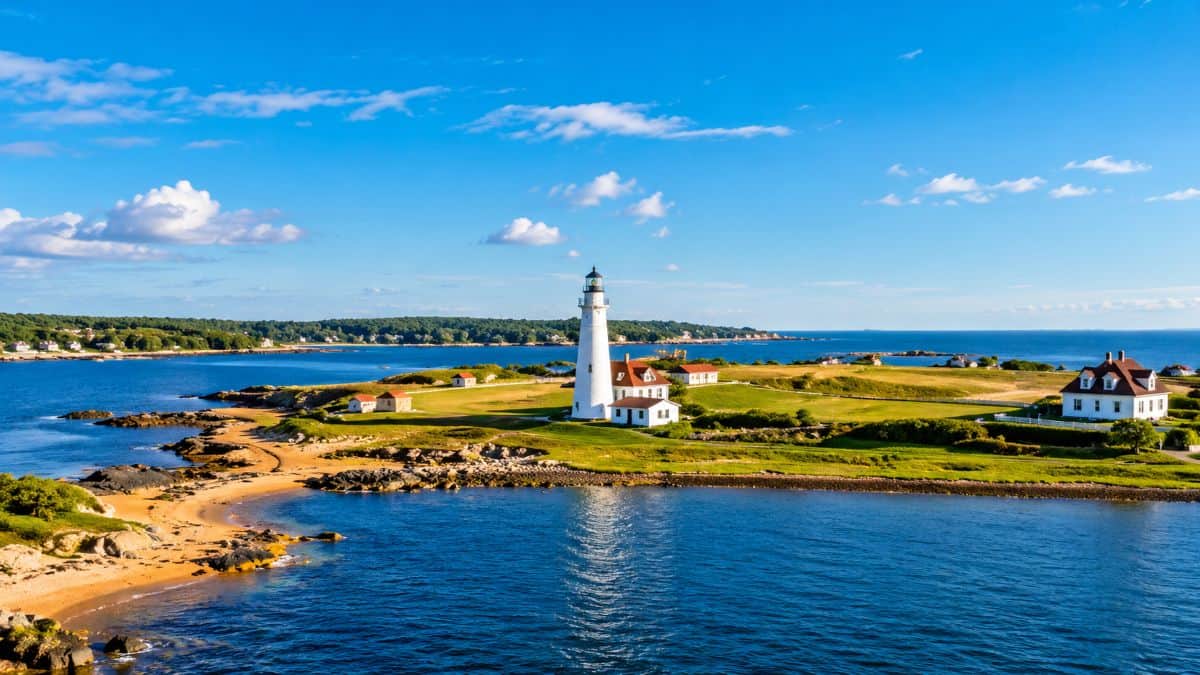
Lymington is attracting renewed attention as a distinctive coastal destination on England’s southern coast, combining a historic market, waterfront dining, maritime character and access to the heritage-rich Hurst Castle. Positioned between Portsmouth and Poole, the Hampshire market town offers travellers an alternative to larger and more heavily visited seaside destinations, with its compact centre providing a blend of Georgian architecture, traditional commerce and coastal experiences.
The destination’s appeal lies in how several tourism experiences can be combined within a relatively short visit. Visitors can explore the historic High Street, browse the Saturday Charter Market, experience local food and seafood, and continue towards the quay and Solent waterfront. Beyond the town centre, Hurst Castle provides a further heritage attraction, extending the visitor experience into the coastal landscape. For travellers exploring southern England in 2026, Lymington demonstrates how smaller destinations can strengthen regional tourism by linking cultural heritage, gastronomy, maritime activity and outdoor exploration.
Lymington’s Historic Market Strengthens Its Tourism Appeal
Lymington’s identity is closely connected with its historic market tradition and distinctive townscape. The broad Georgian High Street remains the centre of local activity, while narrower streets and lanes lead towards the waterfront and reveal layers of the town’s medieval development.
The market tradition dates back centuries, with the Saturday Charter Market continuing to bring activity to the High Street. More than 100 stalls can operate along the street, depending on conditions, creating an important attraction for both residents and visitors. Fresh food, seafood, cheeses, baked products, crafts, vintage items and other locally oriented goods give the market a strong connection with the character of the destination.
Advertisement
Advertisement
For tourism businesses, this type of attraction can be particularly valuable because it encourages visitors to spend time in the town rather than simply passing through. Market visits can be combined with cafés, restaurants, independent shops and waterfront activities, supporting spending across several tourism categories.
The market also contributes to Lymington’s sense of place. Rather than relying exclusively on a single landmark, the destination offers an experience built around local commerce, architecture, food and maritime surroundings.
Advertisement
Advertisement
Food Tourism Adds Another Layer To The Coastal Experience
Lymington’s food scene provides another reason for travellers to extend their stay. Restaurants, cafés and traditional pubs are distributed around the High Street, surrounding streets and quay, creating opportunities for visitors to combine sightseeing with dining.
Local seafood is particularly relevant to the town’s coastal identity. Fishmongers and food retailers at the market offer products including salmon and shellfish, while other traders sell cheeses, meats, pies, olives and antipasti. This creates a food-led dimension to the visitor experience that complements the destination’s maritime setting.
Advertisement
Advertisement
The restaurant offer ranges from contemporary dining to informal tapas and traditional pub food. Waterfront venues are particularly suited to travellers seeking a connection between dining and the harbour environment, while High Street establishments can form part of a wider town-centre itinerary.
This combination supports the growing importance of experiential travel. Visitors increasingly seek destinations where accommodation, food, culture and local activities can be connected rather than consumed as separate experiences. Lymington’s compact geography makes that combination particularly practical for day visitors and short-break travellers.
Hurst Castle Extends Lymington’s Heritage Tourism Offer
Hurst Castle provides a major historical attraction beyond Lymington’s central streets. The Tudor fortress was constructed during the reign of Henry VIII as part of a defensive system protecting the Solent, giving the destination a direct connection with England’s military and royal history.
The castle’s position at the end of a long shingle spit also makes the journey part of the attraction. Visitors can travel towards the fortress by ferry or walk along the coastal spit, creating a tourism experience that combines heritage with landscape and maritime views.
Advertisement
Advertisement
The fortress is associated with several important chapters of British history, including the imprisonment of Charles I before his execution. Its defensive architecture, historic rooms and elevated viewpoints provide opportunities for heritage tourism, photography and coastal sightseeing.
The relatively remote setting can also encourage visitors to explore more of the surrounding area. Instead of treating Lymington solely as a market-town stop, travellers can build an itinerary incorporating the town centre, waterfront, ferry journey and castle.
| Tourism Component | Visitor Appeal | Potential Regional Benefit |
|---|---|---|
| Historic market | Local produce, crafts and shopping | Supports town-centre spending |
| High Street | Georgian architecture and independent businesses | Encourages longer visits |
| Waterfront | Yachts, fishing boats and maritime scenery | Strengthens coastal tourism |
| Food scene | Seafood, pubs, cafés and restaurants | Supports visitor expenditure |
| Hurst Castle | Tudor heritage and coastal views | Expands cultural tourism itineraries |
Southern England Road Trips Can Benefit From Lymington
Lymington’s location gives it relevance for travellers moving between established destinations along England’s southern coast. The town is approximately an hour by car from both Portsmouth and Poole, allowing it to function as a stop within a broader road-trip itinerary.
Travellers visiting Poole and its coastal attractions can add Lymington as a heritage and food-focused excursion. Likewise, visitors exploring Portsmouth can use the town as part of a wider journey through Hampshire and the New Forest area.
This positioning is significant for regional tourism because smaller destinations can benefit from established visitor flows without competing directly with major city attractions. A traveller already planning a southern England itinerary may be more inclined to add a compact market town when it offers a clearly differentiated experience.
The connection with London also broadens the potential market. Lymington can be reached from London by rail with a transfer, making it possible to consider the town for a day trip or short break. Rail accessibility is particularly important for travellers seeking alternatives to car-based tourism.
Advertisement
Advertisement
Maritime Tourism Supports Lymington’s Coastal Identity
The waterfront remains central to Lymington’s tourism character. The quay sits where the Lymington River meets the Solent, providing views of yachts, fishing boats and surrounding coastal landscapes.
This maritime setting complements the town’s heritage attractions and helps distinguish it from inland historic market towns. Visitors can move from the commercial environment of High Street towards the quay, creating a natural transition from cultural tourism to coastal recreation.
The Solent also gives Lymington a wider regional context. Its waters connect a network of coastal communities and destinations, while views towards the Isle of Wight reinforce the town’s position within southern England’s maritime tourism landscape.
For hospitality businesses, the waterfront environment can help support demand for restaurants, pubs and accommodation, particularly during favourable weather and peak leisure periods.
Hospitality Could Benefit From Longer Visitor Itineraries
Lymington’s tourism potential is not based solely on overnight accommodation. Its greatest immediate opportunity may be its ability to encourage visitors to spend more time and money within the destination.
A traveller visiting the market could continue towards the quay, stop for lunch, explore local shops and then travel towards Hurst Castle. This creates a multi-stage itinerary capable of distributing visitor spending across retail, food and beverage, transport and attractions.
Advertisement
Advertisement
For accommodation providers, the same attractions can support short-break demand. Combining coastal scenery, heritage, gastronomy and access to the New Forest region gives the town several themes that can be marketed across different travel seasons.
The model is also relevant to wider destination management. Smaller tourism centres can strengthen resilience when they offer several complementary experiences rather than depending on one attraction or one seasonal visitor segment.
Lymington Offers Opportunities For Cultural And Experiential Travel
The town’s tourism proposition fits several 2026 travel trends, particularly experiential, cultural and regional tourism. Instead of presenting a single headline attraction, Lymington offers a combination of everyday local life and historic landmarks.
The market provides a connection with local commerce, while the Georgian streets contribute architectural interest. The harbour and quay provide maritime scenery, and Hurst Castle introduces a major historical dimension.
This variety could make the destination attractive to couples, independent travellers, domestic tourists and international visitors touring southern England. It also creates opportunities for themed itineraries around food, history, architecture, coastal landscapes and maritime heritage.
| Visitor Segment | Relevant Lymington Experience | Tourism Opportunity |
|---|---|---|
| Heritage travellers | Georgian streets and Hurst Castle | Cultural itineraries |
| Food-focused visitors | Seafood, market produce and restaurants | Gastronomy tourism |
| Coastal travellers | Quay, Solent and ferry journey | Maritime tourism |
| Day trippers | Market and town-centre attractions | Regional excursions |
| Short-break visitors | Food, heritage and coastal experiences | Longer stays |
Challenges And Seasonal Considerations Remain
Lymington’s tourism prospects also depend on practical conditions. Outdoor attractions, market activity and ferry-based experiences can be affected by weather, particularly outside the main summer season.
Advertisement
Advertisement
Hurst Castle’s location means visitors need to plan their journey rather than expecting direct vehicle access to the fortress. Ferry operations, walking conditions and coastal weather can therefore influence the visitor experience.
The town must also balance visitor growth with the character that makes it attractive. Increased tourism can support independent businesses and hospitality operators, but excessive congestion could affect the compact streets, market environment and waterfront experience.
For destination managers, maintaining accessibility while protecting local character will remain important as interest in smaller coastal destinations grows.
Future Outlook For Lymington Tourism
Lymington illustrates how a relatively small destination can create a compelling tourism proposition by connecting heritage, food, maritime culture and coastal landscapes. Its position between Portsmouth and Poole gives it strategic relevance within southern England itineraries, while access from London expands its potential day-trip and short-break market.
If regional travel demand continues to favour authentic experiences and less conventional destinations, Lymington could benefit from greater visitor interest in 2026 and beyond. Its tourism opportunity lies not simply in attracting more visitors, but in encouraging travellers to explore the market, support local businesses, experience the waterfront and discover the historical landscape surrounding Hurst Castle.
For travellers exploring England’s southern coast, the town offers a compact combination of cultural tourism, gastronomy and maritime heritage. For tourism businesses, it demonstrates the potential of smaller destinations to capture value from broader regional visitor flows while retaining a distinctive local identity.
Advertisement
Advertisement
FAQs
What makes Lymington a tourism destination in southern England?
Lymington combines a historic market, Georgian architecture, independent food businesses, a maritime waterfront and access to Hurst Castle.
Where is Lymington located?
Lymington is in Hampshire on England’s southern coast, between Portsmouth and Poole and close to the New Forest.
What is Lymington known for?
Lymington is known for its historic market, waterfront, maritime character, food scene and proximity to Hurst Castle.
Advertisement
Advertisement
When is Lymington’s market held?
The town’s traditional Charter Market operates on Saturdays, with more than 100 stalls possible depending on conditions.
What can visitors buy at Lymington Market?
Visitors can find fresh food, seafood, cheeses, baked goods, crafts, vintage items and other locally oriented products.
What is Hurst Castle?
Hurst Castle is a Tudor-era coastal fortress built during the reign of Henry VIII to help defend the Solent.
Advertisement
Advertisement
How can travellers reach Hurst Castle from Lymington?
Visitors can travel towards the castle by ferry or walk along the coastal spit after reaching the appropriate access point.
Can Lymington be visited as a day trip?
Yes. Its location and rail connections make it suitable for day trips and short visits from London and other southern English destinations.
What type of tourism does Lymington offer?
Lymington supports cultural, heritage, food, coastal, maritime and regional tourism experiences.
Advertisement
Advertisement
Why could Lymington attract more travellers in 2026?
Its combination of local experiences, historic attractions, coastal scenery and accessibility could appeal to travellers seeking distinctive alternatives to larger UK tourist destinations.
Advertisement
