
European Overtourism Backlash in 2026: How Spain, Greece and Italy Are Reshaping Travel for Global Tourists Seeking Smarter Journeys

Published
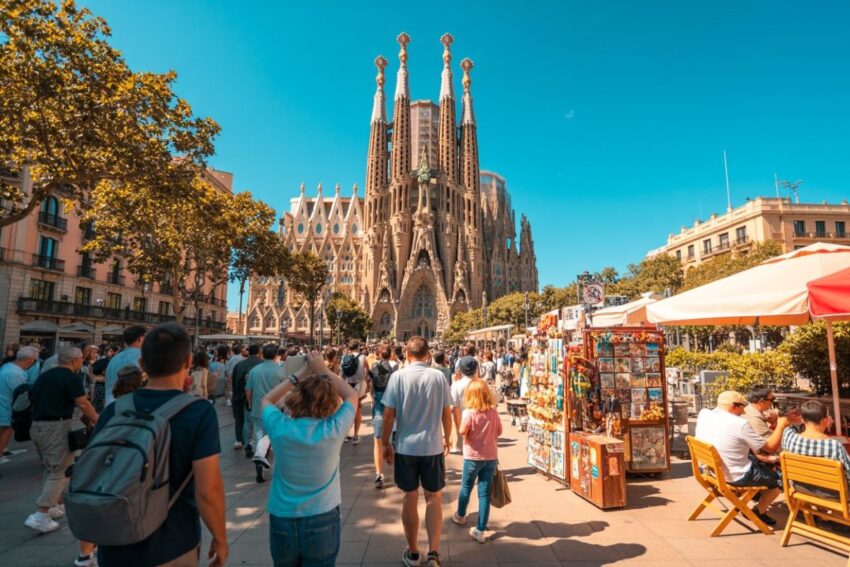 Image generated with Ai
Europe continues to be one of the most visited regions in the world. Millions of travelers arrive each year to explore historic cities, scenic coastlines, and cultural landmarks. However, a clear shift is now visible across many destinations.
Several countries are experiencing strong pressure from rising visitor numbers. This situation has led to what experts describe as a growing overtourism backlash. Local communities in some regions are expressing concern about overcrowding, rising living costs, and environmental stress.
Advertisement
Advertisement
The issue is not about discouraging tourism entirely. Instead, it reflects the challenge of balancing tourism growth with the daily lives of residents and the preservation of cultural and natural heritage.
Why Overtourism Has Become a Travel Concern
Overtourism happens when destinations receive more visitors than they can comfortably manage. This can affect transportation systems, housing availability, local infrastructure, and even cultural sites.
Advertisement
Advertisement
In many popular European locations, peak season travel has become increasingly intense. Streets remain crowded for long hours, accommodation prices rise sharply, and local resources come under pressure.
Residents in several cities have voiced concerns about losing neighborhood identity due to short-term rentals and mass tourism. At the same time, governments are working to protect both tourism income and quality of life.
Advertisement
Advertisement
This has created a growing need for smarter and more responsible travel practices.
Spain’s Struggle With High Visitor Numbers
Spain remains one of the most visited countries in Europe. Coastal regions, island destinations, and major cities attract millions of international tourists every year.
Advertisement
Advertisement
However, certain areas have experienced strong overcrowding during peak travel seasons. This has led to public debate about tourism limits and better visitor management.
Some local authorities have introduced policies to control tourism flow, especially in highly visited urban and beach areas. These measures aim to reduce pressure on housing, transportation, and public spaces.
For travelers, Spain still offers incredible experiences. The key is to explore beyond the most famous destinations. Smaller towns, inland regions, and less commercialized coastal areas often provide a more relaxed and authentic experience.
Traveling during off-peak months also helps avoid crowds while supporting year-round local economies.
Advertisement
Advertisement
Greece Focuses on Protecting Its Natural Beauty
Greece continues to be a dream destination for many international travelers. Its islands, beaches, and ancient heritage sites attract visitors from across the globe.
However, the country is also working to protect its natural environment from overuse. Popular islands and coastal zones have seen increasing pressure from tourism activity.
To address this, authorities are encouraging more sustainable travel practices. Efforts include protecting sensitive coastal ecosystems and managing visitor density in high-demand areas.
For tourists, this means Greece is gradually shifting toward more responsible tourism experiences. Visitors are encouraged to explore lesser-known islands and mainland regions, where cultural authenticity remains strong and crowds are smaller.
This approach not only protects the environment but also allows travelers to enjoy a more peaceful journey.
Italy Balances Heritage Preservation and Tourism Demand
Italy is another country facing challenges linked to overtourism. Cities such as Venice, Rome, and Florence continue to attract massive numbers of visitors every year.
Advertisement
Advertisement
While tourism plays a vital role in the economy, high visitor concentration can strain historic sites and urban infrastructure.
In response, Italian destinations are exploring strategies to manage tourist flows more effectively. Some cities are working on visitor control systems during peak seasons to reduce congestion in sensitive areas.
Travelers can still enjoy Italy’s iconic landmarks, but the experience becomes far more enjoyable when combined with alternative routes. Smaller cities, countryside regions, and cultural towns offer rich history without overwhelming crowds.
Slow travel is becoming increasingly popular in Italy, allowing visitors to spend more time in fewer places and connect more deeply with local culture.
A Shift Toward Responsible and Smarter Travel
Across Europe, travel behavior is changing. Many tourists are now more aware of their impact on destinations. This has led to increased interest in sustainable travel, eco-friendly stays, and off-season holidays.
Travelers are also seeking experiences that feel more authentic rather than crowded tourist hotspots. This shift benefits both visitors and local communities.
Advertisement
Advertisement
Instead of focusing only on famous landmarks, travelers are exploring regional food traditions, rural landscapes, and cultural experiences that were previously overlooked.
This new mindset supports a healthier balance between tourism growth and destination preservation.
Practical Tips for Travelers Visiting Europe
To adapt to the changing travel landscape, visitors can follow a few simple practices.
Choosing travel dates outside peak season can significantly improve the experience. Spring and autumn are often ideal for weather and crowd levels.
Exploring secondary cities and rural regions helps reduce pressure on major tourist hubs.
Supporting local businesses ensures that tourism benefits stay within communities.
Advertisement
Advertisement
Respecting local rules and cultural norms enhances the relationship between visitors and residents.
Finally, planning longer stays instead of short, rushed trips allows for a deeper and more meaningful experience.
The Future of European Travel
The European overtourism backlash is shaping a new direction for global tourism. While challenges remain, the overall outcome is a shift toward more balanced travel experiences.
Destinations are not closing their doors to visitors. Instead, they are encouraging more thoughtful and sustainable ways of exploring.
For travelers, this change presents an opportunity. Europe can still be explored in all its beauty, but with a stronger focus on responsibility and awareness.
The future of travel in Europe is not about avoiding crowds completely. It is about choosing smarter paths, discovering hidden gems, and respecting the places that make travel meaningful.
Advertisement
