
Argentina’s Pachamama Day Revives Andean Heritage Through Sacred Earth Rituals and Cultural Travel: Exclusive

Published
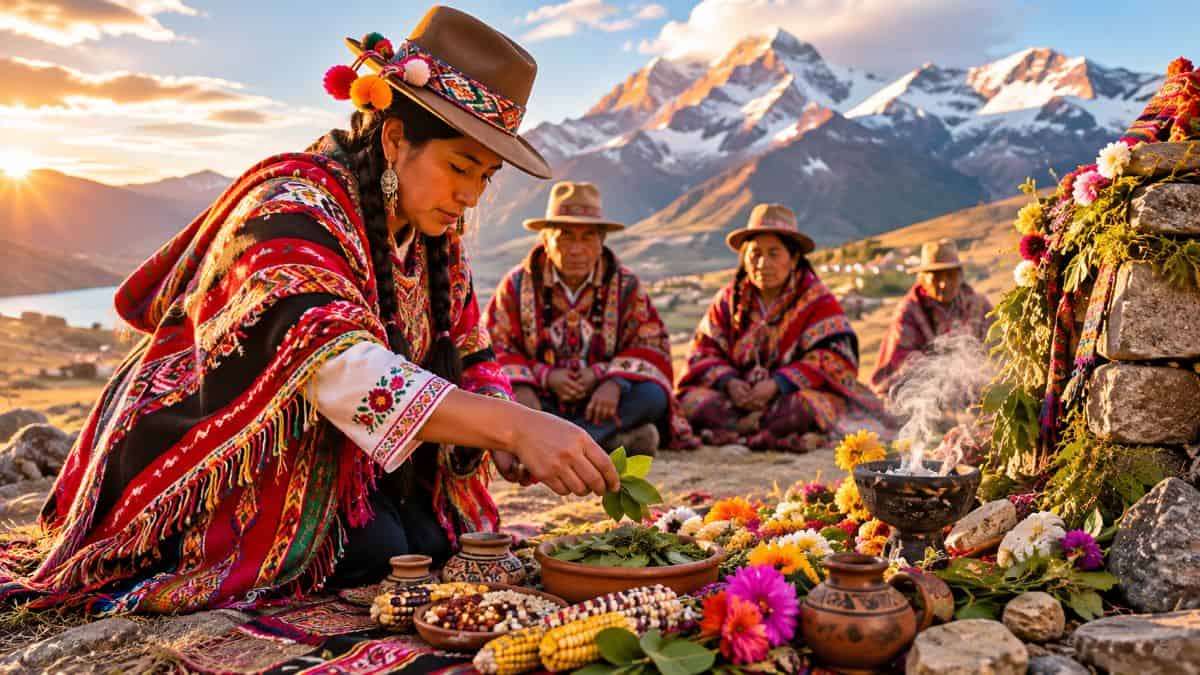
Image generated with Ai
Pachamama Day (1 August each year) is celebrated in much of Argentina and the wider Andean region and continues to draw cultural travellers seeking authentic connections to indigenous heritage, ancestral traditions and nature-based spirituality. The celebration has roots in ancient Andean beliefs dating back hundreds of years and is dedicated to Pachamama or Mother Earth, with ceremonies to give thanks for life, crops, health and nature.
As global travellers look for more meaningful cultural experiences than traditional tourism, Pachamama Day has become an important occasion to showcase the living traditions of indigenous communities. The festival reflects a worldview where people and nature co-exist with respect and responsibility towards each other. In north-west Argentina, notably in the provinces of Jujuy, Salta, Tucumán and Catamarca, communities come together to perform ceremonies that have been handed down and adapted through the generations.
Advertisement
Advertisement
The annual celebration is an opportunity for visitors to learn about the cultural roots of the Andes and participate in ceremonies that highlight the importance of environmental awareness, community values and spiritual heritage. For many travellers it is a rewarding experience, a mixture of history, culture and principles of sustainable tourism in some of the most remarkable landscapes of South America.
Understanding the Meaning of Pachamama Day
Pachamama Day originates from the cosmology of indigenous Andean peoples, particularly the Quechua and Aymara cultures. Within these traditions, Pachamama represents far more than the physical earth. She embodies the life-giving force that sustains people, animals, crops and ecosystems.
Advertisement
Advertisement
The term itself derives from the Quechua language. “Pacha” refers to the universe, world, earth, time and space, while “mama” means mother. Together, the words create the concept of Mother Earth, a revered spiritual presence that nurtures all living beings.
Advertisement
Advertisement
For generations, Andean communities have recognised the importance of maintaining harmony with nature. Rather than viewing the environment solely as a resource, traditional beliefs emphasise reciprocity. The relationship involves gratitude, respect and stewardship, values that continue to shape Pachamama Day celebrations today.
Why August Holds Special Significance
The selection of 1 August carries deep agricultural and cultural importance. Within the Andean agricultural calendar, August marks the beginning of a new cycle for planting and cultivation. Historically, communities regarded this period as an ideal moment to seek blessings for future harvests and express appreciation for the abundance received during previous seasons.
The transition into a new agricultural phase symbolises renewal and hope. Families and communities participate in ceremonies intended to strengthen their connection with the earth while preparing for the months ahead. These practices reinforce the enduring relationship between traditional knowledge, environmental awareness and community wellbeing.
The seasonal significance of August also contributes to the growing interest among cultural travellers, who often visit Andean destinations during this period to observe local customs and engage with indigenous traditions.
Traditional Rituals That Define the Celebration
One of the most recognisable aspects of Pachamama Day is the offering ceremony. Participants prepare gifts for Mother Earth as a gesture of gratitude and respect. These offerings frequently include food, grains, fruits, beverages and symbolic items associated with prosperity and wellbeing.
Advertisement
Advertisement
In many communities, a small hole is dug into the ground to represent a direct connection with Pachamama. The offerings are then placed within the earth while prayers, blessings or words of thanks are spoken. The ceremony reflects the belief that people should give back to the land that sustains them.
Another widely practised tradition involves sharing meals with family and neighbours. Communal gatherings strengthen social bonds and reinforce collective appreciation for cultural heritage. Music, dance and storytelling often accompany these events, creating vibrant celebrations that blend spirituality with community life.
Many households also observe the custom of drinking herbal preparations believed to promote health and protection during the winter season. These practices vary by region but remain an important part of local traditions.
Cultural Tourism and Growing Global Interest
Interest in indigenous tourism experiences has expanded significantly in recent years. Travellers increasingly seek opportunities to engage with authentic cultural traditions while supporting local communities and sustainable tourism initiatives.
Pachamama Day aligns closely with these evolving travel preferences. The celebration offers visitors a chance to witness living cultural practices rather than reconstructed historical performances. Communities throughout north-western Argentina continue to preserve their traditions while welcoming respectful visitors interested in learning about indigenous heritage.
Advertisement
Advertisement
Destinations such as the Quebrada de Humahuaca, a UNESCO World Heritage cultural landscape in Jujuy Province, become focal points for travellers during the celebration period. Visitors can explore historic villages, traditional markets, archaeological sites and ceremonial gatherings while gaining insight into Andean culture.
The event also highlights broader discussions surrounding environmental responsibility and sustainable living. Many travellers view Pachamama Day as an opportunity to reflect on humanity’s relationship with nature and learn from indigenous perspectives on ecological balance.
The Role of Indigenous Heritage in Modern Argentina
Pachamama Day demonstrates the continued relevance of indigenous traditions within contemporary Argentina. While urbanisation and modernisation have transformed many aspects of society, ancestral customs remain important elements of cultural identity across numerous communities.
Educational institutions, cultural organisations and tourism authorities increasingly recognise the value of preserving and promoting indigenous heritage. Cultural events associated with Pachamama Day contribute to public awareness while encouraging intergenerational transmission of traditional knowledge.
The celebration also serves as a reminder that cultural diversity remains one of Argentina’s greatest strengths. By honouring indigenous traditions, communities help ensure that historical knowledge, languages and customs continue to be appreciated by future generations.
Advertisement
Advertisement
Sustainable Travel Lessons from Pachamama
Modern tourism increasingly emphasises sustainability, responsible travel and environmental stewardship. The principles embodied by Pachamama Day resonate strongly with these priorities.
The celebration encourages reflection on consumption patterns, natural resource management and ecological responsibility. Indigenous perspectives often highlight the importance of living in balance with nature rather than exploiting it without consideration for future generations.
Travellers who participate respectfully in Pachamama-related activities frequently gain a deeper understanding of sustainable living practices. This cultural exchange contributes to more meaningful travel experiences while supporting preservation efforts within local communities.
Pachamama Day’s Lasting Importance
As interest in cultural tourism and indigenous heritage continues to grow, Pachamama Day stands as a potent expression of Andean identity and environmental awareness. The annual festival keeps up the traditions of the ancestors and gives modern people useful knowledge about other ways of viewing the world and man’s place in it.
For those looking to experience authentic culture, the observance offers a valuable chance to delve into Argentina’s native customs, interact with the communities and witness practices that have stood the test of time. Pachamama Day goes on to inspire residents and visitors alike, through gratitude, reciprocity and respect for nature.
Advertisement
Advertisement
FAQs
What is Pachamama Day?
Pachamama Day is an annual celebration held on 1 August to honour Mother Earth according to Andean indigenous traditions.
What does Pachamama mean?
The term combines the Quechua words “pacha” (world, earth or universe) and “mama” (mother), meaning Mother Earth.
Where is Pachamama Day celebrated?
It is celebrated across Argentina, Bolivia, Peru and other Andean regions with indigenous cultural traditions.
Why is 1 August important for Pachamama celebrations?
The date marks the beginning of a new agricultural cycle in the Andean calendar.
How do people honour Pachamama?
Communities make offerings, perform ceremonies, share meals and express gratitude to Mother Earth.
Advertisement
Advertisement
What kinds of offerings are made?
Offerings commonly include food, grains, fruits, drinks and symbolic items representing abundance.
Which Argentine regions are most associated with the celebration?
Jujuy, Salta, Tucumán and Catamarca are among the most prominent regions observing Pachamama Day.
Can tourists participate in Pachamama celebrations?
Yes, many communities welcome respectful visitors interested in learning about local traditions.
How does Pachamama Day support cultural tourism?
It showcases authentic indigenous heritage, attracting travellers interested in culture, history and sustainability.
What environmental message does Pachamama Day convey?
The celebration promotes respect for nature, ecological balance and responsible stewardship of natural resources.
Advertisement
