
Badlands Emerges Alongside Chicago and More as USA Fuels a Fossil Travel Revolution

Published
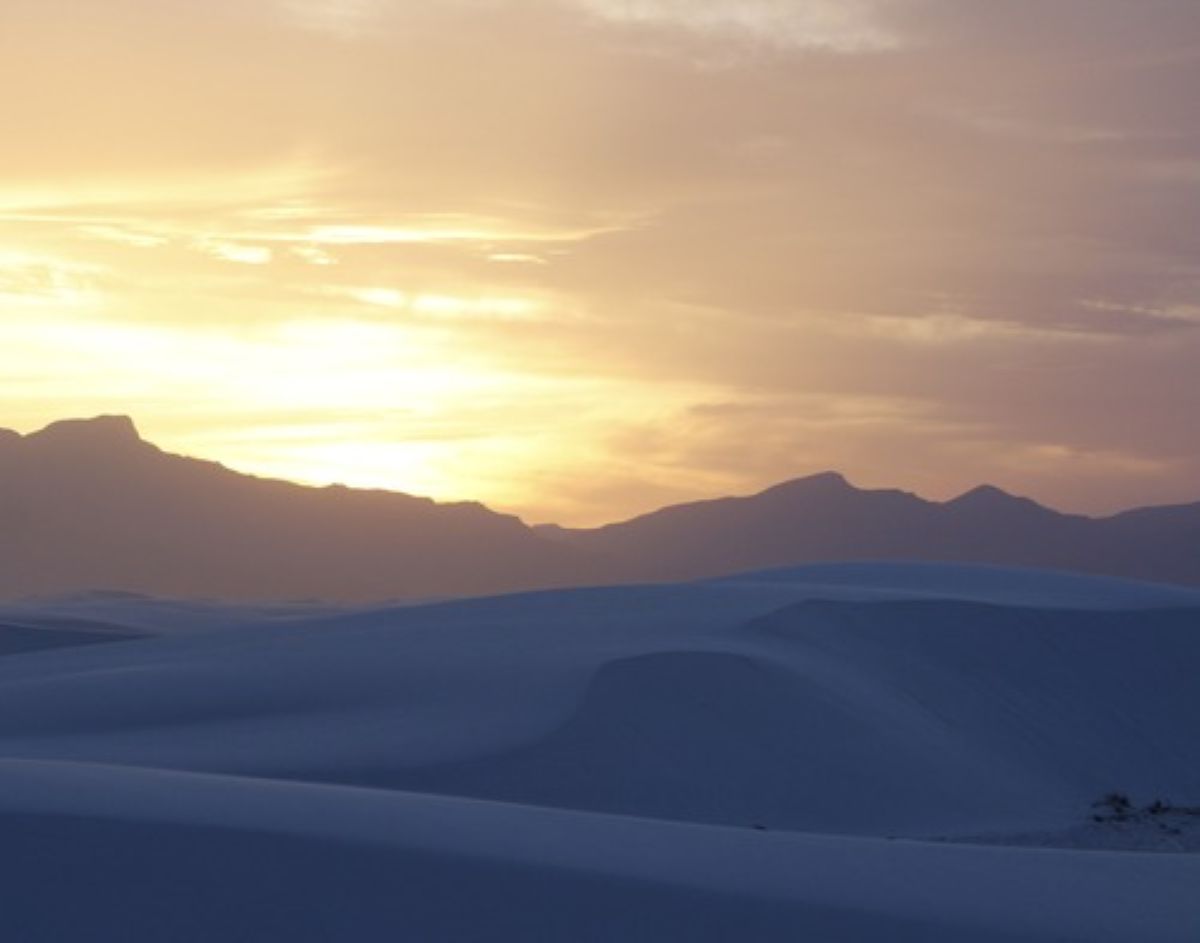
Image credit: npgallery
Families across the United States have a thrilling new reason to travel this October. It is not only about autumn colours, Halloween or school breaks. It is about walking through deep time. From Ice Age human footprints in New Mexico to giant dinosaur bones in Utah and ancient mammal fossils in South Dakota, America’s parks are turning science into a real family adventure.
Earth Science Week runs from 11 to 17 October 2026. National Fossil Day follows on Wednesday, 14 October. This year’s Earth Science Week theme is Critical Minerals for a Thriving Society. It helps families understand how rocks, minerals, land and fossils shape daily life.
The best part is simple. Children do not only read about the past in books. They can see it in a park, a museum or a rock wall. They can look at the ground and imagine mammoths, giant sloths and early people walking there long ago.
Advertisement
Advertisement
White Sands Becomes the Star of National Fossil Day
White Sands National Park in New Mexico is the biggest story of this year’s celebration. The National Park Service has chosen White Sands for the official 2026 National Fossil Day artwork. This gives the desert park a powerful national spotlight.
Many travellers know White Sands for its bright gypsum dunes. The wide white landscape can look like snow under the desert sun. But the park holds a far older secret. Long before the dunes formed, the Tularosa Basin had lakes, wetlands and grasslands. Mammoths, camels, giant ground sloths, dire wolves and large cats once lived there.
People also walked this land. Scientists have found fossil footprints showing that humans and Ice Age animals shared the same area at least 23,000 to 21,000 years ago. It is one of the most important stories in North American science.
This is why White Sands works so well for family tourism. The destination combines beauty with learning. A child can slide down a dune in the afternoon and learn about ancient footprints later in the day. Parents get a meaningful travel experience without making the trip feel like a classroom lesson.
October adds more reasons to visit. Sunset strolls are scheduled on selected Fridays, Saturdays and Sundays until 17 October, depending on weather and staffing. On 25 October, the park’s Full Moon Night programme will include a ranger presentation on fossilised footprints. A moonlight hike is also scheduled for 26 October.
Travellers should plan carefully. White Sands can close temporarily when nearby White Sands Missile Range conducts tests. Visitors should always check current conditions before setting out.
Dinosaur National Monument Lets Families Meet the Jurassic World
Dinosaur National Monument, on the Utah and Colorado border, offers another unforgettable stop. Its Quarry Exhibit Hall holds a wall of around 1,500 dinosaur bones. The bones remain inside the rock where they were found. That makes the experience feel far more real than seeing a skeleton in a display case.
Families can see fossils from dinosaurs such as Stegosaurus, Allosaurus, Apatosaurus and Diplodocus. Some real fossils can even be touched. For children, that small moment can become the memory of the whole trip.
The monument also offers a Junior Ranger activity book for children aged five and above. It is available year-round. Families can also walk the Fossil Discovery Trail when conditions allow. The route links the visitor centre and the Quarry Exhibit Hall.
October brings a special historical link as well. Dinosaur National Monument was created on 4 October 1915 to protect the Carnegie Quarry. More than a century later, the site continues to show why fossil protection matters.
Visitors should not expect a dedicated October fossil festival here. The summer geology talks ended in September. Still, the Quarry Exhibit Hall remains a powerful self-guided experience when road access is open. This makes it a dependable option for families taking an autumn road trip.
Advertisement
Advertisement
Badlands Reveals a Lost World of Ancient Mammals
Badlands National Park in South Dakota gives travellers a different fossil story. This is not mainly a dinosaur destination. It is a place where visitors can learn about animals that lived after the dinosaurs disappeared.
The park has some of the world’s richest fossil mammal beds from the late Eocene and early Oligocene periods. Scientists have found evidence of strange early mammals and predators in this rugged landscape. The Fossil Preparation Lab helps visitors understand how experts clean, study and protect fossils.
The Fossil Exhibit Trail is wheelchair-accessible. This makes it a useful stop for multi-generation family groups. October is also a calmer time to explore. Daytime temperatures are usually mild, but evenings can turn cold. Families should bring warm layers for early mornings and nights.
Badlands also teaches an important travel lesson. Fossils do not belong in suitcases. Visitors must leave them where they find them. A fossil can tell scientists more when it stays in its original place. This simple rule protects the story of the land for the next generation.
Advertisement
Advertisement
Chicago Brings Fossil Travel Into the City
Families who prefer a city break can find one of America’s strongest fossil experiences in Chicago. The Field Museum is running the Pokémon Fossil Museum until April 2027. The exhibition links popular Pokémon characters with real fossils and paleontology. It also connects visitors with SUE, the museum’s famous Tyrannosaurus rex.
The museum also has After the Age of Dinosaurs, an exhibition about how life recovered after the asteroid impact that ended the dinosaur age. It runs until January 2027.
This makes Chicago a smart choice for parents who want science, museums, food and city sightseeing in one short trip. It also gives younger children a gentle first step into the world of fossils before a bigger national park journey.
| Destination | State | October 2026 science hook | What families can see and do | Best travel angle | Important planning points |
|---|---|---|---|---|---|
| White Sands National Park | New Mexico | National Fossil Day is 14 October. White Sands is the official 2026 National Fossil Day artwork site. | Explore gypsum dunes, learn about Ice Age landscapes, join sunset strolls and attend the 25 October fossilised-footprints ranger presentation. A moonlight hike is scheduled for 26 October. | Best for a visually striking science-and-nature break with young children. | Check for temporary closures linked to White Sands Missile Range testing. Activities can change due to weather and staffing. |
| White Sands fossil story | New Mexico | Human and Ice Age animal footprints date to at least 23,000 to 21,000 years ago. | Learn about mammoths, camels, giant ground sloths, dire wolves and ancient human life in the Tularosa Basin. | Best for archaeology, early human history and Ice Age storytelling. | Fossil footprints are delicate and not always visibly exposed. Do not promise a guaranteed close-up view. |
| Dinosaur National Monument | Utah and Colorado | The monument’s 4 October anniversary adds an October historical hook. It was created in 1915 to protect the Carnegie Quarry. | Visit Quarry Exhibit Hall, see around 1,500 dinosaur bones in rock, touch selected real fossils and complete a Junior Ranger activity book. | Best hands-on dinosaur destination for families and school-age children. | No dedicated October fossil festival has been announced. Check road access to the Quarry before travelling. |
| Quarry Exhibit Hall | Utah | Fossils date from the Late Jurassic period, around 150 million years ago. | See Stegosaurus, Allosaurus, Apatosaurus, Camarasaurus and Diplodocus fossils in their original rock setting. | Best indoor fossil attraction during an autumn road trip. | The hall is separate from the visitor centre. Parking and access arrangements may vary by season. |
| Fossil Discovery Trail | Utah | A self-guided outdoor link to the monument’s geology and fossil story. | Walk between the Quarry Visitor Center and Quarry Exhibit Hall when conditions allow. | Best for active families who want a short learning walk. | The trail is 1.2 miles one way. Collecting fossils, rocks or other objects is prohibited. |
| Badlands National Park | South Dakota | National Fossil Day gives added relevance to its ancient mammal fossil beds. | Walk the Fossil Exhibit Trail, learn how fossils are prepared and explore eroded buttes, pinnacles and prairie landscapes. | Best for families interested in ancient mammals, geology and wide-open road trips. | October can bring mild days and cold nights. Carry layers and check seasonal facility hours. |
| Badlands fossil story | South Dakota | The park preserves rich late Eocene and early Oligocene mammal fossils. | Discover how animals lived after the dinosaurs disappeared and how scientists uncover and protect fossils. | Best for older children who enjoy science, animals and field discovery. | Fossil talks are usually summer-led, so check the ranger programme calendar before planning around one. |
| Fossil Exhibit Trail | South Dakota | An easy entry point to Badlands geology and prehistoric life. | Follow an accessible trail with fossil interpretation and desert scenery. | Best for multi-generation groups and visitors with limited mobility. | The trail is wheelchair-accessible. Visitors must leave all fossils and natural objects in place. |
| Fossil Preparation Lab | South Dakota | Shows the scientific work behind fossil discovery. | Learn how experts clean, identify and preserve fossils found in the Badlands. | Best for an educational family stop beyond simple sightseeing. | Confirm opening hours and public access before travel, especially in October. |
| Field Museum | Chicago, Illinois | Pokémon Fossil Museum runs until April 2027, while After the Age of Dinosaurs runs until January 2027. | Compare Pokémon with real fossils, meet SUE the T. rex and explore how Earth recovered after the asteroid impact. | Best city-based fossil break for families who prefer museums, food and urban sightseeing. | Reserve timed tickets early for special exhibitions and school-holiday dates. |
| Chicago fossil experience | Chicago, Illinois | Combines permanent palaeontology collections with temporary 2026 exhibitions. | Explore SUE, dinosaur galleries, fossil displays and family-focused science exhibits. | Best for a short weekend break without long drives or outdoor weather risks. | Strong alternative for younger children or families unable to visit remote national parks. |
| Carnegie Museum of Natural History | Pittsburgh, Pennsylvania | An additional city option with major permanent dinosaur displays and October family programming. | Visit the Kamin Hall of Dinosaurs, see real fossils and join museum dinosaur tours when available. | Best for families combining science museums with a city weekend and Halloween activities. | Check the event calendar for ticketed programmes. A sensory-friendly Trick-or-Treat event is scheduled for 23 October. |
| Earth Science Week | Across the USA | 11–17 October 2026. Theme: Critical Minerals for a Thriving Society. | Use park visits, geology trails, museum exhibits and local science activities to explain rocks, minerals and landscapes. | Best national umbrella for an explanatory travel report. | Keep the story travel-led. Use the observance as the timely news peg, not as an unsupported visitor-growth claim. |
| National Fossil Day | Across the USA | Wednesday, 14 October 2026. | Highlight fossil talks, museum activities, Junior Ranger books, virtual resources and responsible fossil viewing. | Best single-day hook for a family tourism and learning feature. | Events differ by location. Confirm each destination’s final schedule before publication. |
| Responsible fossil travel | Across the USA | A key educational message for October coverage. | Look, photograph, learn and report discoveries to park staff if needed. | Gives the article a strong conservation and family-learning ending. | Never remove fossils, rocks, plants or cultural objects from national parks. |
October Turns Travel Into Discovery
America’s fossil destinations offer more than photographs. They make children ask questions. What lived here? Why did it disappear? How do scientists know? Those questions are the real value of this October travel trend.
White Sands leads the national story in 2026. Dinosaur National Monument brings Jurassic giants close. Badlands opens a window into a vanished mammal world. Chicago makes fossils easy to explore in the heart of a major city.
For families, this is travel with a bigger purpose. It is fun, surprising and deeply educational. This October, America’s oldest stories are waiting under the sand, inside the rocks and behind museum doors.
Advertisement
Advertisement
Advertisement
