
Hidden European Travel Destinations Reveal Living Medieval Cities Where History Still Breathes Through Streets And Culture

Published
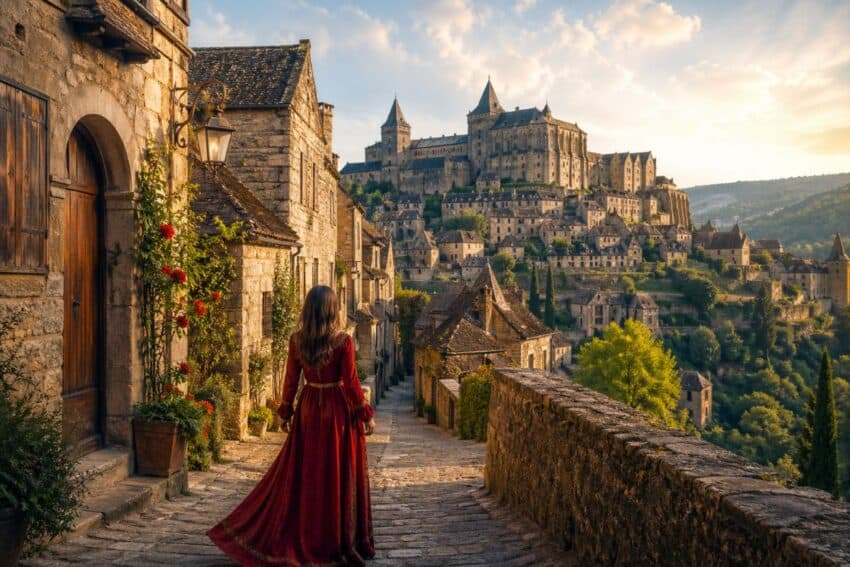
Image generated with Ai
A growing wave of travelers is shifting away from overcrowded landmarks toward destinations where history is not staged but lived. Across Europe, certain cities have quietly preserved their identity without surrendering to modern uniformity. According to verified tourism insights from official European and national tourism boards, places like Tallinn, Siena, and Edinburgh stand out as rare urban environments where centuries-old architecture, traditions, and daily life coexist seamlessly. These cities are not relics; they are functioning cultural ecosystems where the past continues to shape the present. This emerging trend reflects a deeper desire among global travelers to experience authentic heritage rather than curated nostalgia, making these destinations increasingly relevant in the evolving tourism landscape.
Tallinn Emerges As A Medieval Fortress City Frozen In Time
In Northern Europe, Estonia’s capital has gained recognition through official tourism channels for its exceptionally preserved Old Town, a UNESCO-protected zone that showcases one of the most intact medieval urban layouts in the world. Tallinn’s historic core features stone walls, watchtowers, and merchant houses that date back to the Hanseatic League era, offering a rare continuity of architectural storytelling. Government-backed tourism resources emphasize how the city’s elevation changes between upper and lower districts create a layered visual experience that enhances its historical depth. Visitors walking through its narrow streets encounter a cityscape that has resisted large-scale modernization, allowing centuries-old structures to remain central to everyday life. The atmosphere is not theatrical but organic, where cafés, homes, and institutions operate within buildings that have stood for hundreds of years, reinforcing Tallinn’s position as a leading destination for immersive historical travel.
Advertisement
Advertisement
Siena Preserves Medieval Identity Through Culture And Tradition
Italy’s Siena presents a contrasting yet equally powerful example of living history rooted in cultural continuity rather than structural preservation alone. Official Italian tourism authorities highlight Siena’s unique decision to retain its Gothic identity even as nearby regions embraced Renaissance transformation. This has resulted in a city that feels visually and culturally distinct, defined by its enduring medieval character. At the heart of Siena lies the Piazza del Campo, a public space that continues to host the Palio, a historic horse race supported by local governance and cultural institutions. This event is not a reenactment but an ongoing tradition that reflects the city’s deeply ingrained social divisions known as districts, each with its own identity and legacy. The persistence of these traditions demonstrates how heritage in Siena is actively practiced rather than passively displayed, making it a compelling destination for travelers seeking genuine cultural immersion.
Edinburgh Blends Urban Life With Centuries Of Architectural Legacy
Scotland’s capital offers a dramatic interpretation of historical continuity shaped by geography and urban necessity. According to official UK tourism data, Edinburgh’s Old Town developed vertically due to limited space, resulting in towering tenements and narrow alleyways that define its distinctive character. This architectural evolution has created a dense, layered environment where modern life unfolds within a framework established centuries ago. The Royal Mile serves as the central artery connecting key landmarks, yet the true essence of the city lies in its hidden passageways and historic residential structures. Environmental conditions, including coastal fog, further enhance the city’s atmosphere, reinforcing its reputation as a destination where history is felt as much as it is seen. Edinburgh’s ability to maintain its structural integrity while functioning as a modern capital highlights its success in balancing preservation with progress.
Advertisement
Advertisement
Why These Destinations Are Redefining European Travel Trends
Tourism authorities across Europe are increasingly recognizing the value of cities that have retained their historical foundations without excessive commercialization. These destinations appeal to a new generation of travelers who prioritize authenticity, depth, and cultural continuity over convenience and spectacle. Verified data from national tourism boards indicates a steady rise in interest for locations that offer multi-sensory historical experiences, where architecture, tradition, and daily life intersect. Tallinn, Siena, and Edinburgh exemplify this shift by providing environments where visitors can engage with history in a direct and meaningful way. Unlike cities that have transformed their heritage into curated attractions, these locations allow history to remain an active presence, shaping everything from urban design to community identity.
The Future Of Travel Lies In Authentic Cultural Preservation
As global tourism continues to evolve, the demand for destinations that preserve their original character while accommodating modern needs is expected to grow. Government-backed tourism strategies increasingly emphasize sustainable heritage management, ensuring that historical cities remain livable for residents while accessible to visitors. Tallinn, Siena, and Edinburgh demonstrate how this balance can be achieved, offering models for other destinations seeking to maintain authenticity in the face of globalization. Their success underscores a broader industry realization that true travel value lies not in replication but in preservation, where the uniqueness of each city becomes its greatest asset. For travelers seeking places where the past has not been erased but integrated into the present, these cities represent some of the most compelling experiences available in Europe today.
Advertisement
Advertisement
Advertisement
