
How Denmark surging tourism industry with visa free entry of 85 countries including United States, Canada, Australia, New Zealand, Japan, South Korea

Updated
Published
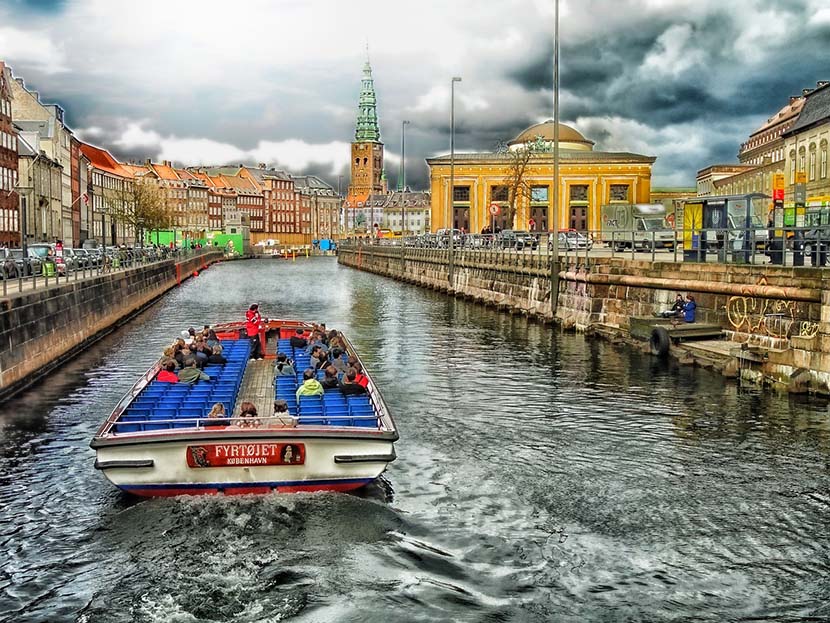 Image generated with Ai
Denmark, a beacon of Scandinavian beauty and culture, is stepping up its efforts to attract more tourists by simplifying travel requirements. The Danish government has implemented a policy that allows visa-free entry for citizens of various countries, a move that promises to boost tourism and strengthen its position in global travel news. This article explores Denmark’s visa-free policies, their impact on tourism, and the diverse categories of countries benefiting from these arrangements.
Boosting Travel And Tourism Industry in Denmark Through Visa-Free Travel
Denmark’s strategy to allow visa-free entry for citizens from numerous countries aligns with its broader goal of enhancing the tourism sector. By removing the barriers of visa applications, Denmark makes it easier for tourists to plan their trips and experience the country’s rich cultural heritage, stunning landscapes, and vibrant cities.
Visa-Free Entry in Denmark for Schengen Area Countries
- Albania (90 days)
- Andorra (90 days)
- Antigua and Barbuda (3 months)
- Argentina (90 days)
- Australia (90 days)
- Austria (Freedom of movement)
- Bahamas (3 months)
- Barbados (6 months)
- Belgium (Freedom of movement)
- Belize (1 month)
- Brazil (90 days)
- Brunei (90 days)
- Bulgaria (Freedom of movement)
- Canada (90 days)
- Chile (90 days)
- Colombia (90 days)
- Costa Rica (90 days)
- Croatia (Freedom of movement)
- Cyprus (Freedom of movement)
- Czech Republic (Freedom of movement)
- Denmark (Freedom of movement)
- Dominica (21 days)
- Ecuador (90 days)
- El Salvador (90 days)
- Estonia (Freedom of movement)
- Finland (Freedom of movement)
- France (Freedom of movement)
- Germany (Freedom of movement)
- Greece (Freedom of movement)
- Grenada (3 months)
- Guatemala (90 days)
- Honduras (90 days)
- Hong Kong (90 days)
- Hungary (Freedom of movement)
- Iceland (Freedom of movement)
- Ireland (Freedom of movement)
- Israel (90 days)
- Italy (Freedom of movement)
- Jamaica (90 days)
- Japan (90 days)
- Latvia (Freedom of movement)
- Liechtenstein (Freedom of movement)
- Lithuania (Freedom of movement)
- Luxembourg (Freedom of movement)
- Macau (90 days)
- Malaysia (90 days)
- Malta (Freedom of movement)
- Mauritius (90 days)
- Mexico (180 days)
- Monaco (90 days)
- Montenegro (90 days)
- Netherlands (Freedom of movement)
- New Zealand (90 days)
- Nicaragua (90 days)
- North Macedonia (90 days)
- Norway (Freedom of movement)
- Panama (90 days)
- Paraguay (90 days)
- Peru (90 days)
- Poland (Freedom of movement)
- Portugal (Freedom of movement)
- Romania (Freedom of movement)
- Saint Kitts and Nevis (3 months)
- Saint Lucia (6 weeks)
- Saint Vincent and the Grenadines (1 month)
- San Marino (90 days)
- Serbia (90 days)
- Seychelles (3 months)
- Singapore (90 days)
- Slovakia (Freedom of movement)
- Slovenia (Freedom of movement)
- South Korea (90 days)
- Spain (Freedom of movement)
- Sweden (Freedom of movement)
- Switzerland (Freedom of movement)
- Taiwan (90 days)
- Trinidad and Tobago (90 days)
- United Arab Emirates (90 days)
- United Kingdom (Freedom of movement)
- United States (90 days)
- Uruguay (90 days)
- Vatican City (90 days)
- Venezuela (90 days)
- Zambia (90 days)
- Zimbabwe (3 months)
As a member of the Schengen Agreement, Denmark participates in one of the world’s most extensive free travel areas. Citizens of the 27 Schengen countries can travel to Denmark without a visa for short stays of up to 90 days within any 180-day period. This agreement includes:
- Austria, Belgium, Czech Republic, Estonia, Finland, France, Germany, Greece, Hungary, Iceland, Italy, Latvia, Liechtenstein, Lithuania, Luxembourg, Malta, Netherlands, Norway, Poland, Portugal, Slovakia, Slovenia, Spain, Sweden, Switzerland.
These nations benefit from the Schengen Visa area’s lack of internal borders, facilitating seamless travel for both leisure and business.
Advertisement
Advertisement
 Image generated with Ai
EU/EEA Countries Enjoy Free Movement
Denmark extends visa-free entry to citizens of the European Union (EU) and the European Economic Area (EEA) countries beyond the Schengen zone. This includes:
- Bulgaria, Croatia, Cyprus, Ireland, Romania.
Citizens from these countries can visit Denmark without the need for a visa, under the same conditions as Schengen area travelers. This policy not only promotes tourism but also strengthens economic and cultural ties within Europe.
Advertisement
Advertisement
Special Visa-Free Agreements with Non-European Countries
Denmark has also forged special visa-free agreements with several non-European countries, allowing their citizens to visit for short stays. These agreements often cover periods similar to the Schengen area’s 90 days in a 180-day window. Key countries include:
- United States, Canada, Australia, New Zealand, Japan, South Korea, Singapore, Israel.
These visa waivers significantly ease the travel process for tourists from these countries, contributing to the increasing footfall of international visitors in Denmark.
Countries with Specific Visa-Free Arrangements
Certain countries have unique visa-free arrangements with Denmark. Citizens from these nations can enjoy extended visa-free travel or specific exemptions based on bilateral agreements. Examples include:
- Brazil, Argentina, Chile, Hong Kong (SAR China), Macau (SAR China).
These tailored agreements cater to the diplomatic and economic relations Denmark maintains with these regions, fostering greater cultural exchange and tourism.
Countries Requiring a Visa to Visit Denmark
Despite Denmark’s broad visa-free policy, citizens from some countries still need a visa to enter. This requirement generally applies to travelers from:
- China, India, Russia, Nigeria, and many other nations.
These travelers must apply for a visa before their trip and meet Denmark’s entry requirements. The process includes providing valid travel documentation, proof of accommodation, and sometimes a financial guarantee.
Advertisement
Advertisement
 Image generated with Ai
The Impact on Global Travel & Tourism Industry
Denmark’s visa-free entry policy is a strategic move to position itself as a top destination in global travel news. By simplifying the travel process, Denmark not only boosts its tourism sector but also enhances its global image as an accessible and welcoming country.
In 2019, Denmark welcomed over 30 million international passengers through its airports, with Copenhagen International Airport being a significant hub. This impressive number reflects the success of Denmark’s policies in attracting a diverse range of visitors.
Enhancing Visitor Experiences for Denmark
For travelers, the ease of entering Denmark without a visa translates to a more enjoyable experience. From exploring the historic streets of Copenhagen to the natural beauty of Jutland, visitors have more time and fewer hassles, encouraging longer stays and deeper engagement with Danish culture.
Denmark’s commitment to tourism is evident in its efforts to provide comprehensive information and support to international visitors. Resources like the Danish Immigration Service and Visit Denmark websites offer up-to-date guidance on entry requirements and travel tips.
Tourist Arrivals in Denmark
Denmark has witnessed a steady increase in tourist arrivals over recent years, driven by its rich cultural heritage, stunning landscapes, and vibrant city life. In 2019, the country welcomed over 13 million international tourists, a record high reflecting its growing popularity as a travel destination. This growth trend resumed in 2022 and 2023 after the pandemic, showcasing Denmark’s resilience and continued appeal to global travelers.
Key source markets for Denmark’s tourism include neighboring Germany, Sweden, and Norway, as well as the United Kingdom and the United States. Tourists are particularly drawn to Denmark’s capital, Copenhagen, known for its historic sites, modern architecture, and culinary excellence.
Advertisement
Advertisement
Hotel Stays Scenario in Denmark
The hospitality sector in Denmark has also thrived alongside the increase in tourist arrivals. In 2019, there were approximately 25 million overnight stays in hotels across the country. Copenhagen leads in this regard, offering a wide range of accommodations from luxury hotels to budget-friendly hostels.
The average occupancy rate for hotels in Denmark has remained robust, particularly in major cities. During peak tourist seasons, many hotels report near-full occupancy, reflecting high demand. The growth in hotel stays underscores the success of Denmark’s efforts to position itself as a year-round destination.
Tourist Expenditure Scenario in Denmark
Tourist spending is a crucial component of Denmark’s economy, contributing significantly to the country’s GDP. In 2019, international tourists spent around 60 billion DKK (approximately 9 billion USD) in Denmark (GOV.UK). This expenditure covers various sectors, including accommodation, food and beverages, transportation, and entertainment.
Shopping is a notable activity for tourists in Denmark, with many visitors purchasing Danish design goods, fashion, and souvenirs. The culinary scene, renowned for its high quality and innovative approach, also attracts considerable spending. Restaurants and cafes in Denmark are frequently highlighted for their exceptional offerings, contributing to the overall tourist expenditure.
Cruise Tourism Scenario in Denmark
Cruise tourism is a rapidly growing segment of Denmark’s travel industry. Copenhagen, in particular, has become a leading cruise destination in Northern Europe. In 2019, the port of Copenhagen welcomed over 1 million cruise passengers, marking a significant increase compared to previous years.
Denmark’s strategic location and well-developed port infrastructure make it an attractive destination for cruise lines. Ports in other Danish cities, such as Aarhus and Aalborg, are also seeing increasing cruise traffic. This growth in cruise tourism not only boosts local economies but also enhances Denmark’s profile as a top European destination for maritime travelers.
Advertisement
Advertisement
Railway Industry Scenario in Denmark
Denmark’s railway industry plays a vital role in its tourism infrastructure, providing efficient and convenient travel options for both domestic and international tourists. The Danish State Railways (DSB) operates the majority of passenger trains, connecting major cities and regions across the country.
The railway network is extensive, with frequent services linking key tourist destinations such as Copenhagen, Aarhus, and Odense. High-speed trains, known as InterCityLyn, offer quick connections between cities, making it easier for tourists to explore Denmark. Additionally, the Øresund Bridge, a combined railway and road bridge connecting Denmark to Sweden, facilitates seamless travel between the two countries.
Investments in modernizing the railway infrastructure, including the introduction of new trains and digital ticketing systems, are part of Denmark’s efforts to enhance the travel experience. This commitment to improving rail services supports sustainable tourism and reduces the environmental impact of travel.
Denmark’s visa-free entry policies are a testament to its commitment to boosting tourism and making the country accessible to travelers from around the world. Whether you are from a Schengen nation, an EU/EEA country, or one of the many nations with special agreements, Denmark welcomes you with open arms. This approach not only fosters tourism but also strengthens Denmark’s position as a premier destination in the realm of global travel news.
As Denmark continues to evolve its travel policies, it remains a top choice for international tourists seeking a blend of historical charm, modern vibrancy, and natural beauty. Plan your trip today and experience all that Denmark has to offer without the hassle of visa applications.
Denmark’s tourism sector is thriving, driven by its strategic policies, rich cultural attractions, and robust infrastructure. The increase in tourist arrivals, coupled with high hotel occupancy and significant tourist expenditure, highlights Denmark’s success in positioning itself as a premier destination. Cruise tourism and the well-connected railway industry further enhance the country’s appeal, making Denmark an attractive and accessible destination for travelers worldwide.
Advertisement
