
How Kalymnos, Greece, Is Reimagining Year-Round Tourism Through Adventure and Tradition

Published
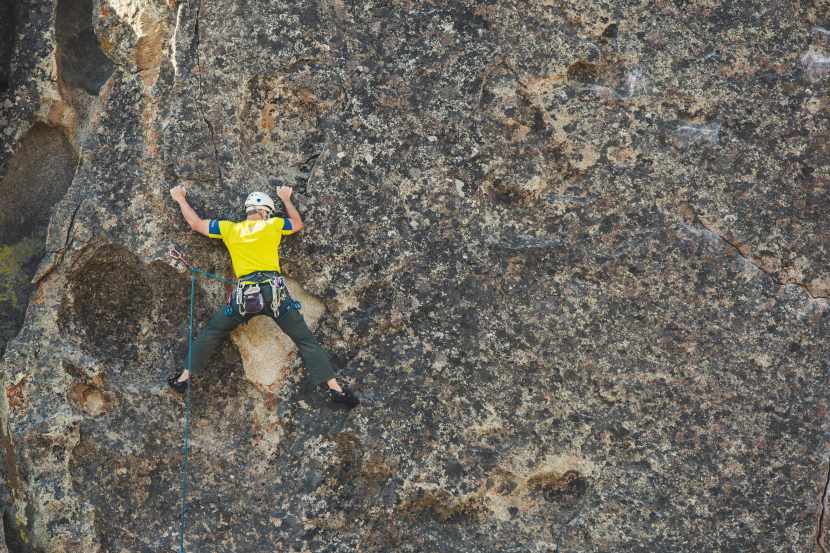
Image generated with Ai
The concept of seasonal travel is being fundamentally challenged by the island of Kalymnos, located within the Dodecanese archipelago of Greece. While the majority of the Aegean region is traditionally associated with a strictly summer-based economic model, a transition toward year-round tourism is being observed on this specific island. This shift is largely attributed to the strategic promotion of rock climbing, which has been established as a primary pillar of the local infrastructure.
The Strategic Shift Toward Adventure Tourism
A distinctive niche has been carved out by Kalymnos within the international travel market. The island is recognized for its unique geological formations, which are utilized to attract global visitors from the early weeks of February through the late days of November. According to Kalliopi Koutouzi, the Deputy Mayor for Tourism and Expatriates, the segment of climbing has been meticulously cultivated for three decades. It is noted that the inclusion of climbing as an Olympic sport has further enhanced the visibility of the island on a global scale.
The rugged terrain is not merely a geographic feature but is treated as a vital asset for the economy. In the professional assessment provided by local authorities, Kalymnos is now regarded as a premier climbing destination in Europe. This reputation ensures that even during periods when other Greek destinations experience a decline in visitor numbers, a steady influx of travelers is maintained.
The Historical Significance of Sponge Diving
The identity of Kalymnos is deeply intertwined with the maritime trade of sponge fishing. It is reported that the global recognition of the island was first established through this industry. For generations, the extraction and processing of sponges provided a sustainable livelihood for local families. This trade, which reached its zenith between the nineteenth and mid-twentieth centuries, involved the export of high-quality sponges to markets across Europe and Asia.
Advertisement
Advertisement
Although the trade is recognized for its historical danger, it is also acknowledged for the immense wealth it once brought to the region. Today, this heritage is being preserved through the promotion of fishing tourism and the planned establishment of a dedicated diving park. The presence of four diving schools, including the only professional diving institution in Greece, ensures that the maritime expertise of the island is passed down to future generations.
Meteorological Advantages and Seasonal Extension
The extension of the tourism season from February to November is facilitated by the favorable Mediterranean climate. It is observed that the month of October frequently rivals July and August in terms of popularity. This phenomenon is explained by the fact that the cooler temperatures of autumn are more conducive to physically demanding activities such as hiking, diving, and rock climbing.
Advertisement
Advertisement
Unlike other destinations that may suffer from the effects of overtourism, a balance is maintained on Kalymnos. With a capacity of twelve thousand beds for a resident population of eighteen thousand, the island is able to accommodate its guests comfortably. Furthermore, a commitment to reasonable pricing is maintained through the month of June, ensuring accessibility for a diverse range of travelers.
Religious and Cultural Pilgrimage
Beyond physical activities, the island is also sought out for its spiritual significance. Religious tourism is anchored by several major pilgrimage sites. Among these, the monastery of Agios Savvas is frequently highlighted, positioned prominently with a view over the harbor. These sites provide a cultural depth that appeals to visitors seeking an authentic experience that transcends the typical sun-and-sea holiday.
The authentic nature of the island is emphasized as a core component of its brand. Tradition is harmonized with modern sustainability efforts, allowing the local community to retain its seafaring spirit while embracing contemporary travel trends. This balance is viewed as essential for the long-term viability of the tourism sector.
Connectivity and Global Influence
Accessibility is identified as a critical factor in the success of the island’s tourism model. During the peak summer season, six weekly flights are operated from Athens. Additionally, a specialized flight route connects Kalymnos with neighboring islands such as Astypalaia, Leros, and Kos. Maritime connectivity is also robust, with ferries traveling from the port of Piraeus six times per week, ensuring that the island remains integrated with the wider Dodecanese network.
The influence of the island extends far beyond its geographic borders. A global diaspora of over fifty thousand individuals is noted, with significant communities established in regions such as Tarpon Springs, Florida. The appointment of Chrysostomos Alahouzos as the first Greek-origin mayor of Tarpon Springs is cited as a testament to the enduring cultural impact of the Kalymnian people on the international stage.
Future Prospects and Sustainability
Proactive measures are being taken by the municipality to ensure continued growth. An international climbing festival is scheduled for October, which is intended to showcase the natural riches of the island despite the challenges faced by the global travel industry. This event is part of a broader strategy to promote sustainable development and adventure-based travel.
In summary, Kalymnos is being transformed into a model for year-round engagement. Through the integration of historical trades like sponge diving and modern pursuits like professional climbing, a resilient economic framework is being built. The island is presented as a location where authenticity is preserved, and adventure is made accessible to a global audience throughout the majority of the calendar year.
Advertisement
