
USA Gears Up to Share Its Bicentenary Passenger Rail Story With the Most Enthusiastic Travelers While Mexico and More Offer Railway Heritage Sites in 2027

Published
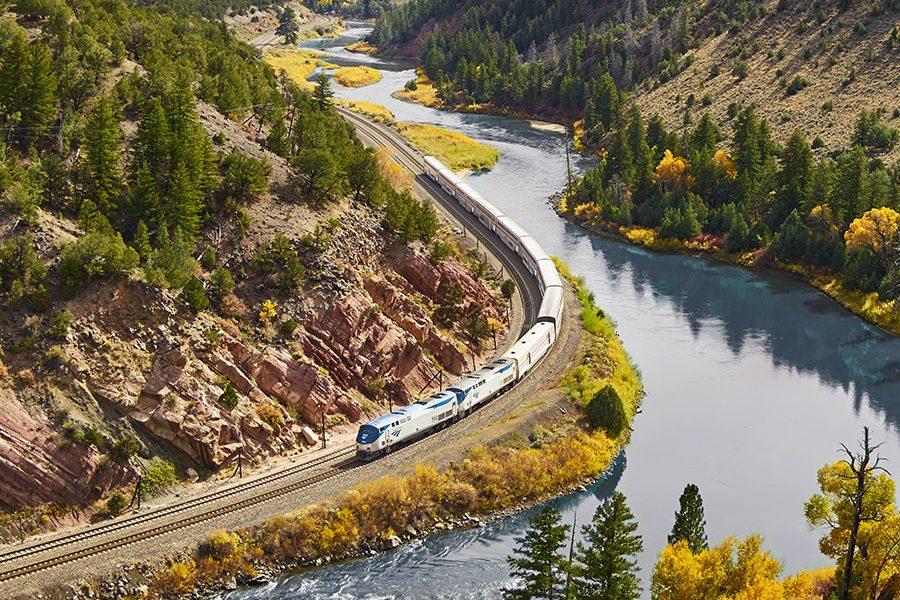
The United States is preparing to spotlight 200 years of American railway history in 2027, drawing attention to scenic long-distance journeys, vintage steam locomotives, historic stations, and hotels built inside restored railway carriages. Canada, Mexico, Peru, Argentina, Brazil, Chile, Ecuador, and Colombia also offer distinctive railway heritage experiences, creating opportunities for travelers to explore the history of rail transport across the Americas. While the United States has a specific bicentennial tourism campaign, the other countries are not confirmed participants in a shared celebration. Together, their railway attractions reveal how historic train travel continues to connect tourism, culture, engineering, and regional development.
Railway Heritage Tourism Across the Americas
| Country | Important railway destinations and experiences | Heritage and tourism significance | Relationship to bicentenary |
|---|---|---|---|
| United States | California Zephyr, Empire Builder, Coast Starlight, Durango & Silverton, Cumbres & Toltec, Strasburg Rail Road, Chattanooga Choo Choo | Transcontinental scenery, historic steam trains, preserved depots and railway-carriage hotels | Explicit 2027 railway bicentenary promotion by Brand USA |
| Canada | The Canadian, Ocean, Rocky Mountaineer, Royal Canadian Pacific, Ontario heritage railways | Historic transcontinental railway corridors, mountain travel and restored luxury passenger carriages | Complementary heritage tourism; no verified participation in the US campaign |
| Mexico | Chepe Express, Tequila Express, Maya Train, Interoceanic Train | Copper Canyon engineering, regional culture, railway revival and modern passenger connections | Independent railway tourism and transport development |
| Peru | Cusco–Machu Picchu, Sacred Valley luxury trains, Puno–Cusco and Andean Explorer | High-altitude railways, historic routes and luxury rail tourism | Independent heritage and scenic railway tourism |
| Argentina | La Trochita, Tren a las Nubes, Tren del Fin del Mundo, Tren Patagónico | Vintage steam locomotives, Andean landscapes and Patagonian railway history | Independent heritage railway tourism |
| Brazil | Curitiba–Morretes, Maria Fumaça, Campos do Jordão railway | Atlantic Forest scenery, preserved steam operations and railway engineering | Independent railway preservation and tourism |
| Chile | Arica–Poconchile, heritage trains in central Chile, Araucanía railway excursions | Historic rail infrastructure, regional landscapes and restored rolling stock | Government-promoted heritage tourism, separate from the US anniversary |
| Ecuador | Devil’s Nose railway heritage, Alausí and historic Andean railway corridors | Mountain engineering, indigenous cultural landscapes and railway history | Heritage tourism; operating services require individual verification |
| Colombia | Tren de la Sabana, Bogotá railway heritage, Zipaquirá excursions | Historic passenger coaches, regional tourism and railway preservation | Independent heritage railway tourism |
Why Is the United States Celebrating 200 Years of Railway Heritage in 2027?
The United States is preparing to commemorate an important milestone in its transportation history through a railway heritage tourism initiative highlighting the country’s early railroad development. Brand USA’s 200 Years on Track campaign connects the anniversary with historic railways, preserved stations, scenic passenger services, and unusual accommodation experiences.
Advertisement
Advertisement
The celebration focuses on the transformation of American transportation since the early nineteenth century. Railroads helped connect distant communities, encouraged industrial development, and supported the growth of cities across the country. They also shaped migration, commerce, and tourism.
The anniversary provides an opportunity to revisit this history through experiences that remain accessible to modern travelers.
Advertisement
Advertisement
Visitors can explore historic locomotives in Pennsylvania, travel through Colorado’s mountain landscapes, admire restored railway terminals, or stay overnight in converted passenger carriages.
The campaign is particularly significant because it brings together transportation heritage and contemporary tourism, encouraging visitors to discover destinations beyond conventional city attractions.
Advertisement
Advertisement
How Are Scenic Long-Distance Trains Transforming American Heritage Tourism?
America’s long-distance passenger rail network offers travelers an opportunity to experience landscapes that helped define the country’s railway history. Three particularly important services are the California Zephyr, Coast Starlight, and Empire Builder, operated by Amtrak.
The California Zephyr connects Chicago with the San Francisco Bay Area, crossing the Rocky Mountains and passing through dramatic Colorado canyons. Its route combines engineering history with remarkable mountain scenery.
Advertisement
Advertisement
The Coast Starlight operates between Seattle and Los Angeles, connecting the Pacific Northwest with California’s coastal landscapes and major urban centers.
Meanwhile, the Empire Builder travels from Chicago toward Seattle and Portland, crossing the northern plains and passing near Glacier National Park.
These services are contemporary passenger trains rather than preserved nineteenth-century operations. Nevertheless, they follow transportation corridors closely associated with America’s railroad development.
For international visitors, their appeal lies in combining practical transportation with panoramic scenery, regional exploration, and an appreciation of the country’s vast geography.
Advertisement
Advertisement
Which Historic Steam Railways Are Bringing America’s Railroad Past Back to Life?
Historic steam railways are central to the United States’ railway heritage appeal because they allow visitors to experience preserved locomotives and traditional passenger carriages.
Colorado’s Durango & Silverton Narrow Gauge Railroad travels through the San Juan Mountains, following a route associated with the region’s mining history. Its mountain scenery, historic equipment, and dramatic river valleys make it a significant heritage attraction.
The Cumbres & Toltec Scenic Railroad operates between Colorado and New Mexico, crossing high-altitude landscapes on a preserved narrow-gauge railway.
In Pennsylvania, the Strasburg Rail Road introduces visitors to traditional railway operations in a rural setting. Its restored locomotives and passenger coaches demonstrate how railway travel developed before modern diesel and electric services.
These attractions also support local economies by drawing visitors into smaller communities.
Unlike conventional transportation services, heritage railways make the journey itself the attraction, combining mechanical preservation, historical interpretation, and tourism.
Advertisement
Advertisement
Why Are Historic American Railway Stations Becoming Major Tourist Attractions?
Historic railway stations across the United States are attracting attention as cultural landmarks rather than simply transportation facilities. Many have been restored and adapted into museums, hotels, restaurants, and public gathering spaces.
Denver Union Station demonstrates this transformation by combining active railway operations with hospitality, shopping, and dining. Its Crawford Hotel includes rooms inspired by traditional Pullman sleeping cars.
In Nebraska, Omaha’s Durham Museum occupies a former Union Station completed in 1931. Visitors can explore preserved railway carriages and admire the building’s Art Deco architecture.
Kansas City’s Union Station and Cincinnati Union Terminal also illustrate how monumental transportation buildings can serve contemporary cultural purposes.
Los Angeles Union Station remains an important architectural landmark, offering visitors insight into the city’s transportation history.
Preserving these buildings protects important examples of American architecture while giving travelers another reason to explore the surrounding cities and communities.
Advertisement
Advertisement
How Are Restored Railway Carriages Creating Unusual Hotel Experiences?
The American railway bicentennial is also highlighting a distinctive accommodation trend: sleeping inside historic railway carriages that have been transformed into guest rooms.
In Chattanooga, Tennessee, Hotel Chalet at The Choo Choo offers accommodation in restored Pullman carriages within a former railway terminal complex. The experience combines modern hospitality with the atmosphere of traditional passenger travel.
Idaho Train Stays, located in Deary, offers overnight accommodation in a restored 1909 railway carriage and other historic railway equipment.
New Mexico provides additional examples. Antigua Inn in Madrid features converted cabooses, while The Hamilton in Lamy offers accommodation inside a restored 1920s Pullman carriage.
Near Omaha, Nebraska, Two Rivers State Recreation Area provides seasonal accommodation in ten restored Union Pacific cabooses.
These properties demonstrate how retired railway equipment can find new commercial uses.
Advertisement
Advertisement
They also create opportunities for smaller destinations to attract visitors interested in history, architecture, and unconventional accommodation.
How Is Canada Preserving Its Transcontinental Railway Heritage?
Canada offers a complementary perspective on North American railway history through its extensive passenger routes, historic rolling stock, and mountain railway experiences.
VIA Rail’s Canadian connects Toronto and Vancouver, carrying travelers across the country’s vast interior. The journey passes through the Prairies and Canadian Rockies, providing a perspective on the geography that shaped Canada’s development.
The Ocean, operating between Montreal and Halifax, connects communities in eastern Canada while preserving an important long-distance passenger railway connection.
Luxury railway tourism also contributes to the country’s heritage appeal. Royal Canadian Pacific offers journeys using historic railway carriages, combining traditional railway hospitality with Rocky Mountain scenery.
Ontario’s heritage railways provide shorter excursions featuring preserved locomotives and passenger equipment.
Advertisement
Advertisement
Canada’s railway experiences are historically significant, although the country has not been confirmed as an official participant in the United States’ 2027 bicentennial campaign.
Its attractions instead strengthen the wider North American railway tourism narrative.
Why Is Mexico Emerging as an Important Destination for Scenic Railway Tourism?
Mexico combines historic railway infrastructure with modern passenger services, making it an important destination for travelers interested in rail-based exploration.
The Chepe Express is among the country’s most recognizable scenic railway experiences. Traveling through the Copper Canyon region, it introduces passengers to mountain landscapes, deep valleys, and remarkable railway engineering.
The route is particularly appealing because it connects dramatic natural scenery with communities whose histories have been shaped by railway development.
In Jalisco, the Tequila Express offers a different experience, linking railway travel with regional traditions, gastronomy, and cultural tourism.
Advertisement
Advertisement
Mexico’s newer passenger railway developments, including the Maya Train and Interoceanic Train, demonstrate continuing investment in rail connectivity.
These projects serve different purposes from preserved steam railways, but they contribute to renewed interest in passenger transportation.
Mexico’s participation in a shared American railway bicentennial celebration remains unconfirmed. Nevertheless, its rail attractions offer substantial opportunities for comparative tourism coverage.
How Are Peru and Argentina Showcasing South America’s Extraordinary Railway History?
Peru and Argentina provide some of South America’s most distinctive railway experiences, combining mountain engineering, historic rolling stock, and remarkable natural landscapes.
In Peru, railway journeys connecting Cusco with Machu Picchu are closely associated with tourism in the Sacred Valley. Luxury services also connect travelers with the Andean highlands, including routes associated with Puno and Arequipa.
These experiences demonstrate how railway infrastructure can support tourism in geographically challenging environments.
Advertisement
Advertisement
Argentina offers a different heritage experience through La Trochita, a historic narrow-gauge railway associated with Patagonia. Its steam locomotives and traditional passenger carriages preserve an important chapter of regional transportation history.
The Tren Patagónico connects Viedma and Bariloche across approximately 850 kilometers, crossing the landscapes of northern Patagonia.
Argentina’s Tren a las Nubes and Tren del Fin del Mundo provide additional examples of railway tourism shaped by geography and history.
Service schedules and operating conditions should be checked individually before travel.
What Makes Brazil, Chile, Ecuador and Colombia Important to Railway Heritage Tourism?
Brazil, Chile, Ecuador, and Colombia demonstrate how railway preservation can support regional tourism across South America.
In Brazil, the Curitiba–Morretes railway corridor is particularly notable for its passage through the Atlantic Forest and the Serra do Mar mountains. Heritage steam excursions elsewhere in the country introduce visitors to traditional railway equipment and regional history.
Advertisement
Advertisement
Chile preserves railway traditions through historic routes and tourist excursions, including experiences associated with Arica and the Lluta Valley.
Ecuador’s railway heritage reflects the engineering challenges of constructing lines through the Andes. The Devil’s Nose railway remains a well-known historical attraction, although travelers should verify current operating arrangements.
Colombia’s Tren de la Sabana provides a heritage railway experience in the Bogotá region, connecting historic passenger travel with regional sightseeing.
These countries have not been confirmed as participants in the United States’ bicentennial campaign. Their significance lies in demonstrating the wider cultural and economic importance of railway preservation.
What Will the 2027 American Railway Bicentennial Mean for International Travelers?
The 2027 American railway bicentennial will provide international travelers with opportunities to discover the United States through its transportation history, scenic landscapes, and preserved railway attractions.
The anniversary marks 200 years since the Baltimore & Ohio Railroad received its charter on February 28, 1827. Baltimore’s National Museum of Railroad History & Innovation is preparing exhibitions, educational activities, and commemorative programming around the milestone.
Advertisement
Advertisement
Pennsylvania’s Railroad Museum is also preparing a new roundhouse exhibition featuring six historic steam locomotives.
For travelers, the anniversary creates opportunities to combine long-distance Amtrak journeys with museum visits, steam railway excursions, historic stations, and converted-carriage accommodation.
The broader significance extends beyond the United States. Canada, Mexico, and several South American countries offer their own railway heritage experiences, although they are not part of a confirmed joint celebration.
Ultimately, the bicentennial highlights how railway history continues to influence tourism, preserve cultural landmarks, and connect visitors with destinations that conventional travel itineraries often overlook.
Key American Railway Museums and Stations Worth Covering
| Location | Heritage landmark | Editorial significance |
|---|---|---|
| Baltimore, Maryland | National Museum of Railroad History & Innovation, formerly B&O Railroad Museum | Central to the 2027 American railway bicentenary, with special programming and an Innovation Hall planned for January |
| Strasburg, Pennsylvania | Railroad Museum of Pennsylvania | Historic locomotives and planned accessible roundhouse development |
| Denver, Colorado | Denver Union Station | Restored transport hub, dining, retail and the Crawford Hotel |
| Omaha, Nebraska | Durham Museum | Preserved 1931 Art Deco Union Station with historic passenger railway exhibits |
| Kansas City, Missouri | Union Station | Monumental railway architecture adapted for public events and exhibitions |
| Cincinnati, Ohio | Cincinnati Union Terminal | Landmark railway terminal with a continuing cultural role |
| Los Angeles, California | Los Angeles Union Station | Historic architecture, artwork and guided heritage tours |
| Chattanooga, Tennessee | Tennessee Valley Railroad Museum | Historic rolling stock, preservation and themed railway excursions |
America’s approaching railway bicentennial highlights why historic train travel continues to capture global attention. The milestone celebrates transportation achievements while creating fresh opportunities for tourism, cultural discovery, and regional development. Travelers can explore preserved steam engines, legendary passenger routes, magnificent terminals, and restored railway accommodations. Beyond the United States, destinations across North and South America provide equally compelling experiences through mountain railways and heritage excursions. Although these countries are not confirmed participants in a shared anniversary campaign, their attractions strengthen the broader story. Ultimately, railway tourism preserves remarkable engineering achievements while encouraging visitors to discover landscapes, communities, and histories beyond conventional destinations.
Advertisement
