
How Colombia Turned Bogotá’s Public Markets into an Engine for Cultural Tourism

Published
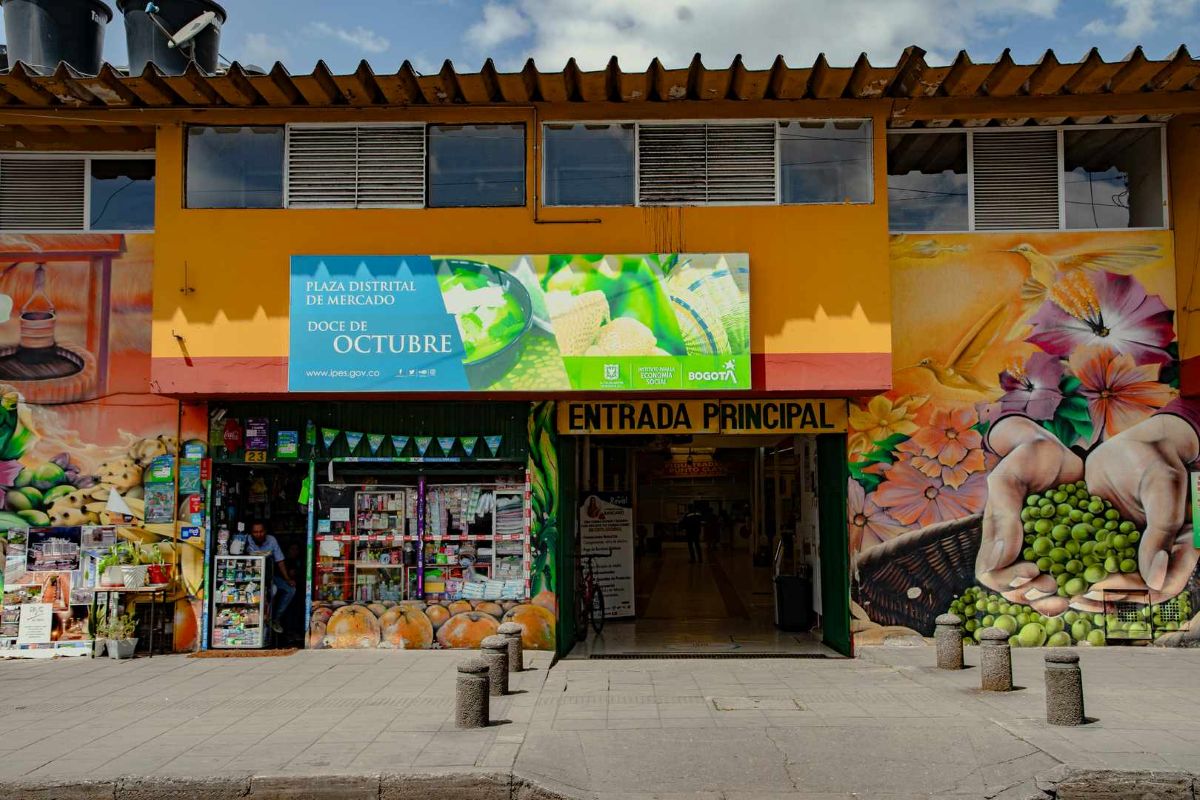
Historically, Bogotá’s public market squares functioned primarily as commercial clearinghouses: utilitarian hubs where city dwellers purchased fresh vegetables, tubers, and fruits trucked in daily from the surrounding Cundinamarca highlands. Within this commerce-driven rhythm, the small food stalls clustered along the interior perimeter were treated as mere conveniences—modest places to grab a quick, affordable midday meal.
Recent cultural policy and anthropological documentation have dismantled this narrow view. The rollout of the Living Heritage Inventory across the capital’s 19 municipal markets established that these kitchens are living archives of intangible cultural heritage. Stepping into plazas like La Perseverancia, La Concordia, or the sprawling labyrinth of Paloquemao, visitors encounter more than commercial exchange: they witness multi-generational custodianship of the culinary memory of Colombia.
| Stage | Node | Connecting Mechanism | Primary Function |
| 01. Source | Rural Producers & Thermal Zones | Short Food Supply Chains | Direct sourcing of native ingredients across diverse altitudes |
| 02. Hub | Bogotá Public Markets (19 IPES Plazas) | Living Heritage Inventory | Urban aggregation, cultural mapping, and heritage validation |
| 03. Heart | Cocineras Tradicionales & Kitchens | Authentic Culinary Encounters | Ancestral technique, living memory, and dish preparation |
| 04. Impact | Sustainable Gastronomic Tourism (IDT/MinCIT) | Public Policy & Route Promotion | Socioeconomic equity, preservation, and cultural destination status |
From Incidental Dining to Cultural Immersion
According to data from UN Tourism, culinary experiences now guide travel choices for over one-third of international visitors. In Bogotá, this shift has brought market kitchens to centre stage. The sensory environment of a market—woodsmoke, simmering stocks of hierbas de azotea, and mounds of native criollo potatoes—offers travelers direct cultural connection rather than detached consumption.
In the historic La Perseverancia square, for example, patrons line communal wooden benches to watch cooks fold plantain leaves around traditional tamales or monitor bubbling cauldrons of mote de queso seasoned with regional coastal herbs. Visiting these kitchens brings consumers face to face with the rural-urban supply chain:
Advertisement
Advertisement
- Direct Economic Impact: Expenditures directly benefit the cook, the kitchen assistants, and the smallholder farmers delivering native produce at dawn.
- Geographic Biodiversity: Menus map directly across Colombia’s diverse ecological thermal floors (pisos térmicos), bringing Amazonian, Pacific, Andean, and Caribbean ingredients under one roof.
- Living Technique: Recipes rely on oral lineage, ancestral seasoning methods, and artisanal vessels that have survived decades of culinary globalization.
Institutionalizing Gastronomy as Sustainable Tourism Policy
This transformation is not accidental; it is driven by formal public policy. Under joint initiatives from MinCIT and the District Tourism Institute (IDT), traditional cuisine has been integrated directly into Colombia’s National Strategy for Gastronomic Tourism.
| Strategic Pillar | Policy Mechanism | On-the-Ground Impact |
| Community Documentation | IPES Living Heritage Inventory | Catalogues elder cooks’ oral histories and unwritten recipes across 19 public markets. |
| Circuit Development | IDT Gastronomic Routes | Establishes official culinary trails linking historic downtowns to working neighbourhood markets. |
| Supply Chain Equity | Rural-Urban Direct Sourcing | Cuts out wholesale intermediaries to maximize producer margins and ensure ingredient authenticity. |
By certifying these spaces through sustainable destination frameworks, local institutions protect traditional vendors against speculative real estate pressures and gentrification. Tourism revenue is redirected into upgraded sanitation infrastructure and training, while leaving ancestral cooking processes intact.
Preserving Living Heritage
Documenting ancestral techniques across Bogotá’s 19 public market squares provides an actionable blueprint for sustainable urban heritage preservation. As global traveller demand moves decisively toward destination authenticity and social responsibility, Bogotá demonstrates that culinary progress does not require erasing grassroots identity. By honouring its traditional cooks as cultural custodians, the city ensures that the heart of Colombian gastronomy remains rooted exactly where it was born: in the vibrant, communal life of its public markets.
Frequently Asked Questions
- Why are Bogotá’s market squares central to Colombian gastronomy? Bogotá’s public market squares serve as direct conduits between rural agrarian producers and urban consumers. Beyond retail produce, their traditional kitchens (piquetaderos and comedores) operate as culinary sanctuaries where traditional cooks (cocineras tradicionales) preserve and prepare ancestral regional recipes like ajiaco santafereño, mote de queso, and sancocho trifásico.
- What is the Living Heritage Inventory in Bogotá’s market system? Launched in 2024 across the 19 public market squares managed by the Institute for Social Economy (IPES), this community-led project documents, maps, and safeguards the intangible cultural assets, family lineages, and culinary techniques of market cooks, formally recognizing them as primary cultural institutions rather than auxiliary food stalls.
- How does Colombia leverage gastronomy for sustainable destination management? Through the National Policy for the Safeguarding of Traditional Kitchens, led by the Ministry of Commerce, Industry and Tourism (MinCIT) alongside the Bogotá District Tourism Institute (IDT), the country uses culinary heritage to diversify local tourism revenue, shorten food supply chains, and protect living traditions beyond conventional commercial corridors.
Advertisement
