
How Does Athens Cultural Travel Revolutionize European Journeys Through Legendary Archives And Independent Book Nooks?

Published
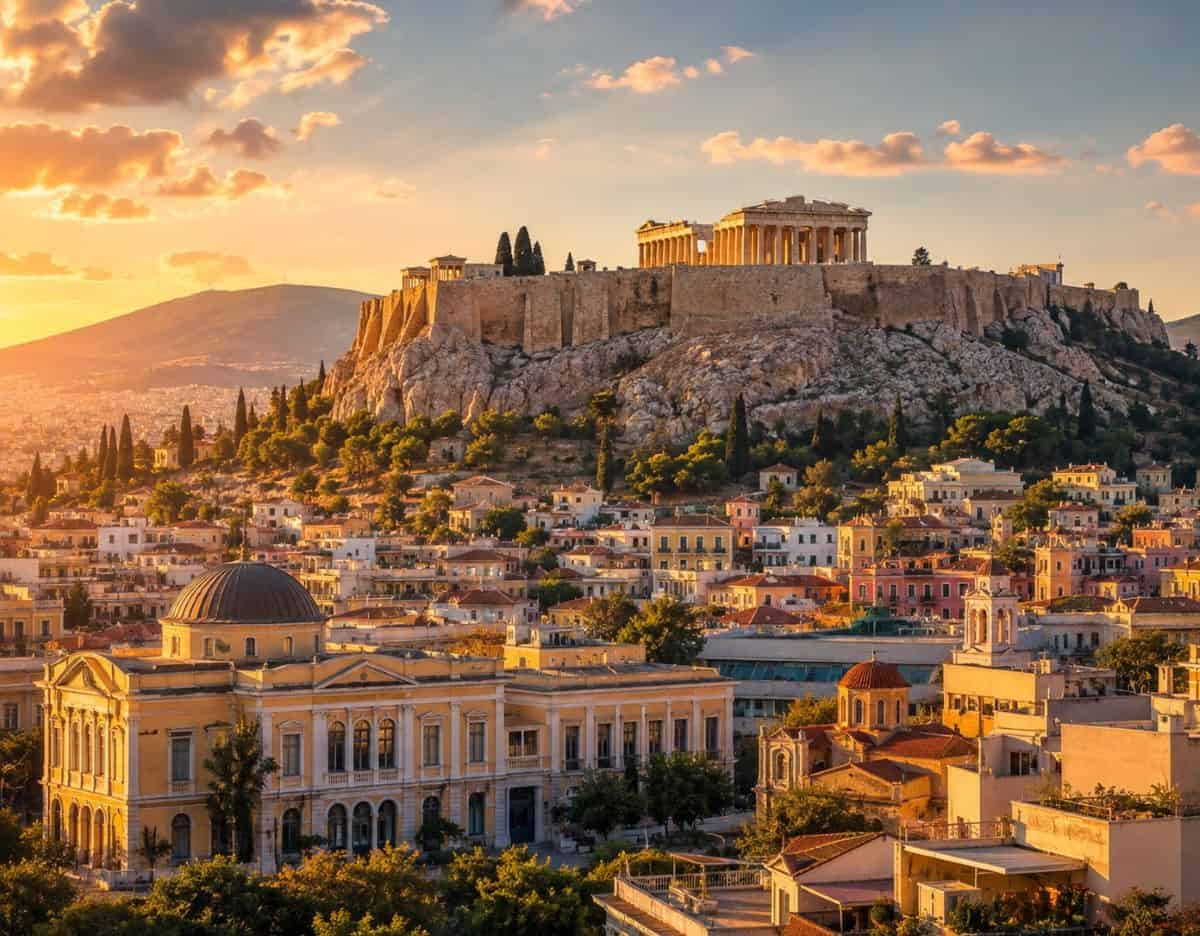
Image generated with Ai
Athen’s is the perfect travel destination for anyone who wants to step back in time. Almost everywhere visitors go in Athen’s has a 2000 year old history. While sight-seers go on hurried bus tours and take their famous photos, visitors can look beyond the surface of Athen’s as a quick photo destination. Athen’s is teaming with ancient beauty and is a world of history where the whispers of the past echo through the stars. Sipping a coffee at a book-lined cafe while watching plays and imagining history is one of the great experiences travel has to offer. It can bring back history and bring emotions to the traveler like true connection with each moment. With a lost interest in mass tourism, travelers have a hidden gift to explore history beyond the beaten path.
Transforming Global Travel Through Athenian Drama, Historic Libraries, and Cozy Bookshop Cafés
The overall trajectory of the global tourism sector is undergoing a profound transformation as specialized cultural itineraries gain widespread favor among international vacationers. Worldwide travelers are increasingly seeking authentic, deeply engaging experiences that allow them to connect with the genuine heritage of their destinations. Consequently, municipal governments, city planners, and economic strategists are beginning to recognize that promoting local artistic and intellectual assets yields significant economic and social dividends. When cities highlight their literary foundations, they attract highly conscious tourists who tend to extend their stays, explore hidden corners, and invest their resources directly into local neighborhoods. Therefore, this steady pivot toward educational and heritage-focused exploration prompts the international hospitality market to move away from generic travel packages in favor of highly customized, culturally rich journeys centered around historic monuments and neighborhood intellectual hubs.
Furthermore, national and regional tourism boards around the world are actively restructuring their promotional models to feature neighborhood-level gems right alongside world-famous historic monuments. By encouraging international visitors to stray from overcrowded landmarks and explore independent retail businesses, small cafes, and regional historical sites, destinations can successfully distribute visitor foot traffic far more evenly across urban environments. This strategic decentralization plays an essential role in mitigating the persistent problem of overtourism at major global sights, ensuring that delicate historical monuments are preserved for future generations. At the same time, this balanced dispersal of visitors fosters long-term economic sustainability for local shopkeepers, family-run cafes, and neighborhood artisans who might otherwise be overlooked by mainstream tour operations. Ultimately, this emerging framework creates a far more resilient global travel ecosystem where local communities directly benefit from international tourism.
Advertisement
Advertisement
Exploring the Vibrant Neighborhoods and Local Atmosphere of Athenian Life
Advertisement
Advertisement
The undeniable, authentic charm of Athenian intellectual life thrives most vividly inside vibrant, historic neighborhoods such as Pangrati, Exarchia, and Kolonaki. These energetic urban quarters are brimming with independent bookshops, second-hand literary stalls, and historic coffee houses where local intellectuals, artists, and international visitors routinely gather to debate philosophy, politics, and classical art. By venturing into these enchanting districts, travelers can step entirely away from heavily commercialized tourist zones and observe the authentic rhythm of daily local routines. Watching citizens engage in spirited morning conversations over dark coffee while reading printed newspapers offers tourists an intimate, unfiltered glimpse into the living heart of the Greek capital.
In addition, these artistic enclaves contribute immeasurably to the overall authenticity and unique character of the city’s modern cultural landscape. Visitors who take the time to wander through these leafy, winding streets frequently stumble upon architectural treasures, quiet hidden courtyards, and charming family-owned enterprises that embody the true soul of Greece. The seamless blending of historical heritage with contemporary urban living creates an atmosphere that feels both ancient and refreshingly vibrant. Consequently, exploring these distinct neighborhoods shows international travelers how an iconic capital can honor its ancient roots while simultaneously nurturing a thriving, modern intellectual movement.
Discovering Unique Independent Bookshops and Welcoming Book Cafés
Advertisement
Advertisement
A particularly cherished literary sanctuary in the capital city is Little Tree Books & Coffee, an exceptionally cozy and beloved local bookshop and café situated conveniently near the iconic Acropolis. Visitors from all corners of the globe frequently wander into this tranquil haven to enjoy rich coffee while quietly reading through carefully curated literary selections in an inviting, peaceful setting. The cozy venue serves as an invaluable retreat where tired international sightseers can sit comfortably alongside local university students, neighborhood writers, and resident bibliophiles. This harmonious blending of visitors and locals fosters a uniquely welcoming atmosphere that makes every guest feel like an integral part of the community.
Another essential pilgrimage site for dedicated readers and intellectuals is Politeia, which is situated deep within the dynamic Exarchia neighborhood. Renowned far and wide as one of the largest and most comprehensive bookstores in all of Athens, it houses an incredible multi-story selection of English fiction, deep philosophical texts, historical treatises, and rigorous academic literature. Meanwhile, Lexikopoleio stands as an immensely popular multilingual bookstore located in the vibrant Pangrati neighborhood, consistently attracting bibliophiles from every corner of the international travel community.
Advertisement
Advertisement
Immersing in Historic Libraries and Intellectual Hubs Across the City
The rich, unbroken intellectual heritage of the nation is grandly showcased at the historic National Library of Greece. This magnificent national institution spans two distinct architectural masterpieces: the majestic, neoclassical Vallianio Megaro situated along the bustling Panepistimiou Street, and its state-of-the-art modern facility located at the stunning Stavros Niarchos Foundation Cultural Center (SNFCC). These two contrasting architectural sites offer visitors a striking visual journey through time, clearly demonstrating how ancient traditions and historic archival preservation can coexist in complete harmony with futuristic modern design. Walking through the soaring marble columns of the historic site before visiting the light-filled reading halls of the new facility allows travelers to appreciate the continuous evolution of Greek scholarship.
Another legendary research institution that commands deep respect worldwide is the prestigious Gennadius Library, which is situated near the tranquil Evangelismos district. This world-renowned research library houses an astonishing collection of over 120,000 rare volumes, manuscripts, and original artworks dedicated exclusively to Greek history, literature, and culture. Academic scholars, international researchers, and curious vacationers frequently seek out this quiet venue to examine priceless historical print materials and ancient maps.
Experiencing Ancient Literature Under the Acropolis in Open-Air Theaters
A truly captivating feature of the city’s overall literary appeal is the magical series of open-air theatrical performances hosted beneath the glowing night sky directly below the illuminated Acropolis. Frequently held in close proximity to the Webster University Library & Cultural Center, these dramatic presentations showcase timeless masterpieces of ancient Greek drama, including celebrated tragedies and sharp comedies. Staging these ancient stories outdoors under the starlit Mediterranean sky allows modern audiences to experience classical theater in the exact environmental conditions for which it was originally written thousands of years ago.
Advertisement
Advertisement
These vibrant outdoor showcases afford international tourists an extraordinarily accessible, engaging, and unforgettable introduction to the foundations of Western drama. Watching professional actors bring ancient myths, heroic struggles, and philosophical dilemmas to life creates a powerful, emotional bridge connecting contemporary global citizens with the distant past. Integrating these live performance art experiences into standard sightseeing itineraries dramatically enhances the overall value of travel to Greece. Ultimately, sitting under the stars while listening to ancient words echoing near the ancient citadel leaves an indelible mark on every traveler’s heart.
Sustainable Urban Economic Dynamics and Local Neighborhood Spending Patterns
The global shift toward specialized cultural exploration yields significant financial benefits for local urban economies. Travelers who specifically seek out intellectual and literary experiences consistently demonstrate higher expenditure rates compared to conventional mass-market tourists. Statistical findings indicate that culturally engaged visitors spend between 25% and 35% more per day than standard tour package clients. On average, these dedicated travelers inject $180 to $240 daily directly into host communities by patronizing independent bookstores, purchasing artisanal goods at neighborhood cafés, and dining at family-owned eateries. Furthermore, their immersive travel habits extend their average length of stay from 3.2 nights to 5.8 nights, allowing for deeper financial engagement within urban centers.
This extended presence fundamentally alters how travel revenue spreads across municipal boundaries. Rather than concentrating financial capital within global hotel conglomerates or commercial sightseeing buses, literary tourists distribute their funds directly into non-centric urban quarters such as Pangrati and Exarchia. These direct micro-transactions empower local shopkeepers, independent publishers, and neighborhood artisans, building a self-sustaining local economic ecosystem. Consequently, encouraging literary exploration safeguards community character while building long-term financial resilience for local residents.
Preservation of Rare Hellenic Manuscripts and Advanced Archival Restoration Logistics
Advertisement
Advertisement
Preserving centuries of physical literary heritage requires sophisticated conservation strategies and rigorous scientific oversight. Institutions dedicated to protecting historic texts, such as the renowned Gennadius Library, house extraordinary physical archives containing over 120,000 rare volumes. Among these priceless treasures are early printed editions of Homer’s Iliad and Odyssey dating back to 1488. To protect delicate parchment, historic maps, and vital 19th-century independence archives from environmental degradation, archival facilities utilize specialized preservation vaults maintained strictly at 18°C (64.4°F) and 50% relative humidity.
These controlled environments prevent the deterioration of ancient paper fibres, organic inks, and rare leather bindings caused by fluctuating heat and ambient moisture. By balancing public access with conservation science, these repositories offer bibliophiles, visiting scholars, and researchers a unique window into high-level archival preservation. Highlighting these technical safeguards underscores the monumental effort involved in safeguarding human intellectual history for future generations of international visitors.
The Architectural Vision and Technological Evolution of Modern Knowledge Hubs
The evolution of municipal reading institutions highlights a seamless blend of historical heritage and contemporary environmental engineering. A premier example of this architectural synthesis is the Stavros Niarchos Foundation Cultural Center (SNFCC), an expansive development designed by celebrated architect Renzo Piano. Spanning 170,000 square meters, the complex features an extraordinary 10,000-square-meter solar canopy capable of generating 2.2 gigawatt-hours of clean electrical energy annually. Within this state-of-the-art facility, the National Library of Greece houses over 750,000 physical cataloged books alongside access to more than 2 million digital academic resources.
This modern infrastructure contrasts beautifully with classical academic landmarks across the capital, such as the iconic, neoclassical Vallianio Megaro situated along historic Panepistimiou Street. Comparing the nineteenth-century stone craftsmanship of the original national library with the glass-and-steel sustainability of the modern complex demonstrates how historic cities can preserve their traditional architectural identity while building futuristic centers for learning. Modern knowledge hubs thus serve a dual role: honoring past intellectual achievements and establishing new standards for eco-friendly public infrastructure.
Advertisement
Advertisement
Dramatic Art Heritage and the Acoustic Engineering of Classical Amphitheaters
Open-air theatrical traditions continue to draw culture-seeking travelers to historical performance spaces around the world. Staging classic Greek dramas beneath the night sky near the illuminated Acropolis attracts an estimated 150,000 international spectators annually during the warm operational season running from May through October. These performances offer audiences a direct connection to classical dramatic traditions, allowing viewers to experience ancient tragedy and comedy in the natural outdoor settings for which they were originally crafted.
Beyond their cultural value, these ancient performance venues represent historic achievements in acoustic engineering. Classical amphitheater designs utilized precise geometric sloping and natural stone surfaces to project unamplified human voices across vast seating areas. This allowed spoken dialogue to reach up to 14,000 audience members with a sound decay rate of under 0.4 seconds. Modern acoustical engineers continue to analyze these physical structures to understand how ancient builders achieved perfect auditory clarity without electronic amplification, adding a compelling scientific dimension to live theatrical tourism.
Nighttime Cultural Engagement and the Expansion of “Noctourism” in Historic Quarters
Night-time travel preferences are evolving as international vacationers increasingly favor reflective, low-impact evening activities over conventional nightlife options. This emerging sector, often termed noctourism, has expanded by 18% year-over-year across major Southern European capitals. In historical districts, late-night literary establishments cater directly to this growing demographic by keeping their doors open past 11:00 PM. Remarkably, approximately 40% of late-evening patron traffic at these venues consists of international visitors searching for quiet, alcohol-free environments after dark.
Advertisement
Advertisement
Independent book cafés provide safe, welcoming spaces where night-owls, solo travelers, and evening readers can gather to read, discuss literature, or unwind in a calm atmosphere. By offering alternatives to noisy bars and crowded late-night venues, these literary spots enrich the overall evening offerings of historic cities. This steady growth in peaceful night-time activities allows travelers to experience municipal history and local hospitality from a fresh, relaxed perspective long after sunset.
Micro-Publishing Ecosystems and Foreign-Language Literary Retail Outlets
A thriving network of independent booksellers and small-scale publishers forms the backbone of an authentic literary destination. Renowned bookstores like Politeia and Lexikopoleio maintain extensive catalogs collectively exceeding 80,000 titles across more than 6 different languages, including English, French, German, Italian, and Spanish. These inventory offerings allow global readers from diverse linguistic backgrounds to engage with regional classics and international literature in their native tongues.
Working alongside these major retail establishments, independent micro-presses situated in creative districts like Exarchia produce an estimated 1,200 unique niche titles and translations every year. These small printing houses support local writers, translators, and visual illustrators by publishing specialized works that commercial publishers might overlook. This independent print ecosystem keeps local intellectual discussions vibrant while providing visiting book lovers with access to unique, locally crafted publications.
Seasonal Visitor Distribution Frameworks and Overtourism Mitigation Strategies
Advertisement
Advertisement
Managing tourist foot traffic through seasonal diversification is essential for protecting delicate historical monuments and maintaining local quality of life. Traditional sightseeing traffic around famous stone monuments drops by up to 60% during shoulder seasons running from November through March. Promoting year-round cultural and literary itineraries offers an effective way to balance these dramatic seasonal fluctuations. Promoting indoor research archives, neighborhood bookstores, and historical walking routes helps boost off-peak hotel occupancy in urban boutique hotels by 14% to 19%.
Distributing visitor traffic evenly across the calendar year helps flatten the extreme summer spikes that strain municipal infrastructure and wear down physical antiquities. Furthermore, shifting emphasis toward year-round intellectual activities supports local businesses, maintaining stable revenue for cafés, shops, and hotels during quiet winter months. Ultimately, diversifying travel experiences away from summer-only sightseeing protects historic urban heritage while fostering a sustainable, resilient year-round tourism economy.
The Final Verdict
Leaving Athens is not about saying goodbye. It is about your ancient, resilient soul from the city. You will cherish the memories of your mornings, enjoying coffee with your dog-eared friend, well after you leave behind the streets of Pangrati and Exarchia. Sitting beneath the stars with the Acropolis behind you listening old poetry echoing past times, while the lights of now surround you is almost like a scar that nothing but sightseeing of the classic world will help heal. Of course, in your travels you can go to and take pictures of the monuments, but the real travel and true essence of it is in the moments history reaches out to us thousands of years. The city will change you. It will change your view of the world. It will bring you to the beginning of the human story of telling. It will bring you to the beginning of its page-long, unending, endless story.
Advertisement
