
France’s Airbus A350F First Flight Milestone Accelerates a New Era of Global Air Cargo Aviation

Published
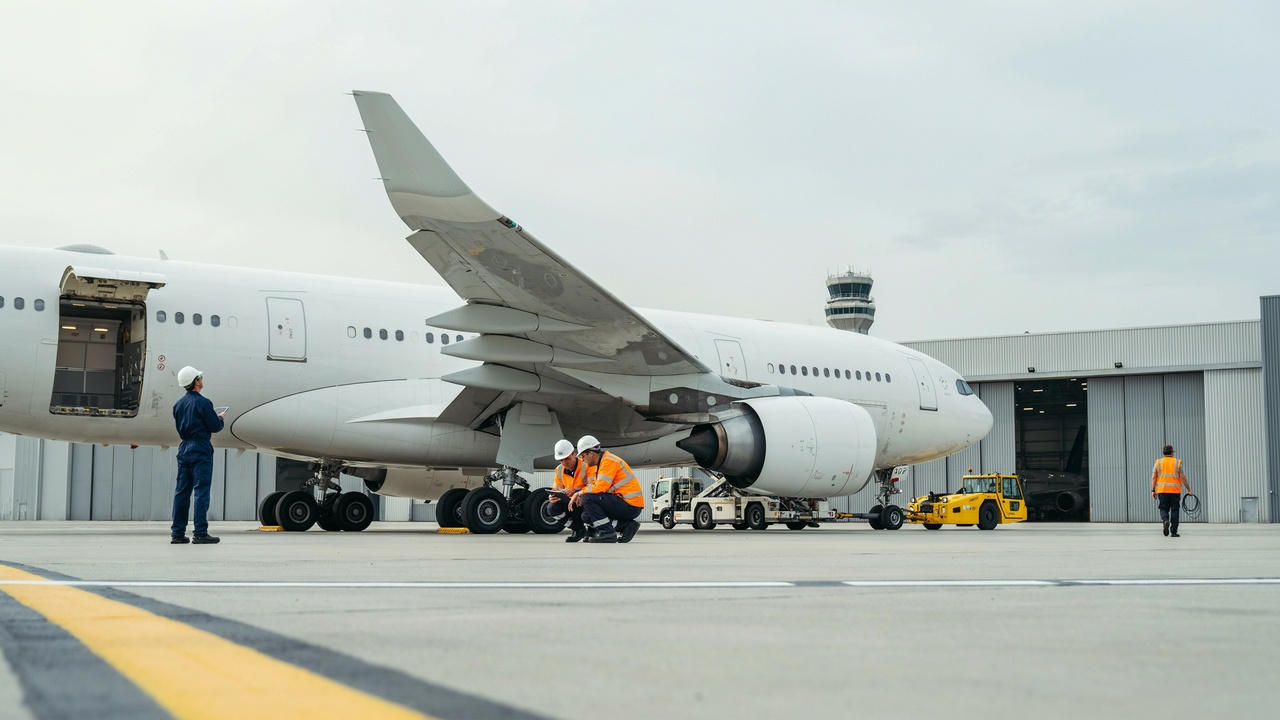
The first flight of the Airbus A350F is a milestone that brings the next generation of worldwide air cargo closer to reality as the plane moves nearer to flight tests in 2026. This Airbus A350F is built as Airbus’ widebody freighter and it wants to change long‑haul cargo travel by being more efficient carrying more weight and using up‑to‑date technology. Airbus is getting two test aircraft for the flight program with the goal of starting service in 2027. This program is a step, for airlines that need more eco‑friendly and powerful freighter options as global cargo needs keep changing.
Airbus A350F Moves Closer to Historic First Flight as Next Generation Cargo Aircraft Takes Shape
Airbus is advancing towards a major aviation milestone with the A350F first flight, as its new-generation freighter programme enters a critical testing phase. The European aircraft manufacturer is preparing the aircraft for flight trials during 2026 after completing key manufacturing, structural integration and ground-testing activities.
The Airbus A350F freighter is designed to enter the large cargo aircraft market with a modern widebody platform based on the successful A350 family. The aircraft is expected to bring new levels of efficiency, range capability and operational flexibility to global air freight operators.
Airbus has confirmed that two A350F aircraft are being produced specifically for flight testing between 2026 and 2027. The programme is targeting certification and customer deliveries in the second half of 2027. Airbus
Advertisement
Advertisement
The development comes as airlines and cargo operators increasingly focus on replacing older freighter aircraft with more fuel-efficient models. The A350F is positioned as a new solution for long-distance cargo networks, supporting the future needs of international logistics, e-commerce and high-value freight transportation.
Airbus A350F First Flight Becomes Key Aviation Industry Milestone
The upcoming Airbus A350F first flight represents one of the most important stages in the aircraft’s development programme. Before any new commercial aircraft enters service, manufacturers must complete extensive ground evaluations, flight testing and certification processes.
Advertisement
Advertisement
Airbus has been conducting detailed testing of the A350F’s systems, including cargo handling equipment, structural components and aircraft functions required for commercial operations.
The manufacturer has highlighted that the A350F is not simply a passenger aircraft converted for cargo use. Instead, Airbus has developed a dedicated freighter configuration with modifications aimed at meeting cargo operators’ requirements.
One of the aircraft’s major features is its large main-deck cargo door. Airbus states that the door has a 4.3-metre width and a 3.15-metre height opening, allowing easier loading of large cargo items and improving operational efficiency.
The cargo door design forms part of Airbus’ broader approach to improving loading speed, safety and flexibility for operators handling different freight categories.
Advanced Manufacturing Supports Airbus A350F Development
The production of the A350F freighter involves Airbus’ global industrial network, with major components manufactured across several European facilities.
The first main-deck cargo door for the A350F was completed at Airbus’ Illescas facility in Spain before being delivered to Toulouse for integration into the first flight-test aircraft.
Advertisement
Advertisement
The use of advanced composite materials remains central to the aircraft’s design philosophy. The wider A350 family is known for its extensive use of lightweight materials, which help reduce fuel consumption and improve efficiency compared with previous-generation aircraft.
For the freight market, weight efficiency is particularly important because operators must balance payload capacity, range and operating costs.
Airbus is applying lessons from the passenger A350 programme while adapting the aircraft structure for cargo operations. The A350F includes reinforced areas designed to support heavy freight loads and containerised cargo systems.
The aircraft is expected to support a payload capacity of up to around 111 tonnes, allowing operators to transport significant volumes of cargo across long distances.
A350F Flight Testing Programme Will Validate Performance and Safety
The A350F flight test campaign will evaluate aircraft performance under real operating conditions. Testing will examine areas including handling characteristics, systems reliability, fuel efficiency and cargo-related operations.
Airbus has planned flight testing during 2026 and 2027 as part of the certification process. The company previously outlined a programme involving dedicated flight-test aircraft to validate the freighter before customer deliveries.
Advertisement
Advertisement
Aircraft certification requires manufacturers to demonstrate compliance with strict aviation safety requirements established by regulatory authorities.
The A350F will undergo assessments involving international aviation regulators, including the European Union Aviation Safety Agency and the US Federal Aviation Administration.
The testing phase will determine whether the aircraft meets performance targets and operational standards required for global commercial service.
For airlines, successful certification will be a crucial step before integrating the aircraft into international cargo networks.
Global Air Cargo Market Creates Demand for New Freighter Aircraft
The development of the Airbus A350F comes during a period of transformation in global air cargo. Freight operators are adapting to changing trade patterns, growing e-commerce demand and increasing pressure to reduce emissions.
Large freighter aircraft remain essential for transporting time-sensitive and high-value goods, including pharmaceuticals, electronics, industrial equipment and specialised products.
Advertisement
Advertisement
Many existing large cargo aircraft fleets rely on older aircraft designs that require higher fuel consumption and increased maintenance investment.
The introduction of newer aircraft such as the A350F reflects the industry’s shift towards more efficient aviation technology.
Airlines operating international cargo networks are increasingly evaluating aircraft that provide improved economics while maintaining long-range capability.
The A350F is designed to address this requirement by combining the A350 platform’s aerodynamic efficiency with dedicated cargo features.
Airbus A350F Strengthens Competition in Large Freighter Market
The arrival of the A350F freighter will increase competition in the widebody cargo aircraft sector, a market historically dominated by Boeing freighter models.
Airbus is seeking to expand its presence in the dedicated freighter segment by offering airlines an alternative aircraft equipped with newer-generation technology.
Advertisement
Advertisement
The aircraft competes in a market where operators are planning future fleet renewal programmes due to ageing cargo aircraft.
The demand for efficient freighters is expected to remain important as aviation companies balance commercial growth with environmental targets.
Airbus has positioned the A350F as a solution for operators requiring long-range capability, operational efficiency and compatibility with existing cargo infrastructure.
The aircraft’s development also reflects broader changes within the aviation industry, where manufacturers are focusing on reducing fuel consumption and improving aircraft productivity.
Sustainability Focus Drives Development of Airbus A350F
A major element of the Airbus A350F programme is its focus on efficiency and emissions reduction.
Modern aircraft development increasingly prioritises lower fuel consumption through aerodynamic improvements, advanced materials and improved engines.
Advertisement
Advertisement
The A350 platform incorporates lightweight composite structures designed to reduce aircraft weight while maintaining strength and durability.
For cargo airlines, improved fuel efficiency can directly influence operating costs, especially on long-distance routes where fuel represents a significant expense.
The A350F also aligns with wider aviation efforts to modernise fleets and support long-term sustainability objectives.
Airlines and aviation authorities worldwide are exploring multiple approaches to reduce aviation emissions, including fleet renewal, operational improvements and alternative fuels.
The introduction of newer freighter aircraft forms part of this wider transition towards more efficient air transport.
Airbus A350F Supports Future Cargo Connectivity Worldwide
The Airbus A350F first flight will be closely watched by airlines, logistics companies and aviation stakeholders worldwide.
Advertisement
Advertisement
Once operational, the aircraft is expected to support international cargo connectivity by enabling efficient long-distance freight operations.
Cargo aviation plays a vital role in global supply chains, connecting manufacturers, businesses and consumers across continents.
The A350F’s development reflects the increasing importance of reliable air freight networks in supporting international trade.
For airports, cargo operators and logistics providers, the arrival of new-generation freighters could influence future infrastructure planning and network strategies.
The aircraft’s performance during testing will determine its readiness to enter commercial service and compete within the global freighter market.
Airline Fleet Renewal Gains Momentum Through Next Generation Freighter Aircraft
The Airbus A350F freighter programme arrives at a time when airlines worldwide are reviewing their long-term cargo fleet strategies. Many operators are assessing replacement options for older aircraft that have higher operating costs and increasing maintenance requirements.
Advertisement
Advertisement
Cargo airlines require aircraft capable of carrying substantial freight volumes while maintaining efficiency on long-distance routes. The development of the A350F first flight programme provides operators with an opportunity to evaluate a modern aircraft designed specifically for future cargo operations.
The aircraft is expected to complement existing widebody freighter fleets rather than replace every aircraft type currently in service. Different cargo operators have different network requirements, including regional distribution, intercontinental routes and specialised freight operations.
Airbus has designed the A350F around the needs of global cargo carriers by combining long-range capability, advanced aerodynamics and a dedicated freighter structure.
The aircraft is based on the A350-1000 platform and incorporates modifications required for cargo operations. These include a reinforced fuselage structure, a large cargo door and a main-deck cargo configuration designed for efficient loading.
The programme has attracted interest from major cargo operators, with Airbus announcing orders and commitments from airlines including Air France-KLM Martinair Cargo, Singapore Airlines, Etihad Airways, Qatar Airways Cargo and others.
These commitments demonstrate continued industry interest in new-generation freighter technology as airlines prepare for future cargo demand.
Advertisement
Advertisement
Airbus A350F Orders Reflect Growing Confidence in Air Cargo Growth
The commercial progress of the Airbus A350F has highlighted continued confidence in the future of international air freight.
Airbus has reported that the aircraft has received orders from several global carriers since its launch. These airlines are planning future fleet expansion and replacement strategies as cargo markets continue evolving.
The air cargo sector has experienced significant changes in recent years, influenced by e-commerce growth, supply chain adjustments and increasing demand for rapid delivery services.
While cargo demand fluctuates according to global economic conditions, airlines continue investing in efficient aircraft capable of operating profitable long-haul networks.
The A350F is positioned to serve routes connecting major cargo hubs across Europe, Asia, the Middle East, North America and other regions.
Cargo operators increasingly require aircraft that can transport large volumes while meeting operational efficiency targets. Modern freighters help airlines reduce fuel consumption, improve reliability and strengthen competitiveness.
Advertisement
Advertisement
The A350F first flight will therefore represent more than an aircraft development milestone. It will provide important performance data for airlines preparing their future fleet decisions.
Economic Impact of Airbus A350F Extends Across Aviation Supply Chains
The development of the Airbus A350F has implications beyond aircraft manufacturing. The programme supports a wider aviation ecosystem involving suppliers, airports, maintenance providers and logistics companies.
Aircraft manufacturing programmes create economic activity across multiple regions through engineering, production, component manufacturing and specialised aviation services.
The A350F programme uses Airbus’ international industrial network, involving facilities responsible for aircraft structures, systems integration and final assembly.
The aircraft’s production also supports suppliers producing advanced materials, aerospace components and specialised equipment.
For airports, the introduction of new-generation freighters may influence future cargo infrastructure planning. Airports handling international freight require suitable facilities, including cargo terminals, storage areas and aircraft handling systems.
Advertisement
Advertisement
As global trade patterns evolve, efficient cargo connectivity remains important for businesses relying on international transportation networks.
The Airbus A350F freighter could support improved cargo operations by offering airlines another option for long-range freight transportation.
Cargo Airports Prepare for Future Aircraft Technology
The arrival of new aircraft such as the A350F freighter may influence the development of future airport cargo facilities.
Large freighter aircraft require specialised infrastructure capable of handling significant cargo volumes. Airports must maintain efficient loading systems, customs facilities and logistics connections.
Major international cargo hubs are continuously investing in technology and infrastructure to improve freight processing.
The growth of air cargo has encouraged airports to expand cargo terminals, introduce digital tracking systems and improve connections between air and ground transportation networks.
Advertisement
Advertisement
The A350F first flight and subsequent certification process will allow airports and operators to better understand how the aircraft fits into future cargo operations.
Airports located near manufacturing centres, commercial markets and logistics networks may benefit from increased demand for efficient freight services.
The aircraft’s ability to operate long-range routes could support direct connectivity between major economic regions.
Environmental Regulations Influence Future Freighter Development
Environmental policies are becoming an increasingly important factor in aircraft development.
Governments, aviation authorities and industry organisations are introducing measures aimed at reducing aviation emissions while supporting continued air connectivity.
The Airbus A350F has been developed with efficiency improvements designed to reduce fuel consumption compared with older-generation aircraft.
Advertisement
Advertisement
Lower fuel use can help airlines manage operating costs while supporting broader environmental objectives.
The aircraft also reflects the aviation sector’s wider transition towards more efficient technology. Fleet modernisation is considered one of the key pathways for reducing emissions from commercial aviation.
International aviation organisations continue working with governments and airlines on measures including sustainable aviation fuel development, operational improvements and technology innovation.
The A350F will enter this changing aviation environment as cargo operators evaluate how new aircraft can support both commercial and sustainability goals.
Airbus A350F Certification Process Will Determine Commercial Entry
Before entering airline service, the Airbus A350F must complete a comprehensive certification programme.
Aircraft certification involves detailed assessments of safety systems, performance capabilities and operational requirements.
Advertisement
Advertisement
Regulators evaluate whether the aircraft meets established aviation standards before granting approval for commercial operations.
The European Union Aviation Safety Agency and other international aviation authorities play key roles in ensuring aircraft safety compliance.
The flight-testing stage will provide essential information about aircraft performance in different operating conditions.
Testing will examine take-off and landing performance, aircraft handling, systems operation and cargo-related functions.
Successful completion of certification will allow Airbus to begin customer deliveries targeted for 2027.
For airlines that have committed to the aircraft, certification will be a critical milestone before preparing pilot training, maintenance programmes and operational integration.
Advertisement
Advertisement
Future Outlook for Airbus A350F and Global Air Cargo Aviation
The future of the Airbus A350F will depend on successful testing, certification and market adoption.
The aircraft enters a competitive environment where cargo operators continue balancing fleet costs, capacity requirements and environmental responsibilities.
Air freight remains a vital component of international trade, particularly for industries requiring fast and reliable transportation.
The growth of digital commerce, pharmaceutical distribution and high-value manufacturing continues supporting demand for efficient cargo networks.
The Airbus A350F first flight will provide the aviation industry with a closer look at how the aircraft performs before commercial introduction.
If successful, the aircraft could become an important addition to the global freighter market and support airlines seeking modern alternatives for long-haul cargo operations.
Advertisement
Advertisement
The programme also demonstrates Airbus’ expanding role in the dedicated freighter sector, traditionally dominated by established cargo aircraft families.
The coming years will determine how the A350F contributes to the transformation of global aviation logistics.
Conclusion
The Airbus A350F first flight milestone marks a step for the future of global air cargo aviation. With technology, better efficiency and dedicated freighter features the Airbus A350F aircraft is meant to help airlines during a time of fleet renewal and shifting logistics needs. Airbus is moving toward flight testing in 2026. Aims for commercial entry in 2027. The Airbus A350F freighter could change long‑haul cargo work by giving operators a modern way to move freight across borders while also supporting the aviation industry’s constant push, for efficiency and sustainability.
Advertisement
