
Portugal’s Gorreana Tea Fields Become a Must Visit Green Destination for Authentic European Travel Experiences

Published
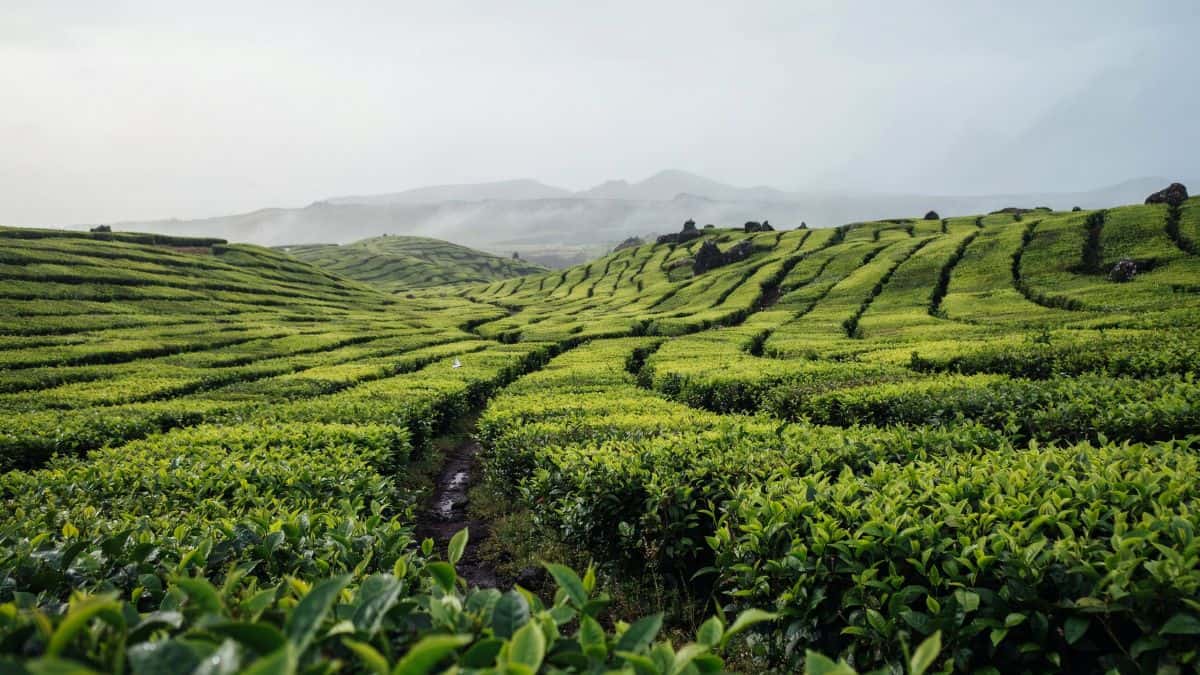
Image generated with Ai
The fabulous tea plantations at Gorreana are contributing towards making Portugal more attractive for tourists by offering them a wonderful experience of connecting with nature, culture and heritage. Furthermore, these fabulous landscapes prove the fact that tea tourism is a special way of creating memorable experiences out of the ordinary places. The fabulous tea plantations of Gorreana provide travelers with an opportunity of discovering a fabulous destination combining heritage and sustainability.
Portugal’s Gorreana Tea Plantation Becomes Europe’s Most Unique Tea Escape
Located on São Miguel Island in Portugal’s Azores archipelago, Gorreana Tea Plantation is one of Europe’s most remarkable tea destinations. Surrounded by Atlantic Ocean views and volcanic landscapes, this historic plantation combines natural beauty with centuries-old agricultural traditions.
Established in the 19th century, Gorreana continues to produce tea using traditional methods. The plantation has successfully transformed its farming heritage into a memorable tourism experience where visitors can explore tea fields, discover production techniques and enjoy locally produced teas.
Advertisement
Advertisement
The landscape itself is a major attraction. Visitors are welcomed by endless green tea fields spreading across volcanic hills, creating a scene unlike anywhere else in Europe. The combination of dramatic nature, fresh air and peaceful surroundings makes the plantation a favourite among travellers searching for unique experiences.
Advertisement
Advertisement
Tourism at Gorreana is helping strengthen the Azores economy by encouraging visitors to explore beyond popular coastal attractions and volcanic sites. Travellers now spend more time discovering rural areas, supporting local businesses and experiencing the island’s traditional lifestyle.
The plantation represents how sustainable tourism can protect heritage while creating new opportunities. By turning tea production into a visitor experience, the Azores has developed a distinctive tourism identity that attracts nature lovers, food enthusiasts and cultural explorers.
Porto Formoso Tea Factory Brings Azores Tea Heritage To International Visitors
Advertisement
Advertisement
Another important tea destination in São Miguel is Porto Formoso Tea Factory. This historic tea location offers visitors a deeper understanding of the island’s tea culture and agricultural traditions.
Unlike ordinary tourist attractions, Porto Formoso provides an educational and cultural experience. Visitors can see how tea is cultivated, understand traditional production methods and taste regional varieties.
Advertisement
Advertisement
The factory highlights the relationship between the island’s environment and tea farming. The humid climate, fertile volcanic soil and mild temperatures create ideal conditions for tea cultivation.
In 2026, experiences like Porto Formoso are gaining popularity because travellers are choosing slower and more meaningful holidays. Instead of visiting only famous landmarks, tourists are looking for places where they can learn, relax and connect with local communities.
Tea tourism also supports rural development by creating opportunities for farmers, guides, restaurants and accommodation providers. It encourages visitors to stay longer and explore more areas of São Miguel.
By combining agriculture, history and hospitality, Porto Formoso strengthens the Azores’ position as one of Europe’s most unusual and attractive rural tourism destinations.
Türkiye’s Rize Tea Plantations Turn Black Sea Beauty Into A Tourism Powerhouse
Advertisement
Advertisement
Türkiye’s Rize province has become one of Europe’s most stunning tea tourism destinations. Located along the Black Sea coast, the region is famous for its emerald-green tea fields, dramatic mountains, traditional villages and breathtaking landscapes.
Rize’s unique climate makes it ideal for tea cultivation. Heavy rainfall, fertile soil and the region’s natural conditions allow tea plants to grow across the hills, creating spectacular views for visitors.
The beauty of Rize extends far beyond its plantations. Mist-covered mountains, flowing rivers and peaceful villages create a complete nature tourism experience.
Visitors can explore tea gardens, learn about harvesting traditions, taste freshly prepared Turkish tea and discover local culture. These experiences allow travellers to understand the importance of tea in Turkish daily life.
Tea tourism is helping Rize diversify its economy. While agriculture remains important, tourism is creating additional income opportunities for farmers, local guides, hotels, restaurants and small businesses.
Advertisement
Advertisement
The region also benefits from combining tea experiences with other attractions, including mountain routes, traditional villages and outdoor adventures. This creates longer travel itineraries and encourages visitors to discover more of the Black Sea region.
Rize demonstrates how a local product can become a global tourism attraction. Tea has transformed from an agricultural resource into a symbol of culture, hospitality and natural beauty.
Georgia’s Historic Tea Gardens Experience A Remarkable Tourism Revival
Georgia is creating a new identity in European tea tourism through the revival of historic tea-growing regions. The western areas of Guria and Imereti are becoming important destinations for travellers interested in heritage, sustainability and authentic experiences.
Georgia has a long connection with tea production. Many plantations that once played an important role in the country’s economy are now being restored through modern farming practices and tourism initiatives.
Advertisement
Advertisement
Visitors can explore tea gardens, participate in harvesting activities, learn traditional processing techniques and taste locally produced teas.
The attraction of Georgian tea tourism comes from its authenticity. Travellers can experience rural life, meet local producers and discover landscapes that remain untouched by mass tourism.
The revival of tea plantations is also supporting local communities. Restored fields create new opportunities for farmers, tourism operators and small businesses.
Georgia is already known internationally for its wine culture, historic cities and mountain landscapes. Tea tourism adds another unique experience that encourages visitors to explore lesser-known regions.
The country’s tea gardens represent a connection between the past and future, preserving agricultural heritage while creating new tourism opportunities.
Advertisement
Advertisement
How Tea Tourism Is Boosting European Travel In 2026
Tea plantations are becoming important tourism drivers because they match some of the biggest travel trends shaping 2026.
Growing Demand For Authentic Travel Experiences
Modern travellers are searching for meaningful journeys. They want to understand destinations rather than simply photograph them.
Tea plantations provide hands-on experiences where visitors can walk through fields, learn traditional methods and connect with local communities.
Advertisement
Advertisement
These activities create stronger memories and encourage travellers to spend more time in rural destinations.
Supporting Sustainable And Rural Tourism Growth
Tea tourism helps spread tourism benefits beyond crowded cities. Rural communities gain new income through accommodation, food services, guided tours and local products.
It also encourages the protection of agricultural landscapes by creating economic value from traditional farming.
Strengthening Food And Cultural Tourism
Advertisement
Advertisement
Tea has become part of the wider growth of culinary tourism. Similar to wine regions and farm experiences, tea plantations allow travellers to explore local flavours and production methods.
Visitors are increasingly interested in understanding where products come from and how they are created.
Creating New Identities For Lesser-Known Destinations
Tea plantations provide countries with unique tourism stories. Portugal promotes rare European tea landscapes, Türkiye showcases Black Sea tea culture and Georgia highlights its tea revival journey.
These experiences help destinations attract new audiences looking for something different.
Advertisement
Advertisement
Europe’s Tea Plantations Could Become The Next Major Travel Trend
Europe’s Secret Green Paradise is Shaping the Future of Tourism with the Help of Spectacular Tea Plantations in Portugal, Türkiye and Georgia in 2026. The spectacular tea landscapes are becoming significant destinations for tourism by integrating nature, culture and sustainable tourism. Whether it is the tea fields of Portugal on the Atlantic coast or mountain tea plantations of Türkiye and the traditional tea gardens of Georgia, these fascinating destinations are becoming havens for travelers to escape the usual tourist paths. With people looking for authentic experiences, tea tourism in Europe has become an interesting way to create opportunities in rural areas.
Advertisement
