
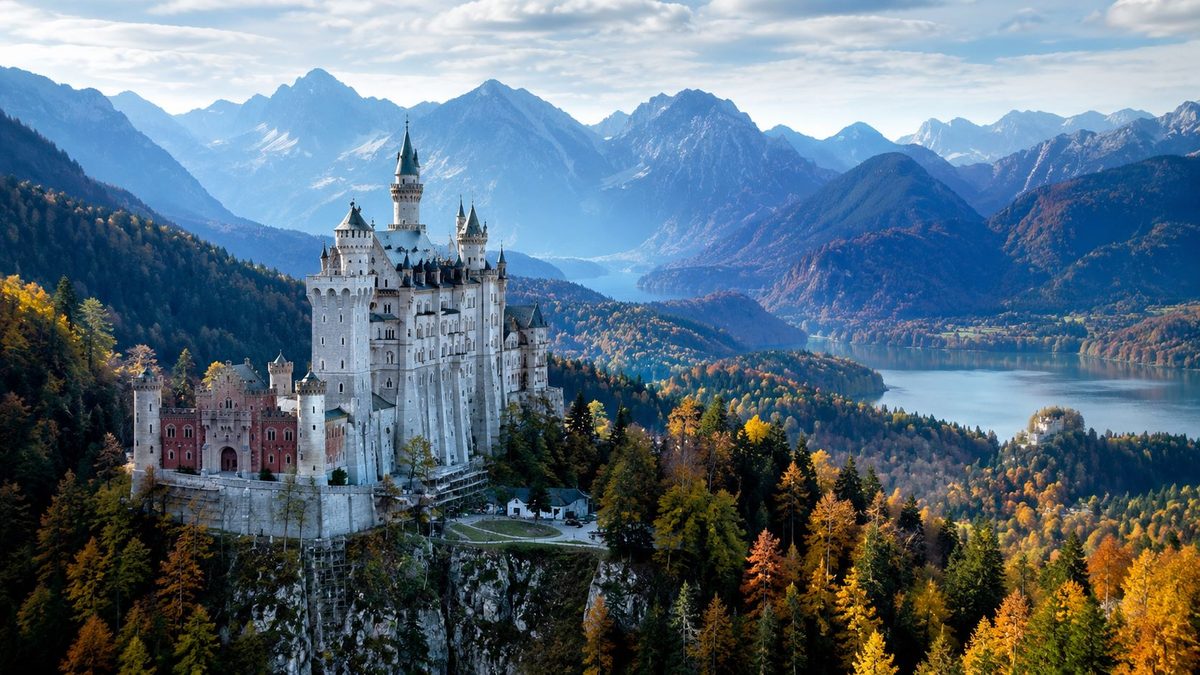
Image generated with Ai
Greece leads Italy and more destinations driving Europe tourism revival with record visitors, strategies and connectivity in 2026, as strong international demand, improved accessibility and smarter tourism planning reshape the continent’s travel growth. Greece, Italy, Spain and Bulgaria are strengthening Europe’s tourism future by focusing on higher-value experiences, regional development, sustainability and expanded transport links. From Greece’s rising visitor numbers and Italy’s authentic travel appeal to Spain’s record spending and Bulgaria’s connectivity investments, these destinations are creating a stronger, more diverse tourism landscape that goes beyond traditional summer travel and supports long-term growth.
Greece is emerging as one of Europe’s fastest-growing tourism destinations in 2026, powered by strong international demand, improved accessibility and its globally recognised combination of islands, heritage and coastal experiences. The country recorded 15.4% rise in inbound travellers, reaching 13.49 million visitors in the first half of 2026, while tourism receipts increased to €8.80 billion.
Advertisement
However, Greece’s tourism story in 2026 is shifting from simply attracting more visitors to generating greater value from every traveller. Although arrivals continue to rise, average spending per visitor has slightly declined, encouraging the country’s tourism sector to focus on premium experiences, longer stays and stronger local economic benefits.
A major driver of Greece’s tourism expansion has been improved regional accessibility. Road border crossings increased by 49.3%, showing a major rise in regional travel demand, while airport arrivals grew by 7.3%. This growth is helping destinations beyond famous islands gain visibility, opening opportunities for mainland regions, cultural routes and lesser-known coastal areas.
Advertisement
Advertisement
Greece is also adapting its tourism strategy to climate challenges. Rising summer temperatures and heatwave conditions are influencing traveller preferences, encouraging the country to promote shoulder-season travel, sustainable tourism practices and climate-resilient destinations.
In 2026, Greece is expected to strengthen tourism growth through:
By balancing strong visitor demand with smarter tourism planning, Greece aims to convert record arrivals into long-term tourism growth.
Italy is strengthening its position as one of Europe’s most attractive tourism markets in 2026 by combining cultural heritage, affordable luxury and unique regional experiences. Instead of depending only on world-famous cities, Italy is successfully spreading tourism demand across emerging destinations that offer travellers more authentic experiences.
Advertisement
Advertisement
Tourist arrivals in Italy increased by 4.4% in the first half of 2026, supported by strong demand for hotels, holiday rentals and alternative accommodation. The country achieved an average accommodation occupancy rate of 51.2%, placing it ahead of major European competitors.
One of Italy’s biggest advantages in 2026 is its competitive pricing strategy. With an average nightly accommodation cost of around €153, Italy provides better value compared with Spain and Greece, attracting travellers who want premium experiences without excessive costs.
Italy is also benefiting from the global rise of experience-based tourism. Modern travellers are increasingly searching for food traditions, local culture, nature, heritage villages and authentic lifestyles rather than only visiting famous landmarks.
Regions such as Calabria, Sardinia and Umbria are gaining momentum as new tourism hotspots. These destinations offer coastal landscapes, historic villages, culinary experiences and slower travel opportunities, helping Italy reduce pressure on overcrowded cities.
Italy’s tourism growth strategy in 2026 includes:
By combining affordability with authenticity, Italy is becoming a leading choice for travellers seeking meaningful European experiences.
Spain continues to dominate European tourism in 2026, combining record international arrivals with strong economic returns. The country has strengthened its reputation as a global travel leader by offering a diverse tourism mix including beaches, culture, gastronomy, entertainment and heritage.
Spain welcomed 58.1 million international tourists between January and July 2026, representing a 4.6% year-on-year increase. Tourism expenditure grew even faster, rising by 7.8% to reach €82.05 billion, showing that visitors are contributing more significantly to the national economy.
The United Kingdom remains Spain’s largest international tourism market, sending 11.5 million visitors, followed by France and Germany. Strong airline connectivity, modern tourism infrastructure and high-quality hospitality continue to support Spain’s global appeal.
Popular destinations such as the Balearic Islands and Catalonia remain major tourism centres, but Spain is increasingly encouraging travellers to explore beyond traditional hotspots. Inland regions, rural destinations and cultural cities are receiving greater attention as part of efforts to create a more balanced tourism model.
Spain’s tourism growth measures for 2026 include:
With expectations of surpassing 100 million international visitors by the end of 2026, Spain is setting a new standard for tourism scale and economic impact in Europe.
Bulgaria is taking a strategic approach to tourism growth in 2026 by focusing on stronger connectivity, international promotion and policy reforms. While the country experienced challenges in visitor overnight stays, it is introducing measures designed to improve competitiveness and attract new markets.
Tourist overnight stays declined by 1.7% in the first half of 2026, creating pressure for authorities to strengthen tourism promotion and improve international access.
A major step forward is the introduction of a Connectivity and Promotion Fund, which will direct tourism tax revenue towards airline connectivity projects and international marketing campaigns. This approach aims to create stronger links with foreign markets and increase visitor arrivals.
More than 100,000 airline seats have already been secured, particularly targeting travellers from Germany and supporting connections to Black Sea destinations such as Burgas and Varna.
Bulgaria is also working on visa improvements to attract more non-European travellers. Discussions around easier access for Turkish visitors are designed to expand international arrivals and reduce dependence on traditional summer tourism.
Bulgaria’s 2026 tourism strategy focuses on:
Through these reforms, Bulgaria aims to transform itself from a seasonal holiday destination into a more competitive year-round European tourism market.
The tourism strategies of Greece, Italy, Spain and Bulgaria highlight a major shift in European travel in 2026. Countries are no longer competing only through visitor numbers but through better experiences, stronger infrastructure, sustainability and regional development.
Spain is leading through tourism scale and economic strength, Greece is converting rapid visitor growth into higher-value tourism, Italy is winning travellers through authenticity and affordability, while Bulgaria is investing in connectivity and future expansion.
Together, these destinations are shaping a stronger and more diverse European tourism landscape in 2026, where innovation, resilience and experience-driven travel are becoming the foundation of long-term growth.
Greece leads Italy and more destinations driving Europe tourism revival with record visitors, strategies and connectivity in 2026, as stronger demand, improved access, sustainable planning and value-focused tourism approaches accelerate growth across Europe’s leading travel markets.
In conclusion, Greece leads Italy and more destinations driving Europe tourism revival with record visitors, strategies and connectivity in 2026, as countries across the continent move towards smarter, higher-value and more sustainable tourism growth. Greece is transforming strong arrivals into greater visitor value, Italy is attracting travellers through authenticity and affordability, Spain is combining record spending with global demand, and Bulgaria is strengthening future growth through improved connectivity and promotion. Together, these destinations show how Europe’s tourism revival is being shaped by innovation, regional development and better travel experiences, creating a stronger foundation for long-term success in 2026 and beyond.
Advertisement
Advertisement
Advertisement













Saturday, September 5, 2026

Saturday, September 5, 2026

Saturday, September 5, 2026

Saturday, September 5, 2026
Saturday, September 5, 2026

Saturday, September 5, 2026

Saturday, September 5, 2026

Saturday, September 5, 2026



