
Iran and Global Travelers Face Disruption as Power Cuts Hit Tehran After Attacks on Energy Facilities Amid Ongoing War
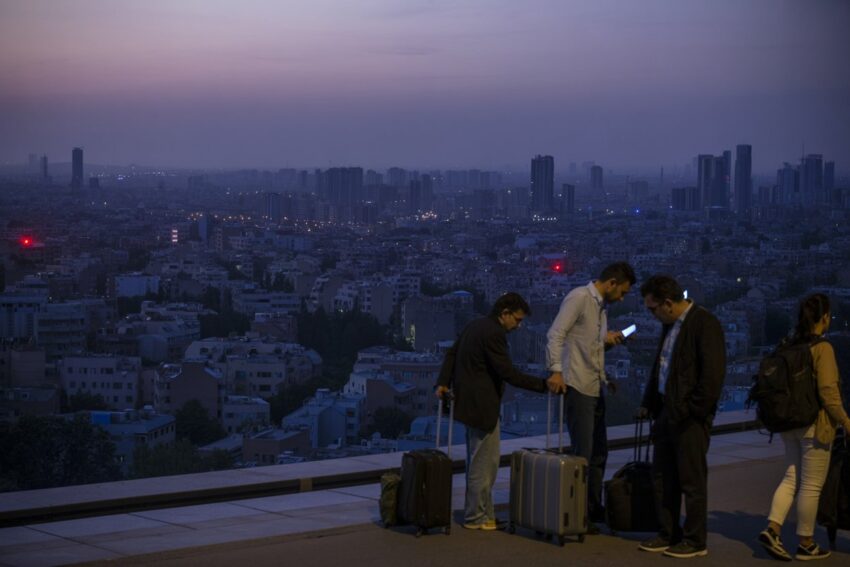 Image generated with Ai
In the midst of the ongoing 2026 Iran war, a new development has sent fresh shockwaves through both the local population and global travel markets: power outages have hit Tehran and the broader Alborz province following attacks on key energy facilities, according to Iranian state media. This latest disruption underscores how deeply the conflict is affecting critical infrastructure — and, in turn, travel and tourism in one of the Middle East’s most historically and culturally significant regions.
Power Cut After Energy Infrastructure Attacks
According to reports, several districts of Tehran — Iran’s sprawling capital — and nearby parts of northern Iran experienced sudden blackouts after what state authorities confirmed were attacks on electricity infrastructure. Officials from Iran’s Ministry of Energy said repair crews were already at work to restore outages, but offered few specifics on which facilities were targeted or the full scale of damage.
This development is significant because energy infrastructure forms the backbone of daily life and commerce, including transport systems, aviation operations, hospitality services, and communications systems — all of which are crucial to travel. In a context where the war has already closed airspace, rerouted flights, and dampened tourism demand, power disruptions add another layer of complexity for travelers and travel businesses alike.
Travel Disruption Already Underway in the Region
 Image generated with Ai
The war, now well into its second month, has already had far‑reaching travel consequences beyond Iran’s borders. As part of the ongoing conflict between Iran and the United States, Israel, and allied states, airspace across multiple Gulf and Middle Eastern countries was closed, forcing airlines to reroute flights, suspend service, or cancel routes entirely. Major carriers that once operated frequent flights over the region — including Emirates, Etihad, Qatar Airways, Air India, and European carriers serving Middle Eastern hubs — adjusted schedules to avoid conflict zones, lengthening travel times and increasing costs for passengers.
Advertisement
Advertisement
These changes have disrupted traveler itineraries, delayed flights, and left many passengers stranded as airlines grapple with dynamic safety assessments and fuel cost fluctuations influenced by energy market impacts of the war. For tourists planning or en route to destinations in the Middle East, the situation has necessitated frequent itinerary changes and heightened attention to travel advisories.
Blackouts, Infrastructure Risk and Traveler Confidence
Power outages in Tehran — one of the region’s busiest cities for inbound tourism before the war — compound travel risk perceptions. While travel advisories often focus on security and active conflict, infrastructure risks like blackouts influence the comfort, safety, and usability of destinations. Without reliable electricity, hotels may struggle to provide consistent services, transportation networks may face delays, essential services such as ATMs and communications can be compromised, and travel planning becomes inherently more uncertain.
Advertisement
Advertisement
For international visitors and local tourists already in Iran, sudden blackouts create logistical challenges: booking onward travel, charging electronic devices required for e‑tickets and visas, accessing online information, or navigating maps and local transit systems — all assume steady power and connectivity. The outages underscore the broader fragility of travel infrastructure in a conflict zone.
Impact on Flights and Airport Operations
While Tehran’s primary international gateway, Imam Khomeini International Airport, has not been reported as directly affected by the blackouts, the broader conflict’s strain on aviation is notable. During earlier phases of the war, the closure of airspace over Iran and several neighboring states significantly reduced flight traffic. Airlines rerouted flights to avoid the Persian Gulf, and service to many regional airports remained limited.
For travelers flying into or out of parts of the Middle East, these disruptions mean fewer direct routes, longer layovers, and increased use of alternative hubs such as Istanbul, Delhi, or European entry points. Flight cancellations and schedule changes have required compassionate rebooking policies from carriers and have increased the importance of travel insurance that covers war‑related disruptions.
Traveler Safety and Advisories
In light of these developments, many countries have updated travel advisories for nationals considering travel to Iran or transit through Iranian airspace. Before the latest power outage, foreign ministries had already warned citizens about the risk of indirect attacks, unpredictable infrastructure damage, and airspace closures that could affect flight safety. With the power cuts now confirmed by state reports, these advisories may be strengthened further to encourage caution for non‑essential travel.
Travel experts recommend that visitors already in the region register with their embassies or consulates, maintain current contact with local authorities, and have contingency plans for accommodation and transportation in case of sudden infrastructure disruptions. Given the ongoing evacuation efforts carried out by foreign governments for citizens fleeing conflict zones, those planning travel to the region should reconsider and prioritize flexible arrangements.
Tourism Sector Effects
 Image generated with Ai
Beyond immediate travel safety concerns, the broader tourism sector in Iran and neighboring countries has felt the economic toll of the war. According to industry reports, destinations across the Middle East, including the UAE, Saudi Arabia, and Bahrain, have seen tourism demand slump amid heightened conflict alerts and cancellations. With energy infrastructure now targeted and blackouts affecting major cities like Tehran, tourism confidence faces another blow.
Advertisement
Advertisement
Tour operators and hospitality businesses have pivoted to offering flexible booking policies, promoting destinations outside conflict zones, or refocusing on domestic tourism where safe and feasible. In a region that once saw rising numbers of international visitors drawn to cultural sites, historic landscapes, and beach resorts, the present environment underscores the importance of traveler flexibility and adaptive planning in times of geopolitical tension.
Energy Supply and Global Travel Costs
The war’s effects on energy markets have also influenced travel costs indirectly. As attacks on energy infrastructure, including the powerful South Pars gas field and refineries near Asaluyeh, have affected Iran’s gas production and the broader energy supply chain, oil prices worldwide have surged. Higher fuel costs translate into higher jet fuel pricing, which in turn puts upward pressure on airfare costs — especially for long‑haul flights that consume large amounts of fuel.
For travelers, this energy‑price shock means more expensive flights and ground transportation in many markets, even outside the immediate conflict zone. In some cases, carriers may add fuel surcharges to mitigate cost increases, travel packages may need to be adjusted for higher ground transport rates, and overall travel budgets become tighter — particularly for budget‑conscious tourists.
Balancing Travel Plans in a Volatile Zone
In a context of increasing uncertainty, travel planners and tourists must balance safety concerns with their desire for exploration. Key considerations include:
- Monitoring travel advisories: Keep track of official government travel recommendations, which often include real‑time updates related to safety, airspace closures, and infrastructure conditions.
- Flexible bookings: Choose tickets and accommodation with free cancellation or change options to adapt to last‑minute developments.
- Travel insurance: Select comprehensive policies that include coverage for conflict‑related disruptions and infrastructure outages.
- Alternative routes: Consider transit hubs outside the immediate region if routing through Middle Eastern airspace remains unstable.
These practical steps help travelers navigate evolving conditions with a measure of preparedness and reassurance.
In a world where geopolitical events can abruptly reshape travel realities, the latest power cuts in Tehran highlight how civility and infrastructure beyond the battlefield affect travelers and tourism alike. Whether for leisure, business, or transit, staying informed and adaptable remains the cornerstone of responsible travel planning in 2026.
Advertisement
