
Scotland Aligns With Norway And More Welcomes Heritage Travellers Across Majestic Cairngorms Highland Route

Published
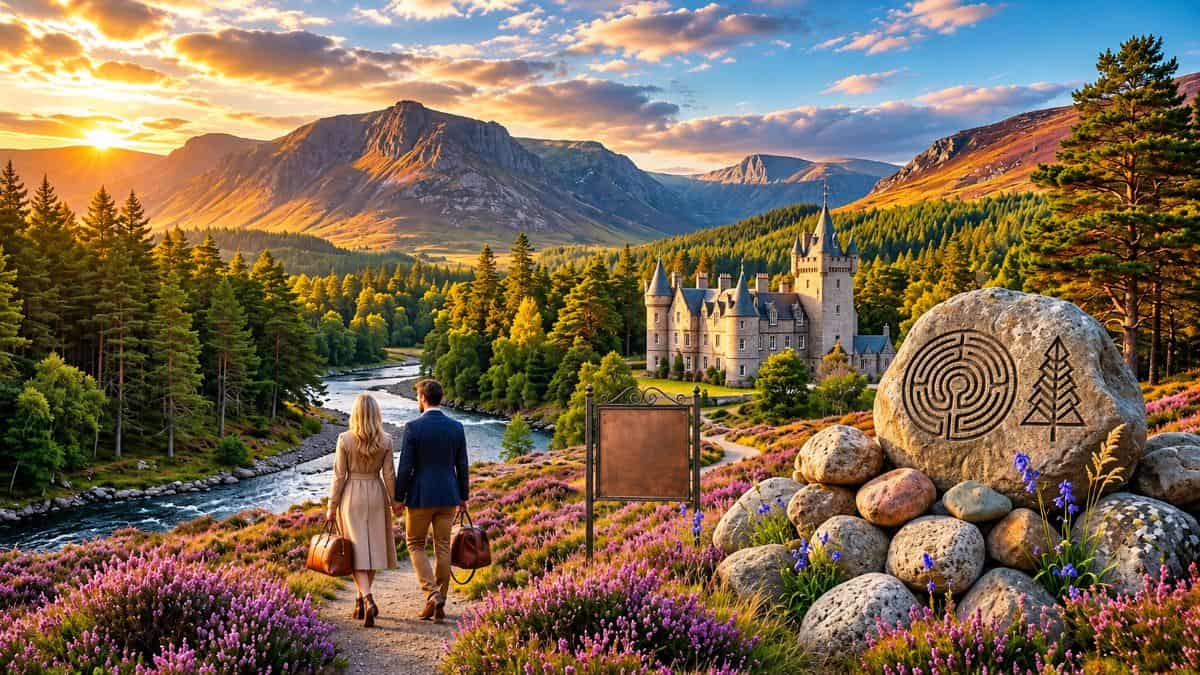
Image generated with Ai
Tucked quietly within the sheltering pine forests and rolling granite contours of Aberdeenshire, Ballater represents the timeless charm of rural Scotland. Situated approximately seventy-five miles north of Edinburgh, the picturesque Victorian settlement sits comfortably along the serene banks of the sparkling River Dee in Cairngorms National Park. With an expanse covering over seventeen hundred square miles, this protected national reserve remains the largest of its kind across Britain, offering deep glacial valleys, sweeping heather-covered moorlands, and towering summits. The village developed substantially during the nineteenth century, when travellers sought restorative mineral springs nearby, quickly establishing a peaceful haven defined by handsome local granite architecture, artisanal pride, and crisp mountain air.
Today, this tranquil enclave thrives as a distinguished cultural escape, celebrated for its historic royal connections and exceptional outdoor recreation. Positioned conveniently between Dundee on the east coast and Elgin in the northern whisky country, Ballater invites discerning travellers into an unspoiled highland sanctuary. Visitors find independent family shops, regional food producers, and accessible waymarked footpaths that branch directly from the market square into ancient pine woods. Whether you are retracing ancient royal footsteps, admiring dramatic cliff profiles, or sampling freshly sourced north-eastern seafood, Ballater provides an authoritative snapshot of classic highland character, balancing royal grandeur with grounded community hospitality.
Royal Heritage And Grand Architecture On Royal Deeside
The historic identity of Ballater remains intricately intertwined with the British monarchy. Queen Victoria first fell in love with this corner of Aberdeenshire during an expedition in the mid-nineteenth century, ultimately acquiring the vast fifty-thousand-acre Balmoral Estate. To reflect her passion for romantic romanticism, she commissioned Balmoral Castle, designed in the striking Scottish Baronial style with turreted corners, crenellated towers, and robust ashlar masonry. Located seven miles west of Ballater, Balmoral serves as a working private retreat while generously granting public access across its immaculately kept walled gardens, landscaped parkland, and historic carriage routes throughout most of the spring and early summer.
Recent decades have unlocked even deeper historic access for domestic and international visitors alike. Select guided interior tours permit admirers to view the formal entry vestibule, the grand dining salon, the wood-panelled library, and personal portraiture depicting Victorian court life. Beyond the manicured lawns of Balmoral, older remnants of turbulent territorial history punctuate the landscape. Roughly two miles outside Ballater lie the atmospheric ruins of Knock Castle. Erected during the sixteenth century by the Clan Gordon, the weather-worn four-storey stone tower house reveals surviving barrel-vaulted cellars and a historic spiral stairway, providing panoramic viewpoints over the Dee valley.
Advertisement
Advertisement
Village Life Along Historic Bridge Street
A stroll through the village centre highlights Ballater’s well-preserved civic layout, constructed with clean-cut blocks of pink and grey native granite. The heart of daily commerce beats along Bridge Street, where independent boutique owners curate regional arts, crafts, and heritage wares without the bustle of larger commercial centres. Establishments such as the Wood and Wool Gallery exhibit bespoke handcrafted furnishings, woven textiles, and traditional regional memorabilia made by northern craftsmen. Nearby, Deeside Books houses extensive selections of rare, second-hand, and out-of-print volumes covering Scottish history, folklore, mountaineering, and clan lineages.
Culinary traditions across Royal Deeside reflect the abundant agricultural and marine bounty of north-eastern Scotland. Independent bakeries, tearooms, and providores serve fresh oatcakes, heather honeys, and handcrafted game pies. For evening dining, The Fish Shop has garnered regional acclaim by presenting expertly prepared sustainable seafood sourced from cold Atlantic and North Sea waters. Diners can enjoy native Cape Wrath oysters, wild turbot, pan-seared Shetland halibut, and shellfish landings gathered directly from nearby harbours such as Macduff, perfectly paired with locally produced ales or single malt whiskies.
Advertisement
Advertisement
Waymarked Woodland Trails And Mountain Ascents
The diverse topography surrounding Ballater accommodates outdoor pursuits of varying endurance levels, starting immediately from the village edge without requiring lengthy drives. Gentle paths such as the Pannanich Woods Circular wind beneath broad pine and birch boughs along the riverbanks, offering serene waterside spots where native salmon run. Similarly, the level Riverside Walk skirts the periphery of the historic local golf club, offering tranquil views across the water meadows.
More experienced walkers regularly follow sections of the Deeside Way, a scenic walking trail established over the former railway track bed that historically transported royals, prime ministers, and city tourists to the village. The Cambus o’May Circular provides access to scented pine groves, a conserved Edwardian suspension bridge constructed around 1905, and habitats teeming with elusive red squirrels and roe deer. For elevated panoramas, the steady ascent up Craigendarroch Hill climbs through oak woodlands to an elevation of thirteen hundred feet, rewarding hikers with sweeping thirty-six-degree views over Ballater’s neat slate rooftops and the grand backdrop of Lochnagar.
Advertisement
Advertisement
| Destination or Attraction | Distance from Village | Primary Highlight | Recommended Activity |
| Balmoral Castle and Gardens | 7 miles west | Baronial royal architecture and grounds | Guided interior tour and garden walks |
| Knock Castle Ruins | 2 miles south-west | 16th-century Clan Gordon tower house | Historical exploration and photography |
| Craigendarroch Summit | 1 mile north | 1,300-foot summit overlooking valley | Moderate woodland hill walk |
| Deeside Way Trailhead | Immediate access | Former royal railway converted to trail | Cycling and long-distance walking |
| Bridge Street Quarter | Central village | Victorian granite architecture and shops | Boutique shopping and seafood dining |
Practical Travel Information For High Season Visits
Reaching Ballater is a straightforward journey through scenic countryside via well-maintained road networks. Drivers departing Dundee head north via the A90 and A937 through scenic glen country, reaching the village in under two hours. Those arriving from Elgin travel south through Moray and Speyside whisky country along the A941 and A939, traversing dramatic elevated moorlands. For travellers flying into Scotland, Edinburgh Airport offers extensive international services, with scenic northbound driving routes taking roughly two hours and forty-five minutes.
Late spring through early autumn provides optimal climate conditions for outdoor adventures, with daily summer temperatures typically fluctuating between 14°C and 18°C. Daylight lingers late into northern evenings, allowing for prolonged excursions across mountain paths. Travellers intending to tour Balmoral Castle should verify annual operating dates, as the royal residence traditionally suspends tourist access during August and September when the Royal Family takes up official residence.
Frequently Asked Questions
Where is Ballater located in Scotland?
Ballater is situated in Aberdeenshire within Cairngorms National Park, positioned on the River Dee between Dundee and Elgin.
Advertisement
Advertisement
What is the best time of year to visit Ballater?
The summer months from June to September offer pleasant temperatures, clear hill-walking conditions, and blooming gardens.
Can the public visit Balmoral Castle?
Yes, the grounds, gardens, and select interior rooms open to visitors seasonally, generally between April and early August.
Why does Balmoral Castle close to the public in August?
The estate suspends public access in August and September each year for the annual private summer retreat of the Royal Family.
Advertisement
Advertisement
What are the best walking routes starting from Ballater?
Popular routes include the gentle Riverside Walk, the scenic Pannanich Woods path, and the steeper climb up Craigendarroch Summit.
What wildlife can visitors spot around Cairngorms National Park?
Hikers frequently observe native red squirrels, red deer, roe deer, mountain hares, ospreys, and golden eagles in the surrounding hills.
Is Ballater suitable for dining and shopping?
Yes, the village offers award-winning seafood establishments, quaint tea rooms, rare antiquarian bookshops, and artisanal craft boutiques along Bridge Street.
Advertisement
Advertisement
How far is Ballater from Edinburgh Airport?
The drive takes approximately two hours and forty-five minutes heading north across the Queensferry Crossing and through the countryside.
What is Knock Castle?
Knock Castle is a ruined sixteenth-century stone tower house located two miles from the village, formerly occupied by the Clan Gordon.
What makes the Deeside Way historic?
The Deeside Way follows the former nineteenth-century railway track constructed to carry passengers, royal guests, and supplies directly to Ballater.
Advertisement
