
Italy Joins US, Canada, Australia, France, Greece, and United Kingdom in Facing Closure of Popular Tourist Attractions as Massive Wildfire Engulfs Mt. Vesuvius and National Park Turns into Inferno— Full Report Here

Published
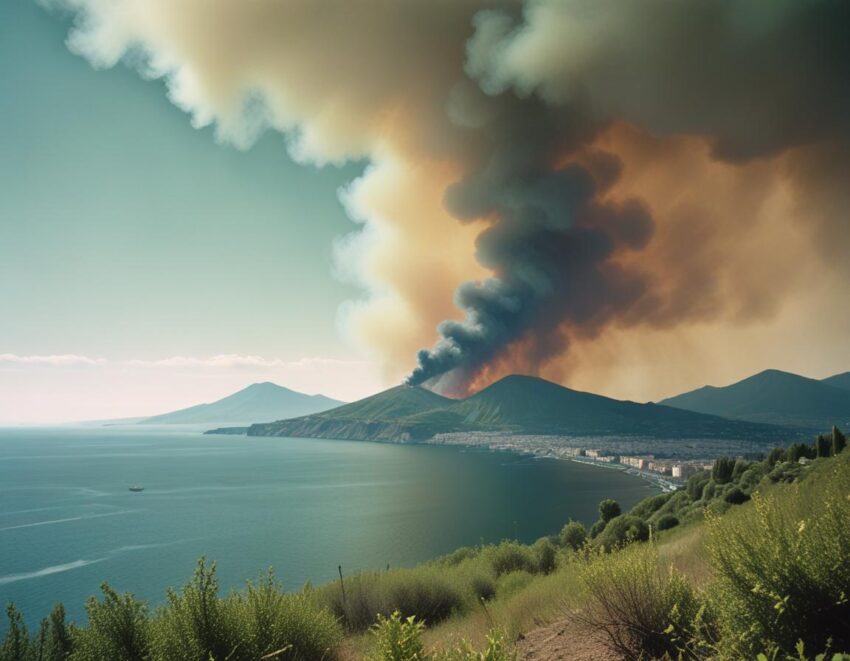 Image generated with Ai
Italy now unifies with the US, Canada, Australia, France, Greece, and the United Kingdom in facing closure of popular tourist attractions as a massive wildfire inferno engulfs Mt. Vesuvius and its national park. This developing crisis adds Italy to a growing list of nations where fire has forced landmark closures during peak tourism seasons. The massive wildfire on Mt. Vesuvius has spread across its slopes, burning through protected areas of the national park.
The closure of popular tourist attractions in Italy follows similar measures in the US, Canada, Australia, France, Greece, and the United Kingdom. In the US, the Grand Canyon’s North Rim has shut for the year after wildfire destruction. In Canada, parts of Jasper National Park remain closed due to past fire damage. In Australia, several state parks have closed tracks due to high fire risk. France’s Aude region has seen restricted access during the nation’s largest wildfire in decades. Greece has evacuated areas near Keratea in Attica. The United Kingdom has faced restricted access to Arthur’s Seat in Edinburgh during an active wildfire.
The wildfire inferno at Mt. Vesuvius is threatening both nature and heritage. Trails across the park are closed to protect visitors and give emergency services space to work. With flames visible from Pompeii, the blaze is impacting one of Italy’s most important tourism hubs. These closures, across multiple countries, show how climate-driven fire seasons are reshaping global travel.
Italy’s Mount Vesuvius is closed to tourists after a fast-spreading wildfire forced the shutdown of all hiking trails in the national park. Firefighters and the army are battling flames on three fronts, with smoke visible from the world-famous Pompeii site. The blaze is threatening southern Italy’s tourism, vineyards, and farms during the peak travel season.
Advertisement
Advertisement
Mount Vesuvius in Italy Shuts All Hiking Trails
On 10 August 2025, Mount Vesuvius National Park in southern Italy closed all its trails to tourists. A wildfire had been burning since the previous Friday, covering around 500 hectares. The national fire service deployed 12 teams and six Canadair planes. The army created fire breaks to slow the flames. Drones were used to track the fire’s spread. The Campania Region said the blaze was burning on three fronts.
The closure was ordered for safety and to give firefighters full access. In 2024, almost 620,000 people visited the crater. The smoke from the fire was visible from Pompeii, a UNESCO World Heritage site. While Pompeii stayed open, the visual of smoke hanging over the historic city was a reminder of the fire’s threat. Local farms, vineyards, and food producers were also at risk. Italy’s largest agricultural association called it an “enormous disaster” for the region’s produce.
Advertisement
Advertisement
Scotland’s Arthur’s Seat Restricts Access During Wildfire
Edinburgh’s famous Arthur’s Seat, in Holyrood Park, faced a large wildfire on 10 August 2025. The fire began shortly after 4pm and spread rapidly across the slopes. Arthur’s Seat is a popular hiking destination with panoramic views of the city and is close to the historic Old Town.
The Scottish Fire and Rescue Service deployed crews quickly. Police asked the public to avoid the area so emergency vehicles could get through. Visitors were seen leaving the park as the flames spread. The closure came during the Edinburgh festivals, one of the city’s busiest tourist seasons. Smoke could be seen drifting across the skyline, affecting the visitor experience in the surrounding areas.
Grand Canyon North Rim in the United States Closes for 2025
In the United States, the Grand Canyon National Park’s North Rim has been closed for the rest of the 2025 season. This decision followed the destruction of the historic Grand Canyon Lodge in the Dragon Bravo Fire. The fire also damaged water and power systems, making it impossible to reopen safely this year.
The National Park Service confirmed that visitors would have no access to the North Rim until 2026. This closure is a major blow to tourism in northern Arizona. Hotels, restaurants, and tour companies in nearby towns rely heavily on seasonal visitors to this part of the canyon.
Jasper National Park in Canada Keeps Areas Closed
In Canada, Jasper National Park still has several areas closed due to damage from the massive 2024 wildfires. Parks Canada provides a live map showing which trails, campgrounds, and regions remain off-limits. Although the fires are out, restoration and safety work are ongoing.
Jasper is one of Canada’s top tourist destinations, attracting hikers, wildlife watchers, and photographers. The closures mean visitors must adjust their plans. For local businesses, the slower return of tourism is delaying recovery.
Advertisement
Advertisement
France’s Aude Region Limits Access During Major Wildfire
In southern France, the Aude region faced the country’s largest wildfire since 1949 in early August 2025. Firefighters worked to contain the blaze, while local authorities restricted access to affected countryside areas. Wine tourism suffered as vineyards came under threat.
The fire and smoke disrupted outdoor recreation, including hiking and rural sightseeing. For travellers, the closures were a reminder that wildfires can affect even well-planned summer holidays in Europe’s wine country.
Greece Orders Evacuations and Restricts Movement
In Greece, wildfires near Keratea in Attica burned rapidly in August 2025. At least one person died. Civil protection officials ordered evacuations from at-risk areas. Access was restricted to certain zones to allow firefighting operations.
These closures affected both residents and tourists visiting coastal and rural areas. The fires added strain to Greece’s summer tourism season, which was already busy with holidaymakers seeking beaches and historic sites.
Turkey Shuts Outdoor Areas and Evacuates Residents
Turkey faced deadly wildfires in multiple provinces in August 2025. Ten firefighters died in Eskişehir while tackling flames. Authorities closed affected zones, including outdoor areas used for recreation. Some shipping routes were also shut down to protect ships and crews from the fire’s path.
These measures disrupted tourism in coastal regions and countryside areas popular for hiking and camping. The closures also aimed to prevent people from entering dangerous zones.
Advertisement
Advertisement
Australia Issues Targeted Park Closures
In Australia, fire risk is high even in winter this year. Several state park systems have issued temporary closures. Queensland Parks closed selected tracks in August due to fire danger. New South Wales National Parks also listed live alerts for closures in high-risk areas.
Although these closures are often short-term, they can affect tourists who travel long distances to visit remote trails and campgrounds. The warnings also remind visitors that bushfire risk is no longer confined to the traditional summer season.
Why Wildfire Closures Are Increasing
Wildfires are affecting more tourist attractions because climate patterns are changing. Hotter and drier conditions create the perfect environment for fires to start and spread. Strong winds push flames into new areas quickly. In many places, fire seasons are now longer than before.
Tourist attractions are often in natural settings like mountains, forests, and parks. These areas are highly vulnerable to fire. Closing them during a fire protects visitors and allows emergency services to work without interference. It also reduces the risk of tourists getting trapped.
The Impact on Tourism and Local Economies
When attractions close, the impact on tourism is immediate. Hotels see cancellations. Restaurants lose customers. Tour guides and transport operators face fewer bookings. In rural areas, the loss of tourism income can be severe.
Some closures last only a few days. Others, like the Grand Canyon North Rim, can last months or even an entire season. Long closures can harm a destination’s reputation if travellers fear future disruptions.
Advertisement
Advertisement
Safety and Planning for Travellers
For travellers, it’s important to check official park websites and government alerts before visiting outdoor attractions. Many agencies update their websites daily with closure information. Having a backup plan can save a trip from being ruined.
Tourists should also follow all safety advice during wildfire season. This includes obeying closure signs, avoiding restricted areas, and being ready to change plans quickly. Carrying masks can help protect against smoke if air quality drops.
Experts say that wildfire closures are likely to become more common in the coming years. This means tourism boards and operators will need to adapt. Investing in fire prevention, early warning systems, and clear visitor communication will be key.
The wildfire closures of 2025 show how quickly natural disasters can affect tourism. From Italy’s Mount Vesuvius to Scotland’s Arthur’s Seat and the Grand Canyon in the USA, no destination is immune. While closures protect lives and landscapes, they also disrupt economies and travel plans.
For travellers, being flexible and informed is the best way to navigate wildfire season. For destinations, planning for closures is now an essential part of managing tourism in a warming world.
Wildfire Forces Complete Closure of Mount Vesuvius Trails
The wildfire began tearing through Vesuvius National Park on Friday and has since burned around 500 hectares. Authorities suspended all activities along the trail network for safety reasons. The closure affects thousands of visitors who planned to hike up the volcano, which attracted nearly 620,000 crater visitors in 2024. Smoke rising from the blaze can be seen as far as Pompeii, though the archaeological site remains open.
Advertisement
Advertisement
Firefighting Efforts Across Three Fronts
The national fire service has deployed 12 teams supported by six Canadair planes. The army has created a fire break to slow the advance of the flames. Reinforcements have arrived from other regions of Italy. Drones are being used to track the spread and help coordinate ground teams. Officials say high temperatures, strong winds, and pine needles are making conditions extremely challenging.
Threat to Vineyards, Farms, and Local Produce
The Campania Region is famous for its vineyards, apricots, and tomatoes. Coldiretti, Italy’s largest agricultural association, has called the fires an “enormous disaster.” Flames threaten farmland and crops that support local families and export markets. The smoke and ash could damage grape harvests, impacting wine production in the coming years.
Tourism and Economic Impact
Mount Vesuvius is one of southern Italy’s most visited natural attractions. The closure during peak summer months will likely have a significant economic impact on nearby towns. Tour operators, local guides, and small businesses rely heavily on the steady stream of hikers. While Pompeii remains open, the visual of smoke over the historic site could deter some travellers.
Climate and Wildfire Risks in Southern Europe
Experts warn that European countries are becoming more vulnerable to wildfires due to intensifying summer heatwaves linked to global warming. Italy has seen several large-scale fires this season, putting pressure on firefighting resources. Vesuvius’ dense pine forests and dry ground create ideal fuel for flames, while strong winds make containment more difficult.
Investigation Into the Fire’s Origin
The local prosecutors’ office has opened an investigation into how the fire started. Authorities are exploring whether it was caused by negligence, natural causes, or deliberate action. Understanding the cause is key to preventing future incidents in such a sensitive and high-value location.
Looking Ahead: Recovery and Prevention
Once the fire is brought under control, the focus will shift to recovery. This will include repairing damaged trails, restoring vegetation, and supporting affected farmers. Authorities may also review trail safety policies and invest in more preventive measures such as controlled burns or improved firebreaks.
Advertisement
