
Italy Joins Croatia, Netherlands and Portugal in Redefining Europe’s Iconic Holiday Hotspots Amid Tourism Pressure in 2026: All You Need to Know

Published
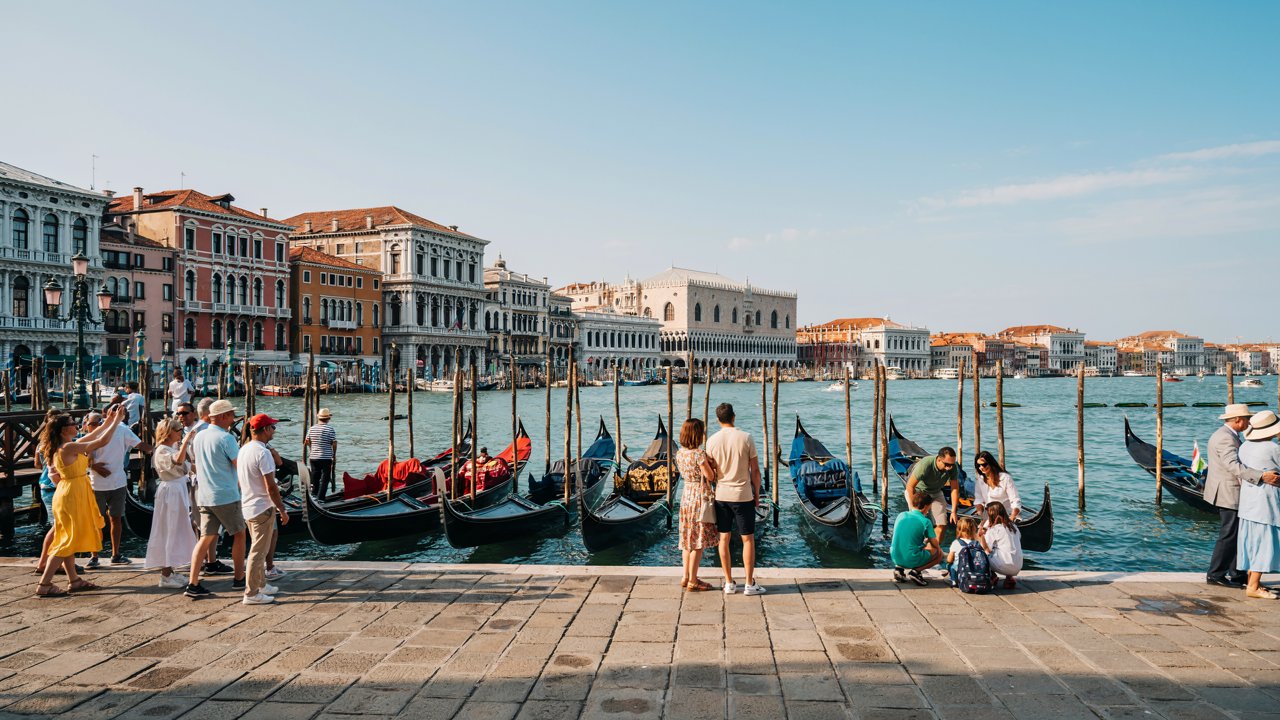
Italy, Spain, Greece, France, Croatia, the Netherlands and Portugal are entering a significant new chapter in European tourism as growing visitor demand places increasing pressure on some of the continent’s most celebrated destinations. From Venice’s historic canals and Barcelona’s architectural treasures to Santorini’s spectacular sunsets and Amsterdam’s picturesque waterways, popular holiday locations are balancing international tourism growth with heritage protection, housing affordability and community wellbeing. As Europe welcomes millions of travellers in 2026, destination authorities are exploring visitor management, tourism levies and sustainable development strategies to preserve the experiences that make these places extraordinary.
Europe’s Holiday Hotspots Enter a New Era as Tourism Growth Creates Fresh Challenges
Europe’s tourism industry continues to demonstrate remarkable strength. Travellers from around the world are returning to historic cities, Mediterranean islands and celebrated coastal destinations, creating valuable opportunities for local businesses.
Advertisement
Advertisement
However, international demand is not distributed evenly.
Venice, Barcelona, Amsterdam and Santorini attract concentrated visitor flows, particularly during peak holiday periods. This can increase pressure on public transport, accommodation, historic attractions and neighbourhood services.
Advertisement
Advertisement
According to Eurostat, European Union tourist accommodation establishments recorded approximately 3.1 billion overnight stays in 2025, highlighting the scale of the region’s visitor economy.
Croatia, Greece and other Mediterranean destinations also recorded high levels of tourism intensity relative to their resident populations.
Advertisement
Advertisement
The challenge facing European tourism is therefore not simply attracting visitors. It involves ensuring that tourism development remains economically beneficial while protecting local communities and cultural heritage.
Italy’s Venice Introduces a New Approach to Managing Historic City Tourism
Venice remains one of Europe’s most distinctive destinations, celebrated for its canals, historic bridges and remarkable architecture.
Advertisement
Advertisement
However, its compact historic centre faces considerable pressure from large volumes of day visitors.
To improve visitor management, Venice introduced an access contribution scheme that continued on selected dates during 2026.
The charge was €5 for eligible day visitors booking sufficiently early and €10 for later bookings.
Importantly, the 2026 charging period ended on 26 July. The access contribution does not apply to visits from 27 July through the remainder of 2026.
Advertisement
Advertisement
The municipality has also published a further charging calendar for 2027.
The scheme represents an attempt to better manage tourism flows rather than prevent international travellers from enjoying Venice’s heritage.
For visitors, the city continues to offer extraordinary experiences through St Mark’s Square, the Grand Canal and its historic neighbourhoods.
Spain’s Barcelona Balances International Popularity With Neighbourhood Preservation
Barcelona remains a leading destination for architecture, Mediterranean culture and urban holidays.
Visitors are drawn to the Sagrada Família, Park Güell, Gothic Quarter and the city’s celebrated waterfront.
However, sustained tourism demand has intensified discussions about residential housing, short-term accommodation and pressure on public services.
Advertisement
Advertisement
Barcelona has adopted policies aimed at managing tourist accommodation and strengthening the balance between visitor activity and neighbourhood life.
Tourism taxation also forms part of the city’s approach to managing the economic effects of international travel.
For travellers, these measures highlight the importance of responsible accommodation choices and awareness of local regulations.
Barcelona’s international appeal remains strong, but its longer-term tourism strategy increasingly focuses on protecting urban quality of life alongside visitor experiences.
Netherlands’ Amsterdam Strengthens Destination Management as Overnight Tourism Expands
Amsterdam provides another important example of Europe’s changing tourism landscape.
The Dutch capital recorded approximately 23.7 million tourist overnight stays during 2025, according to municipal research.
Advertisement
Advertisement
City projections indicate that annual overnight stays could reach between 25 million and 29.4 million by 2028, depending on future economic conditions and tourism developments.
These figures underline the sustained popularity of Amsterdam’s canals, museums and historic neighbourhoods.
However, increasing visitor activity has also prompted policies addressing accommodation, tourism taxation and the concentration of tourists in the city centre.
Amsterdam’s approach highlights the importance of managing tourism growth before visitor pressure becomes more difficult to control.
For international travellers, exploring neighbourhoods beyond the busiest central streets can offer a broader understanding of Dutch urban culture.
Croatia’s Dubrovnik Protects Its Medieval Heritage While Welcoming International Visitors
Dubrovnik attracts visitors through its magnificent medieval city walls, Adriatic coastline and UNESCO-listed Old Town.
Advertisement
Advertisement
Its distinctive architecture and coastal location have made it an internationally recognised destination.
However, the city’s historic centre has limited space, creating challenges when large groups arrive within short periods.
Cruise tourism is particularly relevant because passengers can enter the Old Town in concentrated waves.
Dubrovnik has developed destination management initiatives aimed at improving visitor flows and protecting its cultural heritage.
The city’s experience demonstrates why tourism management must consider the physical capacity of historic locations.
For travellers, exploring Dubrovnik outside the busiest sightseeing periods may provide a more comfortable experience while supporting a better distribution of visitor activity.
Advertisement
Advertisement
Spain’s Canary Islands Highlight the Importance of Sustainable Island Tourism
The Canary Islands remain among Spain’s most appealing year-round holiday destinations.
Tenerife, Gran Canaria, Lanzarote and Fuerteventura attract visitors through volcanic landscapes, beaches and favourable climatic conditions.
However, island destinations face particular challenges because their infrastructure and natural resources operate within geographical limits.
Tourism growth has increased public discussion about housing availability, environmental protection and pressure on local services.
The Canary Islands illustrate the importance of ensuring that tourism development benefits residents while preserving the natural landscapes that attract international visitors.
For holidaymakers, responsible travel can include respecting protected areas, supporting local enterprises and following environmental regulations.
Advertisement
Advertisement
Spain’s Mallorca Seeks a Better Balance Between Coastal Tourism and Island Life
Mallorca remains one of the Mediterranean’s most celebrated destinations, offering beautiful beaches, historic towns and dramatic mountain scenery.
Palma’s architectural attractions and the Serra de Tramuntana’s landscapes contribute to the island’s international popularity.
However, concentrated summer demand has raised concerns about traffic, water resources and residential accommodation.
Holiday rentals and housing affordability are particularly important issues within the broader discussion about tourism development.
Mallorca’s situation demonstrates how visitor numbers can influence everyday conditions in popular island communities.
For travellers, exploring the island outside peak summer periods may offer a different experience, although seasonal opening arrangements and weather conditions should be considered.
Advertisement
Advertisement
Portugal’s Lisbon Navigates Growing Tourism Demand and Historic Neighbourhood Preservation
Lisbon has developed a strong international reputation for its colourful architecture, historic tramways and distinctive cultural atmosphere.
Visitors are drawn to Alfama, Belém and the city’s panoramic viewpoints.
However, growing tourism demand has increased attention on housing affordability and the changing character of historic neighbourhoods.
Short-term accommodation has become an important policy consideration as authorities seek to balance tourism activity with residential needs.
Lisbon’s appeal continues to rest on its cultural identity, traditional neighbourhoods and hospitality.
For international travellers, supporting independent businesses and respecting residential areas can contribute to more balanced tourism experiences.
Advertisement
Advertisement
Greece’s Santorini Introduces Visitor Management Measures to Protect Its Famous Island Heritage
Santorini continues to attract international travellers through its spectacular caldera, whitewashed villages and extraordinary Aegean Sea views.
Oia and Fira remain popular destinations for sunset photography, luxury accommodation and Mediterranean holidays.
However, the island’s narrow pathways and limited infrastructure can experience substantial pressure during peak tourism periods.
Cruise tourism has become a particular consideration because large numbers of passengers may arrive within relatively short periods.
Greece introduced a cruise passenger levy in 2025, with higher charges at Santorini and Mykonos during the busiest summer months.
The policy aims to help address the pressures associated with concentrated cruise arrivals.
Advertisement
Advertisement
For visitors, exploring Santorini beyond its most photographed locations can provide opportunities to experience traditional villages, volcanic landscapes and local gastronomy.
Italy’s Amalfi Coast Faces Growing Pressure on Its Spectacular Coastal Infrastructure
The Amalfi Coast remains one of Italy’s most recognisable holiday destinations, celebrated for its dramatic cliffs, colourful villages and Mediterranean scenery.
Positano, Amalfi and Ravello attract travellers seeking romantic holidays, cultural experiences and coastal exploration.
However, the region’s mountainous geography and narrow roads create transport challenges when visitor numbers increase.
Heavy seasonal traffic can complicate journeys between villages, particularly during summer.
Local traffic management measures, including restrictions affecting certain vehicles on parts of the coastal road, have been used to address congestion.
Advertisement
Advertisement
The Amalfi Coast’s UNESCO-recognised cultural landscape also requires careful preservation.
Visitors can consider ferries where available, use public transport and explore destinations beyond the busiest coastal centres.
These choices can make journeys more comfortable while helping reduce pressure on limited road infrastructure.
France’s Montmartre Seeks to Preserve Its Artistic Identity Amid Exceptional Visitor Interest
Montmartre offers one of Paris’s most distinctive cultural experiences through its historic streets, artistic heritage and panoramic city views.
The neighbourhood’s Sacré-Cœur Basilica, Place du Tertre and traditional cafés attract visitors throughout the year.
However, the area’s growing popularity has created concerns about pedestrian congestion, residential life and the changing character of local businesses.
Advertisement
Advertisement
A Paris City Council resolution adopted in November 2025 specifically addressed excessive tourism pressure in Montmartre.
The resolution identified challenges involving housing, public spaces and neighbourhood services.
It also noted that Sacré-Cœur received approximately nine million visitors in 2024.
These developments demonstrate why neighbourhood-level tourism management is increasingly relevant even within established international destinations.
Montmartre remains an exceptional cultural attraction, but preserving its residential and artistic character is an important consideration for Paris’s future tourism strategy.
Ten European Destinations Balancing Exceptional Tourism Appeal With Visitor Management
| Country | Destination | Main tourism attraction | Visitor management concern |
|---|---|---|---|
| Italy | Venice | Historic canals and architecture | Day visitors and heritage protection |
| Spain | Barcelona | Gaudí architecture and Mediterranean culture | Housing and visitor concentration |
| Netherlands | Amsterdam | Canals, museums and historic centre | Overnight tourism and neighbourhood pressure |
| Croatia | Dubrovnik | UNESCO-listed medieval Old Town | Cruise arrivals and pedestrian congestion |
| Spain | Canary Islands | Beaches and volcanic landscapes | Environmental resources and housing |
| Spain | Mallorca | Mediterranean coastline and historic towns | Seasonal congestion and infrastructure |
| Portugal | Lisbon | Historic neighbourhoods and cultural attractions | Accommodation pressures and community life |
| Greece | Santorini | Caldera scenery and island villages | Cruise arrivals and limited infrastructure |
| Italy | Amalfi Coast | Coastal villages and dramatic landscapes | Road traffic and seasonal visitor flows |
| France | Montmartre, Paris | Sacré-Cœur and artistic heritage | Crowded public spaces and residential pressure |
The destinations face different challenges. This comparison is not an official ranking of Europe’s most overcrowded locations.
Advertisement
Advertisement
Europe’s Tourism Industry Moves Towards Quality Experiences and Sustainable Destination Growth
The increasing attention given to visitor management reflects an important change in European tourism planning.
Destinations are recognising that tourism success depends on more than rising arrival numbers.
Historic preservation, affordable housing, reliable transport and environmental protection also influence long-term competitiveness.
Eurostat’s October 2026 tourism data show that Croatia, Greece and several other destinations experience relatively high tourism intensity when accommodation nights are compared with resident populations.
However, these indicators do not measure every source of visitor pressure, including day trips and cruise passengers.
Tourism policies therefore need to consider the characteristics of individual destinations rather than adopting identical measures everywhere.
Advertisement
Advertisement
For travellers, the shift towards responsible tourism can encourage more rewarding experiences through regional exploration, longer stays and greater engagement with local communities.
Frequently Asked Questions
1. Which European destinations are experiencing significant tourism management challenges?
Venice, Barcelona, Amsterdam, Dubrovnik, Santorini, Mallorca and Montmartre are among the destinations where visitor concentration has generated attention.
2. Does Venice still charge tourists an entry fee in October 2026?
No. Venice’s 2026 access fee programme ended on 26 July. Charging dates have been announced for 2027.
3. Why is Amsterdam addressing tourism growth?
Advertisement
Advertisement
The city recorded substantial overnight tourism in 2025 and expects further growth, creating challenges involving accommodation, public spaces and neighbourhood life.
4. Are the Canary Islands and Mallorca still welcoming tourists?
Yes. Both remain established holiday destinations. Discussions about sustainable tourism focus on managing its effects rather than ending tourism.
5. Why is cruise tourism an important issue for Santorini and Dubrovnik?
Cruise ships can bring large groups of passengers to relatively compact destinations within short periods, placing pressure on transport and visitor infrastructure.
6. Can travellers enjoy these destinations without encountering large crowds?
Advertisement
Advertisement
Crowding varies by destination, season and time of day. Visiting outside peak periods and exploring less concentrated areas may help, although quieter conditions cannot be guaranteed.
7. Will tourism management measures discourage international travel?
Their effects depend on the policies adopted. Many measures aim to improve visitor distribution and preserve destination quality while continuing to welcome travellers.
Europe’s Celebrated Destinations Embrace a New Vision for Sustainable Travel
Europe’s most recognisable holiday destinations are entering an important period of tourism transformation.
Italy, Spain, Greece, France, Croatia, the Netherlands and Portugal demonstrate how international travel growth can create opportunities alongside infrastructure and community challenges.
Venice’s access scheme, Amsterdam’s visitor management policies and Santorini’s cruise levy illustrate different approaches to addressing tourism pressure.
Advertisement
Advertisement
Meanwhile, destinations such as Mallorca, Lisbon and Montmartre highlight the importance of maintaining residential quality of life.
For international travellers, these changes offer an opportunity to discover Europe’s cultural treasures through more thoughtful and responsible holiday experiences.
Ultimately, protecting historic cities, coastal landscapes and local communities will remain essential to ensuring that Europe’s extraordinary tourism appeal continues for future generations.
Advertisement
