
New York City Travel Dreams Come Alive When You Walk The Historic Bookish Streets Of Brooklyn And Queens, See Why!

Published
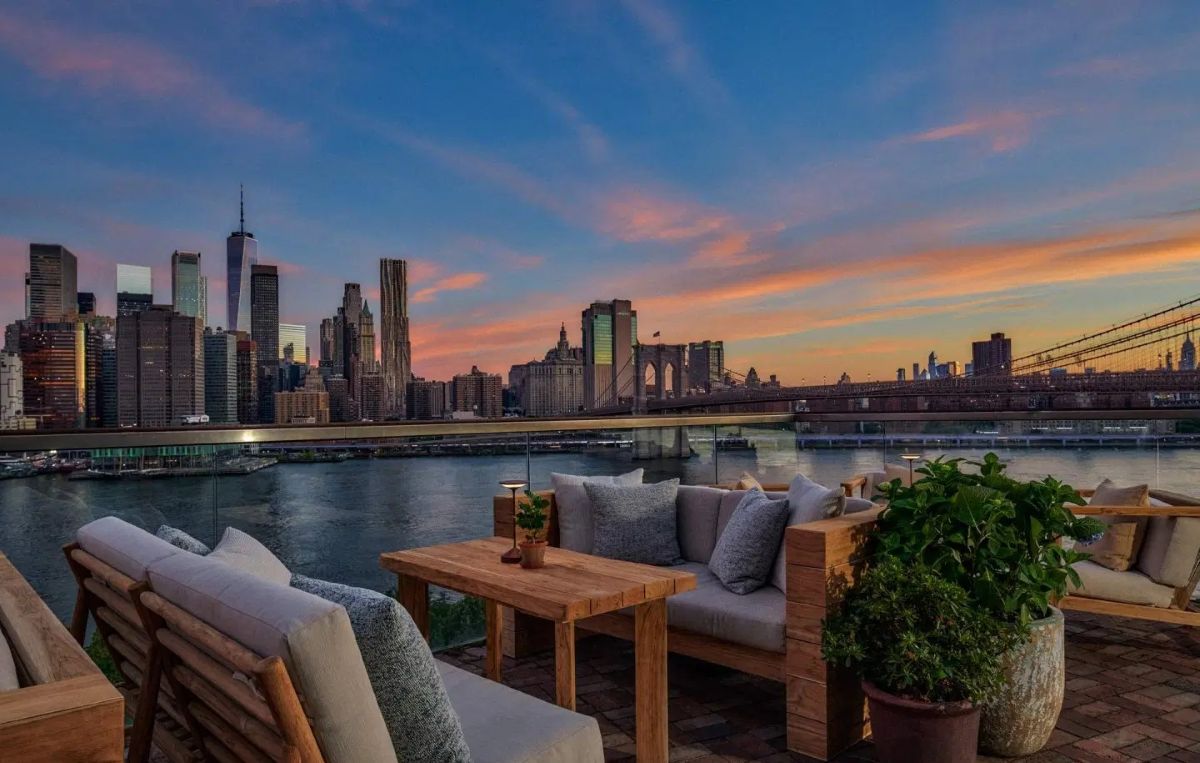
Image Credit nyctourism
There is something special about reading a classic. As you read, you can almost see yourself in the scenery you’re reading about. I like to people and story watch. I like to think about the characters and their stories and how they engage with the world. I like to imagine these stories are not stuck in the New York Public Library, waiting to be checked out, but are spread through the city and a time that New York (and its inhabitants) have long forgotten. New York has forgotten a time with the blowing of a single, sad, brownstone street. New York has forgotten a time when Walt Whitman watched the Brooklyn Ferry from the waterfront and the Public Library. As you journey to the Bronx in search of Poe’s cottage, you learn the ‘other side’ of New York that is not the Public Library or Brownstone Street. Poe’s Cottage is a photo-obligated Instagram in New York. New York is the home of the Imaginative writers who captured its streets with their Imagination.
How Does Manhattan Bring the Gilded Age and Harlem Renaissance to Life for Passionate Readers?
Manhattan stands as an architectural and literary powerhouse, where Gilded Age high society directly contrasts with the historic 1920s African American cultural explosion. A curated Midtown literary walk begins at the New York Public Library Stephen A. Schwarzman Building, a Beaux-Arts municipal landmark housing centuries of rare manuscripts and historic archives. Strolling down 41st Street’s Library Way, visitors can read bronze plaques embedded in the pavement featuring famous literary quotes before continuing directly to The Morgan Library & Museum, Pierpont Morgan’s original private library collection.
Advertisement
Advertisement
Moving north to Harlem, the journey shifts to the Schomburg Center for Research in Black Culture, an essential research arm of the public library system holding over 11 million items detailing Black history and creative writing. Nearby, the Langston Hughes House on East 127th Street offers a direct connection to the heart of the Harlem Renaissance. These historic sites illustrate how Manhattan’s dynamic cultural movements continue to shape global literary heritage and captivate international audiences.
Can You Experience Historic Brooklyn Through the Eyes of Legendary Transcendentalists and Poets?
Advertisement
Advertisement
Brooklyn offers a rich maritime printing history and a long legacy of brownstone intellectualism that inspired iconic writers across centuries. Wandering through the Brooklyn Heights Historic District—the first designated historic district in New York City—brings travellers directly to Fulton Ferry Landing. Here, Walt Whitman edited the Brooklyn Daily Eagle and drew direct inspiration for his famous poem Crossing Brooklyn Ferry while observing the bustle of the riverfront.
Further along in Fort Greene and Clinton Hill, visitors can explore the neighbourhood where the original 1855 edition of Leaves of Grass was printed. The literary retreat culminates at the Brooklyn Public Library Central Library at Grand Army Plaza, a landmark structure that serves as a modern sanctuary for readers and researchers alike. Brooklyn’s historical streets preserve a tangible, enduring connection to the writers who captured its rapidly evolving urban landscape.
Why Are Queens’ Jazz Age Splendour and Immigrant Narratives Essential for Modern Readers?
Queens represents a fascinating study in contrasts, spanning from the lavish 1920s North Shore estates of the Jazz Age to the vibrant, multicultural neighbourhoods of the 20th century. In historic Flushing, visitors can explore Flushing Town Hall, an official landmark that anchors the neighbourhood’s deep heritage and literary migration narratives. The surrounding streets reflect the rich tapestry of international cultures that inspired modern literary classics like Chang-rae Lee’s Native Speaker.
Heading west toward Astoria, literary travellers can visit the historic precinct surrounding Kaufman Astoria Studios, listed on the National Register of Historic Places for its role in early film and media history. Meanwhile, the Queens Public Library Central Branch in Jamaica houses extensive local history archives detailing the transformation of Queens from rural farmland into a vibrant urban crossroads.
Where Can You Find Hidden Gothic Secrets and Historic Cottages in The Bronx?
Advertisement
Advertisement
The Bronx retains quiet pockets of 19th-century country charm alongside majestic mid-century urban architecture. The centerpiece of any Bronx literary pilgrimage is the Edgar Allan Poe Cottage in Poe Park, restored by the NYC Parks Department and operated by the Bronx County Historical Society. Built in 1812, this humble five-room wood-frame farmhouse is where Edgar Allan Poe spent his final years, composing masterworks such as Annabel Lee and The Bells. Further along the borough’s spine, the Grand Concourse Historic District features an extraordinary collection of Art Deco apartment buildings that served as the setting for mid-century literary memoirs like E.L. Doctorow’s World’s Fair. Visiting the Valentine-Varian House (built in 1758) offers additional insight into the Bronx’s transformation from a rural settlement to a thriving urban borough.
How Do Staten Island’s Tranquil Coastal Retreats Connect to Classic American Thinkers?
Staten Island has long served as a peaceful coastal haven for artists, thinkers, and reformers seeking respite from the fast pace of urban life. The Snug Harbor Cultural Center & Botanical Garden, formerly Sailors’ Snug Harbor, stands as a landmark maritime district filled with monumental Greek Revival architecture. Today, it houses cultural institutions and museum collections that celebrate the island’s rich maritime history and natural environment. During the 1840s, Staten Island played host to leading Transcendentalist figures like Ralph Waldo Emerson and Henry David Thoreau, who resided on Grymes Hill while writing and lecturing. Exploring the island’s scenic shorelines and green spaces offers travellers the same quiet atmosphere that nurtured 19th-century philosophy and early American nature writing.
Economic Footprint of Heritage Tourism: How Literary Travellers Drive Multi-Billion Dollar Impact Across New York City
Tourism across New York City generates $84.7 billion in total economic impact, backed by $55.6 billion in direct visitor spending and $7.5 billion in state and local tax revenue according to official reports from NYC Tourism + Conventions. This immense financial movement directly sustains an employment sector of nearly 397,000 workers distributed across all five boroughs. Literature-focused travellers provide a unique economic stimulus by venturing far beyond traditional Midtown commercial hubs. These cultural visitors tend to stay longer, spend more on neighborhood dining and independent retail, and inject steady revenue directly into residential historic districts throughout Manhattan, Brooklyn, Queens, The Bronx, and Staten Island.
Preservation Metrics and Archival Power: Safeguarding 38,000 Historic Properties Across the Five Boroughs
Advertisement
Advertisement
The NYC Landmarks Preservation Commission (LPC) maintains regulatory protection over more than 37,900 designated properties across the municipality. This extensive preservation portfolio includes 156 historic districts, 1,459 individual landmarks, 121 interior landmarks, and 11 scenic landmarks spanning the entire city. This municipal legal structure prevents irreplaceable literary settings—such as the historic 1812 Edgar Allan Poe Cottage—from commercial demolition. By protecting these physical structures, the commission ensures that the authentic architectural backdrops defining custom bookbound itineraries remain fully intact for global visitors.
The Public Library System as a Cultural Anchor: 56 Million Archival Holdings Powering Global Literary Research
Operating across 92 distinct locations, The New York Public Library (NYPL) system houses an extraordinary collection exceeding 56 million items, positioning it as the second-largest public library network in the United States. Within this vast infrastructure, Harlem’s Schomburg Center for Research in Black Culture preserves over 11 million physical holdings dedicated exclusively to African American history and global Black literature. These public institutions function as vital physical anchors for literary retreats and research trips. Majestic reading spaces—ranging from the iconic Rose Main Reading Room in Midtown Manhattan to the Central Library at Brooklyn’s Grand Army Plaza—offer quiet, accessible sanctuaries where travellers can engage deeply with historic texts.
Maritime Publishing Archives and Print History: Tracing Brooklyn’s 19th-Century Industrial Ink Routes
Brooklyn Heights holds significant historical prestige as New York City’s very first designated historic district, established in 1965 to protect over 600 pre-Civil War and Victorian structures. This preserved urban canvas reflects Brooklyn’s 19th-century transition from a busy maritime industrial waterfront into a renowned center for printing and creative thought. During this transformative era, Walt Whitman famously self-published the landmark 1855 edition of Leaves of Grass, producing an initial run of just 795 original copies at small Fulton Street press shops. Today, exploring Fulton Ferry Landing and its adjacent restored waterfront connects modern visitors directly to the ink routes and printing heritage of early American poetry.
Suburban Estates to Urban Tapestries: The Spatial Transformation of Queens’ Jazz Age and Immigrant Narratives
Advertisement
Advertisement
Covering 108 square miles, Queens stands as the geographically largest borough in New York City. The Queens Public Library network serves one of the most culturally diverse populations in the world, catering to local communities that speak over 130 distinct languages. This expansive geography has evolved from the lavish 1920s North Shore estates that inspired F. Scott Fitzgerald’s fictional “West Egg” into vibrant modern neighborhoods like Flushing and Jamaica. Additionally, historic media precincts like Kaufman Astoria Studios spanning more than 12 protected acres highlight how Queens transformed from suburban retreats into dynamic urban settings for contemporary immigrant narratives.
Gothic Architecture and Farmhouse Preservation: The Architectural Ecology of The Bronx
The Bronx preserves fascinating architectural contrasts, anchored by the 83-acre ecosystem of Poe Park and the restored 1812 wood-frame Edgar Allan Poe Cottage. This humble five-room farmhouse offers insight into the rural solitude that enabled Edgar Allan Poe to write some of his most famous gothic works during the final years of his life. In contrast to these early 19th-century rural retreats, the Grand Concourse Historic District features an extraordinary corridor of over 300 Art Deco and Renaissance Revival apartment buildings constructed during the 1920s and 1930s. This striking mid-century urban landscape famously framed the Bronx memoirs of prominent American authors like E.L. Doctorow.
Coastal Isolation and Transcendentalist Thought: Staten Island’s 83-Acre Maritime Havens
Staten Island’s Snug Harbor Cultural Center & Botanical Garden encompasses an 83-acre historic campus featuring 26 landmark Greek Revival buildings originally established in 1833 as a refuge for retired sailors. This impressive coastal site showcases the island’s long-standing connection to maritime history and quiet institutional retreats. During the 1840s, Staten Island served as an intellectual haven for leading Transcendentalist figures, including Henry David Thoreau, who lived and wrote on Grymes Hill in 1843. The island’s scenic shorelines and secluded green spaces provided an ideal natural setting for 19th-century thinkers seeking solitude away from dense urban centers.
Sustainable Tourism Practices: Mitigating Urban Congestion Through Multi-Borough Cultural Dispersal
Advertisement
Advertisement
City tourism data indicates that approximately 80% of all visitors to New York City concentrate their activities almost exclusively within Midtown Manhattan. This high concentration of foot traffic creates significant localized congestion while leaving outer-borough cultural assets underutilized. Cross-borough literary itineraries solve this imbalance by redistributing visitors across five distinct administrative regions. By encouraging immersive travel centered around neighborhood heritage, bookbound tourism extends average visitor stays to 3.5 to 5+ nights and spreads sustainable economic spending directly to small businesses throughout the city.
The Final Horizon
Going on an average tour of New York City gives you a better perspective about what New York has to offer. You also realize how much New Yorkers love their city. The busy New York streets lose some charm, but still possess their own kind of magic. You learn to appreciate both of those things and the sanctuaries that New York has to offer. Staten Island, Brooklyn, and The Bronx share NYC‘s magical glory with Poe’s Cottage and the Schomburg Center’s literary halls, and much more. Writing about your trip lets you appreciate what you left behind the most. You also begin to appreciate your literary travels.
Unlike so many others, these cities give these community resources life and fulfill your dream of accomplishing things on your bucket list. These experiences and personal memories will last longer than your actual trip and will be a constant reminder to everyone on the importance of the magic of the five boroughs of New York City.
Frequently Asked Questions
- What is bookbound or literature travel?
Bookbound travel is a specialized form of cultural tourism where itineraries and activities are designed entirely around real-world literary settings, author residences, and historical bookish landmarks.
Advertisement
Advertisement
- Why should I rely on official government sources for travel planning?
Official municipal sources—such as the NYC Landmarks Preservation Commission, public library systems, and the National Park Service—provide verified historical details, precise landmark designations, and reliable operating schedules for cultural sites.
- How does literary tourism benefit local communities in New York City?
Literary tourism drives economic activity directly into historic neighbourhoods across all five boroughs, helping support local businesses, fund preservation grants, and sustain municipal library and park programs.
Advertisement
